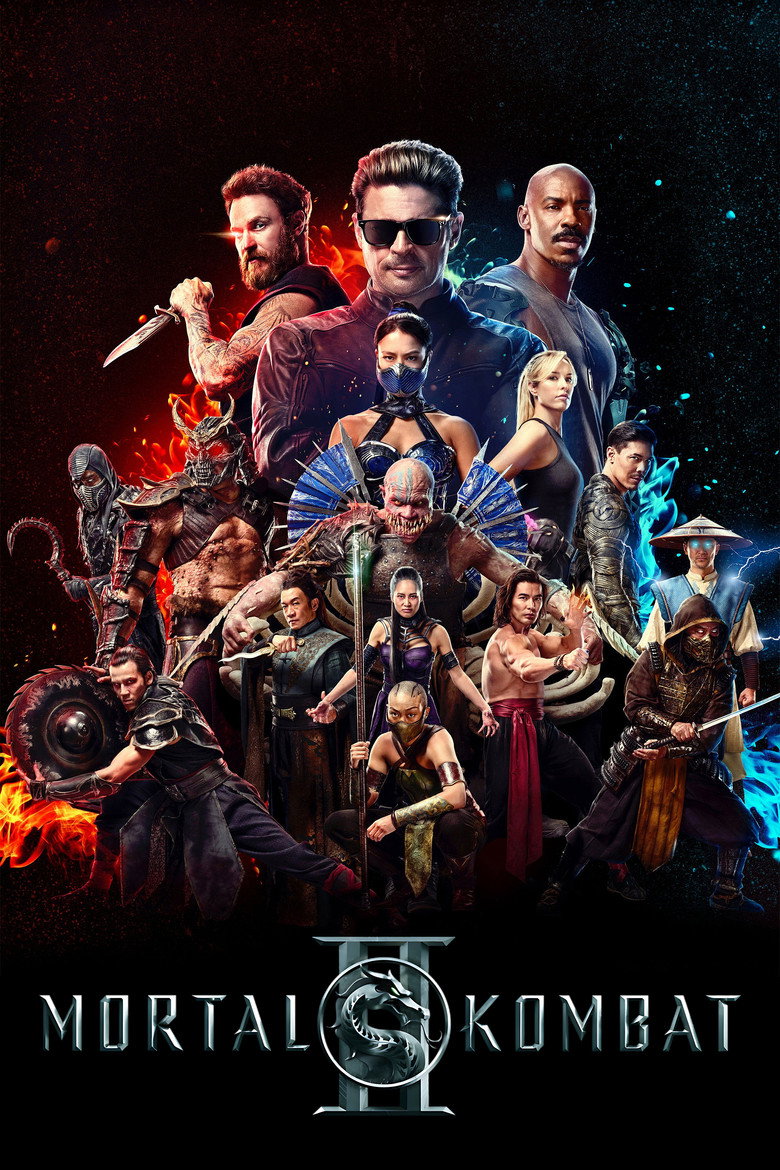
Johnny Cage, a has-been action movie star, gets pulled into a deadly tournament by the thunder god Raiden and fighter Sonya Blade. He joins Earthrealm champions to battle Outworld warriors and stop the evil emperor Shao Kahn from conquering their world and destroying everything. Kitana, a princess from Edenia taken by Shao Kahn after he killed her real father, acts as a spy and later fights openly for the good side with help from her bodyguard Jade and others. The film delivers gory fights, special powers, humor, and fantasy battles across realms.
The movie follows the classic Mortal Kombat games with a story about heroes in a no-holds-barred tournament fighting a tyrant ruler from another realm. Kitana has a revenge arc tied to losing her family and kingdom, while Johnny Cage learns to become a real hero beyond acting. Strong female fighters like Kitana, Jade, and Sonya play big roles because they are core characters from the source games. The cast mixes actors of different backgrounds to match the games' international fighter roster. Marketing and trailers focus on brutal action, gory finishes, and fan-favorite characters with no emphasis on social themes. Writer Jeremy Slater has a moderate track record from other projects that included some identity elements, but this film stays centered on fights, humor, and stopping conquest.
Community feedback
Was our 19% Woke rating accurate?
Breakdown
These are the editorial factors and ratings behind our score for Mortal Kombat II.
Woke representation / casting
The cast draws from the Mortal Kombat games' mix of ethnicities and includes prominent female fighters like Kitana and Jade. The director spoke about rebalancing female representation by featuring more classic game characters such as Kitana, Jade, and Sindel. Johnny Cage fits the traditional white male Hollywood actor type from the source. No clear quota-style signaling or casting that clashes with the fantasy story world.
23%
Woke political dialogue
Dialogue covers fights, taunts, jokes, one-liners, and basic story setup for the tournament and battles. No activist, political, or social-justice speeches.
0%
Identity-driven story themes
The core story is a fantasy tournament where Earthrealm fighters battle to defeat the tyrant Shao Kahn. Kitana's arc involves revenge for her father's death and lost kingdom. Johnny grows into a hero. These follow classic adventure and heroism with no modern identity or social-justice focus.
0%
Western institutional / cultural critique
Shao Kahn is an otherworldly conqueror emperor who rules through force. The conflict is standard good-versus-evil fantasy with no framing around Western culture, patriarchy, capitalism, masculinity, or current identity politics.
0%
Woke character or canon changes
Not relevant. The film adapts established game characters and lore, adds Johnny Cage as set up in the prior movie, and shifts focus toward classic fighters while de-emphasizing the new lead from the 2021 film. No identity or DEI-driven alterations to canon.
0%
Anti-woke backlash and complaints
Social media shows only scattered and minor complaints labeling female characters or the film as woke. Fans largely reject the label and call it normal gory action. No significant news coverage or organized backlash treats it as pushing activist or identity content.
5%
Creator track record context
Writer Jeremy Slater carries a moderate cached score of 49 from prior projects with some LGBTQ elements. Director Simon McQuoid and most producers have very low cached scores focused on commercial genre work with no activist records.
28%
Production

Movie · 2021
Washed-up MMA fighter Cole Young, unaware of his heritage, and hunted by Emperor Shang Tsung's best warrior, Sub-Zero, seeks out and trains with Earth's greatest champions as he…

Movie · 2022
Prince Amleth is on the verge of becoming a man when his father is brutally murdered by his uncle, who kidnaps the boy's mother.
Movie · 2017
When Mahendra, the son of Bāhubali, learns about his heritage, he begins to look for answers. His story is juxtaposed with past events that unfolded in the Mahishmati Kingdom.
Movie · 2022
A new adventure begins for Luffy and his crew when mysterious pop superstar Uta unveils her identity — and launches a misguided plan for world peace.
Movie · 2020
Earth is decimated after intergalactic tyrant Darkseid has devastated the Justice League in a poorly executed war by the DC Super Heroes.
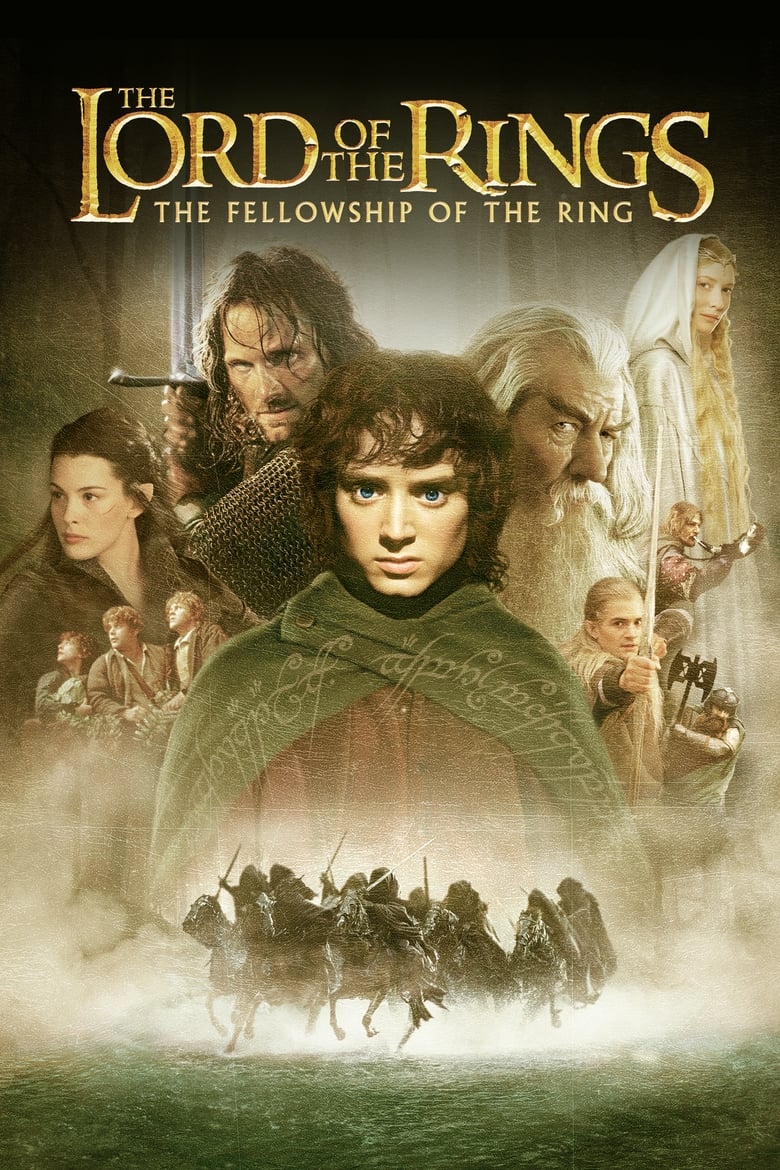
Movie · 2001
Young hobbit Frodo Baggins, after inheriting a mysterious ring from his uncle Bilbo, must leave his home in order to keep it from falling into the hands of its evil creator.
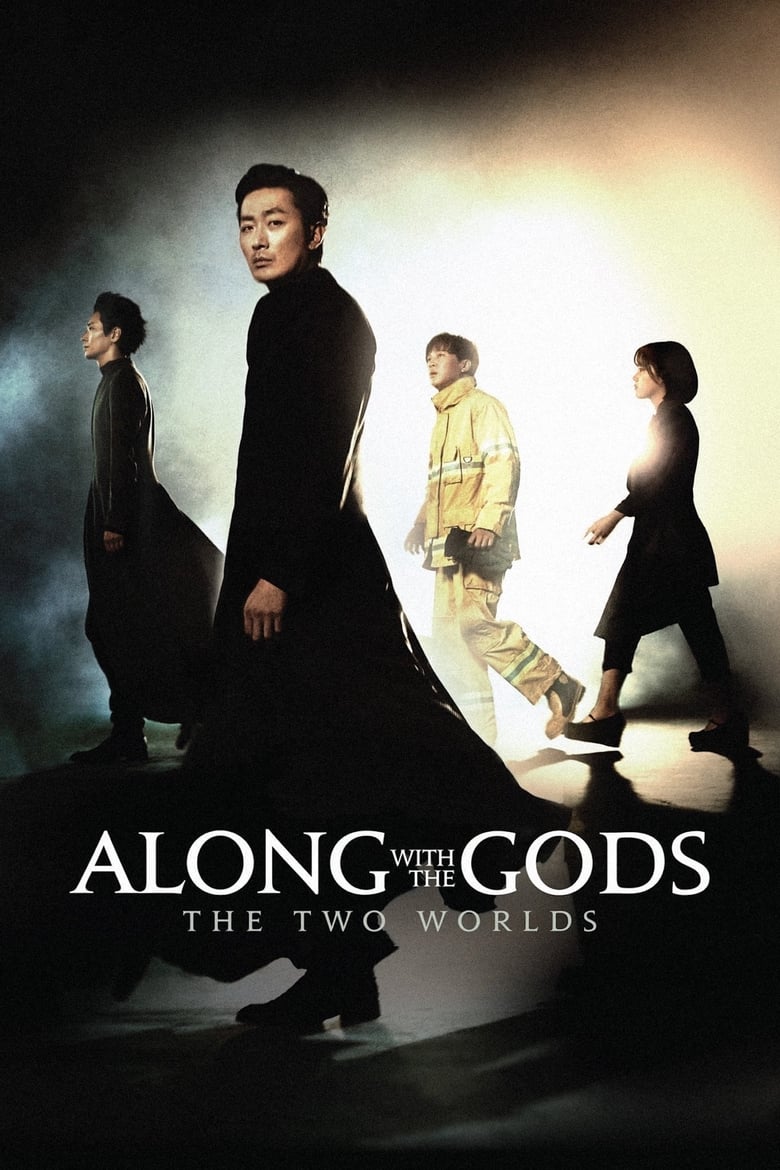
Movie · 2017
Having died unexpectedly, firefighter Ja-hong is taken to the afterlife by 3 afterlife guardians. Only when he passes 7 trials over 49 days and proves he was innocent in human…
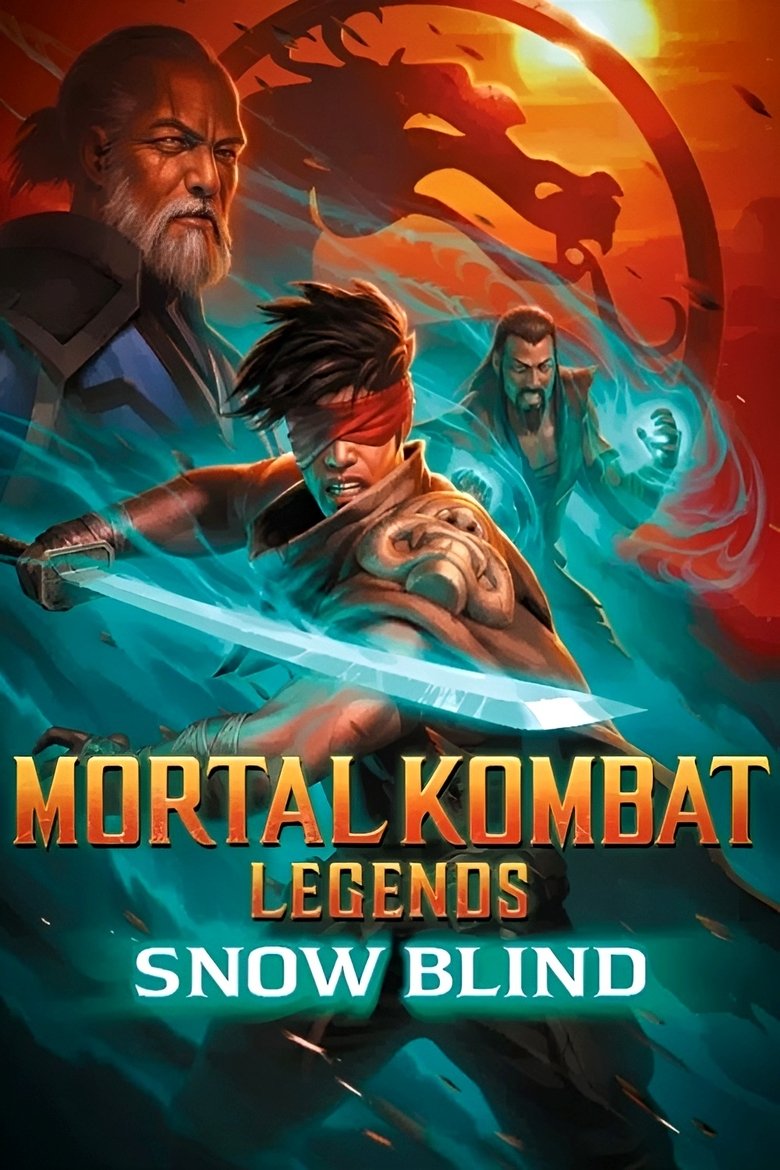
Movie · 2022
The vicious, power-mad Kano is determined to take over Earthrealm, one soul at a time. Assisted by a trio of cold Black Dragon mercenaries, he embarks on a brutal assault from…
