
Thomas Webb is a young college graduate who feels lost after leaving his wealthy parents’ home on New York’s Upper West Side. He moves to the Lower East Side, hopes to become a writer, and spends time with his friend Mimi and his strange neighbor W. F. Gerald. When Thomas learns that his father is having an affair, he follows the woman and then begins an affair with her himself. The story mixes family secrets, sex, jealousy, and a late surprise about Thomas’s parents in a glossy but uneasy New York drama.
The film briefly mentions that a side character named Irwin is gay, but that detail does not shape the story. The main romance and sexual plot involve Thomas, Mimi, Johanna, and Thomas’s father. The movie focuses on betrayal, wounded pride, artistic dreams, and the painful path toward honesty. It also looks back fondly at an older New York and complains that chain stores and business culture have pushed out its creative life. The result is a personal story about rich, unhappy people trying to decide who they are.
Community feedback
Was our 12% Woke rating accurate?
Breakdown
These are the editorial factors and ratings behind our score for The Only Living Boy in New York.
Woke representation / casting
Not present. Mimi is played by a black actress in a modern New York story, but the film does not frame her race or the cast as a diversity message. The other main roles do not form a repeated identity pattern.
0%
Woke political dialogue
Not present. The film has no recurring lines about DEI, gender politics, or modern activist causes. Its brief complaints about chain stores and publishing are city nostalgia, not a political program.
0%
Identity-driven story themes
A conversation says that Irwin is gay and that he loves men. The line is a brief side remark, and Irwin does not drive the story. The main relationships involve Thomas, Mimi, Johanna, and Thomas’s parents.
5%
Western institutional / cultural critique
Thomas and other characters complain that chain stores and new business have replaced older New York shops and clubs. The film also mocks a publisher who says readers want self-help and political rants instead of fiction. These points create a mild anti-corporate and anti-commercial tone, but they do not become a wider attack on Western institutions.
15%
Woke character or canon changes
Not relevant. The film is an original family and romance story, not a retelling with established characters or real historical figures. Its title comes from a Simon and Garfunkel song, but the story does not change that song’s characters or history.
0%
Anti-woke backlash and complaints
Not present. No anti-woke posts were found on X. Broader searches found no notable claim that the film pushes DEI or identity politics. Public criticism focused on the messy plot, privilege, weak female characters, and dull writing instead.
0%
Creator track record context
Marc Webb’s public work is mainly linked to mainstream romance, superhero, and family films. Allan Loeb’s public profile centers on commercial scripts and shows no strong activist or DEI pattern. The producers show charity, environmental work, or mainstream film work rather than a clear identity-politics record.
14%
Production
Movie · 2017
Members of the Granite Mountain Hotshots battle deadly wildfires to save an Arizona town.
Movie · 2019
Richard Jewell thinks quick, works fast, and saves hundreds, perhaps thousands, of lives after a domestic terrorist plants several pipe bombs and they explode during a concert…
Movie · 2022
Based on a true tragedy, the emotionally triggering film sheds light on the plight of Kashmiri Pandits (Hindus), a religious minority in the 1990s Kashmir valley, who were…
Movie · 2016
On 15 January 2009, the world witnessed the 'Miracle on the Hudson' when Captain 'Sully' Sullenberger glided his disabled plane onto the Hudson River, saving the lives of all 155…
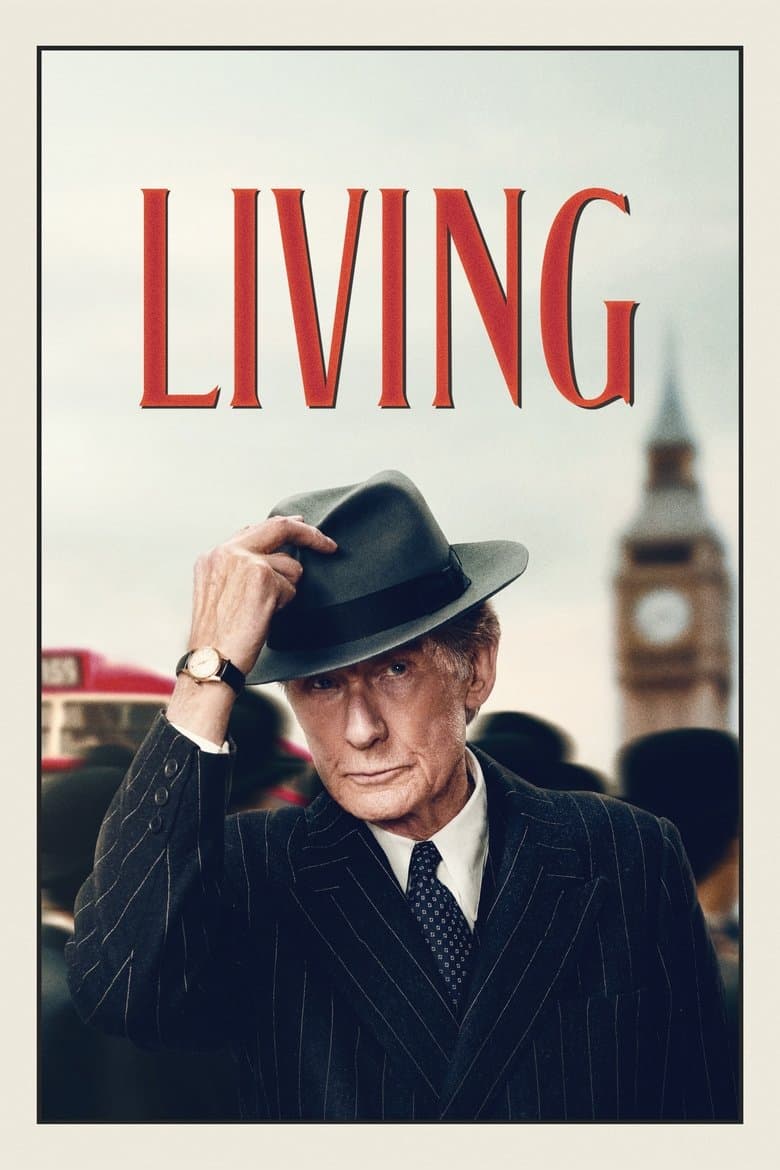
Movie · 2022
London, 1953. Mr. Williams, a veteran civil servant, is an important cog within the city's bureaucracy as it struggles to rebuild in the aftermath of World War II.
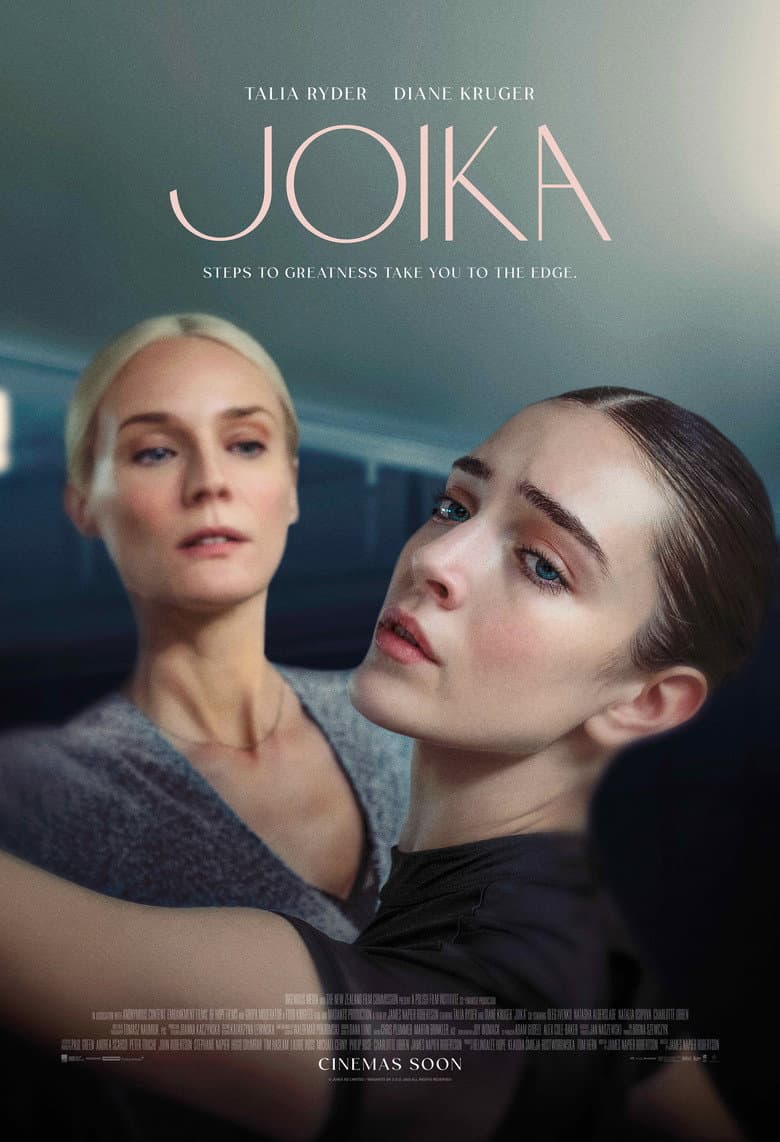
Movie · 2023
American ballet dancer Joy Womack is accepted into Moscow's infamously tough Bolshoi Ballet Academy, with the dream of becoming a great ballerina.
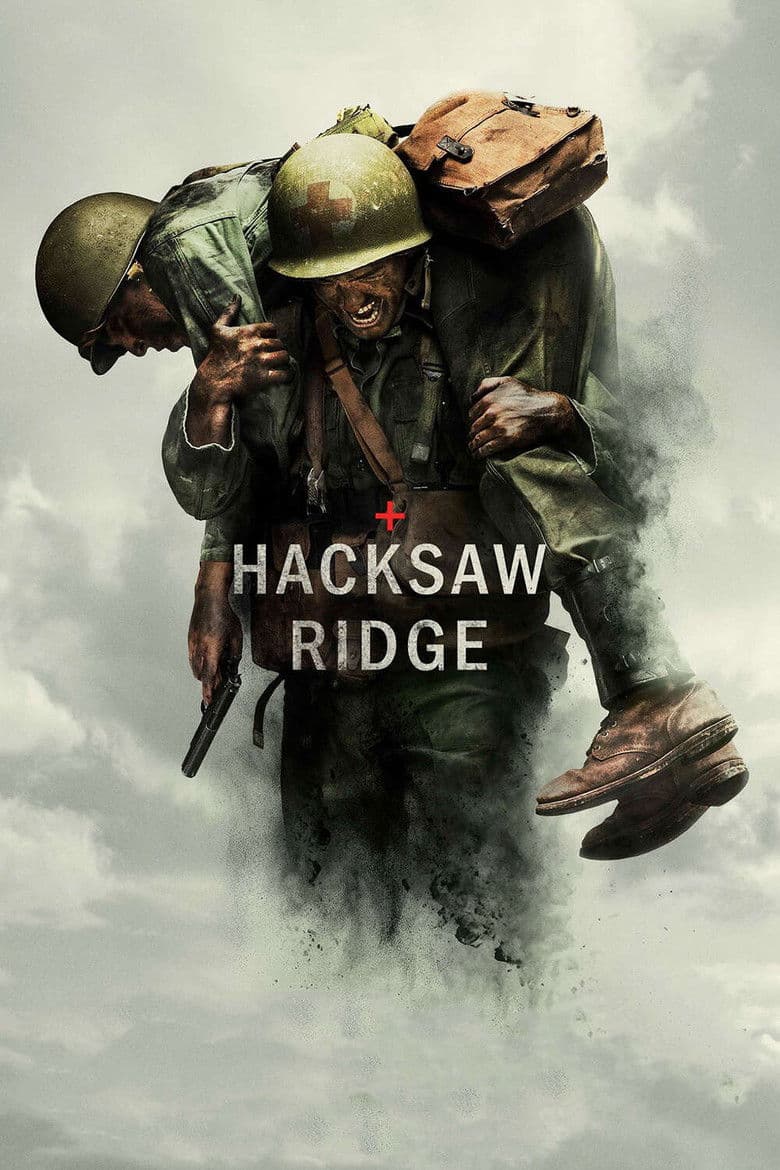
Movie · 2016
WWII American Army Medic Desmond T. Doss, who served during the Battle of Okinawa, refuses to kill people and becomes the first Conscientious Objector in American history to…
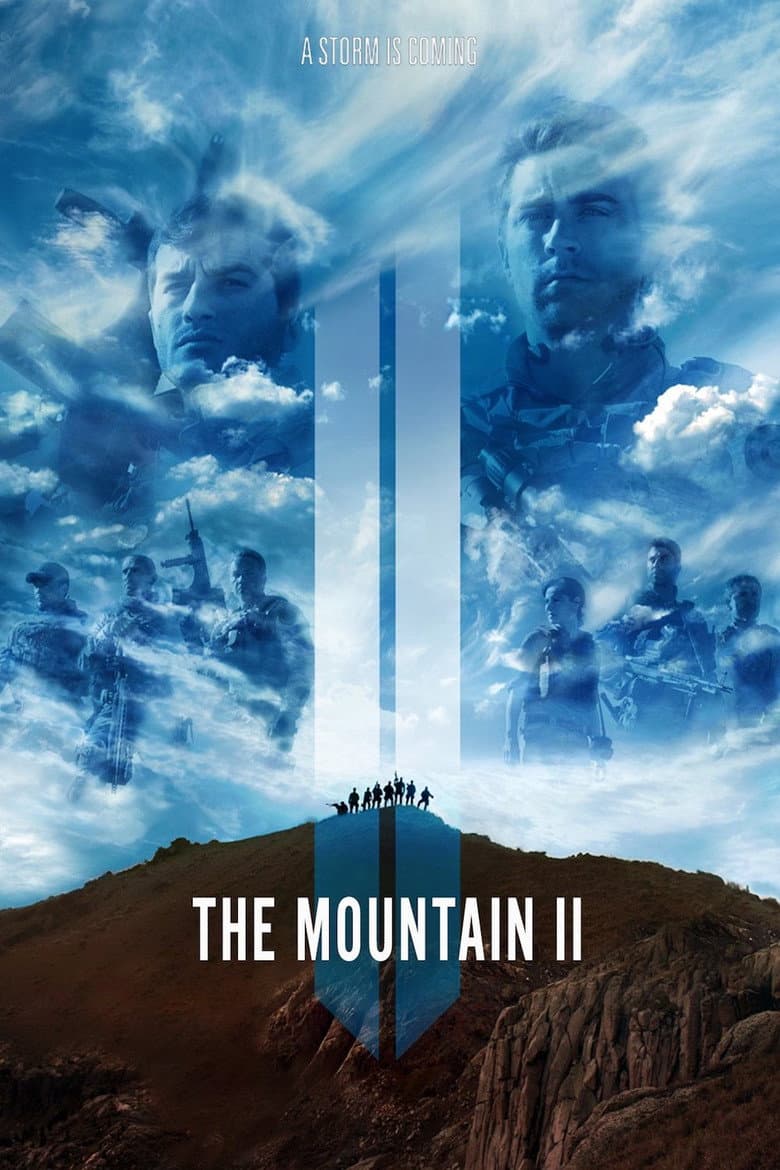
Movie · 2016
In a desolate war zone where screams of the innocent echo, on the very line between disaster and valor, 7 Maroon Berets will dance with death.
