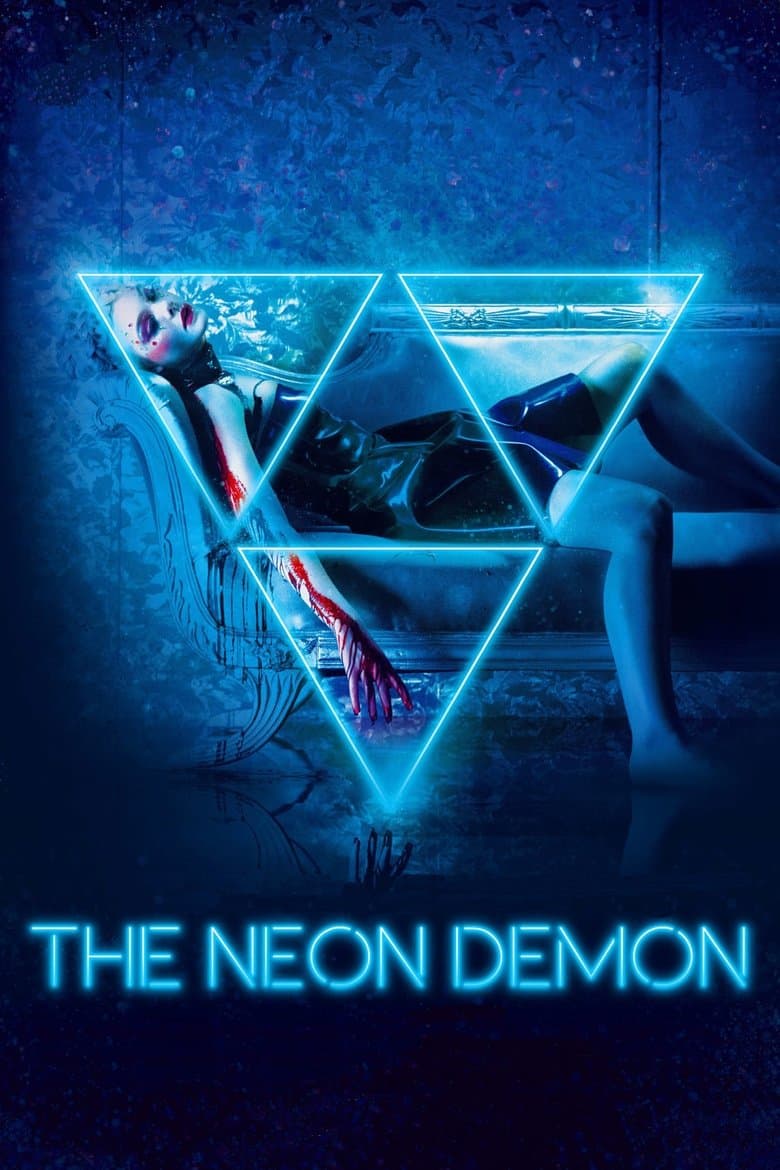
Sixteen-year-old Jesse arrives in Los Angeles hoping to become a model. Photographers and agents quickly fixate on her natural youth and beauty. She is signed and pulled into a world of older models and industry figures who treat her looks as a prize. Envy and exploitation grow around the special quality others think she has. The story turns fashion world narcissism into stylized cannibal horror about beauty that others try to steal, absorb, or destroy.
The film is driven by female rivalry and industry predation more than modern identity politics messaging. Beauty and youth work as currency in an allegory of consumption. Ruby’s lesbian desire, her forced advance on Jesse, and a necrophilia scene are clear plot pieces that audiences can see. Predatory men and a devouring beauty culture also appear on screen. Gendered competition and beauty as power sit at the center, while race ideology and social justice slogans do not.
Community feedback
Was our 32% Woke rating accurate?
Breakdown
These are the editorial factors and ratings behind our score for The Neon Demon.
Woke representation / casting
The cast is mostly women because the story is set in fashion modeling and the director wanted a women-centered horror after films about violent men. The leads are not cast as a race or identity quota grid. Brief appearances by Jamie Clayton and Jodie Turner-Smith stay minor and are not sold as diversity messaging. The mild score reflects the deliberate all-women creative pitch, not engineered multiracial casting.
18%
Woke political dialogue
There is almost no activist or identity-politics speech. The sharpest talk is Sarno’s cold claim that beauty is the only true value. That line is aesthetic nihilism about fashion. It is not progressive slogans about race, gender systems, or DEI.
5%
Identity-driven story themes
The core story is beauty, youth, envy, and cannibalistic consumption in fashion as an allegory of narcissism and industry predation. It is not race or modern social-justice ideology. Female rivalry and beauty as power sit front and center. Ruby’s lesbian desire, attempted assault, and necrophilia are clear LGBTQ elements that audiences can see, even though the film is not a queer-centered project.
38%
Western institutional / cultural critique
The film shows the fashion machine and lecherous men such as the motel owner and a photographer as predatory toward young women. Beauty culture looks empty and devouring. That reads as industry satire and genre villainy. It is not a sustained activist attack on Western institutions, capitalism as a system, Christianity, or patriarchy in current political language.
22%
Woke character or canon changes
Not relevant. Original screenplay with no established characters, franchise canon, or historical figures rewritten along identity lines.
0%
Anti-woke backlash and complaints
Not present. Public fight was over graphic content, alleged misogyny or exploitation, and style versus substance. Complaints that the film is not feminist enough or bad for queer representation do not count here. No meaningful right-leaning or anti-woke campaign branded it as woke or DEI propaganda.
0%
Creator track record context
Lead director Refn rejects political readings and treats the work as aesthetic provocation. Co-writers Stenham and Laws and cinematographer Braier bring moderate progressive or gender-aware résumés. Producer Børglum is largely industry and finance. Overall supporting context is mildly progressive around a non-activist director whose film does not run as an identity-politics vehicle.
18%
Production
Movie · 2025
Following the death of their father, a brother and sister are sent to live with a foster mother, only to learn that she is hiding a terrifying secret.
Movie · 2024
A live broadcast of a late-night talk show in 1977 goes horribly wrong, unleashing evil into the nation's living rooms.
Movie · 2023
Eight year old Peter is plagued by a mysterious, constant tapping from inside his bedroom wall—one that his parents insist is all in his imagination.
Movie · 2023
Still reeling from the tragic death of their mother, a teenage girl and her younger sister find themselves plagued by a sadistic presence in their house and struggle to get their…
Movie · 2016
Lorraine and Ed Warren travel to north London to help a single mother raising four children alone in a house plagued by malicious spirits.
Movie · 2016
In 1630, a farmer relocates his family to a remote plot of land on the edge of a forest where strange, unsettling things happen.
Movie · 2017
Several years after the tragic death of their little girl, a doll maker and his wife welcome a nun and several girls from a shuttered orphanage into their home, soon becoming the…
Movie · 2026
After breaking the mysterious "One Wish Willow" to win his crush's heart, a hopeless romantic finds himself getting exactly what he asked for but soon discovers that some desires…
