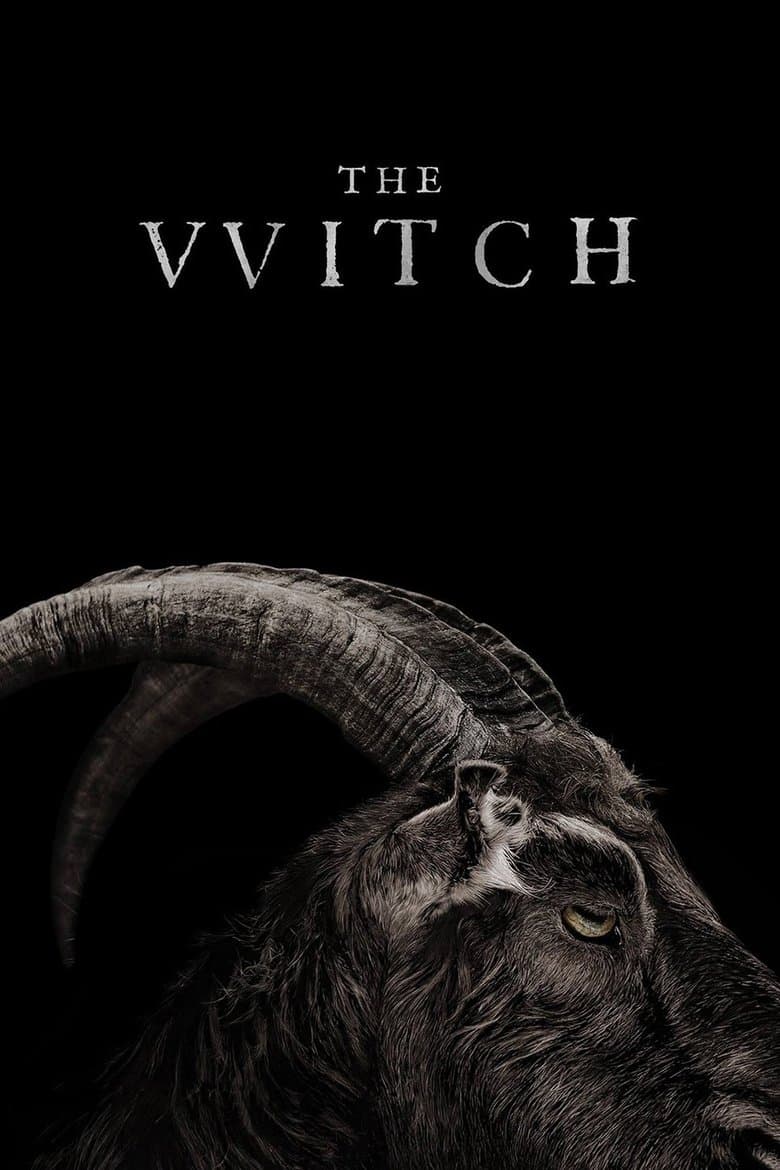
In the 1630s in New England, a Puritan family is cast out of their village after a fight over faith. Father William leads his wife and children to a lonely farm at the edge of the woods. Soon their baby disappears, the crops fail, and fear of a witch grows fast. The mood is slow, dark, and full of dread. Love and trust inside the family begin to break down as each new loss makes them more afraid of one another.
Teen daughter Thomasin is watched and blamed as the trouble spreads through the household. Real witchcraft, hunger, and a goat called Black Phillip push the family toward ruin. Thomasin finally speaks with the Devil, signs his book, and rises into the trees with a coven of witches. The film is about sin, fear, faith, and evil that feels real inside an old New England world. On screen it plays as dark folk horror rather than a modern identity speech, even though some later talk linked her path to female power.
Community feedback
Was our 8% Woke rating accurate?
Breakdown
These are the editorial factors and ratings behind our score for The Witch.
Woke representation / casting
Not present. Casting is period-accurate with no forced diversity or identity signaling.
0%
Woke political dialogue
Not present. No political or ideological dialogue exists.
0%
Identity-driven story themes
Thomasin is blamed for the family’s pain as she grows into a young woman. At the end she leaves their faith, signs with the Devil, and joins free witches. The director and some marketing later linked that path to female power. On screen it still plays as dark folk horror and real evil, not a modern identity speech.
12%
Western institutional / cultural critique
Not present in this title.
0%
Woke character or canon changes
Not present in this title.
0%
Anti-woke backlash and complaints
Not present in this title.
0%
Creator track record context
Robert Eggers wrote and directed the film, with a low record for identity-driven politics and a focus on period craft. Producer Daniel Bekerman has spoken more strongly for diversity in wider film work. Other key producers show little activist history. The main creative voice is not known for pushing social-justice stories.
12%
Production
Movie · 2022
Inspired by the true story of a family who believed they were possessed by spirits. This film follows a woman who must protect her child from a curse.
Movie · 2024
A gothic tale of obsession between a haunted young woman and the terrifying vampire infatuated with her, causing untold horror in its wake.
Movie · 2016
Lorraine and Ed Warren travel to north London to help a single mother raising four children alone in a house plagued by malicious spirits.
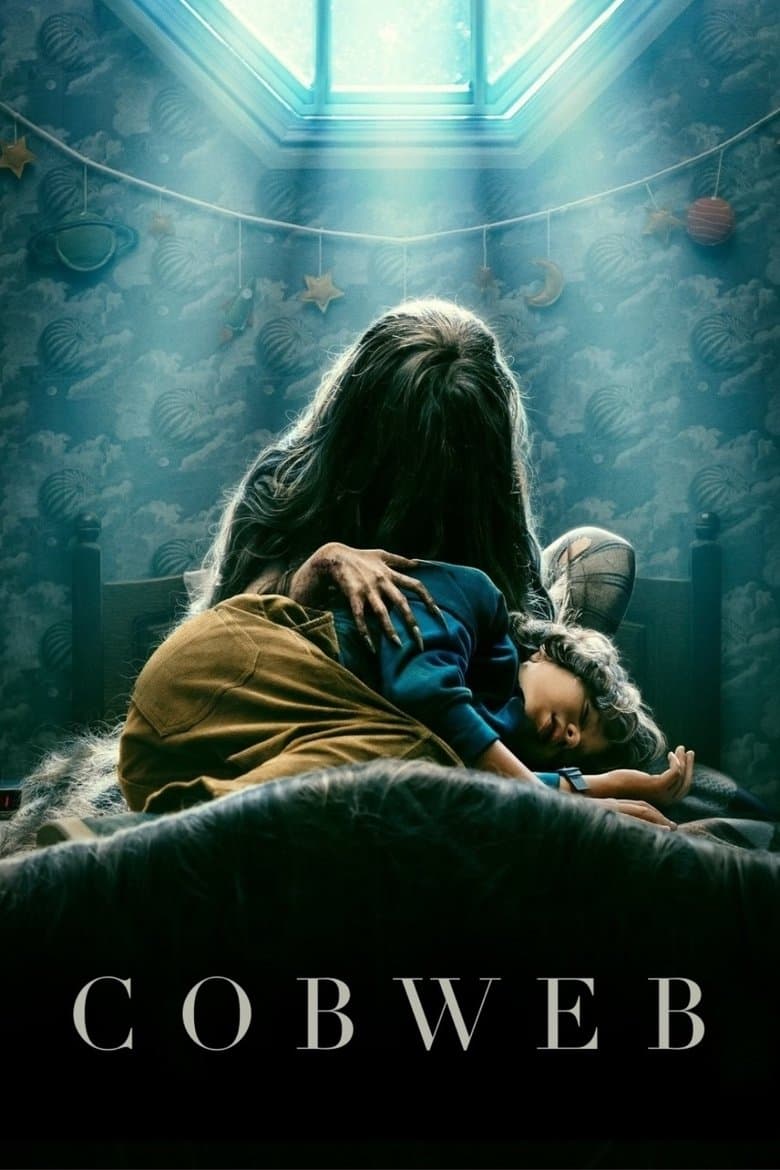
Movie · 2023
Eight year old Peter is plagued by a mysterious, constant tapping from inside his bedroom wall—one that his parents insist is all in his imagination.
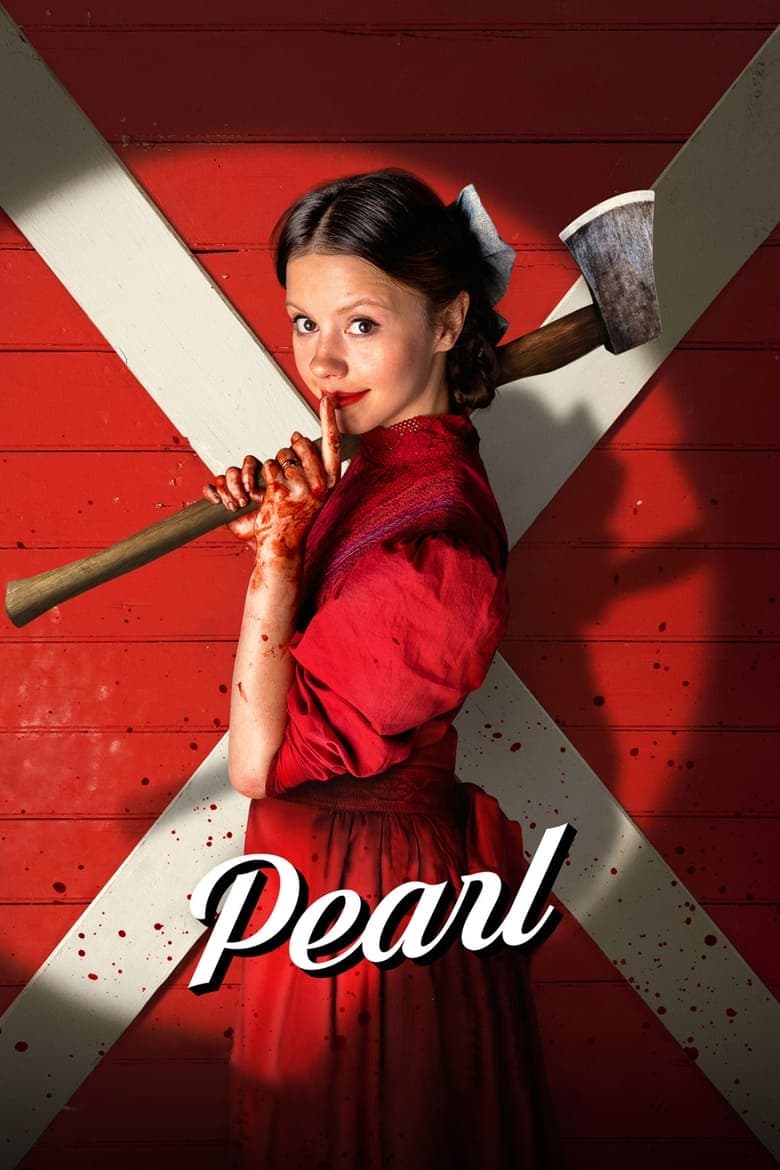
Movie · 2022
Trapped on her family’s isolated farm, Pearl must tend to her ailing father under the bitter and overbearing watch of her devout mother.
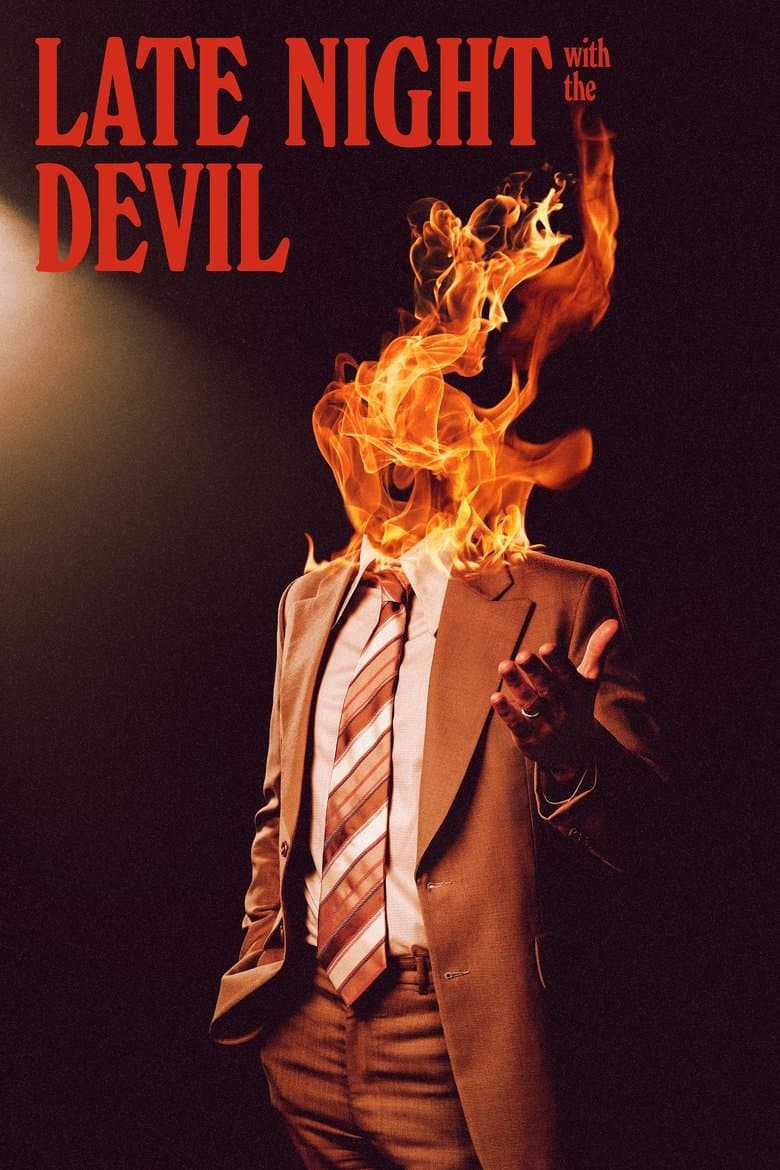
Movie · 2024
A live broadcast of a late-night talk show in 1977 goes horribly wrong, unleashing evil into the nation's living rooms.
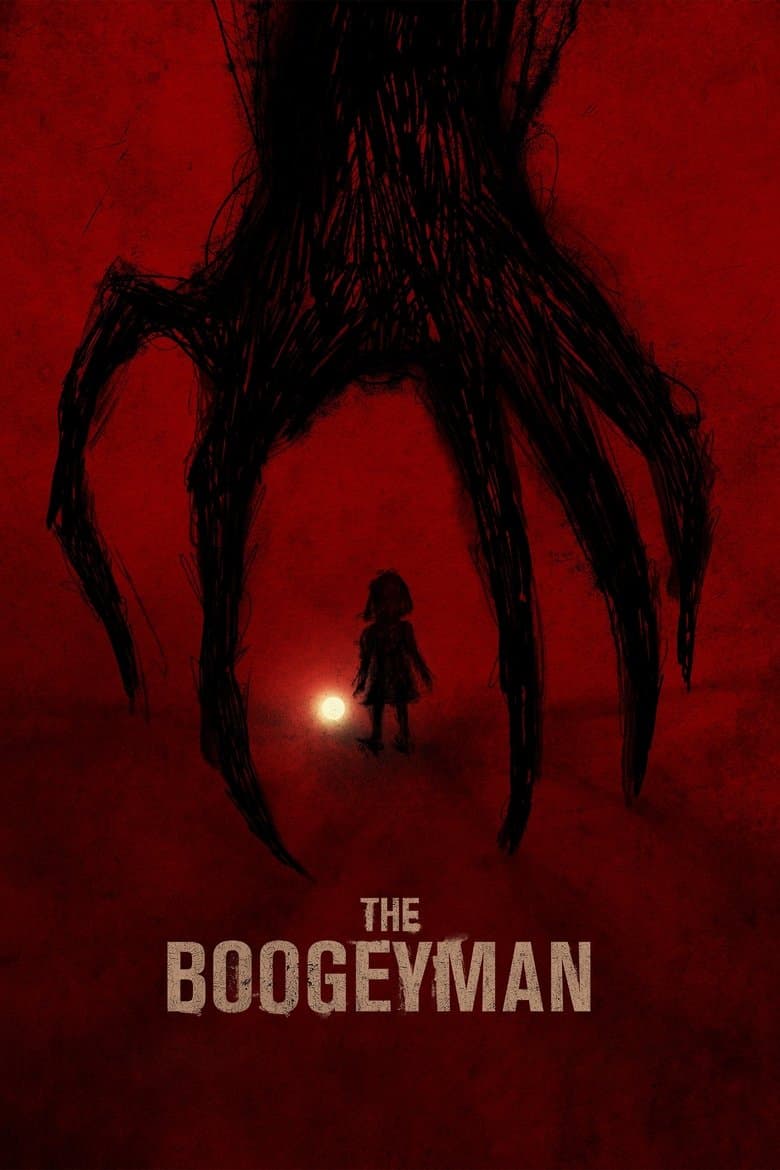
Movie · 2023
Still reeling from the tragic death of their mother, a teenage girl and her younger sister find themselves plagued by a sadistic presence in their house and struggle to get their…
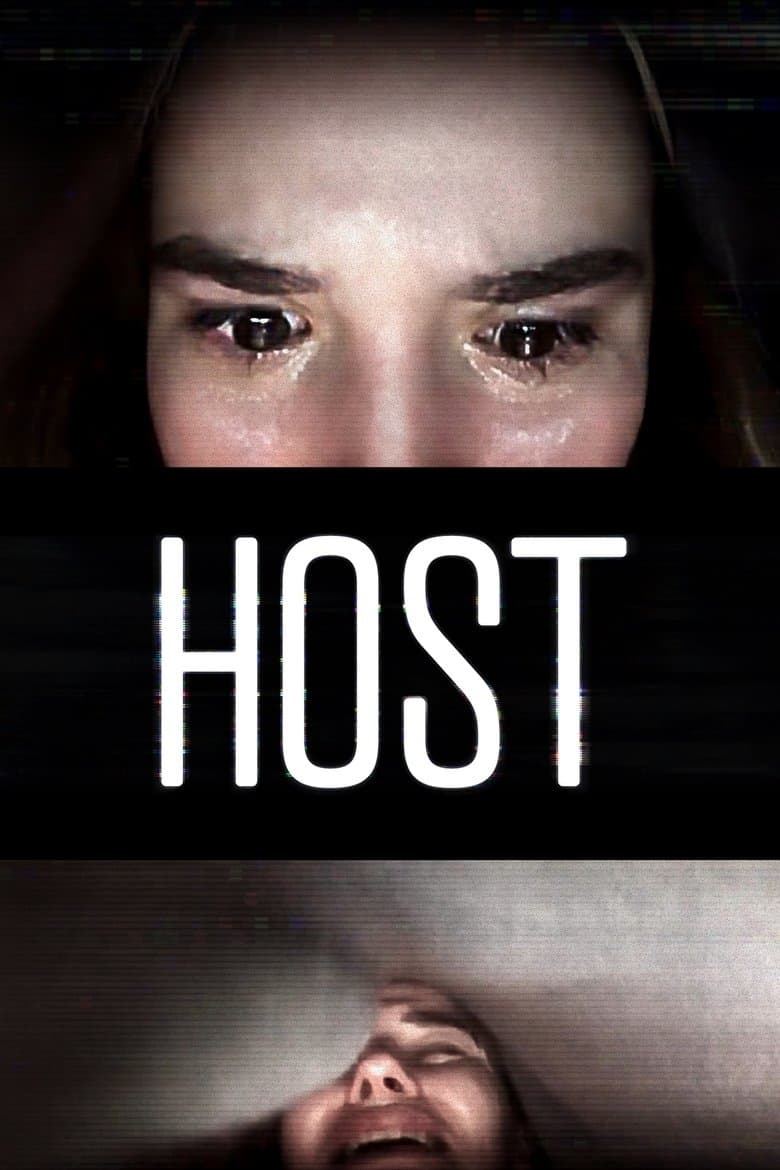
Movie · 2020
Six friends hire a medium to hold a séance via Zoom during lockdown — but they get far more than they bargained for as things quickly go wrong.
