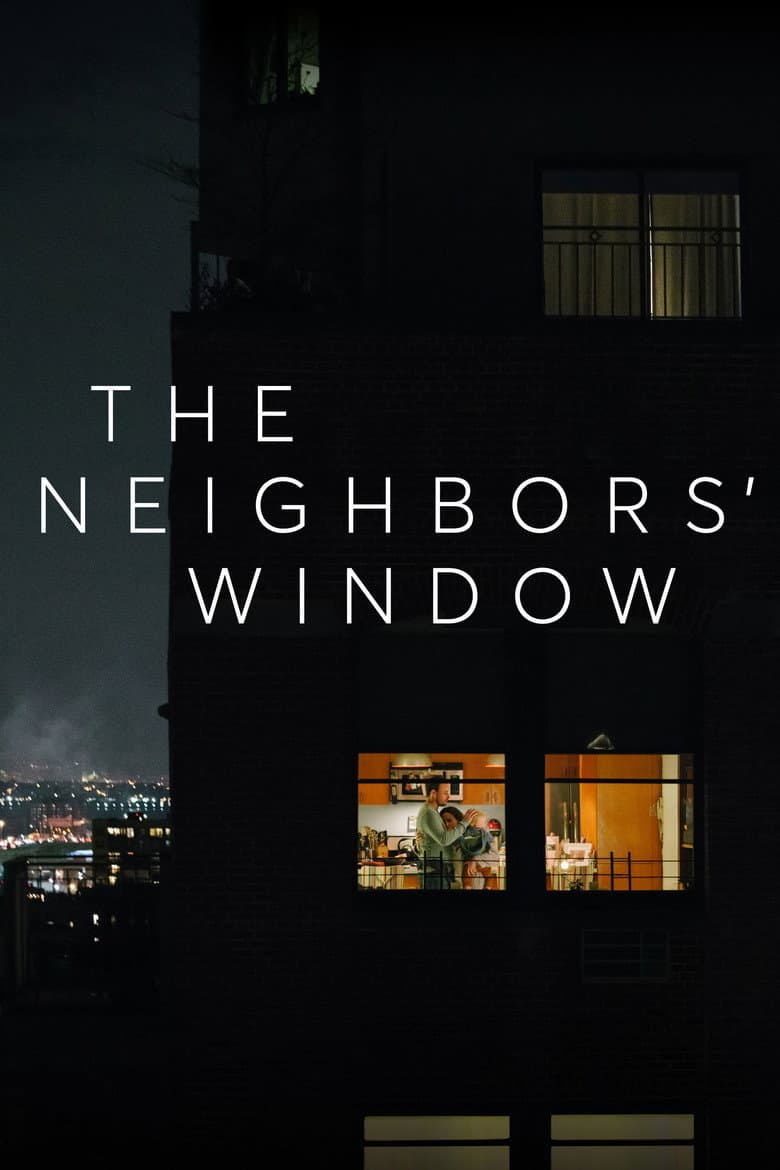
Alli lives in New York with Jacob and their three young children. She feels worn down by childcare, nursing, poor sleep, and the loss of the freedom she had when she was younger. Across the street, a young couple seems to enjoy sex, parties, and an easy life, so Alli and Jacob watch them through their window. The film begins as a funny and awkward look at marriage and spying, then turns sad when the young woman’s husband becomes seriously ill and dies.
The story gives special attention to the unfair split of family work between Alli and Jacob. The film shows how motherhood, aging, and a changing body can make a person feel unseen, but it treats these problems as part of one marriage rather than as a public political fight. The ending changes the meaning of the spying when the young widow says that her sick husband found comfort in watching Alli’s family. The story ends with grief, empathy, and a renewed love for ordinary family life.
Community feedback
Was our 19% Woke rating accurate?
Breakdown
These are the editorial factors and ratings behind our score for The Neighbors' Window.
Woke representation / casting
Not present. The film centers on ordinary New York couples, and it does not present casting as an identity statement. A brief party guest does not shape the story.
0%
Woke political dialogue
Not present. Alli complains about childcare, nursing, aging, and Jacob’s time with friends. Her words describe a private marriage fight, not a modern activist or identity speech.
0%
Identity-driven story themes
Alli’s story gives repeated attention to motherhood, nursing, poor sleep, aging, and changes in her body. The film shows her anger at Jacob’s freedom while she handles much of the childcare. The conflict stays personal and does not become a wider political message.
14%
Western institutional / cultural critique
The film briefly shows traditional family roles as tiring for Alli when she handles childcare and nursing while Jacob relaxes with friends. The conflict remains inside one marriage and does not become a broad attack on men, marriage, religion, or Western institutions.
10%
Woke character or canon changes
Not relevant. The film is an original fiction short based on a podcast account, not a story about established characters or historical figures. It does not change a known character’s identity or role.
0%
Anti-woke backlash and complaints
Not present. News, reviews, Reddit posts, and audience pages discuss family life, voyeurism, grief, and the Oscar. No clear anti-woke, DEI, or identity-politics complaint was tied to this film.
0%
Creator track record context
Marshall Curry’s cached score is 55 because his documentaries often examine politics, activism, race, and challenges to power. Julia Kennelly’s cached score is 50 because she often supports stories about underrepresented people. Jonathan Olson’s cached score is 45 because of repeated work with socially aware productions. Elizabeth Martin’s cached score is 20 and adds little political signal. This background raises context, but the film stays a personal family drama.
45%
Production
Movie · 2016
WWII American Army Medic Desmond T. Doss, who served during the Battle of Okinawa, refuses to kill people and becomes the first Conscientious Objector in American history to…
Movie · 2016
In a desolate war zone where screams of the innocent echo, on the very line between disaster and valor, 7 Maroon Berets will dance with death.
Movie · 2026
While people across 1990s Iraq struggle to survive the war and food shortages, Saddam Hussein requires each school in the country to prepare a cake to celebrate his birthday.
Movie · 2019
Richard Jewell thinks quick, works fast, and saves hundreds, perhaps thousands, of lives after a domestic terrorist plants several pipe bombs and they explode during a concert…
Movie · 2020
A man refuses all assistance from his daughter as he ages and, as he tries to make sense of his changing circumstances, he begins to doubt his loved ones, his own mind and even…
Movie · 2023
American ballet dancer Joy Womack is accepted into Moscow's infamously tough Bolshoi Ballet Academy, with the dream of becoming a great ballerina.
Movie · 2016
After his older brother passes away, Lee Chandler is forced to return home to care for his 16-year-old nephew.
Movie · 2022
Based on a true tragedy, the emotionally triggering film sheds light on the plight of Kashmiri Pandits (Hindus), a religious minority in the 1990s Kashmir valley, who were…
