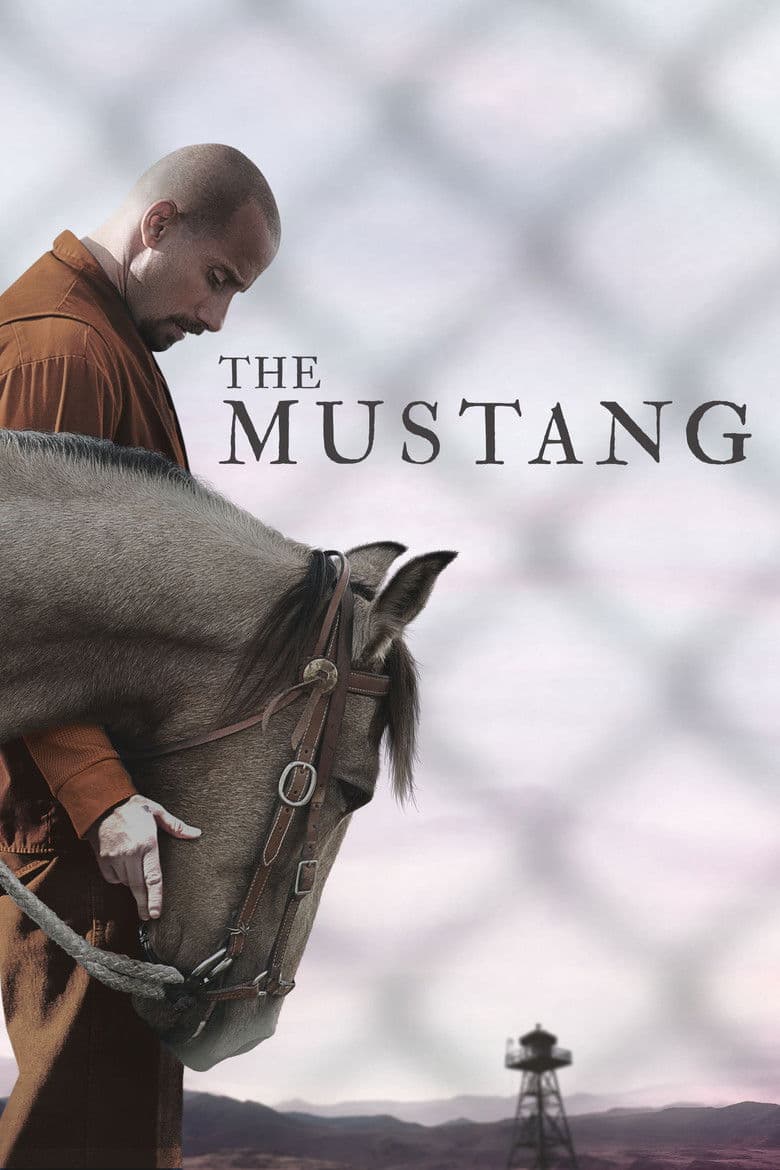
The Mustang is a quiet prison drama set in the dry Nevada desert. Roman Coleman has spent years in isolation after a violent attack left his former partner badly injured. A prison worker puts him in a program where inmates train wild horses for auction. Roman struggles with his anger, his fellow prisoners, and his pregnant daughter while he tries to calm a fierce horse named Marquis. The film feels harsh, patient, and sad, but it leaves room for hope.
The film gives a clear message in favor of rehabilitation, anger classes, and restorative justice. A group session asks inmates to face the harm they caused, feel empathy, and understand the power of an apology. The prison is shown as a place that can isolate people, while care and useful work can help them change. The story also links the freedom of wild horses with the inner freedom Roman slowly regains, but it stays focused on his guilt, fatherhood, and bond with the animal rather than current race, gender, or queer politics.
Community feedback
Was our 30% Woke rating accurate?
Breakdown
These are the editorial factors and ratings behind our score for The Mustang.
Woke representation / casting
Not present. The cast includes a black fellow inmate and a female psychologist, but both fit a modern Nevada prison. The film does not frame these choices as a diversity message.
0%
Woke political dialogue
The film includes a short restorative justice class. The teacher asks inmates to face the harm they caused, feel empathy, and understand the power of an apology. The class directly supports rehabilitation, but it does not discuss race, gender, DEI, or current party politics.
23%
Identity-driven story themes
Not present. Roman’s change is about violence, guilt, fatherhood, patience, and care for a horse. The film does not build the story around race, sex, queer identity, or DEI.
0%
Western institutional / cultural critique
The film shows prison as a harsh system that can leave men isolated and angry. Roman is pushed toward useful work, therapy, and restorative justice instead of being treated as only a criminal. The story presents care and rehabilitation as better tools for change than punishment alone. It still accepts Roman’s guilt and does not become a broad attack on Western culture, religion, or family life.
30%
Woke character or canon changes
Not relevant. The film is an original story inspired by real prison horse programs. It does not change an established character, canon, or real historical figure.
0%
Anti-woke backlash and complaints
Not present. The supplied X pass found no anti-woke reaction, and web searches found no specific complaint that the film pushes woke or identity politics. Audience posts mostly praise the redemption story and horse bond.
0%
Creator track record context
Laure de Clermont-Tonnerre has a cached score of 67/100 and a history of feminist and queer themes. Mona Fastvold has a cached score of 63/100 from similar work. Brock Norman Brock has 0/100, while Robert Redford has 32/100 for environmental and native rights activity. This gives the project moderate creator-context weight, but the film itself does not center identity politics.
46%
Production
Movie · 2022
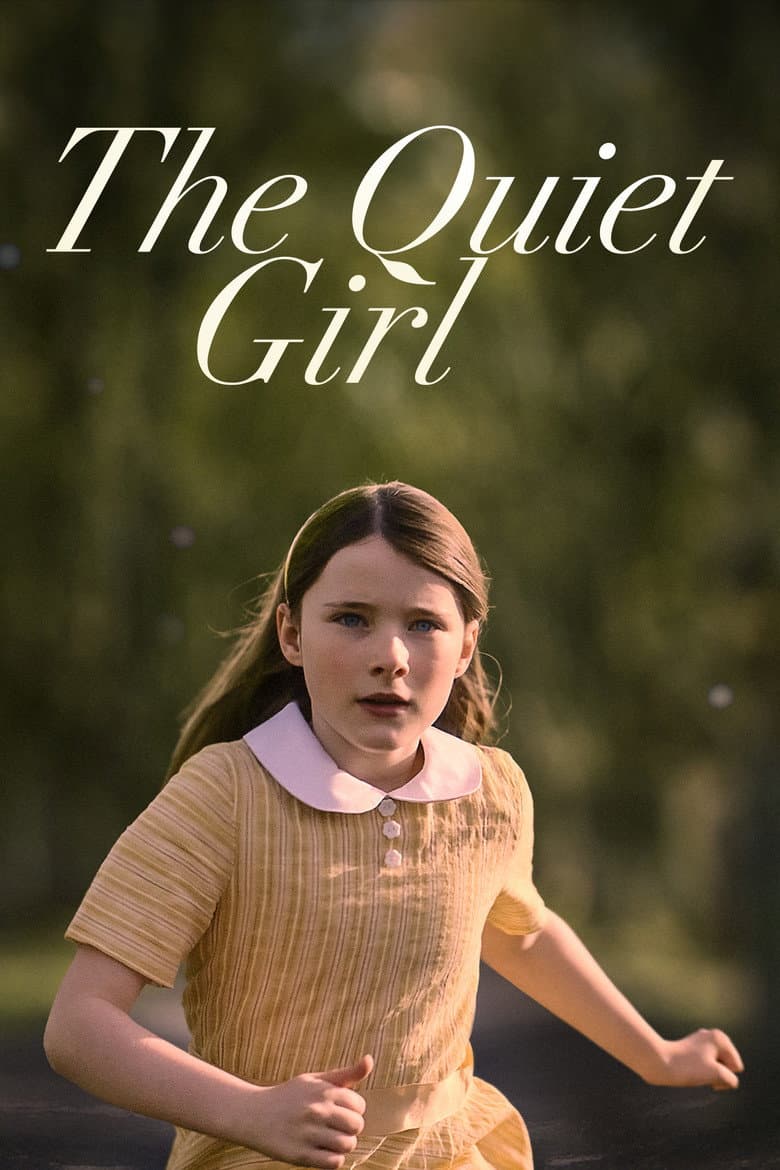
A quiet, neglected girl is sent away from her dysfunctional family to live with relatives for the summer. She blossoms in their care, but in this house where there are meant to be…

Movie · 2017
In 1950, amidst the ravages of the Korean War, Sergeant Süleyman stumbles upon a a half-frozen little girl, with no parents and no help in sight and he risks his own life to save…
Movie · 2016
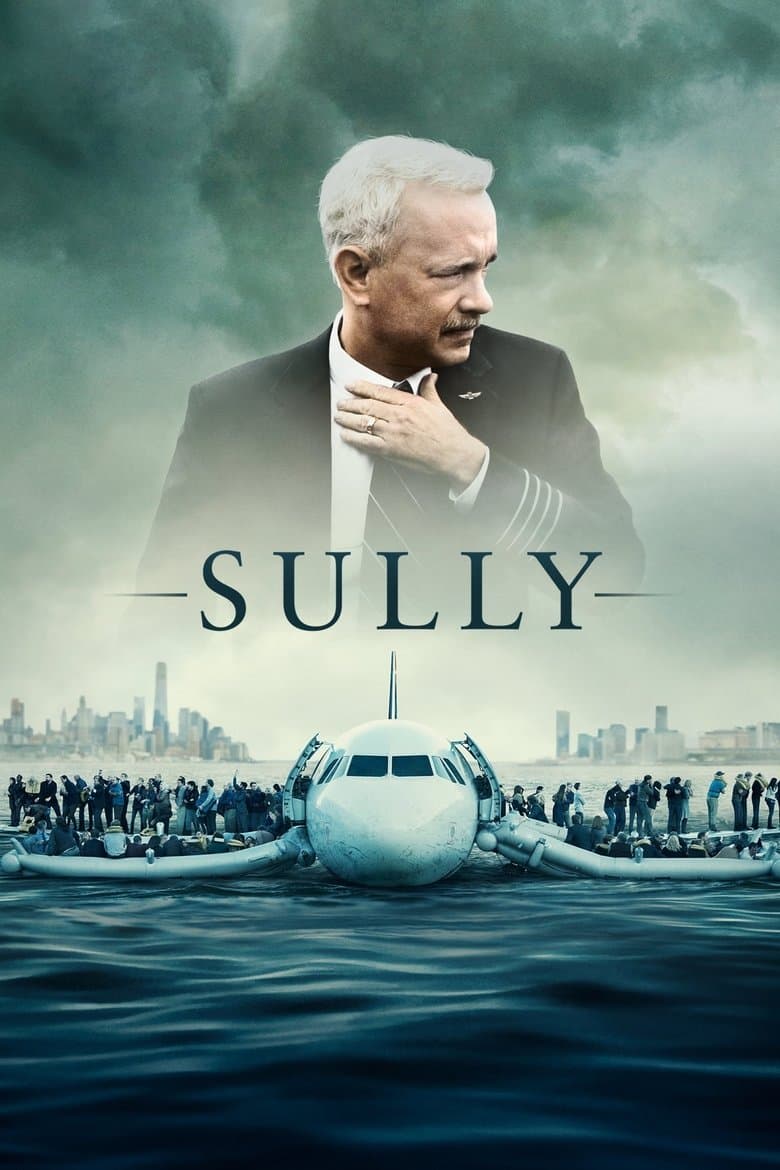
On 15 January 2009, the world witnessed the 'Miracle on the Hudson' when Captain 'Sully' Sullenberger glided his disabled plane onto the Hudson River, saving the lives of all 155…
Movie · 2016
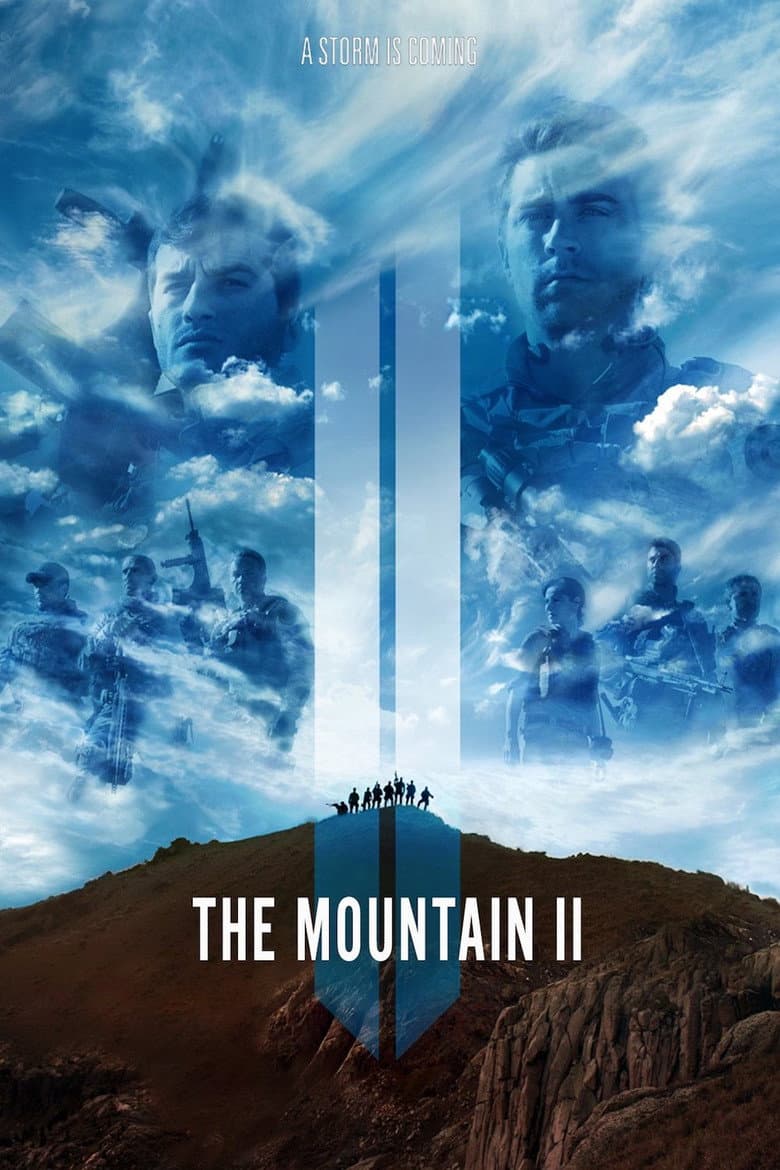
In a desolate war zone where screams of the innocent echo, on the very line between disaster and valor, 7 Maroon Berets will dance with death.

Movie · 2023
The true story of the inseparable Von Erich brothers, who made history in the intensely competitive world of professional wrestling in the early 1980s.

Movie · 2026
While people across 1990s Iraq struggle to survive the war and food shortages, Saddam Hussein requires each school in the country to prepare a cake to celebrate his birthday.
Movie · 2020
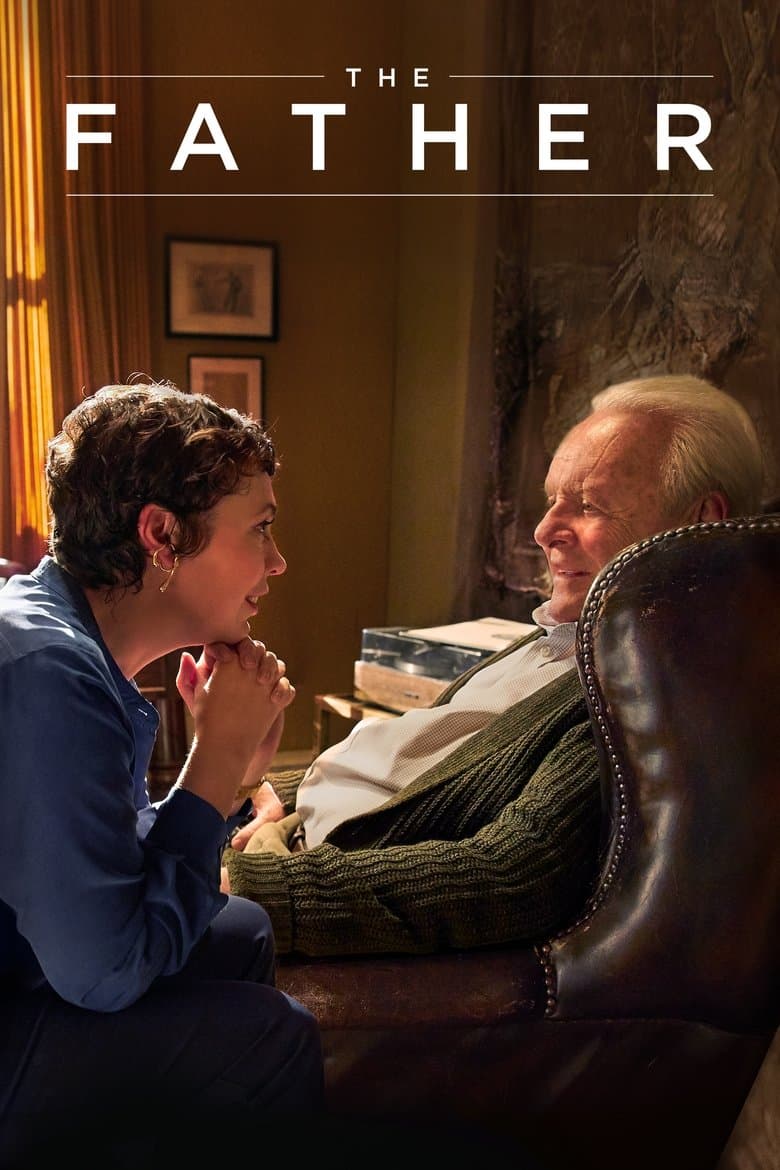
A man refuses all assistance from his daughter as he ages and, as he tries to make sense of his changing circumstances, he begins to doubt his loved ones, his own mind and even…

Movie · 2016
After his older brother passes away, Lee Chandler is forced to return home to care for his 16-year-old nephew.
