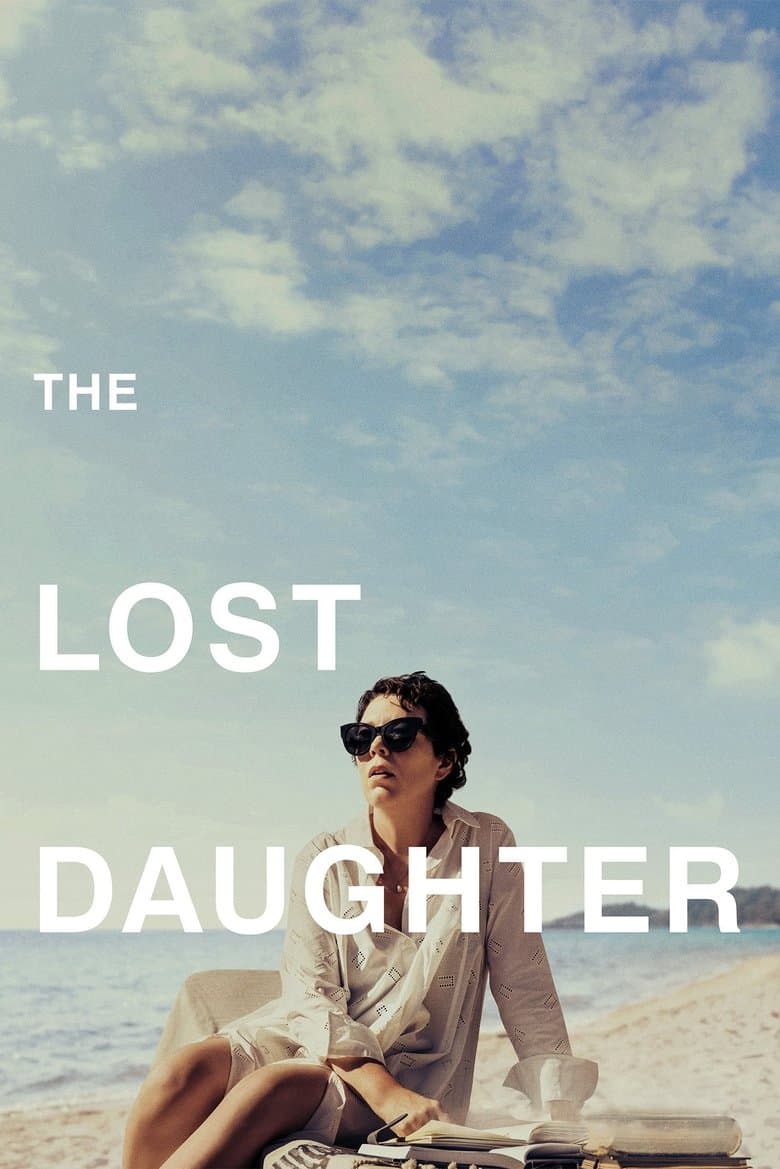
Leda is a middle-aged professor on a beach holiday in Greece. She becomes fixed on a young mother named Nina and Nina’s little girl. The quiet trip turns tense and strange as Leda’s past comes back. Flashbacks show how hard it was for her as a young mom. The mood is slow, dark, and uneasy.
The story centers on mothers who feel trapped, tired, and angry. Leda says children are a “crushing responsibility” and that leaving her daughters for years felt “amazing.” The film pushes hard on the idea that mother love is not automatic, and that some women want their own lives more than caretaking. That message about women, guilt, and family roles is the whole spine of the movie and easy to notice. There is no heavy race or diversity casting push. Attraction between Leda and Nina is charged but not a clear, stated queer plot. Public “too woke” backlash was light. This is a feminist motherhood drama, not a broad DEI checklist film.
Community feedback
Was our 54% Woke rating accurate?
Breakdown
These are the editorial factors and ratings behind our score for The Lost Daughter.
Woke representation / casting
Lead and main roles are mostly white European/American women and men in a Greece holiday story. No clear race-swap, quota, or identity-first casting pattern. Diversity is incidental, not the point.
0%
Woke political dialogue
Key lines hit motherhood as a “crushing responsibility,” Leda as an “unnatural” mother, and leaving her kids as feeling “amazing.” That is sharp and feminist-leaning, but not long activist speeches about race, DEI, or modern party politics.
45%
Identity-driven story themes
The whole film is about women’s identity under motherhood pressure: guilt, rage, career vs kids, and rejecting the “perfect mom” ideal. That gender/family theme is hard to miss. It is personal and literary more than a race or queer-identity campaign.
62%
Western institutional / cultural critique
It questions traditional ideas that mothers must be selfless, always happy, and natural caregivers. Husbands can look clueless or controlling. It does not slam churches, the West, or capitalism as systems; the target is mother-role rules and social shame.
42%
Woke character or canon changes
Not relevant. Changes from the book (names, nationalities, setting details) read as normal adaptation, not identity-driven rewrites of known icons or history.
0%
Anti-woke backlash and complaints
Some faith and family-values pushback against “anti-mother” or leave-your-kids framing. No large, sustained anti-woke campaign calling it DEI propaganda. Score stays low.
15%
Creator track record context
Cached listed directors/producers score 0 for activist track records. Title interviews leaned on women’s stories and mother taboos; that is mild supporting context, not a heavy identity-politics career pattern from the cached names.
12%
Production

Movie · 2024
On the brink of the Second World War, a young Norwegian man's drive to resist the Nazis sets a new course for his future – and the future of his country.
Movie · 2019
Richard Jewell thinks quick, works fast, and saves hundreds, perhaps thousands, of lives after a domestic terrorist plants several pipe bombs and they explode during a concert…

Movie · 2016
After his older brother passes away, Lee Chandler is forced to return home to care for his 16-year-old nephew.

Movie · 2023
The true story of the inseparable Von Erich brothers, who made history in the intensely competitive world of professional wrestling in the early 1980s.
Movie · 2020
A man refuses all assistance from his daughter as he ages and, as he tries to make sense of his changing circumstances, he begins to doubt his loved ones, his own mind and even…
Movie · 2022
Based on a true tragedy, the emotionally triggering film sheds light on the plight of Kashmiri Pandits (Hindus), a religious minority in the 1990s Kashmir valley, who were…
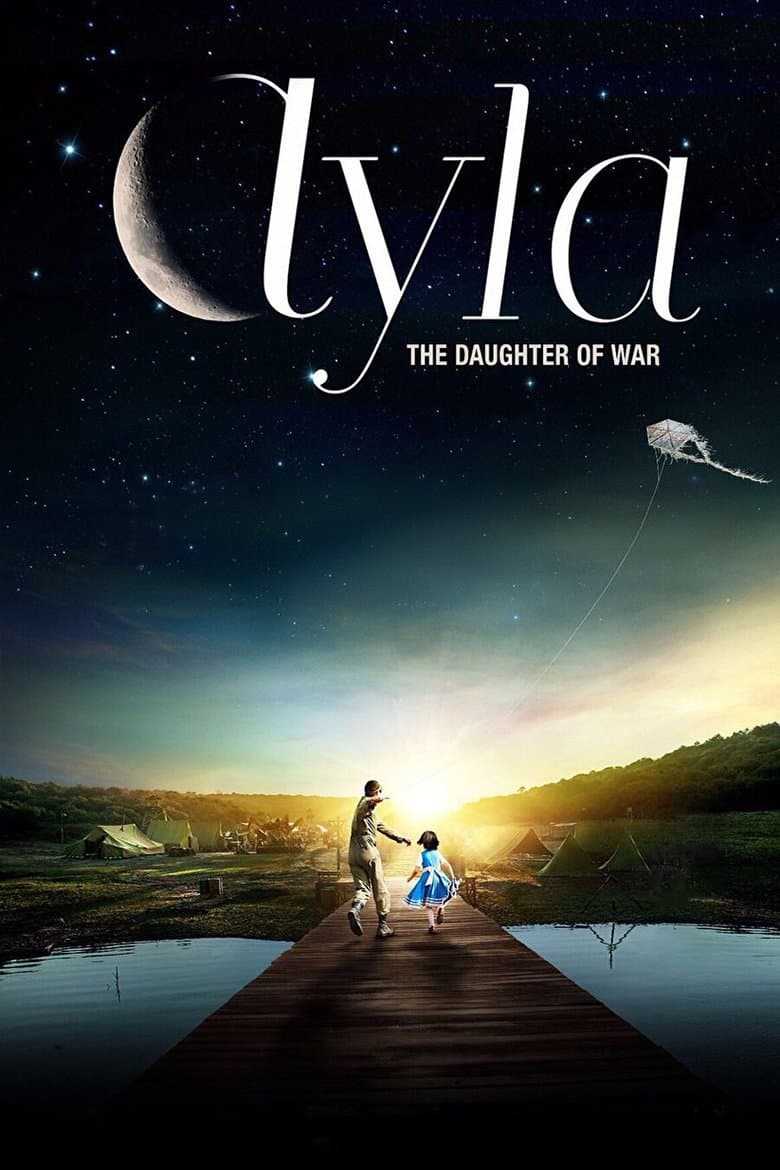
Movie · 2017
In 1950, amidst the ravages of the Korean War, Sergeant Süleyman stumbles upon a a half-frozen little girl, with no parents and no help in sight and he risks his own life to save…
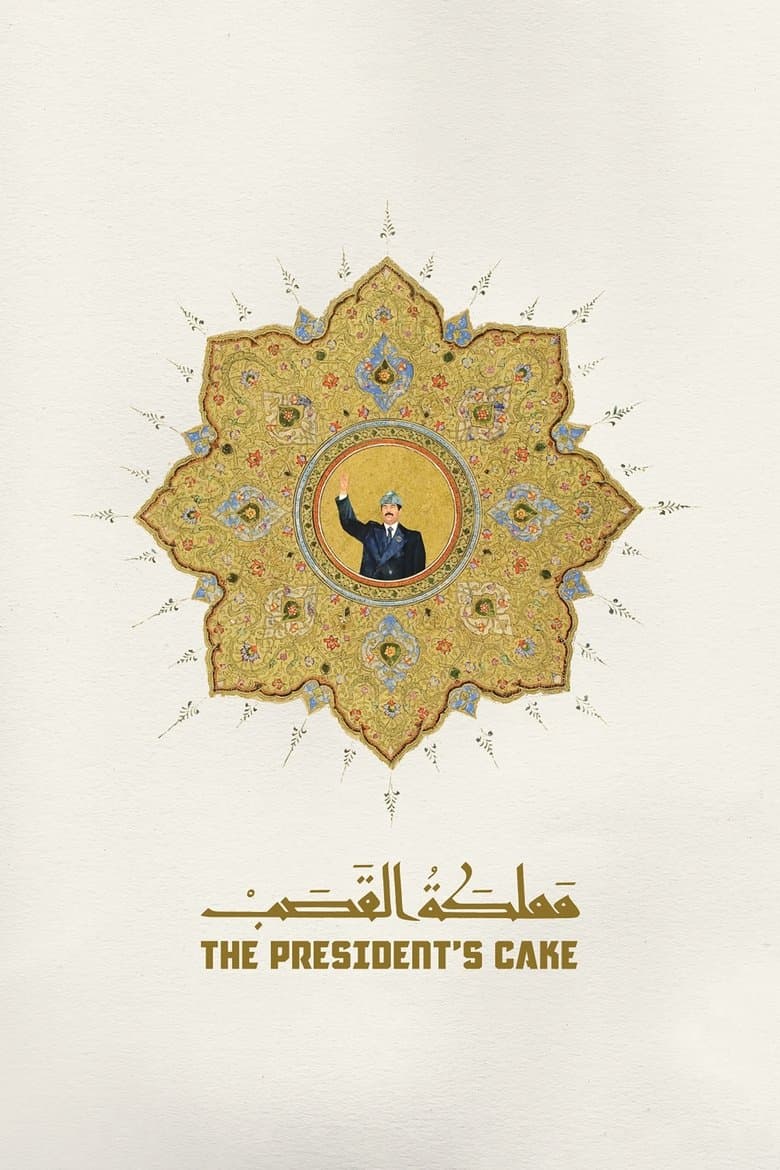
Movie · 2026
While people across 1990s Iraq struggle to survive the war and food shortages, Saddam Hussein requires each school in the country to prepare a cake to celebrate his birthday.
