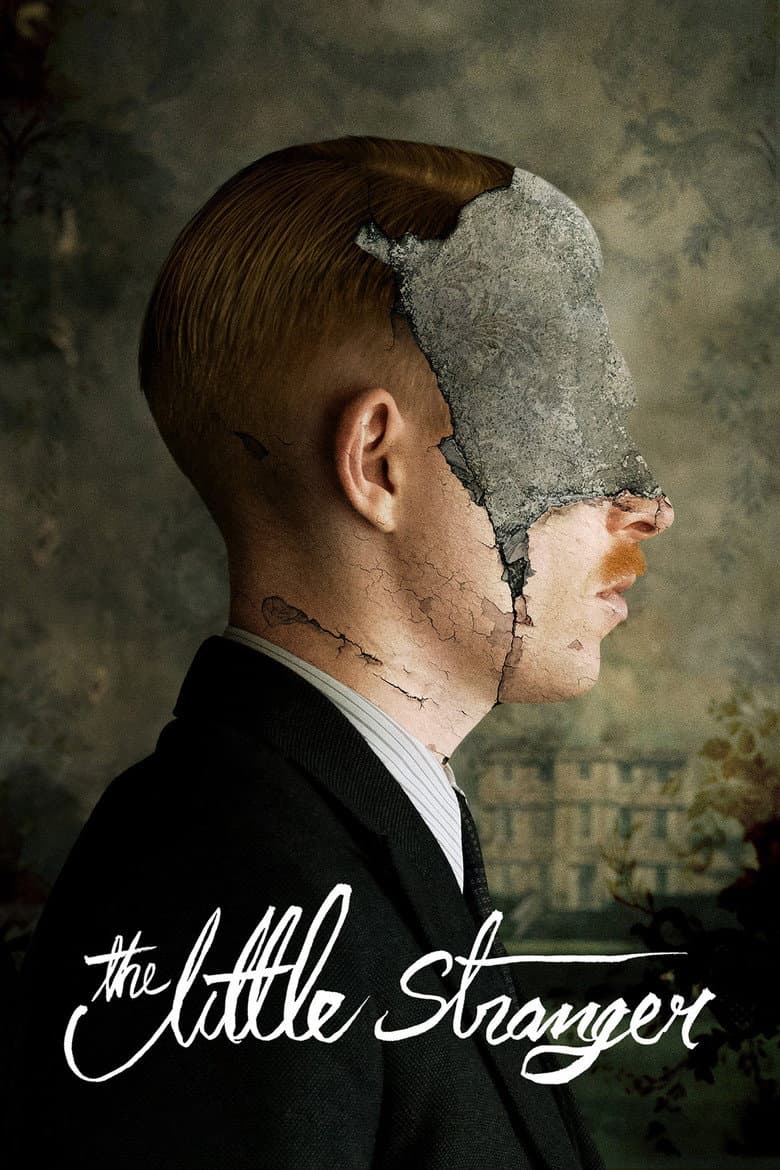
Dr. Faraday is a country doctor whose mother once worked at Hundreds Hall, a grand house in rural Warwickshire. In the summer of 1948, he returns to the house and becomes close to the Ayres family, who are struggling to keep their old home. The family faces strange fires, voices, injuries, and deaths while Faraday searches for a sensible cause. The film uses a slow, cold, and uneasy tone as it mixes a ghost story with a troubled romance and a family drama.
The film gives clear weight to class and to the loss of old social power after the war. Faraday wants the house and the place in society that it represents, and his courtship of Caroline becomes more controlling as she pulls away. Caroline is shown as a capable woman who had freedom and useful work during the war but is pushed back into family duty. The story treats male entitlement, women's limited choices, and the damage caused by rigid class rules as major parts of the horror.
Community feedback
Was our 49% Woke rating accurate?
Breakdown
These are the editorial factors and ratings behind our score for The Little Stranger.
Woke representation / casting
Not present. The main cast is made up of white British and Irish performers in a 1948 rural Warwickshire setting. The film does not use a visible diversity pattern or an identity-first casting message.
0%
Woke political dialogue
Not present. The film has period talk about class, war, medicine, and family duty. It does not include modern identity, DEI, or activist speeches.
0%
Identity-driven story themes
The story repeatedly shows Caroline as smart and capable but trapped by family duty, the old class order, and Faraday’s pressure. Faraday treats marriage as a way to enter Hundreds Hall, and he keeps pushing after Caroline pulls away. The ending connects the haunting to his hidden resentment and desire to possess the house. The film presents male entitlement and women’s limited choices as major parts of the horror.
55%
Western institutional / cultural critique
The story repeatedly shows the old class order and family roles as harmful, especially for Caroline. The decaying manor stands for a social system that keeps people in fixed places. Faraday’s authority and pursuit of Caroline are treated as part of the harm. This is a period critique of class and patriarchy, with only a light link to present politics rather than a sustained modern institutional campaign.
45%
Woke character or canon changes
Not relevant. The film changes plot details and makes the haunting clearer, but those changes are not identity-related. No established character is race- or gender-swapped, and no sexuality change is confirmed.
0%
Anti-woke backlash and complaints
Not present. No anti-woke backlash was found in the reviewed news, audience, or social-media results. Complaints focused on slow pace, weak scares, the ending, and misleading marketing.
0%
Creator track record context
Sarah Waters has a strong history of lesbian and queer stories. Lenny Abrahamson has a milder record tied to social inequality, while Lucinda Coxon has a notable gender-identity adaptation. Several producers and the casting team have mixed or moderate context scores, so the creative background is meaningful but not dominant for this film.
52%
Production
Movie · 2018
The crew of a horror web series travels to an abandoned asylum for a live broadcast, but they encounter much more than expected as they move deeper inside the nightmarish old…
Movie · 2017
Two young women at a prestigious prep school are assailed by an evil, invisible power when they're stranded over winter break.
Movie · 2025
One year after her sister Melanie mysteriously disappeared, Clover and her friends head into the remote valley where she vanished in search of answers.
Movie · 2022
After witnessing a bizarre, traumatic incident involving a patient, Dr. Rose Cotter starts experiencing frightening occurrences that she can't explain.
Movie · 2021
Paranormal investigators Ed and Lorraine Warren encounter what would become one of the most sensational cases from their files.
Movie · 2016
A young nurse takes care of an elderly author who lives in a haunted house.
Movie · 2021
Madison is paralyzed by shocking visions of grisly murders, and her torment worsens as she discovers that these waking dreams are in fact terrifying realities with a mysterious…
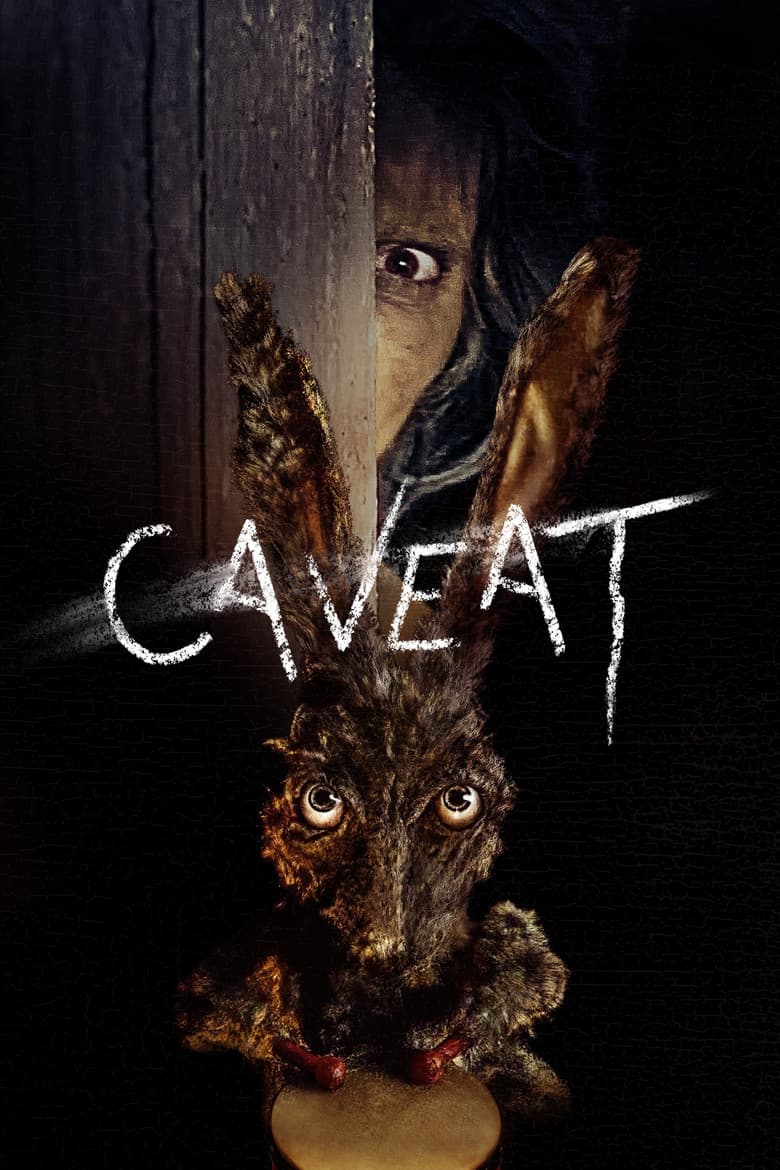
Movie · 2021
A lone drifter suffering from partial memory loss accepts a job to look after a psychologically troubled woman in an abandoned house on an isolated island.
