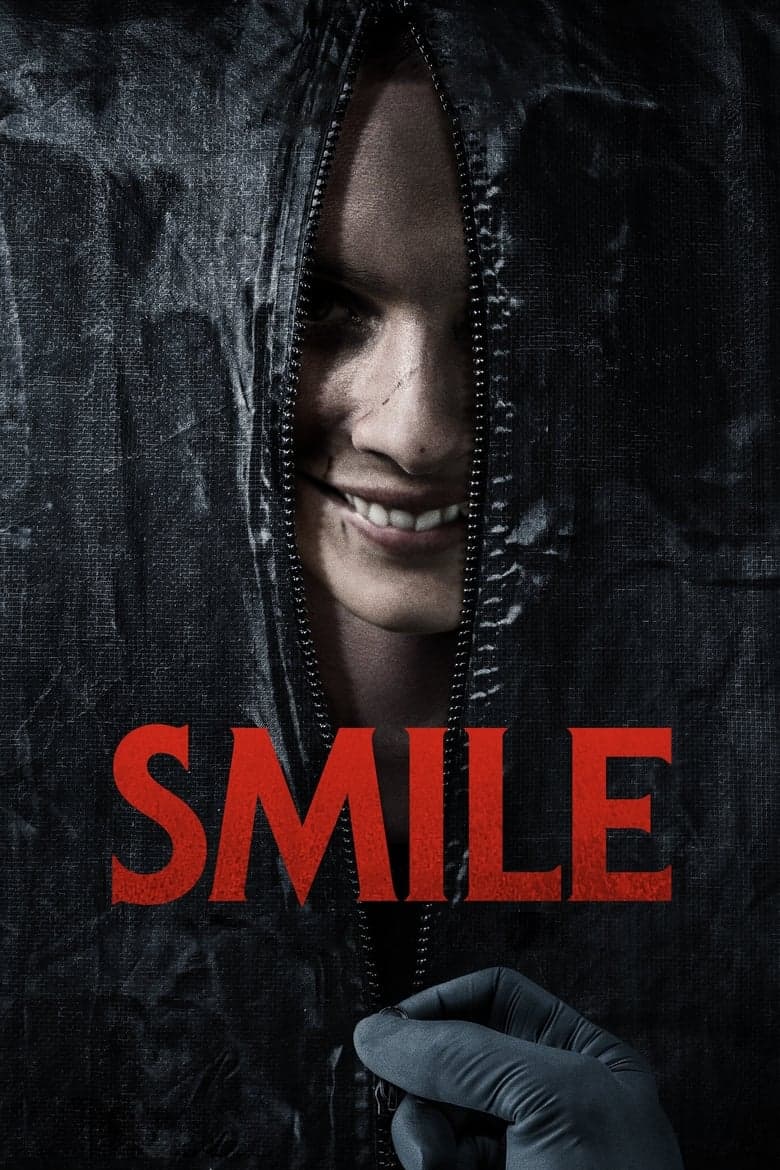
Dr. Rose Cotter is a hard-working therapist at a mental hospital in New Jersey. After a patient kills herself in front of her while wearing a creepy smile, Rose starts seeing smiling people who are not really there. A curse seems to follow her, feeding on pain from the past and pushing people to die by suicide so the next witness is next. The tone is dark, jumpy, and heavy with dread.
The movie is about trauma, fear, and a curse that spreads when someone watches a horrible death. Rose’s past with her mother, her job, and people calling her “crazy” drive the story. Viewers mainly notice scary smiles, jump scares, and a race to break the curse. A mixed-race couple and a mixed supporting cast appear in a modern city setting, but the plot does not turn race, gender politics, or identity lectures into the point. The big themes stay personal: pain that does not heal, mental health stigma, and a monster that feeds on fear.
Community feedback
Was our 18% Woke rating accurate?
Breakdown
These are the editorial factors and ratings behind our score for Smile.
Woke representation / casting
Modern New Jersey setting with a white female therapist lead, a black fiancé, and multiethnic supporting roles (boss, patient contacts, prisoner). Diversity is visible but not sold as a representation campaign, and the story does not use race or “brilliant identity hire” tropes as the hook. Common Sense Media even rates diverse representation as limited.
24%
Woke political dialogue
Lines center on fear, trauma, being called crazy, and the curse rules. There are no activist speeches about race, gender quotas, queer politics, or modern culture-war slogans.
0%
Identity-driven story themes
Core theme is personal and generational trauma passed like a curse, plus mental-health stigma. A light note about a career woman hiding stress exists, but the film does not build a race, gender, or queer-identity message as the main point.
4%
Western institutional / cultural critique
Mild nods to busy hospitals, people dismissing the mentally ill, and a partner who does not fully support Rose. That stays story-level stress, not a big attack on capitalism, the church, “whiteness,” or traditional family as evil systems.
7%
Woke character or canon changes
Not present in this title.
0%
Anti-woke backlash and complaints
No meaningful anti-woke or right-leaning campaign treating the 2022 film as DEI propaganda or identity politics. Public talk stayed on scares, box office, and mental-health handling.
0%
Creator track record context
Key voice is Parker Finn, a horror filmmaker not known for activist identity projects. Most producers score low; one producer (Fishbach, 68) has more social-issue TV history, but that does not define this film’s content.
18%
Production
Movie · 2026
The host of a popular paranormal podcast becomes haunted by terrifying recordings mysteriously sent her way.
Movie · 2017
Law enforcement finds itself chasing the ghost of a man dead for over a decade, embroiled in a diabolical new game that's only just begun.
Movie · 2021
Paranormal investigators Ed and Lorraine Warren encounter what would become one of the most sensational cases from their files.
Movie · 2017
Two young women at a prestigious prep school are assailed by an evil, invisible power when they're stranded over winter break.
Movie · 2024
After the brutal murder of her twin sister, Darcy goes after those responsible by using haunted items as her tools for revenge.
Movie · 2025
A woman's obsessive search for her missing sister leads her into a terrifying mystery at the hands of an unknown evil.

Movie · 2025
Plagued by a violent recurring nightmare, college student Stefanie heads home to track down the one person who might be able to break the cycle and save her family from the grisly…
Movie · 2023
Jess, a newly separated mother and nurse, moves into her old family farmhouse with Tyler, her teenage daughter, and Owen, her eight-year-old son.
