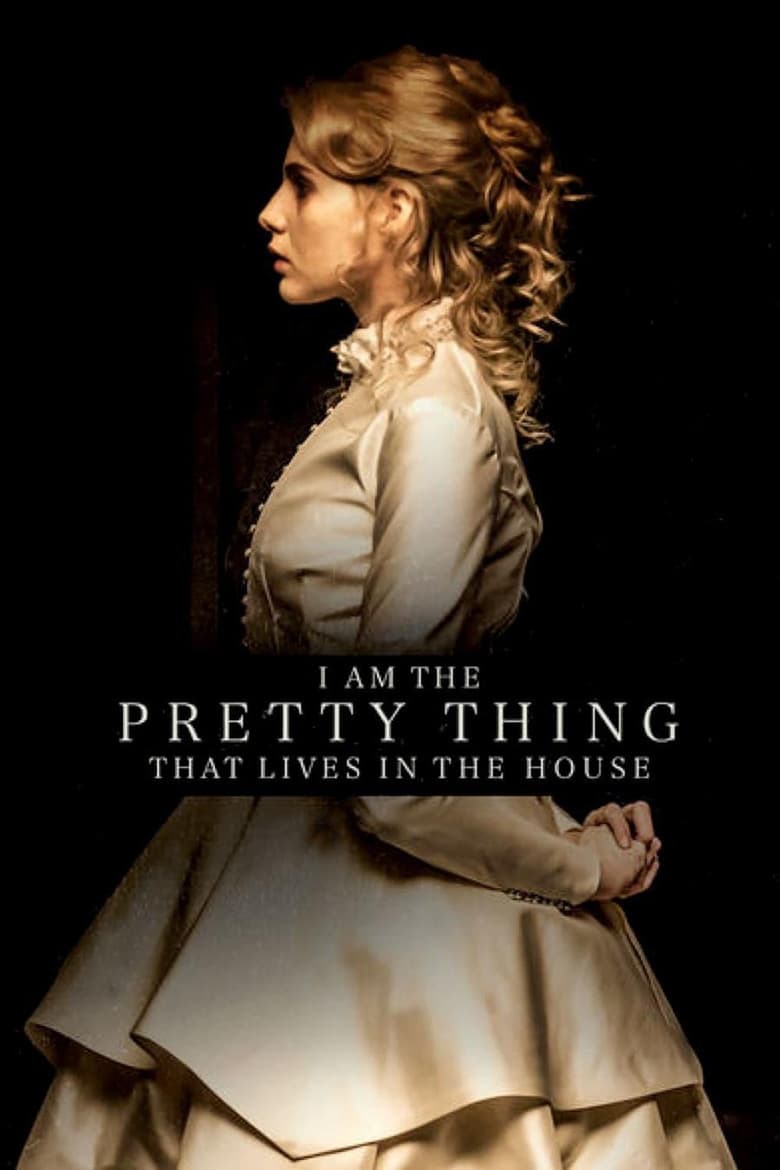
Movie review
Lily is a shy live-in nurse who moves into a quiet old house in Massachusetts to care for Iris, an aging horror writer with memory loss. As the months pass, Lily notices mold, odd sounds, and a ghostly young woman tied to a murder from long ago. The house feels heavy with past deaths, and Lily starts to fear she is part of that story too. The tone is slow, dark, and full of dread more than jump scares.
The story stays fixed on ghosts, death, and a house that keeps old pain. Lily, Iris, and the ghost Polly are linked by care, fear, and forgotten history. There is no modern identity or social-justice message driving the plot. Viewers mainly get a quiet haunted-house tale about beauty, rot, and people who stay after they die.
Community feedback
Was our 1% Woke rating accurate?
Breakdown
These are the editorial factors and ratings behind our score for I Am the Pretty Thing That Lives in the House.
Woke representation / casting
Not present. Casting fits the story's New England house setting and 1813 historical ghost element naturally with no visible forced diversity or identity signaling.
0%
Woke political dialogue
Not present. No explicit political, activist, or ideological dialogue appears; the story stays on supernatural mystery and personal dread.
0%
Identity-driven story themes
Not present. Classic gothic elements of isolation and historical tragedy serve the ghost story without modern identity politics or activist reframing.
0%
Western institutional / cultural critique
Not present. No modern activist critiques of patriarchy, gender roles, or institutions; any domestic tension ties directly to the haunting and personal history.
0%
Woke character or canon changes
Not relevant. the story is fully original with no changes to established canon or real figures.
0%
Anti-woke backlash and complaints
Not present. No reported controversy, backlash, or woke complaints; reception stayed focused on horror style.
0%
Creator track record context
Writer-director Osgood Perkins is the main creative voice. His cached record is low for activist or identity-driven work. He is known for quiet horror about dread and family memory, not social-justice projects. Supporting producers and editors in the given cache also show little to no activist history.
7%
Production
Movie · 2017
Two young women at a prestigious prep school are assailed by an evil, invisible power when they're stranded over winter break.
Movie · 2023
Between the events of 'Saw' and 'Saw II', a sick and desperate John Kramer travels to Mexico for a risky and experimental medical procedure in hopes of a miracle cure for his…
Movie · 2024
FBI Agent Lee Harker is a gifted new recruit assigned to the unsolved case of an elusive serial killer. As the case takes complex turns, unearthing evidence of the occult, Harker…
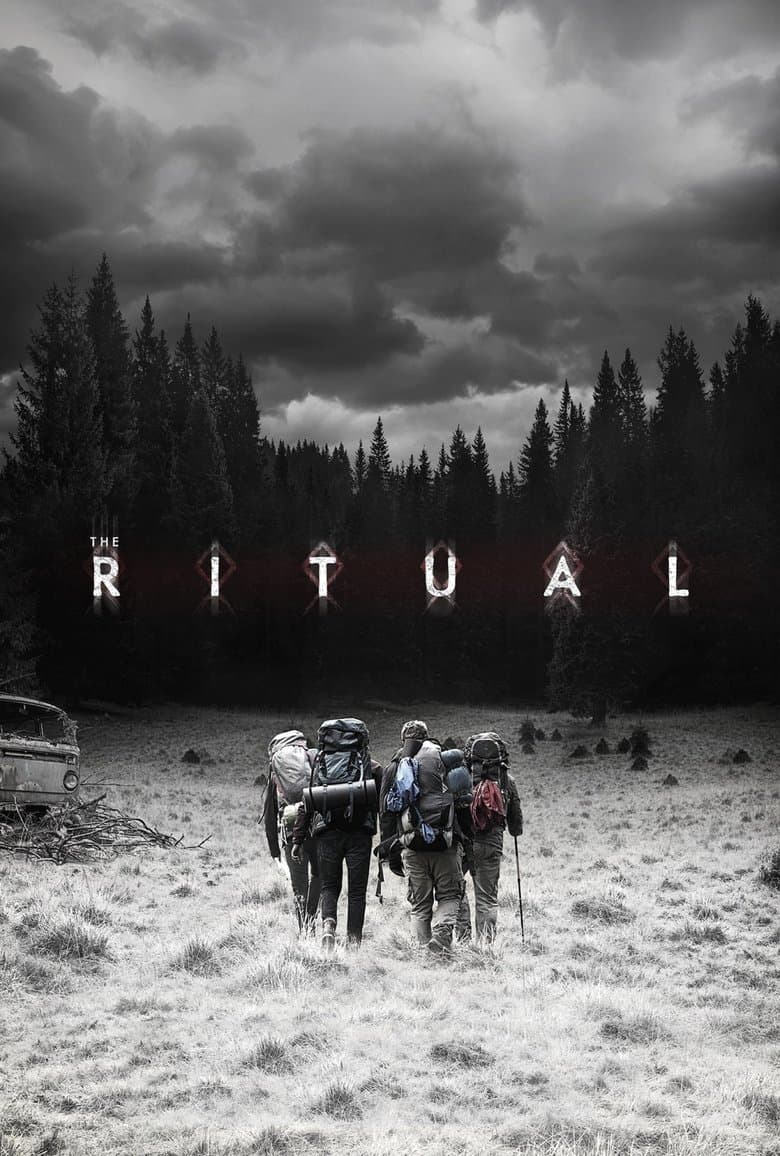
Movie · 2017
A group of college friends reunite for a trip to the forest, but encounter a menacing presence in the woods that's stalking them.
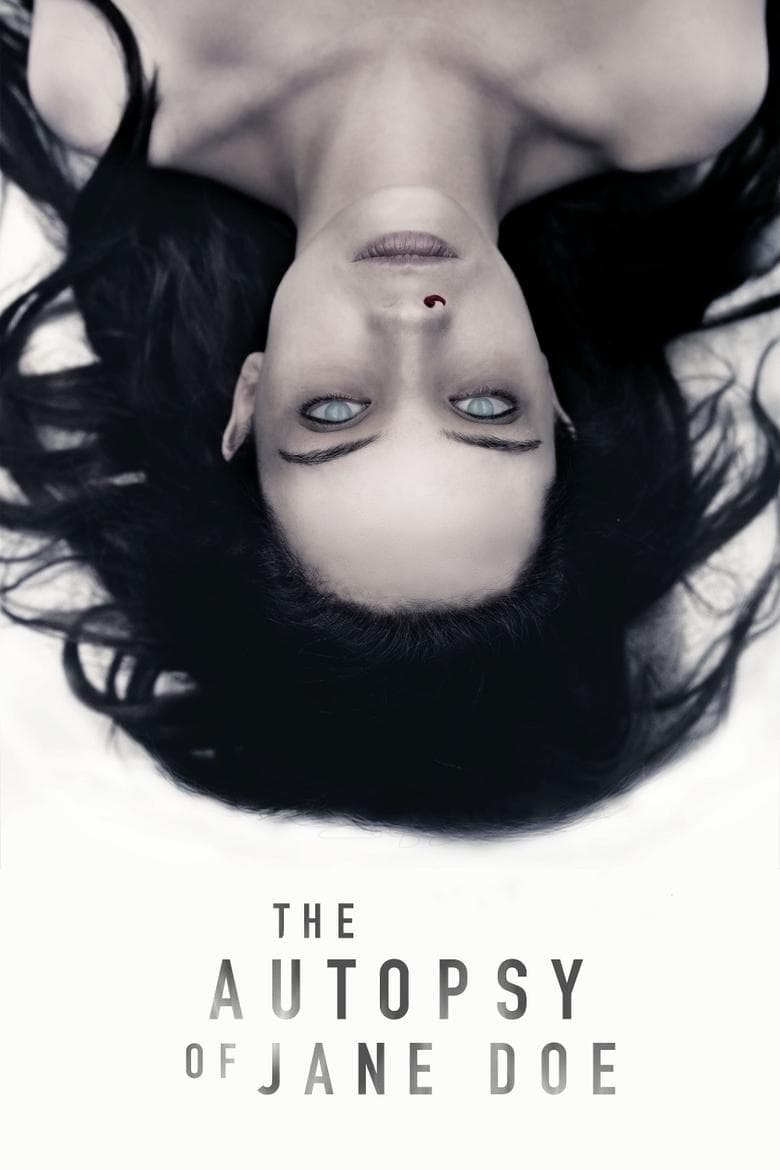
Movie · 2016
Father and son coroners receive a mysterious unidentified corpse with no apparent cause of death. As they attempt to examine the "Jane Doe," they discover increasingly bizarre…
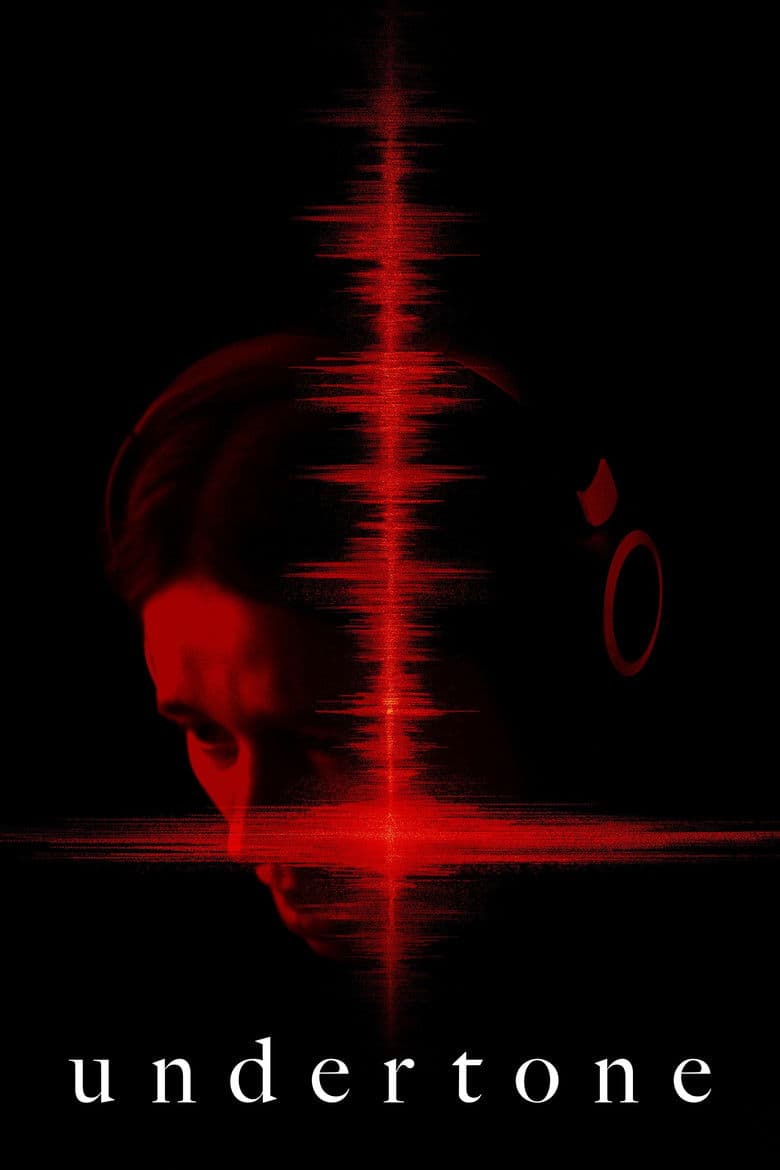
Movie · 2026
The host of a popular paranormal podcast becomes haunted by terrifying recordings mysteriously sent her way.
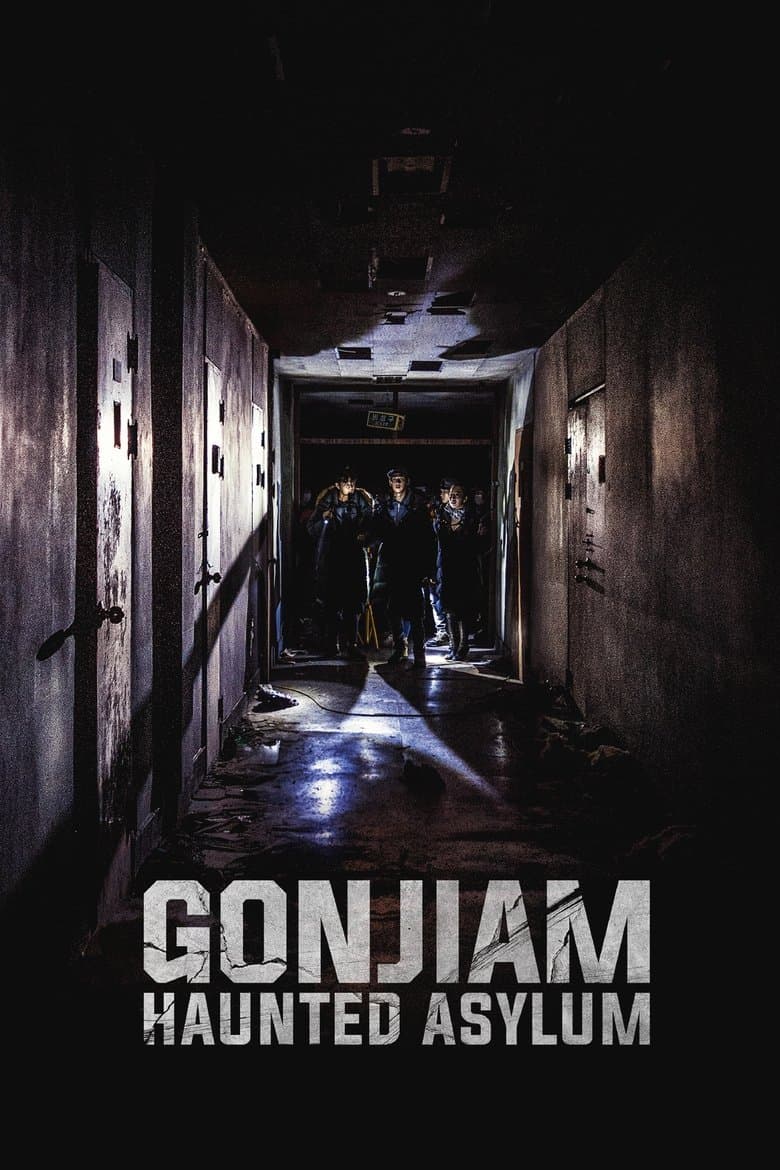
Movie · 2018
The crew of a horror web series travels to an abandoned asylum for a live broadcast, but they encounter much more than expected as they move deeper inside the nightmarish old…
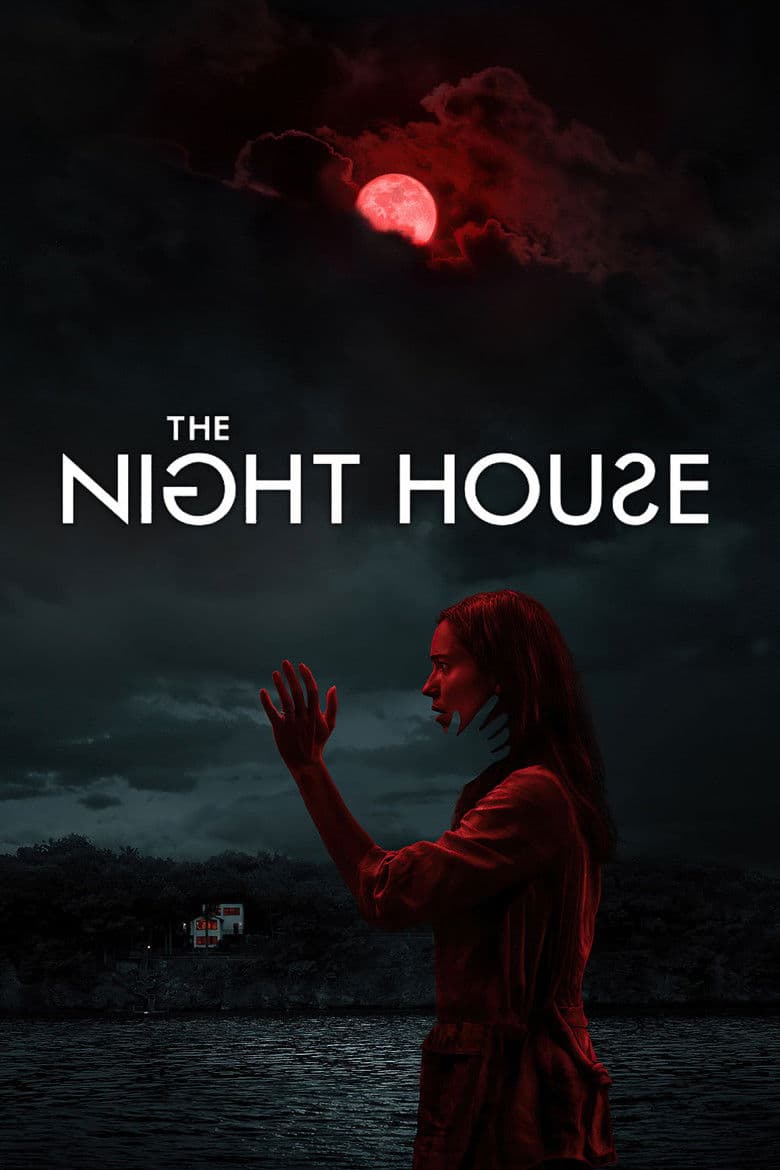
Movie · 2021
Reeling from the unexpected death of her husband, Beth is left alone in the lakeside home he built for her. Soon she begins to uncover her recently deceased husband's disturbing…
