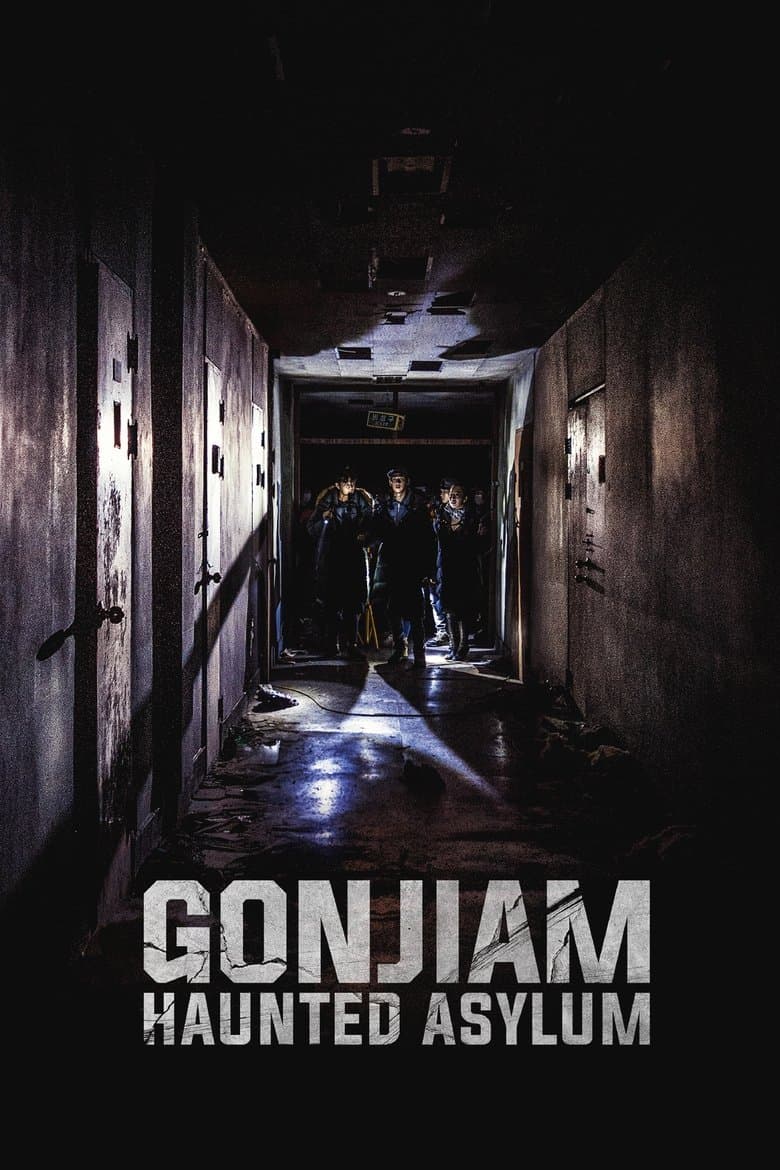
Ha-joon runs a small online horror channel called Horror Times. He brings six young people to an abandoned psychiatric hospital in South Korea so they can open the locked Room 402 during a live broadcast. The group expects fake scares, but real ghosts attack them after they enter the building. The film uses shaky cameras, dark halls, silence, and sudden shocks to create a tense and frightening mood.
The film's main message concerns the danger of chasing online fame and money. Ha-joon hides the truth from his crew because he wants one million views and more ad money. The group includes three women, three men, and Charlotte, an American living in Korea, but the movie treats these as simple character details rather than a social cause. Its talk about political prisoners, Japan's rule in Korea, and a Korean president belongs to the asylum's ghost story, while the main story stays focused on greed, fear, and the power of a live broadcast.
Community feedback
Was our 0% Woke rating accurate?
Breakdown
These are the editorial factors and ratings behind our score for Gonjiam: Haunted Asylum.
Woke representation / casting
Not present. The group is made up of Korean young adults in modern South Korea, with one American character who lives there. The film does not present these identity details as a diversity goal or political message.
0%
Woke political dialogue
Not present. The dialogue discusses haunted rumors, view counts, money, and fear. References to political prisoners, Japan's rule in Korea, and a Korean president belong to the asylum's backstory, not to current identity or activist ideas.
0%
Identity-driven story themes
Not present. The story follows young streamers who chase views and money until their fake show becomes real horror. Its main ideas concern greed, fear, and online fame, not race, gender, sexuality, or representation.
0%
Western institutional / cultural critique
Not present. The film does not attack Western institutions, Christianity, family life, or male and female social roles. The old hospital and its dark rumors are part of the Korean horror setting.
0%
Woke character or canon changes
Not relevant. The film uses a real asylum and invents ghost stories around it. It does not make an identity-based change to an established character or real historical person.
0%
Anti-woke backlash and complaints
Not present. Reviewed news and audience discussion focus on scares, pacing, acting, and the real building. No reliable anti-woke complaint about DEI, identity politics, or activist messaging was found.
0%
Creator track record context
Not present. The cached record gives the director, writer, and nearly all listed producers a 0, with Kim Do-su at 10. That mild stored score has no matching activist work or identity message in this film. The creator interviews focus on horror craft and live streaming.
0%
Production
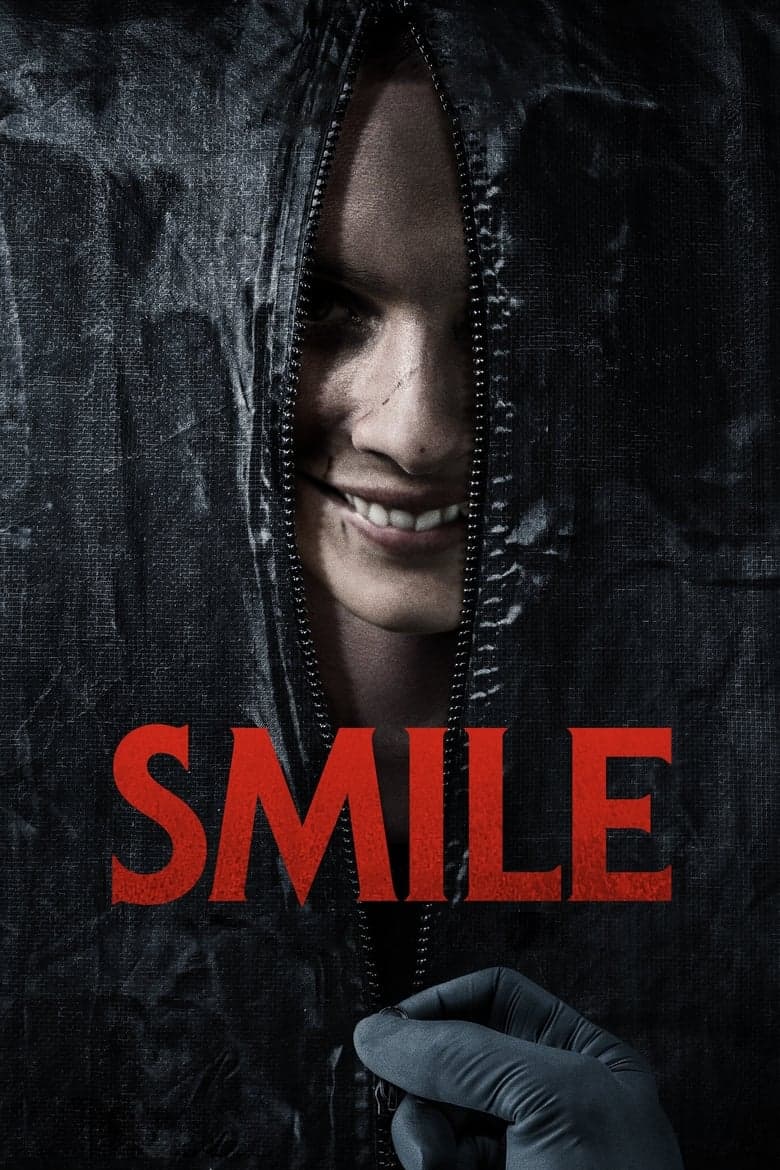
Movie · 2022
After witnessing a bizarre, traumatic incident involving a patient, Dr. Rose Cotter starts experiencing frightening occurrences that she can't explain.
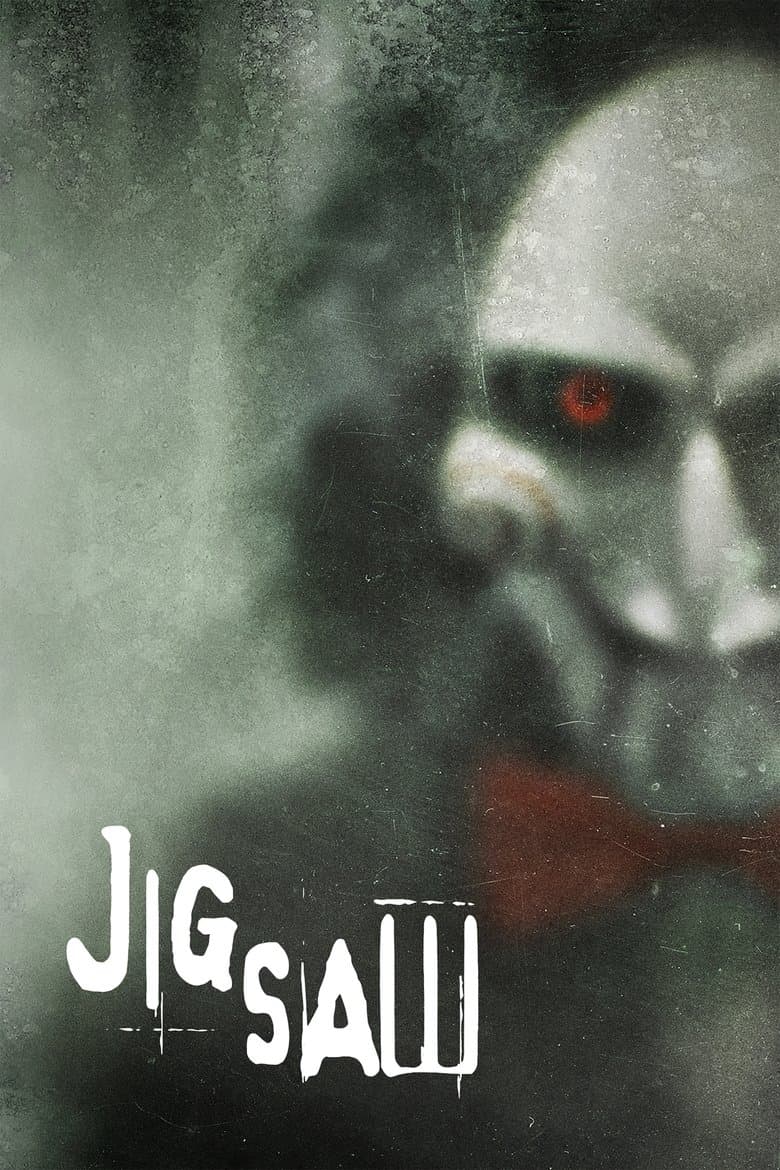
Movie · 2017
Law enforcement finds itself chasing the ghost of a man dead for over a decade, embroiled in a diabolical new game that's only just begun.
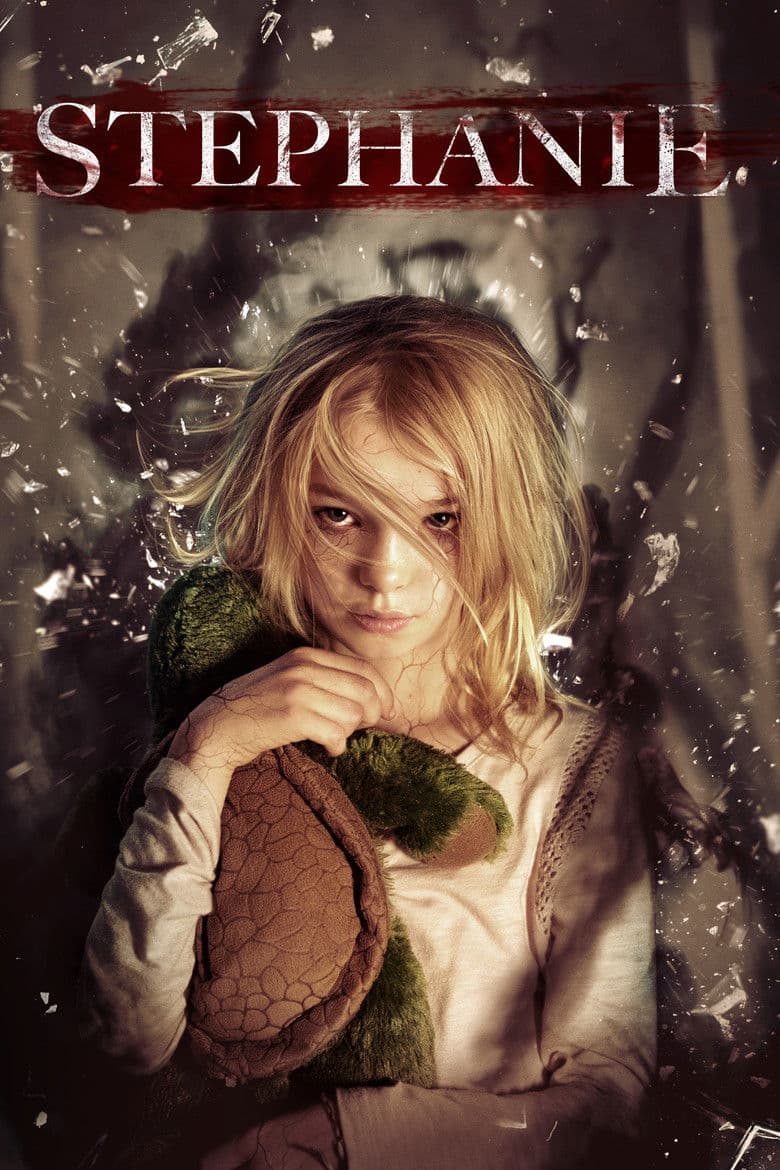
Movie · 2017
After a mysterious global crisis, a young girl is left alone to hide from a malevolent power that stalks her home.
Movie · 2025
One year after her sister Melanie mysteriously disappeared, Clover and her friends head into the remote valley where she vanished in search of answers.
Movie · 2023
After a Black Friday riot ends in tragedy, a mysterious Thanksgiving-inspired killer terrorizes Plymouth, Massachusetts - the birthplace of the holiday.
Movie · 2016
Father and son coroners receive a mysterious unidentified corpse with no apparent cause of death. As they attempt to examine the "Jane Doe," they discover increasingly bizarre…
Movie · 2021
Madison is paralyzed by shocking visions of grisly murders, and her torment worsens as she discovers that these waking dreams are in fact terrifying realities with a mysterious…
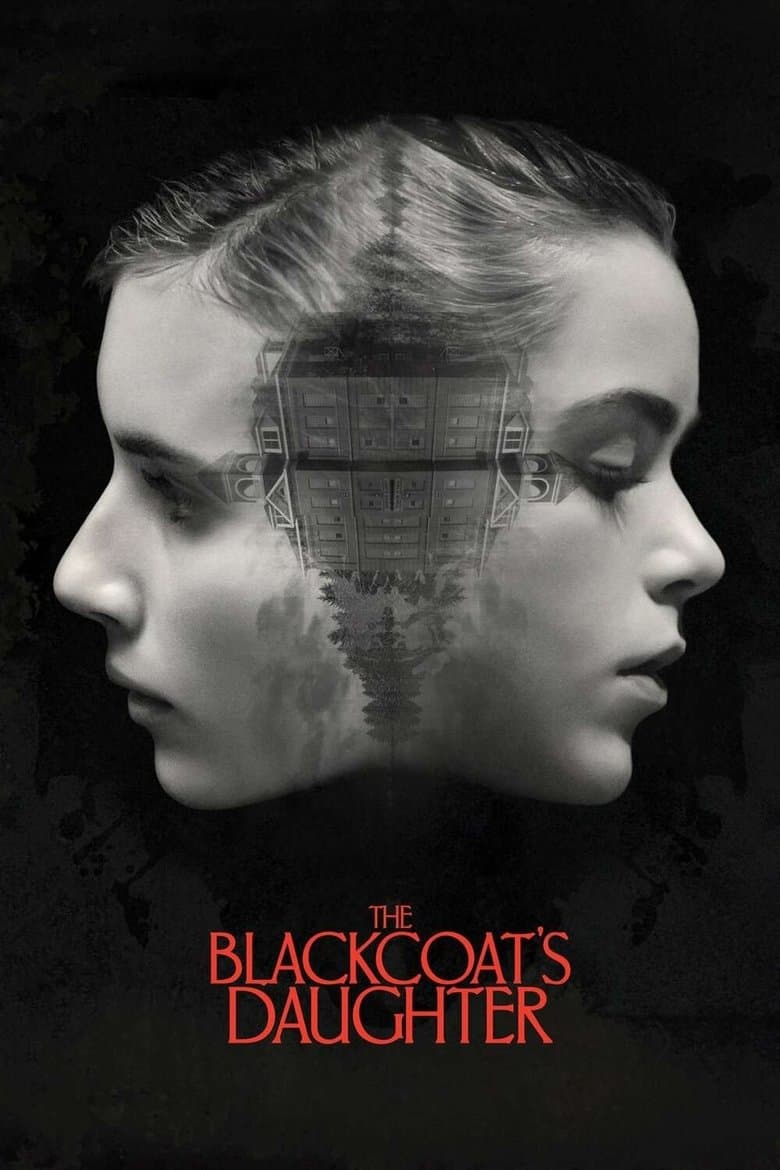
Movie · 2017
Two young women at a prestigious prep school are assailed by an evil, invisible power when they're stranded over winter break.
