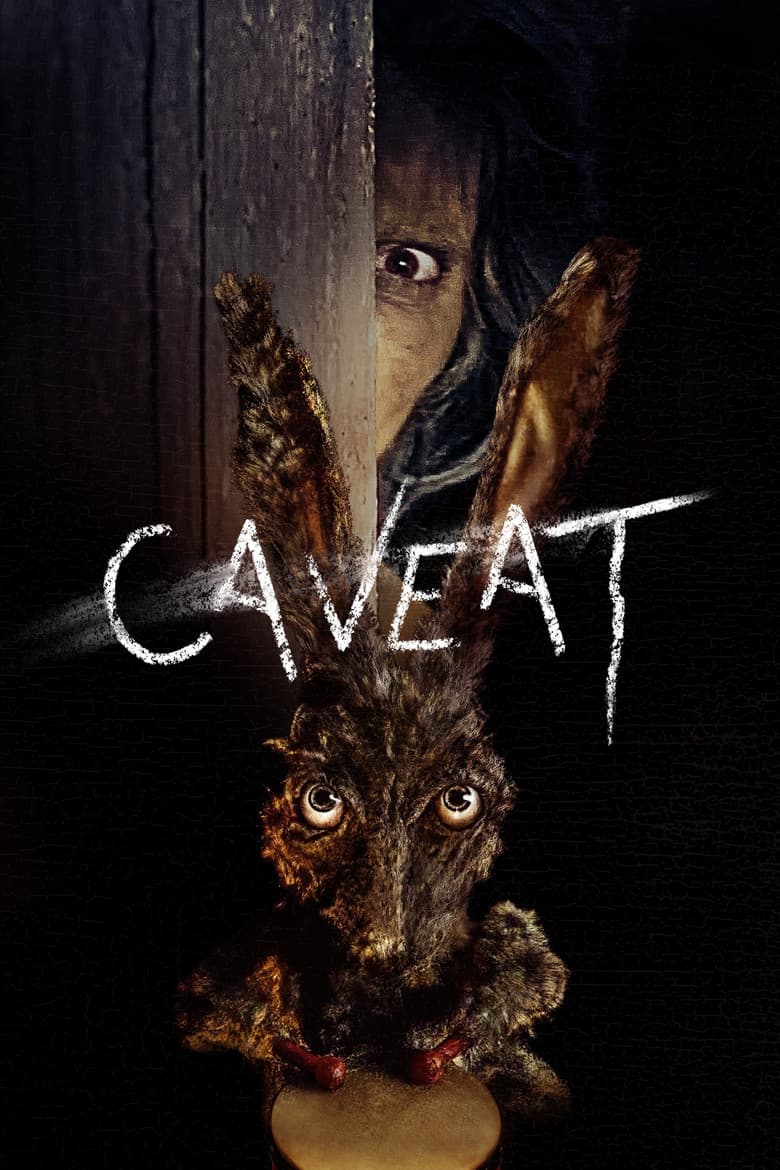
Caveat follows Isaac, a drifter who has lost part of his memory. A man named Barrett pays Isaac to watch over Olga in a ruined house on a lonely Irish island. Isaac must wear a leather harness and chain that limit where he can go, while Olga carries a crossbow and lives with deep fear and confusion. The quiet horror slowly uncovers murder, suicide, guilt, and a family trapped by old abuse. The film uses darkness, silence, strange sounds, and a wind-up rabbit to create a tense and dreamlike mood.
Abuse has spread through Olga’s family and has made the house feel like a living trap. Barrett and Olga’s father use control, fear, and cruel tricks against people close to them. Isaac’s memory slowly returns, and he must face the part he played in the family’s past. The story links guilt, trauma, survival, and the strange power of the house through a dark and uncertain ending.
Community feedback
Was our 2% Woke rating accurate?
Breakdown
These are the editorial factors and ratings behind our score for Caveat.
Woke representation / casting
Not present. The cast choices fit the small Irish horror setting, with no visible one-of-each pattern or diversity-first framing. Olga is a troubled woman and Isaac is a male drifter, but neither role is presented as a representation message.
0%
Woke political dialogue
Not present. The characters talk about money, memory, fear, murder, and family abuse. They do not discuss identity politics, current political causes, or activist ideas.
0%
Identity-driven story themes
Not present. The story centers on memory loss, family murder, supernatural fear, and personal guilt. The conflict does not make race, sex, gender identity, sexuality, or representation a central theme.
0%
Western institutional / cultural critique
Not present. The film shows men who use cruelty and control inside one damaged family. It treats those acts as personal horror, not as a modern activist critique of men, family, religion, or Western culture.
0%
Woke character or canon changes
Not relevant. The film is an original horror story, so it does not alter an established character, canon, or real historical event.
0%
Anti-woke backlash and complaints
Not present. Audience discussion focused on the creepy mood, the rabbit, and the confusing ending. No substantial anti-woke complaints about DEI, identity politics, or activist messaging appear in the reviewed coverage.
0%
Creator track record context
Damian McCarthy’s past horror work gives only a mild creator-context signal because recurring male killers are part of his stories. Mirella Reznic’s public work includes diversity, equity, and inclusion topics, which adds a small context signal. Justin Hyne and Tom Black have no high-confidence activist record. Title-focused interviews frame Caveat as a ghost story and discuss horror craft, not identity politics.
8%
Production
Movie · 2024
After the brutal murder of her twin sister, Darcy goes after those responsible by using haunted items as her tools for revenge.
Movie · 2020
Inside the halls of an elite arts academy, a timid music student begins to outshine her more accomplished and outgoing twin sister when she discovers a mysterious notebook…
Movie · 2018
Eight years after the opening night tragedy of HELL HOUSE LLC, many unanswered questions remain. Thanks to an anonymous tip, an investigative journalist is convinced that key…
Movie · 2018
The crew of a horror web series travels to an abandoned asylum for a live broadcast, but they encounter much more than expected as they move deeper inside the nightmarish old…
Movie · 2021
While diving in a remote French lake, a couple of YouTubers who specialise in underwater exploration videos discover a house submerged in the deep waters.
Movie · 2019
A rebellious teenage boy, struggling with his parents' imminent divorce, encounters a terrifying evil after his next-door neighbor becomes possessed by an ancient witch that…
Movie · 2020
A man providing overnight watch to a deceased member of his former Orthodox Jewish community finds himself opposite a malevolent entity.
Movie · 2021
In an effort to reconnect and mend their relationship, a troubled couple and their preteen daughter seek an idyllic getaway to a remote mansion in rural Louisiana.
