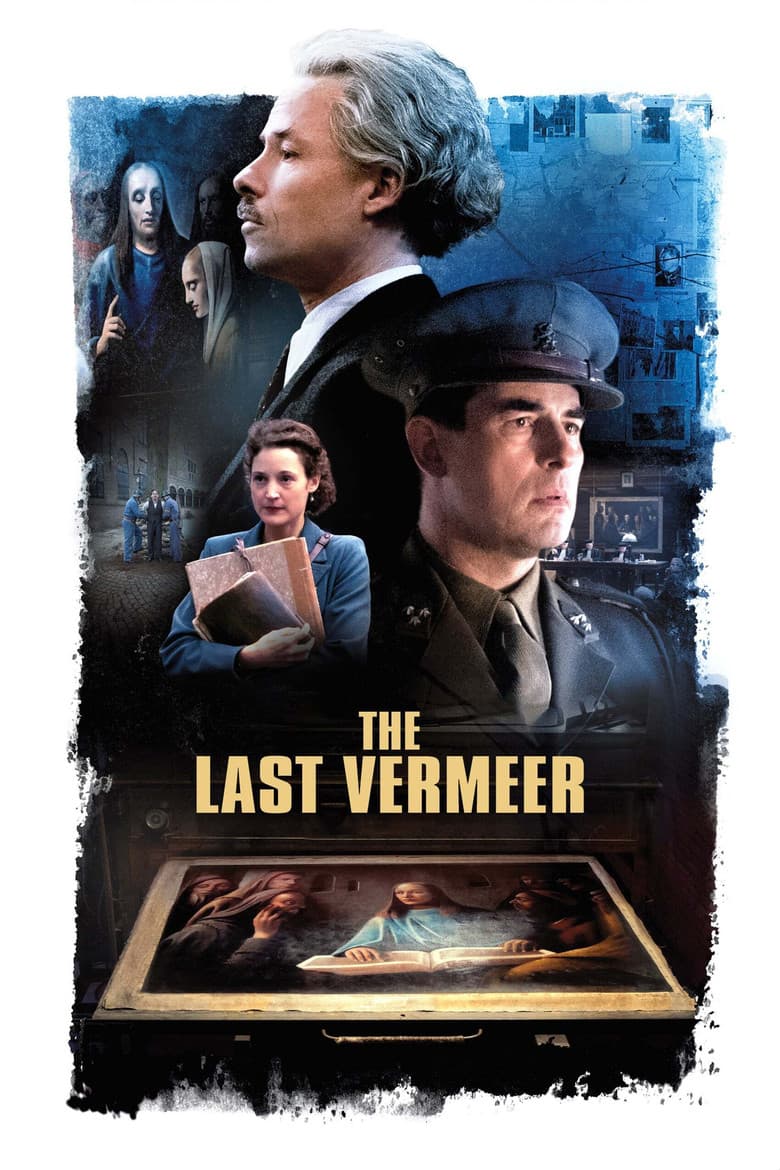
The film follows Joseph Piller, a Jewish Dutch resistance fighter who works for the Allied forces in Amsterdam just after World War II. He investigates Han van Meegeren, a rich and flashy painter accused of selling a Vermeer to Nazi leader Hermann Göring. Piller must decide whether Han helped the Nazis or tricked them with a fake painting. The story has a serious, polished tone, with mystery, courtroom drama, wartime fear, and dry humor.
The movie focuses on art, truth, guilt, and the way people judge value. It shows Piller moving from strict ideas of good and evil toward a harder view of forgiveness and moral doubt. Han's clash with Piller drives the story, while the trial tests whether proof can overcome public anger. A late speech links Western colonial crimes, slavery, and public statues to the film's wider idea that history contains both heroes and wrongdoing, but this modern point is brief.
Community feedback
Was our 31% Woke rating accurate?
Breakdown
These are the editorial factors and ratings behind our score for The Last Vermeer.
Woke representation / casting
Not present. The cast uses European and European-descended actors for a story set in postwar Netherlands. Piller's Jewish identity and Minna's work as an art researcher come from the story, and the film does not frame either choice as a diversity message.
0%
Woke political dialogue
Han gives a late speech about colonial crimes, slavery, and statues honoring men tied to that past. The speech presents Western history as carrying guilt that should be faced, which is a modern activist-style point. The speech is confined to one scene, while most dialogue stays with the war, art, money, and personal guilt.
33%
Identity-driven story themes
The main story follows a Jewish resistance officer and a Dutch forger after World War II. Their conflict centers on guilt, truth, art, and forgiveness. The film has one brief line about a wife being seduced by another woman, but it does not build a queer character or relationship around it. A late exchange adds colonial violence, slavery, and public monuments to the moral debate, but that modern identity framing does not drive the plot.
27%
Western institutional / cultural critique
The film questions experts, museums, wealthy buyers, and officials who decide what art is worth. Han says the case is really about money and power, and a late speech criticizes colonial violence and statues honoring colonial figures. Those ideas are visible, but the film presents them through a historical art case rather than a broad modern campaign.
34%
Woke character or canon changes
Not relevant. The film changes the real Piller's role and adds personal events around his marriage. Those changes concern the case and the drama, not his race, gender, sexuality, or identity.
0%
Anti-woke backlash and complaints
Not present. The searches found no clear complaint that the film pushes woke, DEI, or identity politics. One Catholic arts review used the words “woke politics” broadly but did not point to a specific film element.
0%
Creator track record context
The supplied creator summaries give the director, writers, producers, and casting director low stored scores. Fergus and Ostby have written about power, inequality, migration, prejudice, and political conflict. The summaries show no strong DEI campaign or identity-first public profile. This creates only mild context for the film.
10%
Production
Movie · 2025
Diagnosed with Tourette Syndrome at 15, John Davidson navigates his way against the odds through troubled teenage years and into adulthood, finding inspiration in the kindness of…
Movie · 2019
Richard Jewell thinks quick, works fast, and saves hundreds, perhaps thousands, of lives after a domestic terrorist plants several pipe bombs and they explode during a concert…

Movie · 2016
After his older brother passes away, Lee Chandler is forced to return home to care for his 16-year-old nephew.

Movie · 2023
The true story of the inseparable Von Erich brothers, who made history in the intensely competitive world of professional wrestling in the early 1980s.
Movie · 2022
Based on a true tragedy, the emotionally triggering film sheds light on the plight of Kashmiri Pandits (Hindus), a religious minority in the 1990s Kashmir valley, who were…
Movie · 2022
A quiet, neglected girl is sent away from her dysfunctional family to live with relatives for the summer. She blossoms in their care, but in this house where there are meant to be…
Movie · 2016
WWII American Army Medic Desmond T. Doss, who served during the Battle of Okinawa, refuses to kill people and becomes the first Conscientious Objector in American history to…
Movie · 2017
In 1950, amidst the ravages of the Korean War, Sergeant Süleyman stumbles upon a a half-frozen little girl, with no parents and no help in sight and he risks his own life to save…
