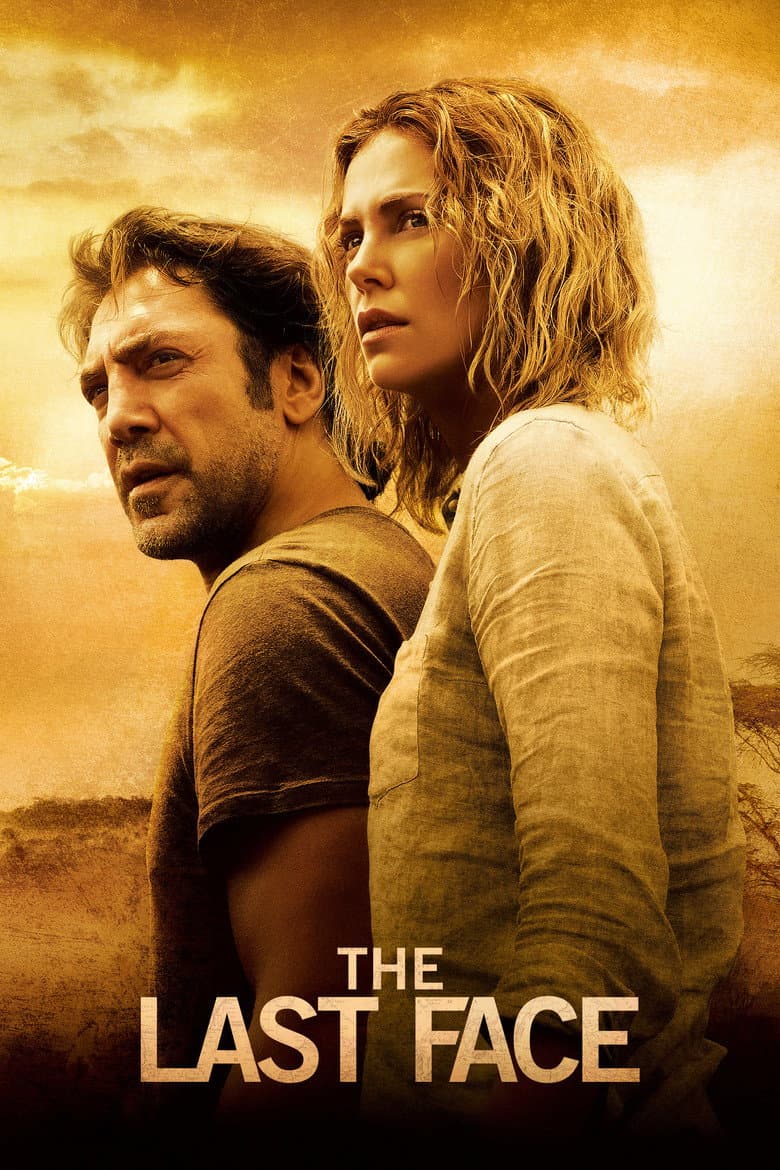
Wren Petersen leads an international aid group that treats people caught in African wars. In 2003, she meets Miguel Leon, a Spanish doctor who works in the same danger zones. Wren wants large political action, while Miguel believes in saving one patient at a time. Their love grows through refugee camps, gunfire, sickness, and loss, so the film mixes romance with grim war drama.
The story gives its strongest voices to two Western aid workers while African people often appear as patients, refugees, or victims. Wren says rich countries ignore suffering, links war to colonial history and oil, and argues that the West must act. Her final speech says refugees have the same families, work, and dreams as everyone else. These ideas make humanitarian duty, refugee dignity, and Western guilt important themes, even though the film remains mainly a tragic love story.
Community feedback
Was our 57% Woke rating accurate?
Breakdown
These are the editorial factors and ratings behind our score for The Last Face.
Woke representation / casting
Wren is a white woman who leads an international aid group. The film places her at the center of the mission and its main moral speech. The film also gives the main doctor roles to Western stars while African people often remain in supporting parts. This creates a mild gender and representation signal, but it is not a diversity-first cast.
14%
Woke political dialogue
Wren says wealthy countries stay comfortable while war and poverty grow. She says foreign powers will rush to West Africa only after giving up Middle Eastern oil. The narration links colonialism to Liberia’s suffering. Miguel says oppressed people can become oppressors, and Wren calls his view racist. Wren ends by saying refugees are like us and deserve the same hopes.
56%
Identity-driven story themes
The film makes aid work and refugee suffering part of the couple’s love story. Wren wants to change the systems that allow wars to continue, while Miguel focuses on one patient at a time. Wren’s closing speech asks wealthy viewers to see refugees as people with families, jobs, and dreams. The story supports global solidarity and activist compassion, but it does not center queer, gender, or race identity.
45%
Western institutional / cultural critique
The narration says colonialism helped create Liberia’s suffering. Wren blames wealthy Western countries for staying comfortable while poverty and war grow. She argues that Europe and the United States could stop the conflict if they acted correctly. The film questions aid work that saves a few people while leaving the wider system unchanged. This modern critique is important to the central conflict.
54%
Woke character or canon changes
Not relevant. The film uses original fictional aid workers and refugees. No established character, source, or historical figure is changed for identity reasons.
0%
Anti-woke backlash and complaints
The X research pass found no anti-woke reaction. One IMDb user defended the white female rescuer and called white-savior criticism a woke-culture tactic. That post is isolated, with no larger boycott or right-leaning campaign. Most public criticism came from the other side and is not counted here.
7%
Creator track record context
Sean Penn’s public work centers on humanitarian and anti-war causes. Erin Dignam has no clear public record of DEI or identity activism. Bill Gerber, Bill Pohlad, and Matt Palmieri have supported socially focused films or diversity efforts. This gives the film a moderate activist context, but the creators are not known mainly for identity politics.
29%
Production
Movie · 2023
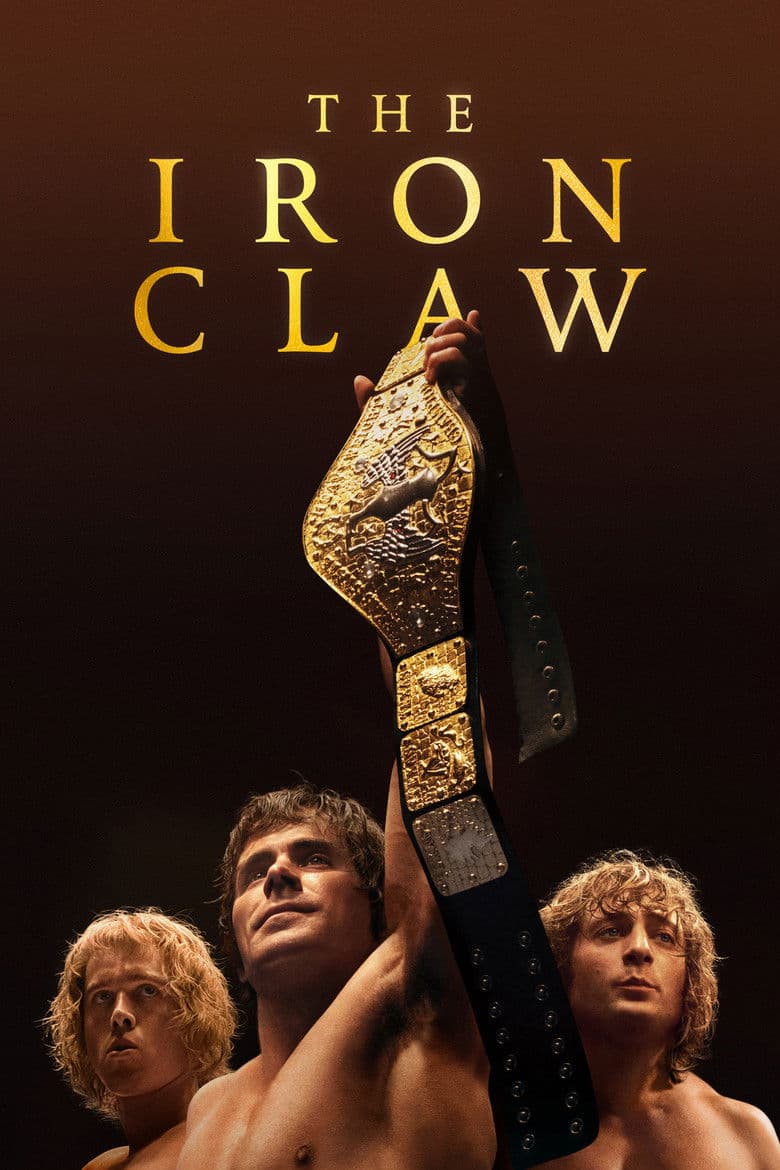
The true story of the inseparable Von Erich brothers, who made history in the intensely competitive world of professional wrestling in the early 1980s.
Movie · 2016
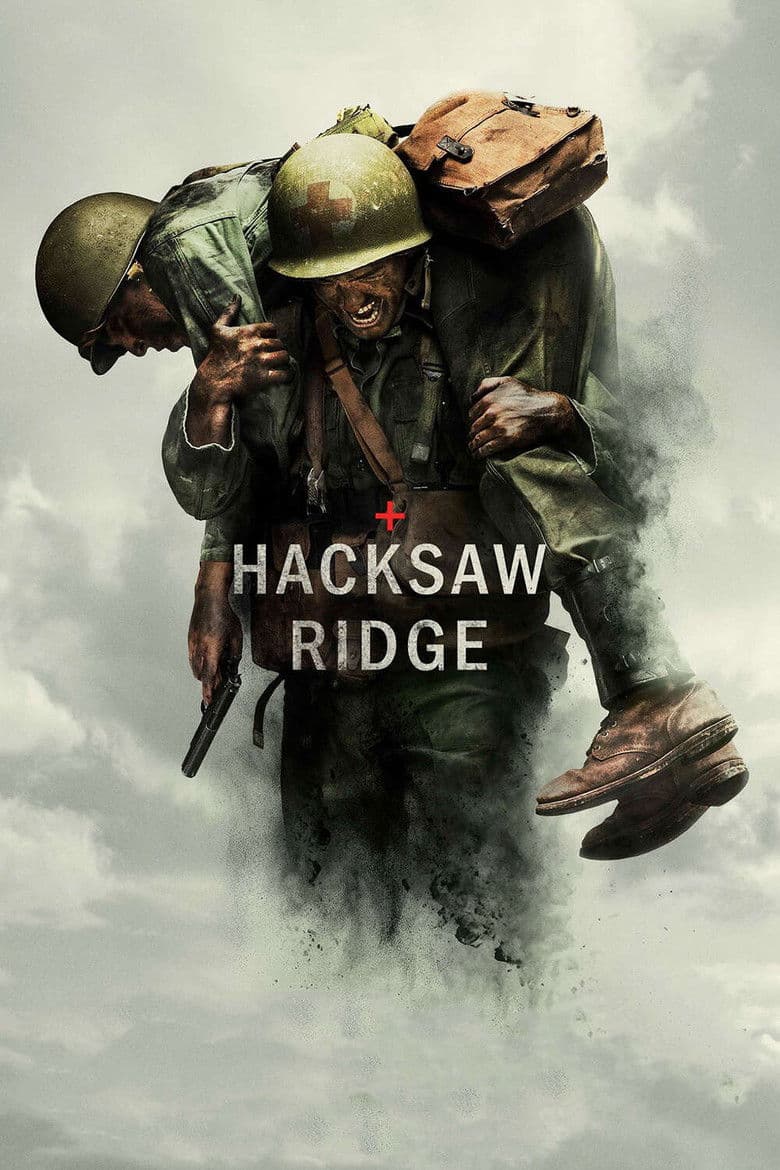
WWII American Army Medic Desmond T. Doss, who served during the Battle of Okinawa, refuses to kill people and becomes the first Conscientious Objector in American history to…
Movie · 2017
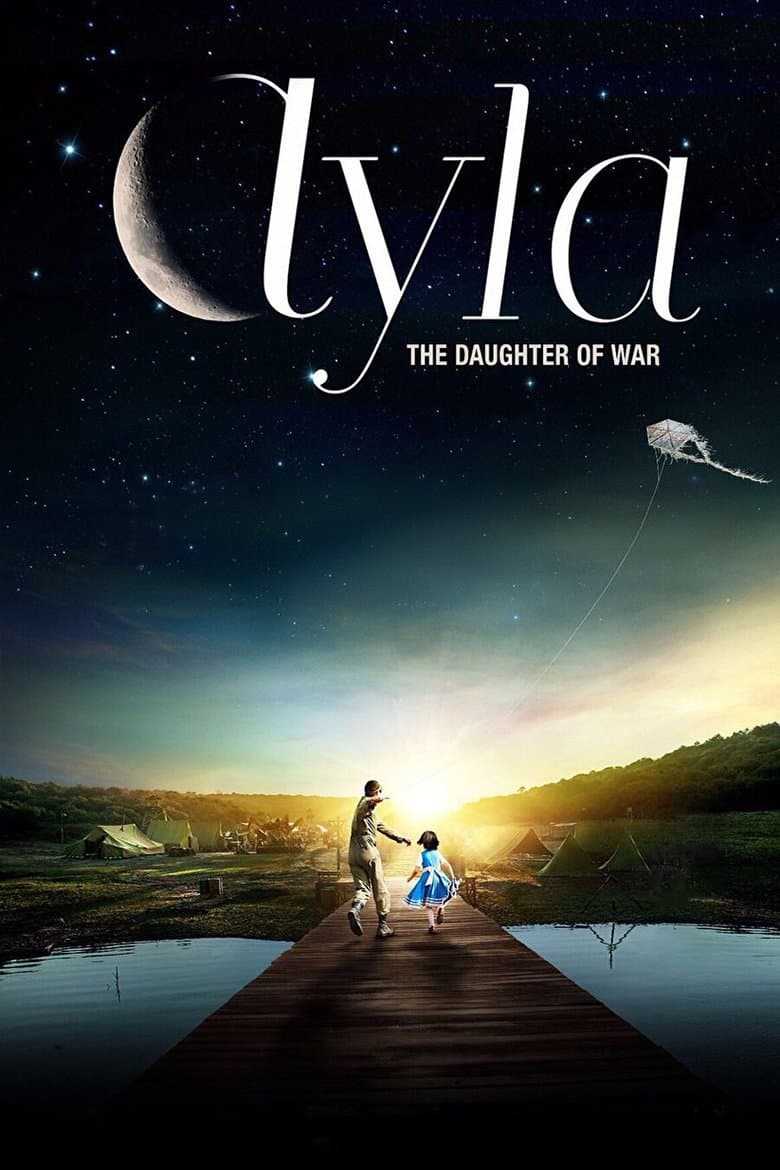
In 1950, amidst the ravages of the Korean War, Sergeant Süleyman stumbles upon a a half-frozen little girl, with no parents and no help in sight and he risks his own life to save…
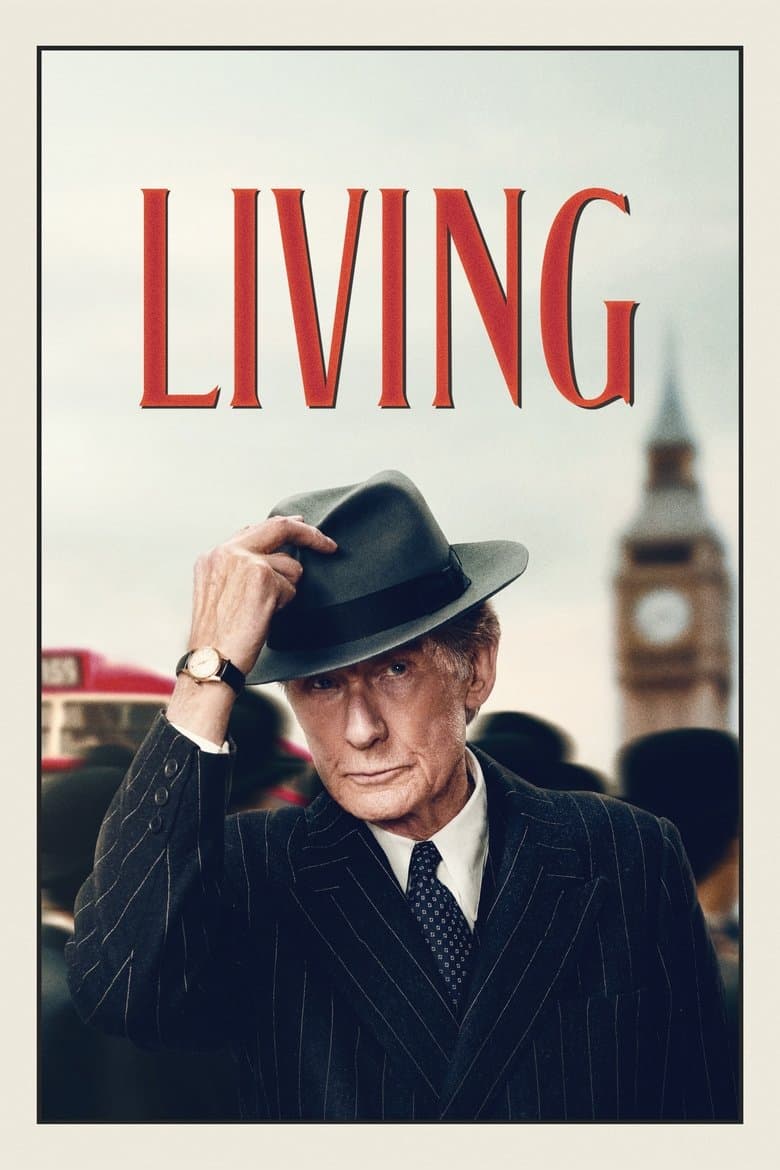
Movie · 2022
London, 1953. Mr. Williams, a veteran civil servant, is an important cog within the city's bureaucracy as it struggles to rebuild in the aftermath of World War II.
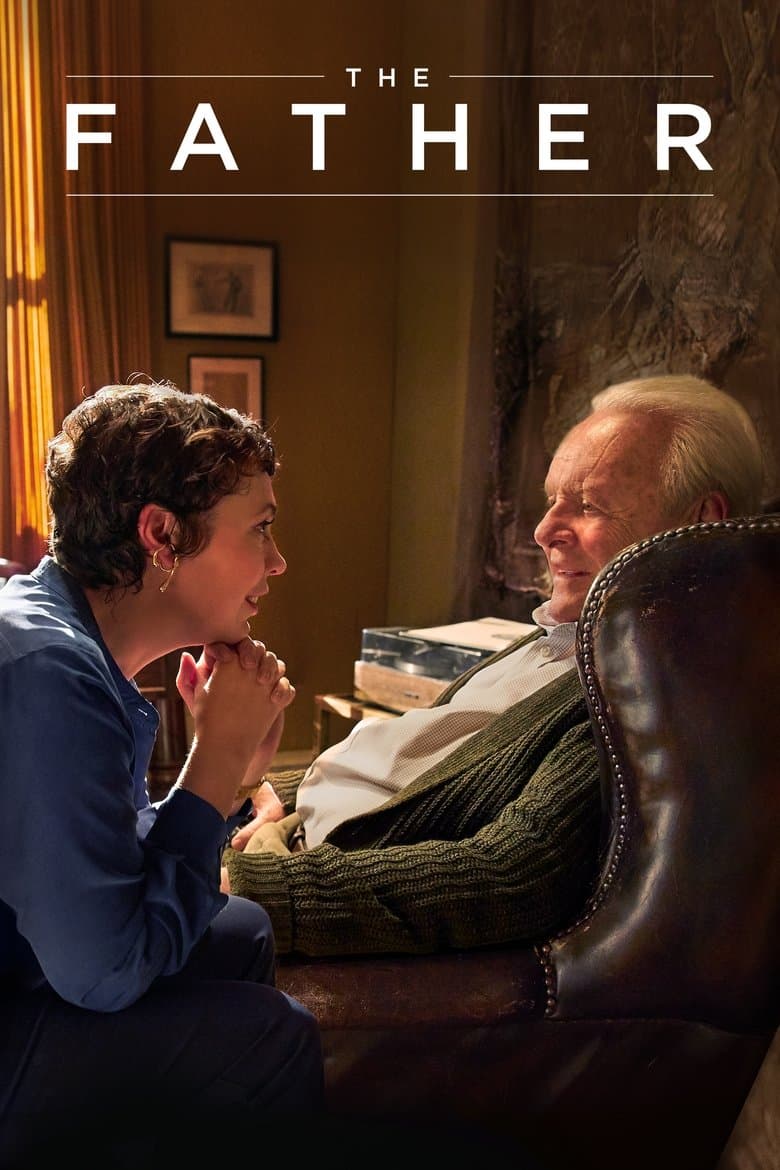
Movie · 2020
A man refuses all assistance from his daughter as he ages and, as he tries to make sense of his changing circumstances, he begins to doubt his loved ones, his own mind and even…
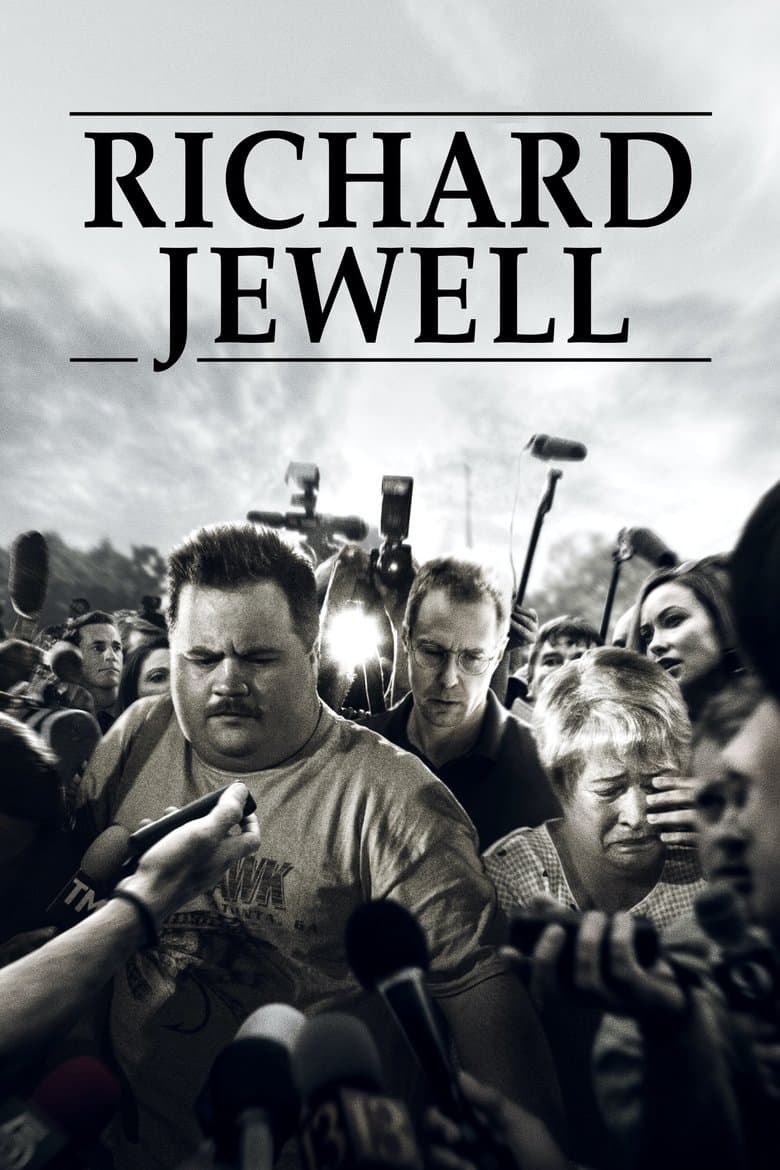
Movie · 2019
Richard Jewell thinks quick, works fast, and saves hundreds, perhaps thousands, of lives after a domestic terrorist plants several pipe bombs and they explode during a concert…

Movie · 2023
The story of J. Robert Oppenheimer's role in the development of the atomic bomb during World War II.
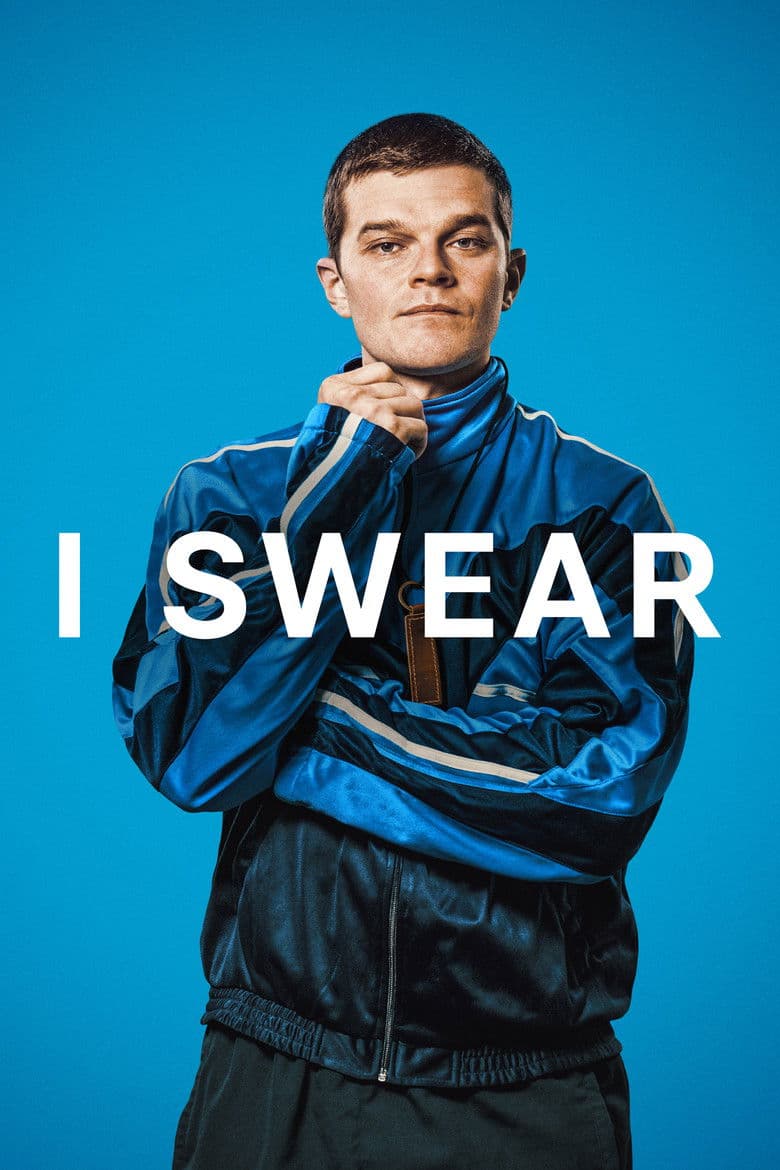
Movie · 2025
Diagnosed with Tourette Syndrome at 15, John Davidson navigates his way against the odds through troubled teenage years and into adulthood, finding inspiration in the kindness of…
