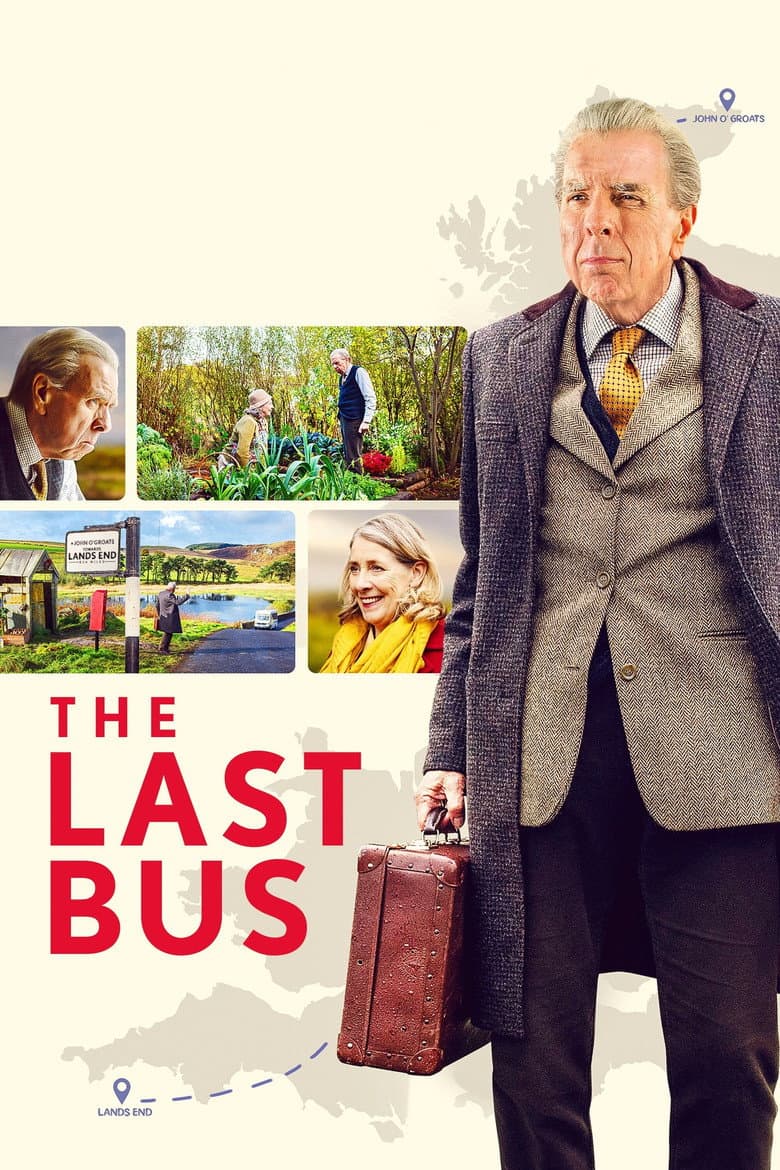
Tom is a very old widower in the far north of Scotland. After his wife Mary dies, he sets out to take her ashes all the way to Land’s End in the south of England. He will only use local buses and his free bus pass. Along the way he meets many strangers, relives old memories, and slowly becomes famous online without knowing it. The tone is quiet, sad, and soft, with some hard moments mixed in.
The story is mainly about love, grief, keeping a promise, and getting old. A normal viewer will also notice side bits about modern multi-cultural Britain. Official ads say Tom connects with a diverse Britain he has never really known. On one bus, a drunk man racially abuses a Muslim woman in a niqab, and Tom stands up to him. That scene is short but easy to remember. Side characters on the road come from different backgrounds. The film is not built as a full identity-politics story, but the diversity tour and anti-racist bus moment are clear on screen.
Community feedback
Was our 34% Woke rating accurate?
Breakdown
These are the editorial factors and ratings behind our score for The Last Bus.
Woke representation / casting
Lead couple is a white elderly pair. Side stops show a multi-racial, multi-background Britain (including a Muslim woman in a niqab and other brief diverse roles). Ads sell that “diverse, multi-cultural” mix. Clear but not lead-swap or girlboss casting.
30%
Woke political dialogue
The bus racism scene is the main political beat: slurs at a Muslim woman, Tom steps in, other passengers react. Not constant activist speech, but the anti-racist moment is loud and often reviewed.
30%
Identity-driven story themes
Core themes are love, death, promise, and memory. A clear second layer is Tom sampling modern multi-cultural Britain and rejecting racist abuse. Noticeable on the journey, not the whole plot engine.
34%
Western institutional / cultural critique
A rude bus official and border-pass snobbery jab at petty rules and mild English/Scottish friction. Racism is framed as wrong. Marriage and family are treated with care, not torn down.
18%
Woke character or canon changes
Not present in this title.
0%
Anti-woke backlash and complaints
Almost no organized anti-woke fight. One review said it “tries too hard for diversity.” No big “this movie is DEI propaganda” wave found.
8%
Creator track record context
Cached scores for the listed directors/producers are near zero overall, with only light classical labor-history signal for one name, not a strong identity/DEI creative pattern.
5%
Production
Movie · 2016
In a desolate war zone where screams of the innocent echo, on the very line between disaster and valor, 7 Maroon Berets will dance with death.
Movie · 2022
London, 1953. Mr. Williams, a veteran civil servant, is an important cog within the city's bureaucracy as it struggles to rebuild in the aftermath of World War II.
Movie · 2017
Members of the Granite Mountain Hotshots battle deadly wildfires to save an Arizona town.
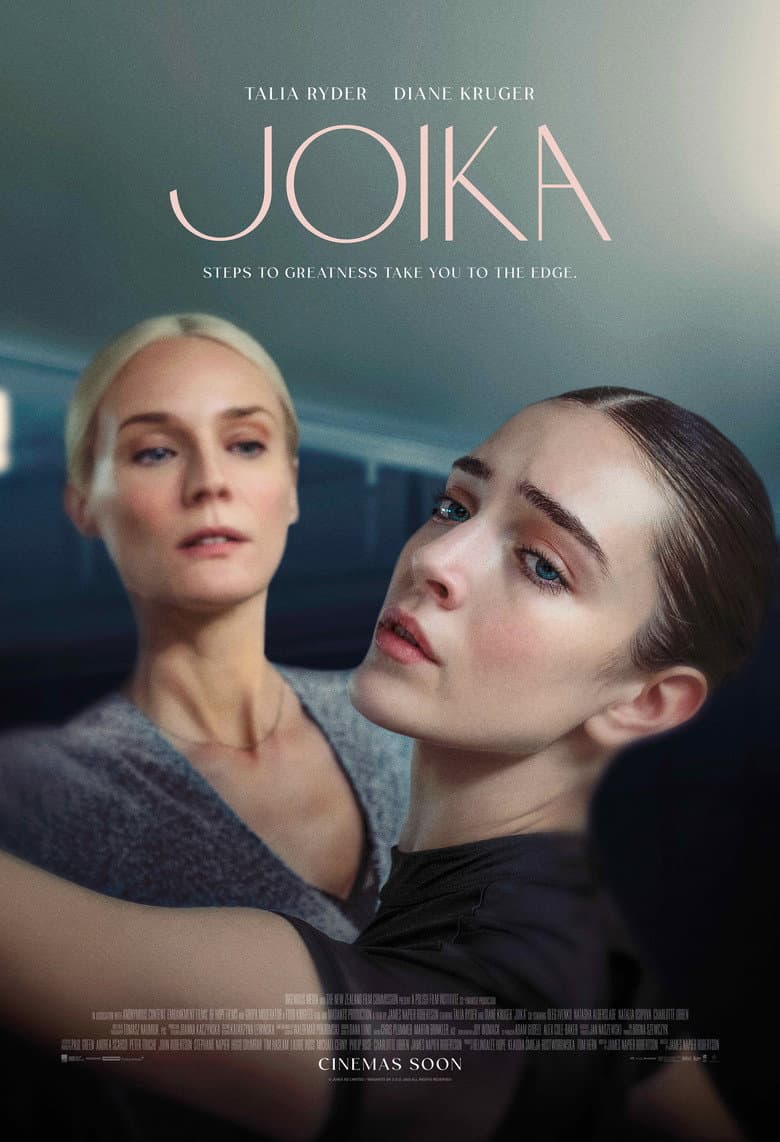
Movie · 2023
American ballet dancer Joy Womack is accepted into Moscow's infamously tough Bolshoi Ballet Academy, with the dream of becoming a great ballerina.
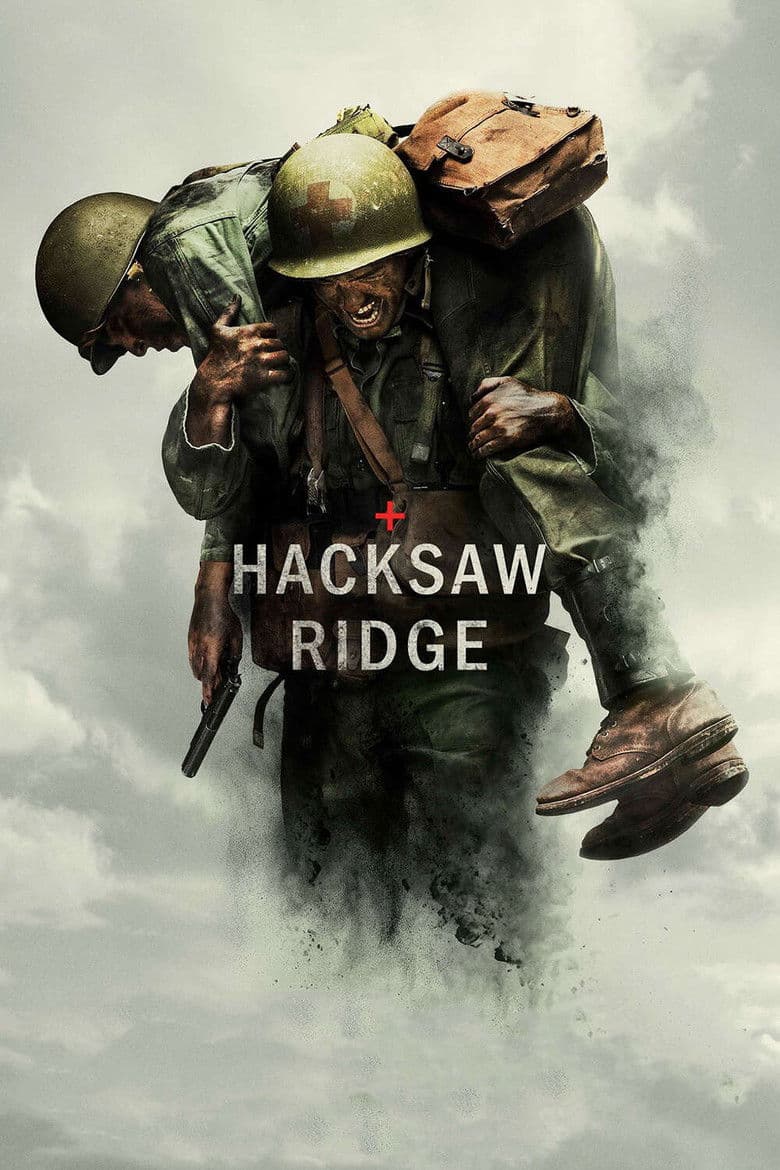
Movie · 2016
WWII American Army Medic Desmond T. Doss, who served during the Battle of Okinawa, refuses to kill people and becomes the first Conscientious Objector in American history to…
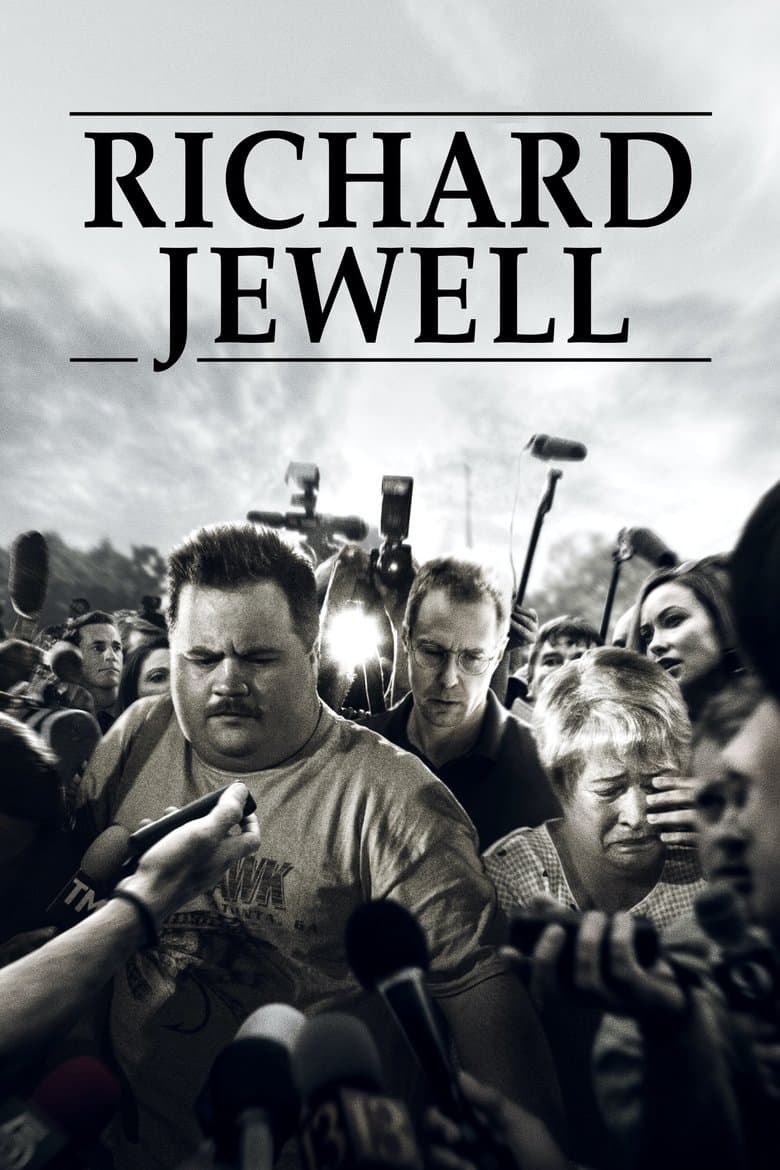
Movie · 2019
Richard Jewell thinks quick, works fast, and saves hundreds, perhaps thousands, of lives after a domestic terrorist plants several pipe bombs and they explode during a concert…
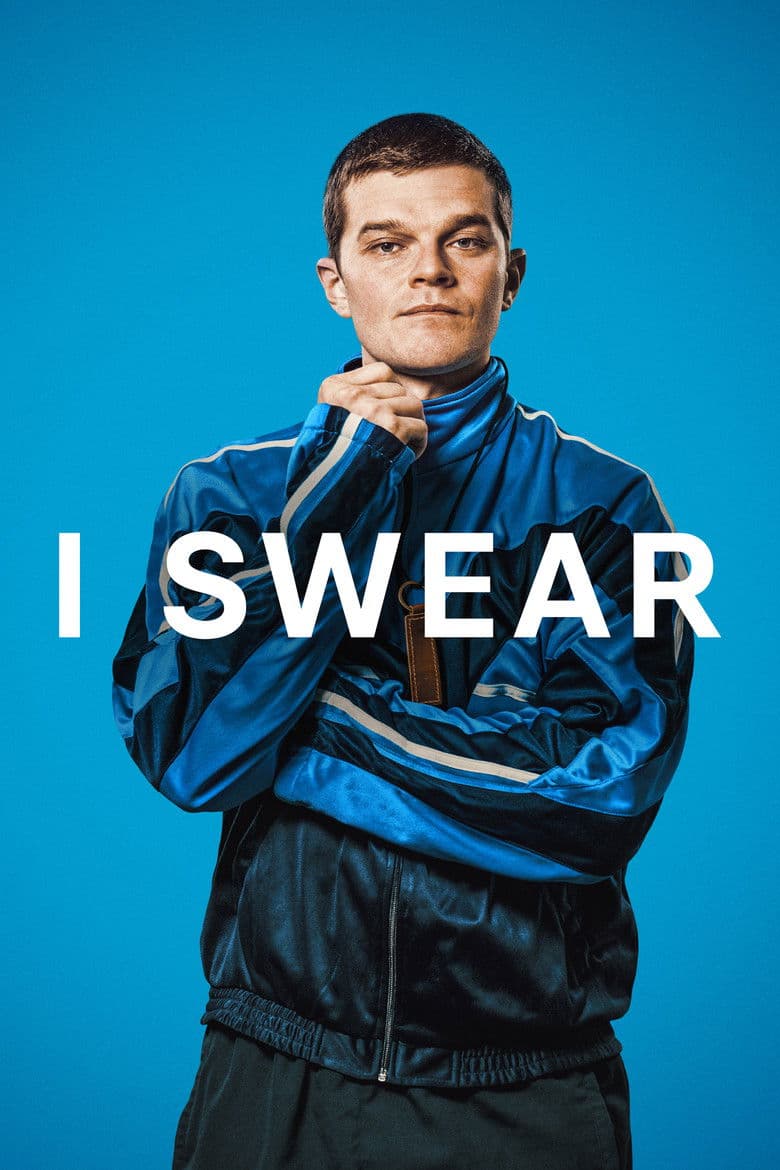
Movie · 2025
Diagnosed with Tourette Syndrome at 15, John Davidson navigates his way against the odds through troubled teenage years and into adulthood, finding inspiration in the kindness of…
Movie · 2020
A man refuses all assistance from his daughter as he ages and, as he tries to make sense of his changing circumstances, he begins to doubt his loved ones, his own mind and even…
