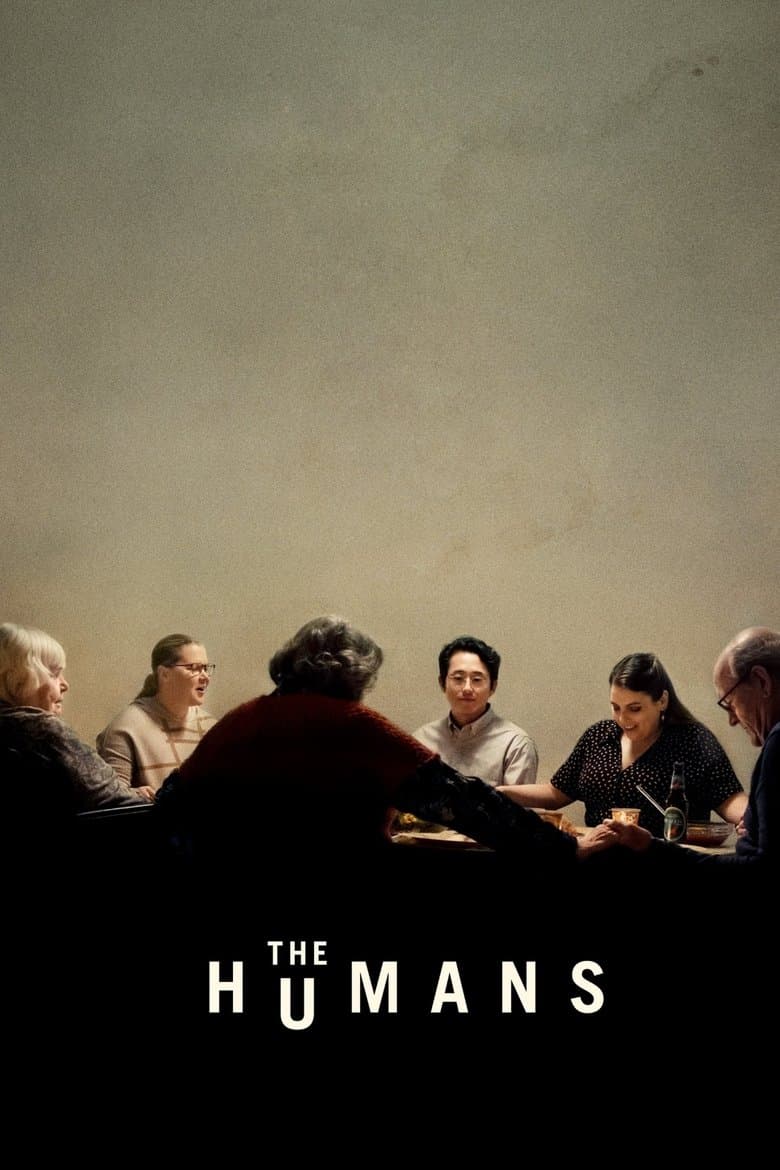
Erik Blake brings his wife, two daughters, and aging mother from Pennsylvania to a bare apartment in lower Manhattan for Thanksgiving. His daughter Brigid and her boyfriend Richard host the meal while the family tries to act normal in a strange, failing building. Old anger rises as money problems, illness, dementia, lost work, and a father's hidden mistake come into the open. The film feels like a quiet family drama that slowly turns into a tense and eerie nightmare.
Aimee is a lesbian whose long breakup is one of the film's main side stories. Her parents know about her former girlfriend and try to show support, but their words can still hurt her. The film also shows an interracial couple, a disabled older woman, chronic illness, and a family shaped by Catholic faith. These parts stay tied to daily family pain, while the main story follows fear, aging, money, and forgiveness.
Community feedback
Was our 34% Woke rating accurate?
Breakdown
These are the editorial factors and ratings behind our score for The Humans.
Woke representation / casting
Not present. The film has a white Catholic family from Pennsylvania and a Korean American boyfriend in a modern Manhattan setting. The casting does not show a clear diversity-first pattern or public identity message.
0%
Woke political dialogue
Not present. The family does not debate current political or activist issues. The dialogue focuses on personal fear, money, health, faith, and family strain.
0%
Identity-driven story themes
Aimee is a lesbian who has lost her long-term girlfriend. Her breakup stays important during the dinner and shapes her pain, phone calls, and fear about the future. Deirdre tries to show support by bringing up a lesbian's suicide, although her comments also make Aimee uncomfortable. The film treats Aimee's sexuality as one part of her life rather than the whole subject.
40%
Western institutional / cultural critique
Not present. The film shows job loss, medical costs, rent pressure, and a lost pension as family problems. It does not turn those troubles into a modern activist attack on capitalism, men, religion, or traditional family life.
0%
Woke character or canon changes
Not relevant. The film adapts Stephen Karam's own play and does not change an established character, canon, or historical figure for identity reasons.
0%
Anti-woke backlash and complaints
One conservative family-review outlet criticized the film's politically correct treatment of Aimee's lesbian relationship. The same review objected to the movie's mixed and unclear faith message. The complaint was isolated and did not become a large public controversy. The supplied X pass found no anti-woke complaints.
8%
Creator track record context
Stephen Karam is an openly gay playwright whose work often includes gay characters and queer identity. He has said his sexuality shapes the gay characters in his writing. The film's Aimee subplot fits that known pattern. The cached creator score for Karam is 60/100.
60%
Production
Movie · 2025
Diagnosed with Tourette Syndrome at 15, John Davidson navigates his way against the odds through troubled teenage years and into adulthood, finding inspiration in the kindness of…
Movie · 2024
On the brink of the Second World War, a young Norwegian man's drive to resist the Nazis sets a new course for his future – and the future of his country.
Movie · 2026
While people across 1990s Iraq struggle to survive the war and food shortages, Saddam Hussein requires each school in the country to prepare a cake to celebrate his birthday.
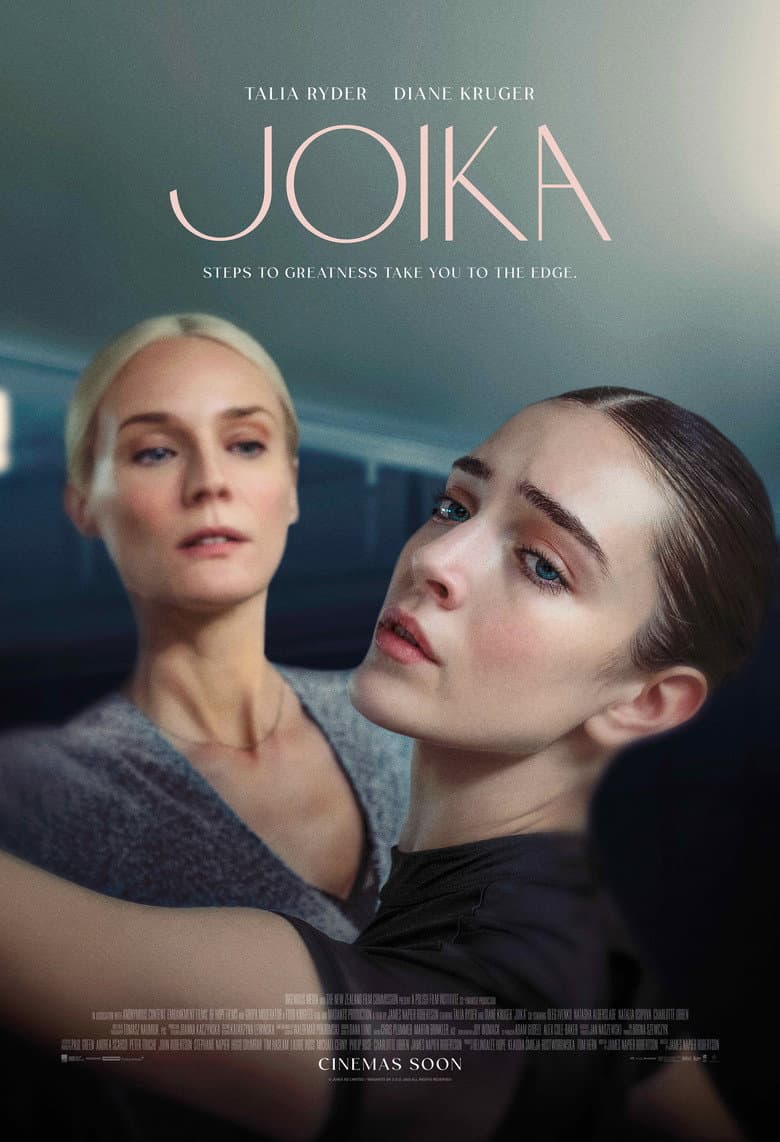
Movie · 2023
American ballet dancer Joy Womack is accepted into Moscow's infamously tough Bolshoi Ballet Academy, with the dream of becoming a great ballerina.
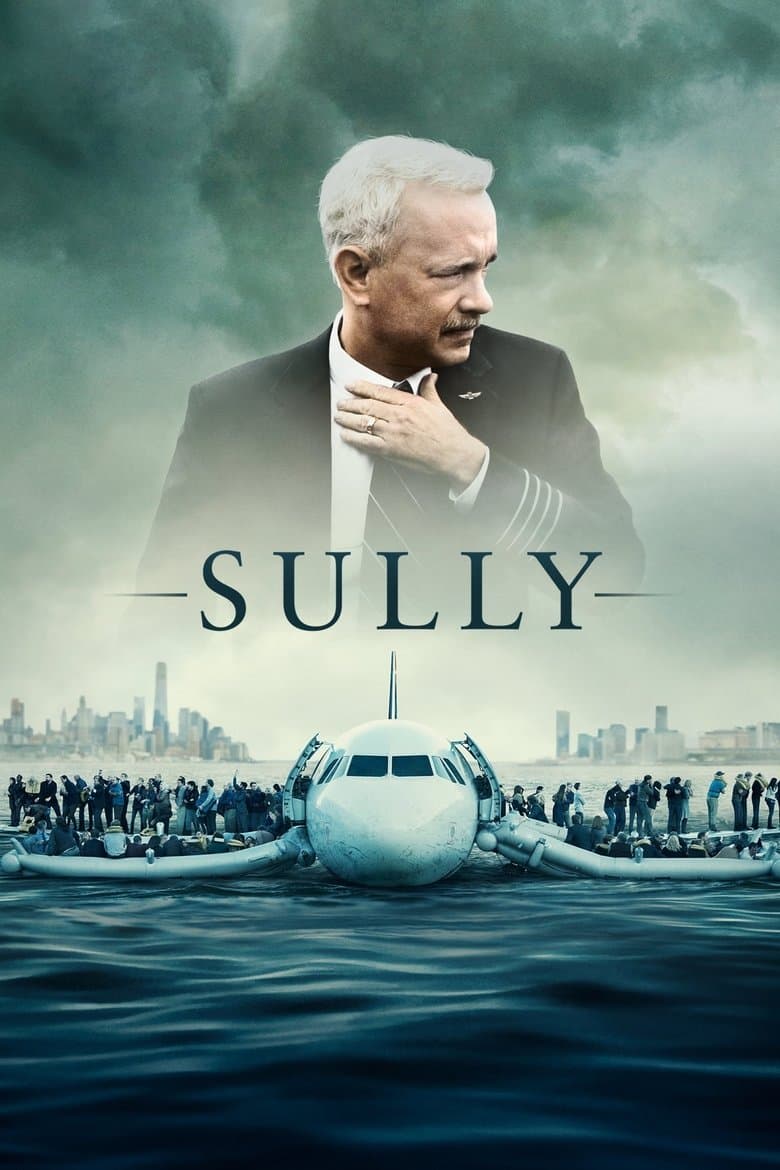
Movie · 2016
On 15 January 2009, the world witnessed the 'Miracle on the Hudson' when Captain 'Sully' Sullenberger glided his disabled plane onto the Hudson River, saving the lives of all 155…
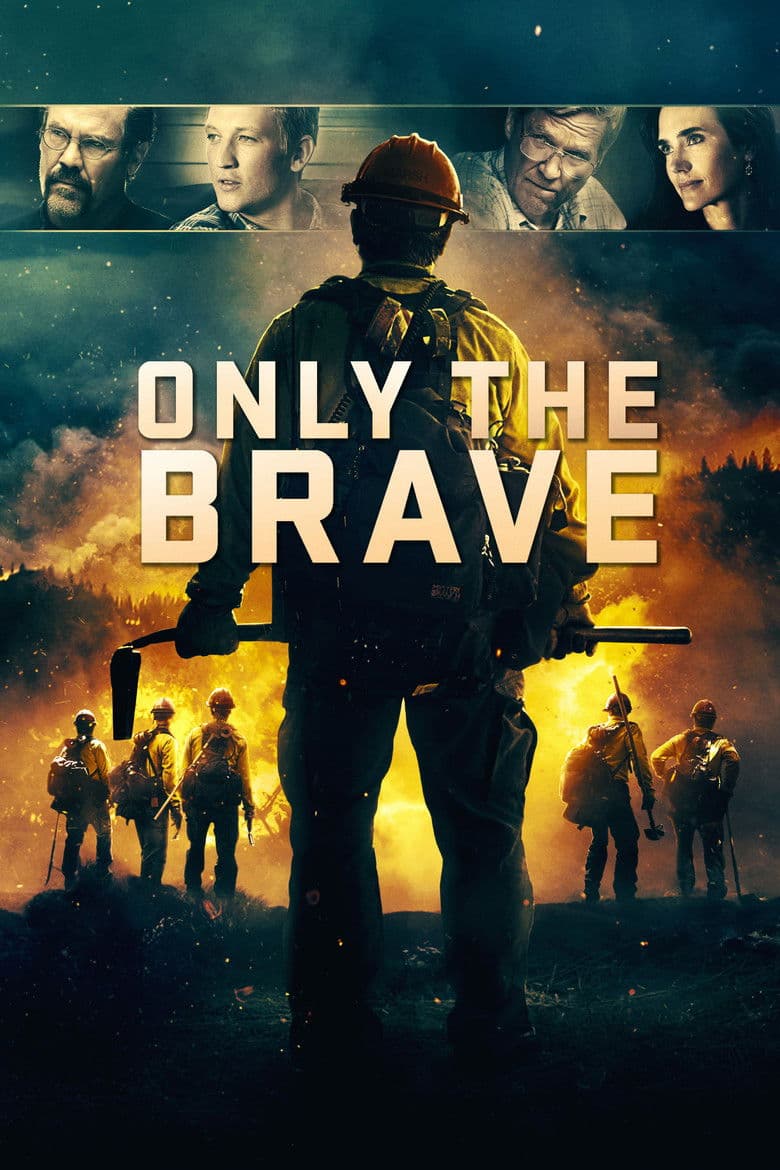
Movie · 2017
Members of the Granite Mountain Hotshots battle deadly wildfires to save an Arizona town.
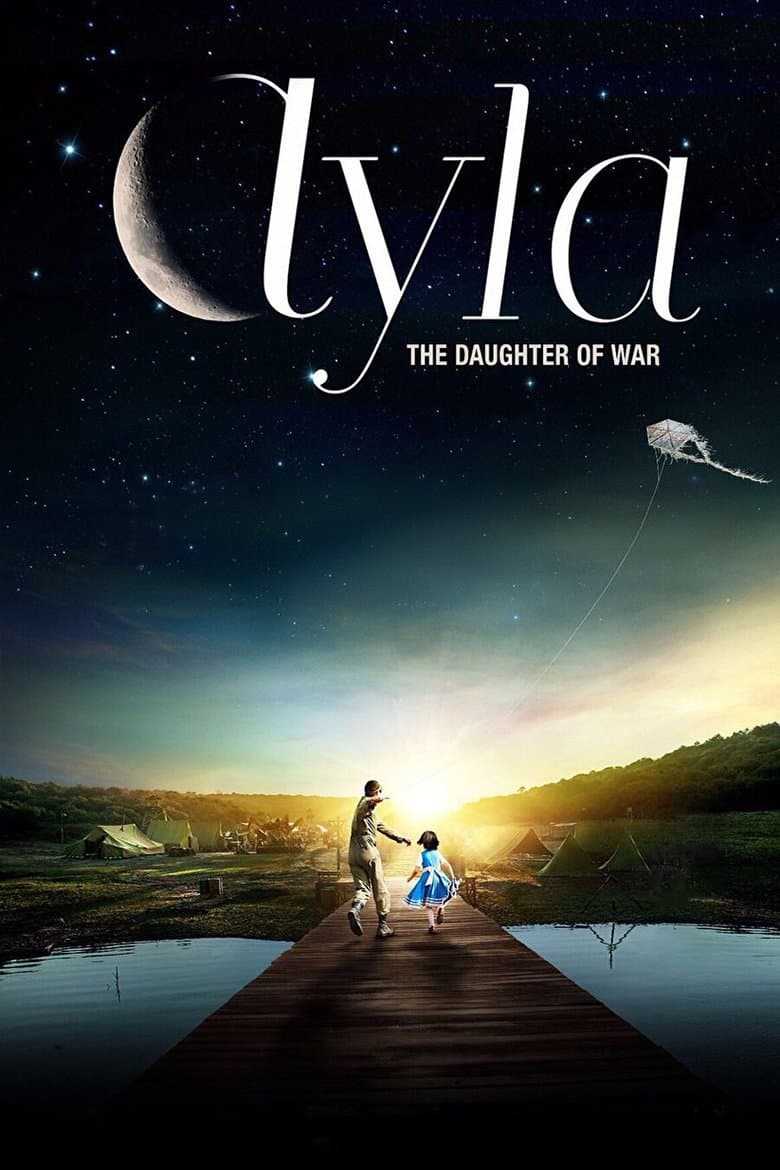
Movie · 2017
In 1950, amidst the ravages of the Korean War, Sergeant Süleyman stumbles upon a a half-frozen little girl, with no parents and no help in sight and he risks his own life to save…
Movie · 2016
In a desolate war zone where screams of the innocent echo, on the very line between disaster and valor, 7 Maroon Berets will dance with death.
