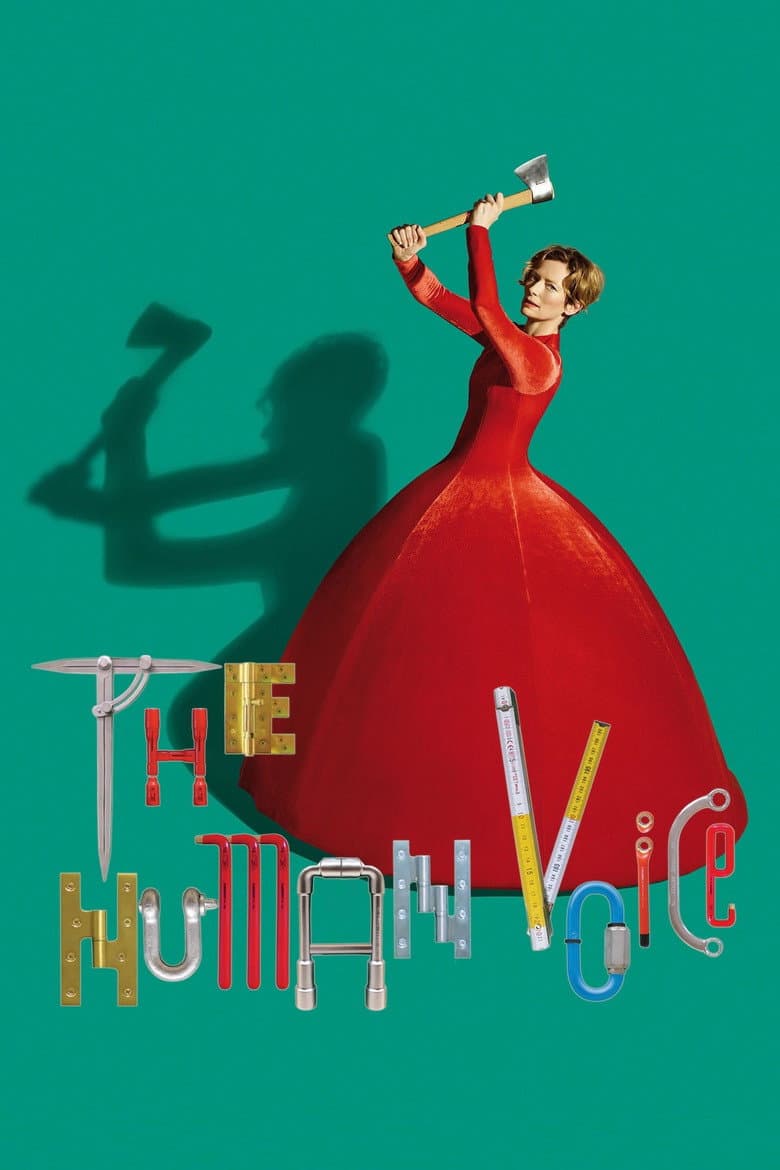
The Human Voice follows an unnamed actress who waits in a bright apartment for her former lover to collect his bags. The man has left her, and the dog he abandoned stays with her through three lonely days. She tries to stay calm during their final phone call, but grief, anger, and thoughts of self-harm push her close to a breakdown. The short uses a staged apartment, bold clothes, and dark humor to turn a private breakup into a tense and strange drama.
The film gives the woman a clear move from dependence to control. She admits that she acted submissive and changed herself for the relationship, then she rejects that role and leaves the set with the dog. The ending treats her revenge and escape as a statement of independence, which adds a modern feminist message to the older play. That message stays tied to one breakup, and the film does not turn it into a wider political story.
Community feedback
Was our 58% Woke rating accurate?
Breakdown
These are the editorial factors and ratings behind our score for The Human Voice.
Woke representation / casting
Not present. The film centers on one unnamed woman and uses no diversity pattern. No identity-based casting message is part of the story.
0%
Woke political dialogue
Not present. The phone call discusses abandonment, pills, jealousy, and acting. It contains no modern activist, identity, DEI, or gender-politics lines.
0%
Identity-driven story themes
The film makes a woman’s loss of self and return to control the center of its story. The woman says she became special, daring, submissive, and thin for her lover. She changes from waiting for him to rejecting the role he gave her, and she leaves with the dog after destroying the set. The ending presents revenge and independence as a way to begin again. This is a clear modern feminist thread, but it stays inside one breakup.
45%
Western institutional / cultural critique
The film treats the ex-lover’s abandonment and the woman’s old submissive role as harmful. The woman says she changed her behavior and appearance to please him, and she later refuses to keep waiting. The story moves her toward independence, but it does not attack a wider institution or make a broad claim about men, family, religion, or society.
32%
Woke character or canon changes
Jean Cocteau’s play shows a woman trapped in guilt and submission, while this version gives her more choice and a new ending. The film changes the story so she takes revenge on the man’s suit and walks away from the set with the dog. Almodóvar said he changed the ending into a statement of independence because the older woman no longer fit a modern woman. This is a major change in a short adaptation.
55%
Anti-woke backlash and complaints
Not present. Web reviews and audience posts discuss the film’s acting, style, length, and breakup story. No anti-woke complaint, boycott, or review-bomb about DEI, identity politics, or activist content was found, and the separate X pass found none.
0%
Creator track record context
Pedro Almodóvar has a long record of queer, women-centered, and anti-patriarchal stories. His stored creator score is 85/100. Agustín Almodóvar and Esther García have stored scores of 58/100 and 67/100 because they often support LGBTQ stories and women’s equality. This title uses Pedro’s familiar focus on a woman seeking freedom, so the creator context is strong.
80%
Production

Movie · 2023
The story of J. Robert Oppenheimer's role in the development of the atomic bomb during World War II.
Movie · 2019
Richard Jewell thinks quick, works fast, and saves hundreds, perhaps thousands, of lives after a domestic terrorist plants several pipe bombs and they explode during a concert…
Movie · 2020
A man refuses all assistance from his daughter as he ages and, as he tries to make sense of his changing circumstances, he begins to doubt his loved ones, his own mind and even…
Movie · 2016
On 15 January 2009, the world witnessed the 'Miracle on the Hudson' when Captain 'Sully' Sullenberger glided his disabled plane onto the Hudson River, saving the lives of all 155…

Movie · 2022
Based on a true tragedy, the emotionally triggering film sheds light on the plight of Kashmiri Pandits (Hindus), a religious minority in the 1990s Kashmir valley, who were…
Movie · 2022
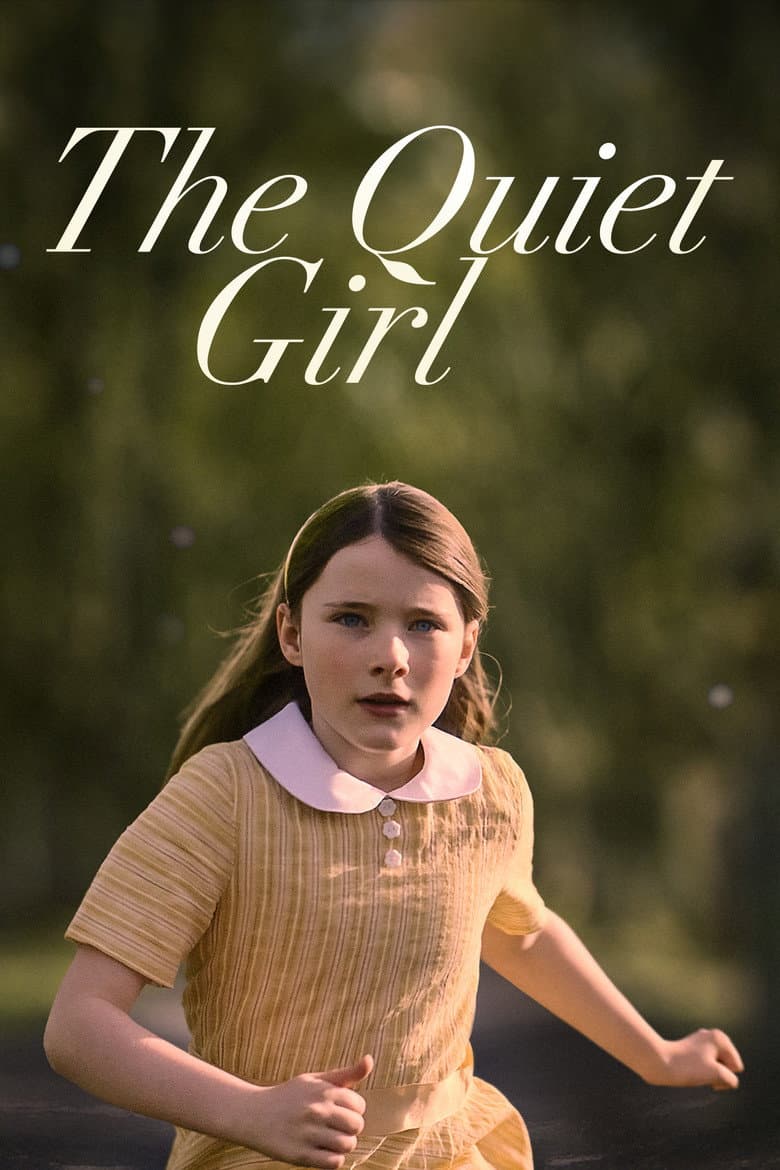
A quiet, neglected girl is sent away from her dysfunctional family to live with relatives for the summer. She blossoms in their care, but in this house where there are meant to be…

Movie · 2023
The true story of the inseparable Von Erich brothers, who made history in the intensely competitive world of professional wrestling in the early 1980s.

Movie · 2016
In a desolate war zone where screams of the innocent echo, on the very line between disaster and valor, 7 Maroon Berets will dance with death.
