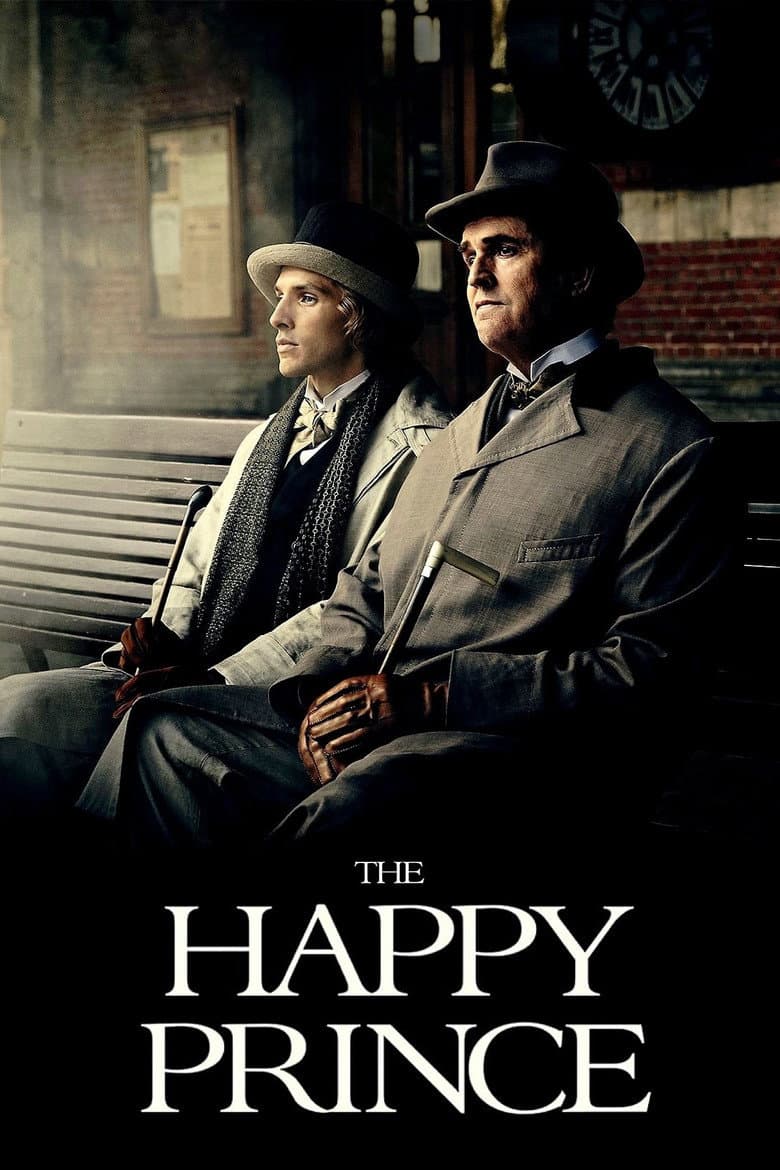
Oscar Wilde is a famous writer who has just left prison in 1897. He is sick, poor, and living in exile in France after being punished for loving men. Memories carry him from his poor room back to earlier years of fame and family life. The sad drama follows his fading health, sharp wit, and struggle to choose between desire, comfort, and loyal friendship.
Wilde’s relationships with Bosie Douglas and Robbie Ross shape nearly every part of the story. Bosie brings passion and ruin, while Robbie offers steady care and a link to faith. The film shows Wilde’s male lovers, sexual life, and the shame forced on him by Victorian law and society. The film treats his same-sex life with sympathy, but it also shows his selfishness, drug use, poverty, and damage to his wife and sons.
Community feedback
Was our 58% Woke rating accurate?
Breakdown
These are the editorial factors and ratings behind our score for The Happy Prince.
Woke representation / casting
Not present. The main cast matches the European historical setting and the real people in Wilde’s life. The film does not use a repeated identity-based casting pattern beyond its central subject.
0%
Woke political dialogue
Not present. The characters discuss homosexuality, prison, shame, faith, and social hypocrisy as part of Wilde’s period story. The film does not use modern DEI or activist speeches.
0%
Identity-driven story themes
Oscar Wilde’s sexuality and his love for men drive the main story. The film follows his affair with Bosie, his bond with Robbie Ross, and the harm caused by his conviction for homosexuality. Wilde’s exile, shame, prison trauma, and search for love all grow from that identity and those relationships. The film treats his same-sex life with sympathy, even while showing his selfish choices and destructive habits.
88%
Western institutional / cultural critique
Not present. The film shows Victorian law and social hostility harming Wilde, but it presents those events as part of his historical case. The story does not turn them into a modern activist attack on current Western institutions, family life, or religion.
0%
Woke character or canon changes
Not relevant. The film presents Oscar Wilde, Bosie Douglas, Robbie Ross, and Constance Wilde as historical people. It does not switch a historical person’s race, sex, or sexuality.
0%
Anti-woke backlash and complaints
Not present. No clear anti-woke backlash appears in the reviewed coverage. Public complaints focus on the film’s slow pace, confusing structure, or heavy style.
0%
Creator track record context
Rupert Everett has a strong queer-centered public career and has often spoken about gay identity, Hollywood homophobia, and Oscar Wilde. His public statements about this film call Wilde a key figure in gay liberation and say the story can give LGBTQ people useful history. The film closely matches that record because it centers Wilde’s male lovers, gay identity, and punishment for homosexuality. The producers have mostly general film backgrounds, so Everett is the main creator context.
72%
Production
Movie · 2019
Richard Jewell thinks quick, works fast, and saves hundreds, perhaps thousands, of lives after a domestic terrorist plants several pipe bombs and they explode during a concert…
Movie · 2025
Diagnosed with Tourette Syndrome at 15, John Davidson navigates his way against the odds through troubled teenage years and into adulthood, finding inspiration in the kindness of…
Movie · 2016
WWII American Army Medic Desmond T. Doss, who served during the Battle of Okinawa, refuses to kill people and becomes the first Conscientious Objector in American history to…
Movie · 2022
A quiet, neglected girl is sent away from her dysfunctional family to live with relatives for the summer. She blossoms in their care, but in this house where there are meant to be…
Movie · 2017
Members of the Granite Mountain Hotshots battle deadly wildfires to save an Arizona town.
Movie · 2022
Based on a true tragedy, the emotionally triggering film sheds light on the plight of Kashmiri Pandits (Hindus), a religious minority in the 1990s Kashmir valley, who were…
Movie · 2023
American ballet dancer Joy Womack is accepted into Moscow's infamously tough Bolshoi Ballet Academy, with the dream of becoming a great ballerina.

Movie · 2023
The true story of the inseparable Von Erich brothers, who made history in the intensely competitive world of professional wrestling in the early 1980s.
