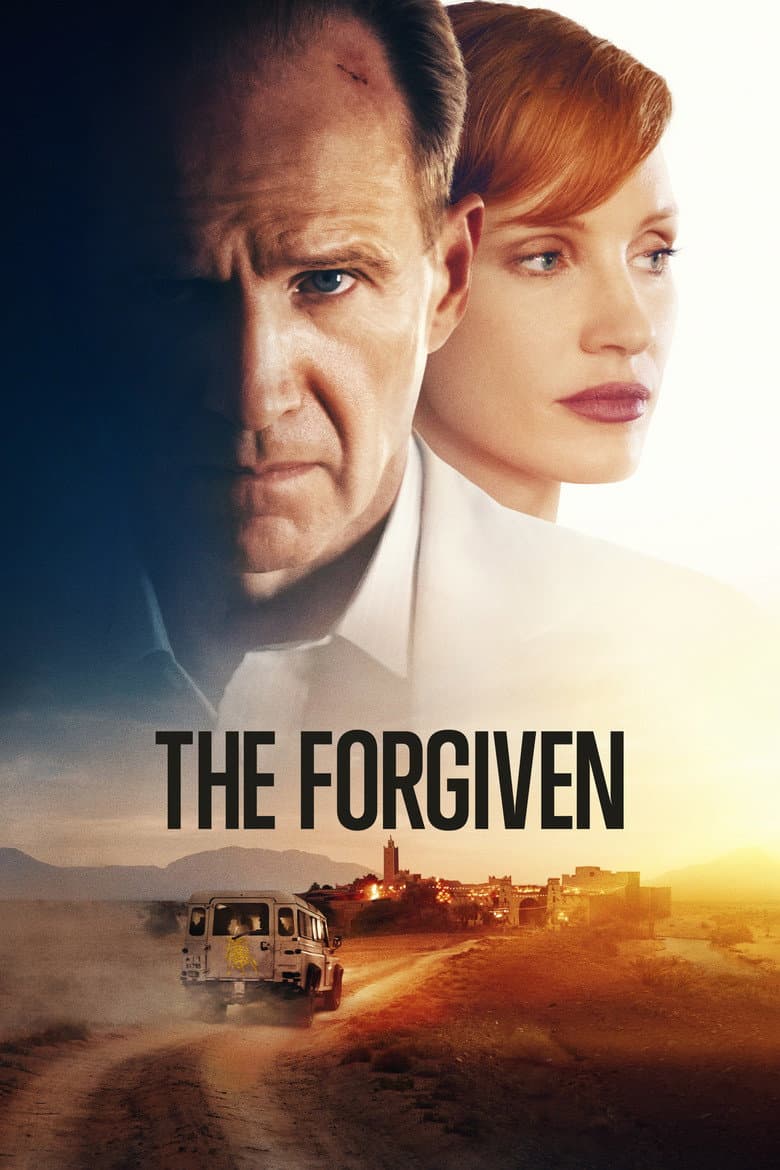
David Henninger is an angry English doctor who travels to a rich party in Morocco with his unhappy wife, Jo. David drinks during their night drive through the High Atlas Mountains and hits a local teen with his car. The boy’s father makes David take the body back to his village for the burial. Jo stays at the desert villa, where the wealthy guests keep partying as danger builds. The story moves between tense danger and cruel dark humor.
The film repeatedly shows David and the other Western guests using cruel words and treating local people as servants or problems. The story contrasts their money, drugs, and careless behavior with the grief and hard lives of the Berber family. The main moral question is whether David can face the death he caused and earn any forgiveness. A gay male couple host the villa party, but their relationship does not drive the main conflict.
Community feedback
Was our 30% Woke rating accurate?
Breakdown
These are the editorial factors and ratings behind our score for The Forgiven.
Woke representation / casting
Richard and Dally are a gay male couple who host the party. Their relationship stays visible during the villa scenes but does not drive the main crisis. The lead couple are heterosexual visitors, and the local roles are Moroccan or Berber people in a Morocco-set story.
14%
Woke political dialogue
David repeatedly uses racist language about local people. The villa guests speak and act as if money can solve a boy’s death. The script includes talk of colonialism and shows a race and class gap. The dialogue makes the issue part of David’s moral test rather than a call for a current political cause.
28%
Identity-driven story themes
The plot places David’s guilt beside the grief of a Berber father. The journey gives local men control over the terms of forgiveness. The story keeps returning to the gap between rich Western visitors and poor local families. The film uses that gap for a personal moral story, not a present-day activist campaign.
30%
Western institutional / cultural critique
The party scenes mock rich Western guests who treat Morocco as a place for luxury and excess. The Western guests keep enjoying comfort after a local boy dies. The film contrasts their behavior with the work and grief of local people. The story criticizes cultural arrogance rather than starting a broader attack on family, faith, or a modern government.
30%
Woke character or canon changes
Not relevant. The film uses fictional characters and does not alter a known canon or real history.
0%
Anti-woke backlash and complaints
One audience review called the film a show-off liberal story about racism. Most online audience comments focused on the slow pace, dark tone, or acting. Available search results showed no broad anti-woke campaign or news backlash.
5%
Creator track record context
Cached scores rate John Michael McDonagh and Lawrence Osborne at 4. Most listed producers and casting leaders have low cached scores from 0 to 14. Ollie Madden has a cached score of 23, but no stored account links him to an activist push in this movie.
7%
Production
Movie · 2019
Richard Jewell thinks quick, works fast, and saves hundreds, perhaps thousands, of lives after a domestic terrorist plants several pipe bombs and they explode during a concert…
Movie · 2022
London, 1953. Mr. Williams, a veteran civil servant, is an important cog within the city's bureaucracy as it struggles to rebuild in the aftermath of World War II.
Movie · 2026
While people across 1990s Iraq struggle to survive the war and food shortages, Saddam Hussein requires each school in the country to prepare a cake to celebrate his birthday.
Movie · 2022
Based on a true tragedy, the emotionally triggering film sheds light on the plight of Kashmiri Pandits (Hindus), a religious minority in the 1990s Kashmir valley, who were…
Movie · 2023
The true story of the inseparable Von Erich brothers, who made history in the intensely competitive world of professional wrestling in the early 1980s.
Movie · 2022
A quiet, neglected girl is sent away from her dysfunctional family to live with relatives for the summer. She blossoms in their care, but in this house where there are meant to be…
Movie · 2016
WWII American Army Medic Desmond T. Doss, who served during the Battle of Okinawa, refuses to kill people and becomes the first Conscientious Objector in American history to…
Movie · 2017
Members of the Granite Mountain Hotshots battle deadly wildfires to save an Arizona town.
