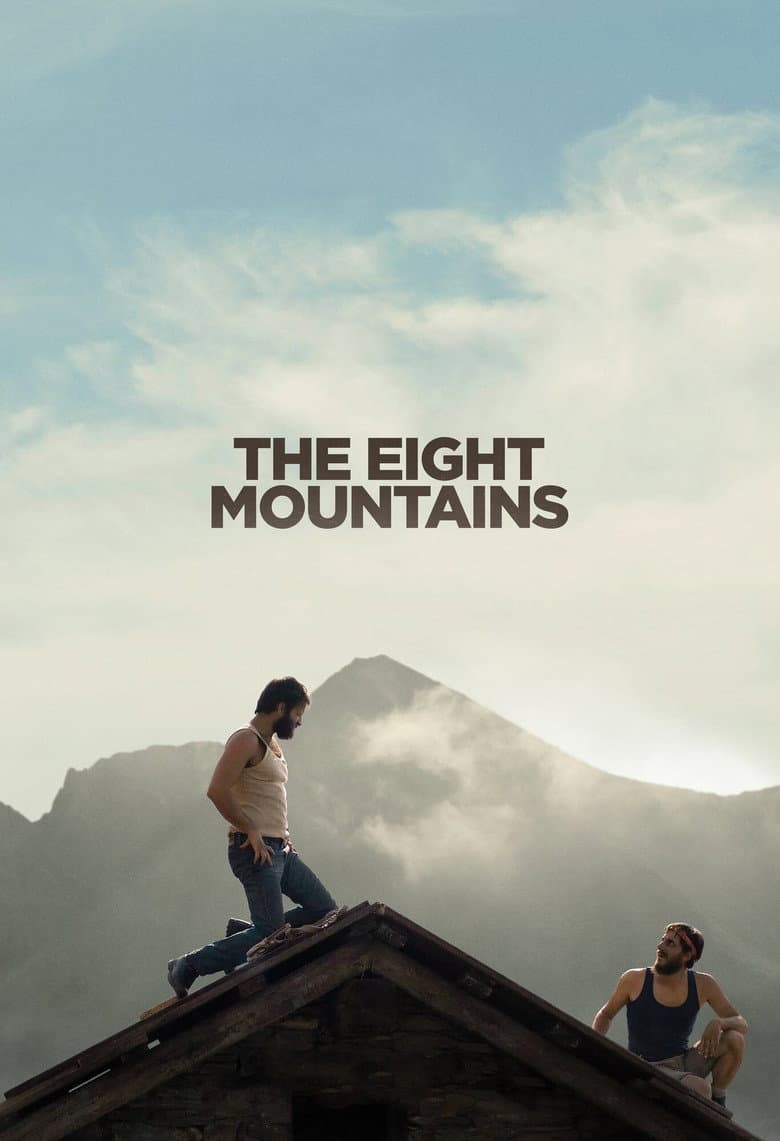
The Eight Mountains follows Pietro, a quiet boy from Turin, and Bruno, the last child in a small village in the Italian Alps. They meet during a summer holiday in 1984 and build a friendship that keeps returning to the mountains as they grow older. Pietro travels, writes, and searches for a place in the world, while Bruno stays near home and tries to live from farming and cheese making. Their bond faces distance, hurt from their fathers, money trouble, love, and death in a slow and sad drama.
The film gives most of its time to friendship between two men, family wounds, and the pull of the mountains. It contrasts busy city life with a harder life rooted in land, work, and local memory. Pietro falls in love with Asmi, a Nepali teacher, after he travels to Nepal, while Bruno builds a family with Lara. The film treats nature as both a place of wonder and a force that can destroy, and it asks whether a person should keep searching or stay loyal to home.
Community feedback
Was our 20% Woke rating accurate?
Breakdown
These are the editorial factors and ratings behind our score for The Eight Mountains.
Woke representation / casting
Not present. Pietro and Bruno are Italian men from the Alps, and Asmi is a Nepalese woman in the Nepal part of the story. The casting follows the places and characters rather than showing a diversity-first pattern.
0%
Woke political dialogue
Not present. The film has no repeated lines about DEI, gender politics, or modern activist causes. Its spoken conversations concern friendship, fathers, work, nature, and how to live.
0%
Identity-driven story themes
The film makes male emotional openness part of the story. Bruno starts with a handshake and ends with a hug, while the men slowly learn to speak about grief and love. This challenges the old idea that men should hide all feelings, but it remains a small human message rather than an identity-politics plot. The main focus stays on friendship, fathers, and nature.
12%
Western institutional / cultural critique
The film contrasts city life with a mountain life built on land, work, and local knowledge. Bruno says city people turn nature into an abstract idea, while the farming story shows new rules and costly equipment pushing old farmers into debt. The film also shows the limits and pain of mountain life, so its criticism of modern society stays mild and local.
18%
Woke character or canon changes
The novel did not include a Nepalese love story for Pietro. The film adds Asmi, a Nepalese schoolteacher, as his partner after he travels there. The directors said they chose a local woman instead of a European woman so the Nepal section would fit its setting and honor the community. This is a small identity-related change, and it does not change the main friendship story.
18%
Anti-woke backlash and complaints
Not present. The X search found no anti-woke complaints, and wider coverage showed no sustained fight over DEI or identity politics. One Italian audience review made an isolated claim about fashionable stereotypes and LGBT hints, but it did not spread beyond that review.
0%
Creator track record context
The two directors have low stored woke scores and are known mainly for personal human dramas. Paolo Cognetti has mild environmental and anti-establishment themes but no strong record of identity-politics activism. Several producers have worked on queer or gender-focused films, which adds some context. The film itself follows the directors’ lower-key pattern of friendship, family, and nature.
22%
Production
Movie · 2016
WWII American Army Medic Desmond T. Doss, who served during the Battle of Okinawa, refuses to kill people and becomes the first Conscientious Objector in American history to…
Movie · 2023
American ballet dancer Joy Womack is accepted into Moscow's infamously tough Bolshoi Ballet Academy, with the dream of becoming a great ballerina.
Movie · 2020
A man refuses all assistance from his daughter as he ages and, as he tries to make sense of his changing circumstances, he begins to doubt his loved ones, his own mind and even…
Movie · 2017
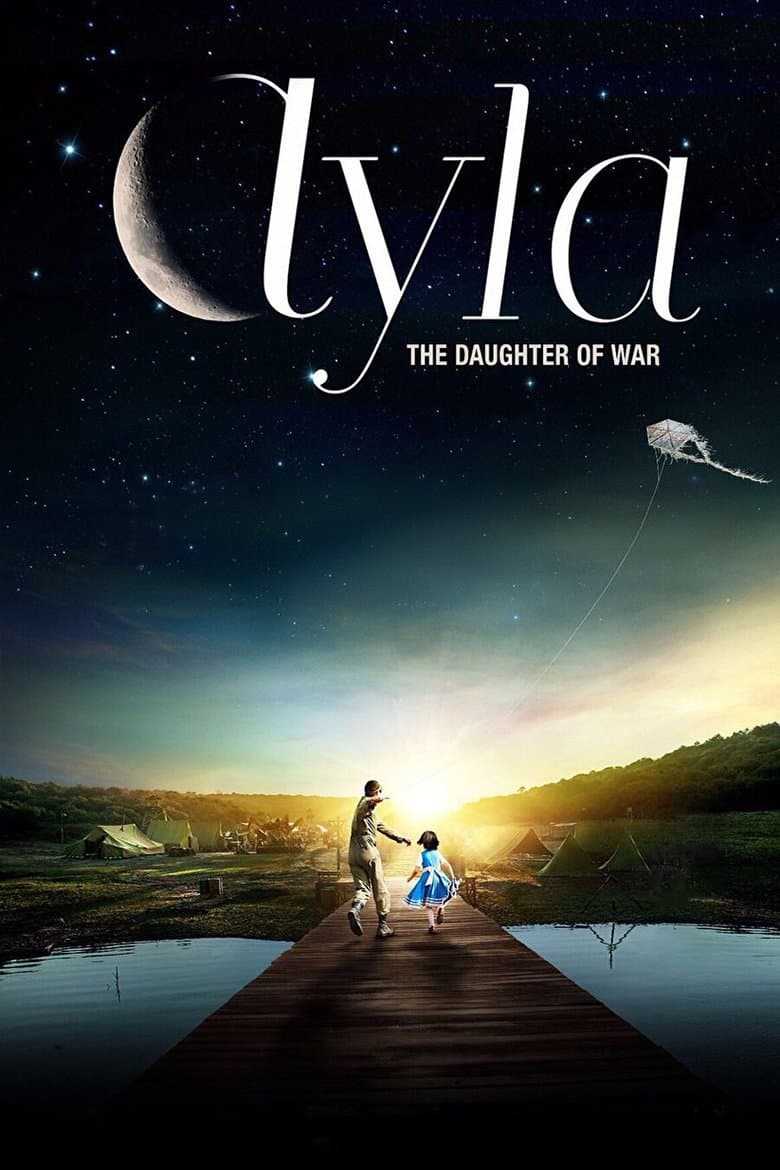
In 1950, amidst the ravages of the Korean War, Sergeant Süleyman stumbles upon a a half-frozen little girl, with no parents and no help in sight and he risks his own life to save…

Movie · 2020
Four stagnant high school teachers decide to test out a theory that maintaining a constant level of intoxication will improve their overall lives.
Movie · 2022
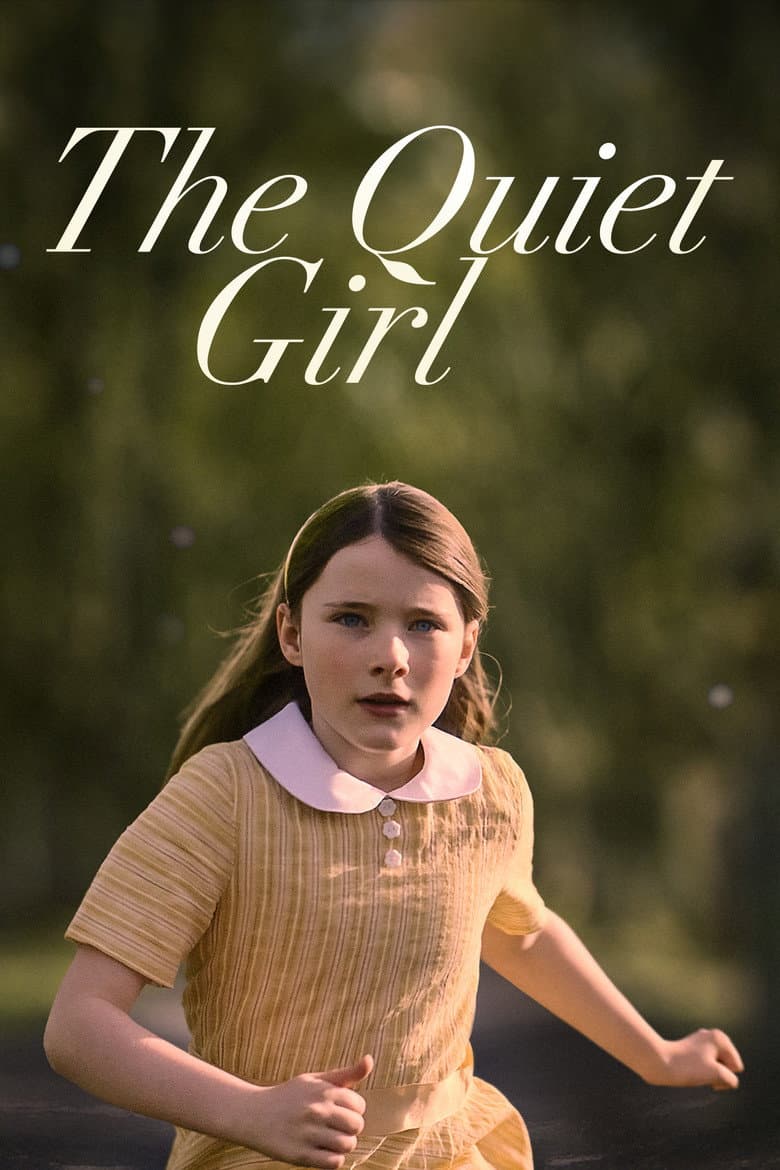
A quiet, neglected girl is sent away from her dysfunctional family to live with relatives for the summer. She blossoms in their care, but in this house where there are meant to be…
Movie · 2025
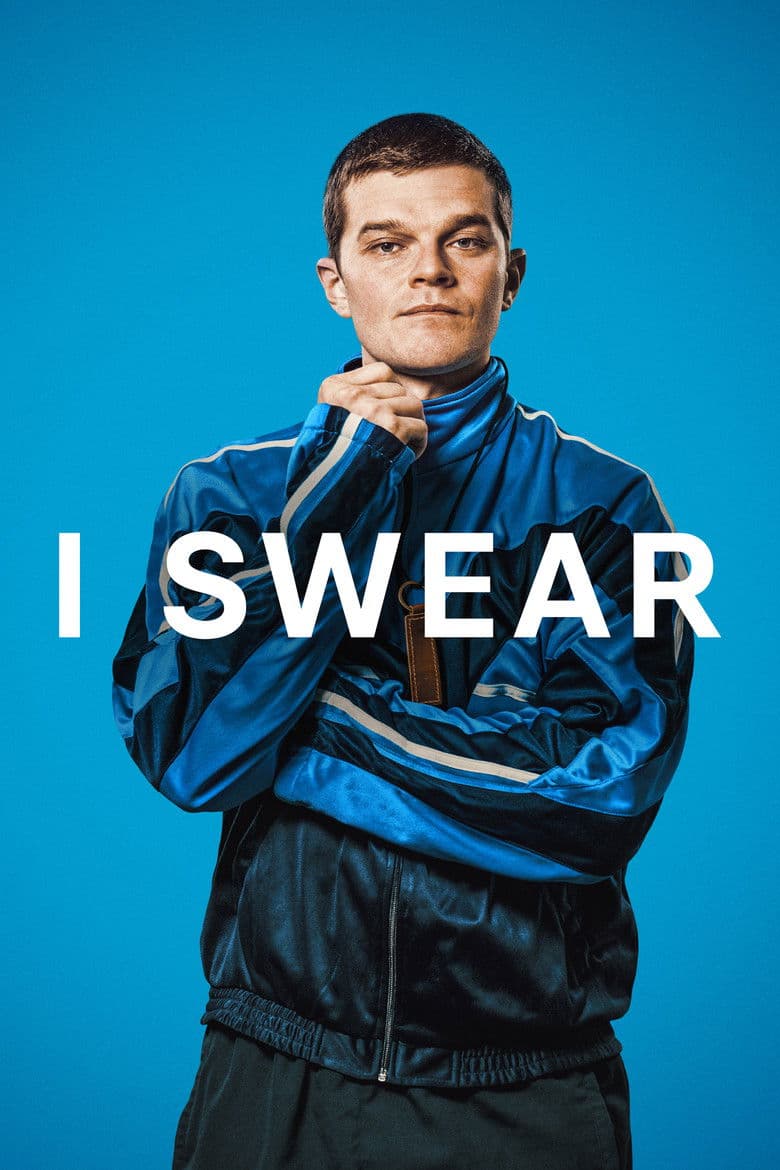
Diagnosed with Tourette Syndrome at 15, John Davidson navigates his way against the odds through troubled teenage years and into adulthood, finding inspiration in the kindness of…
Movie · 2022
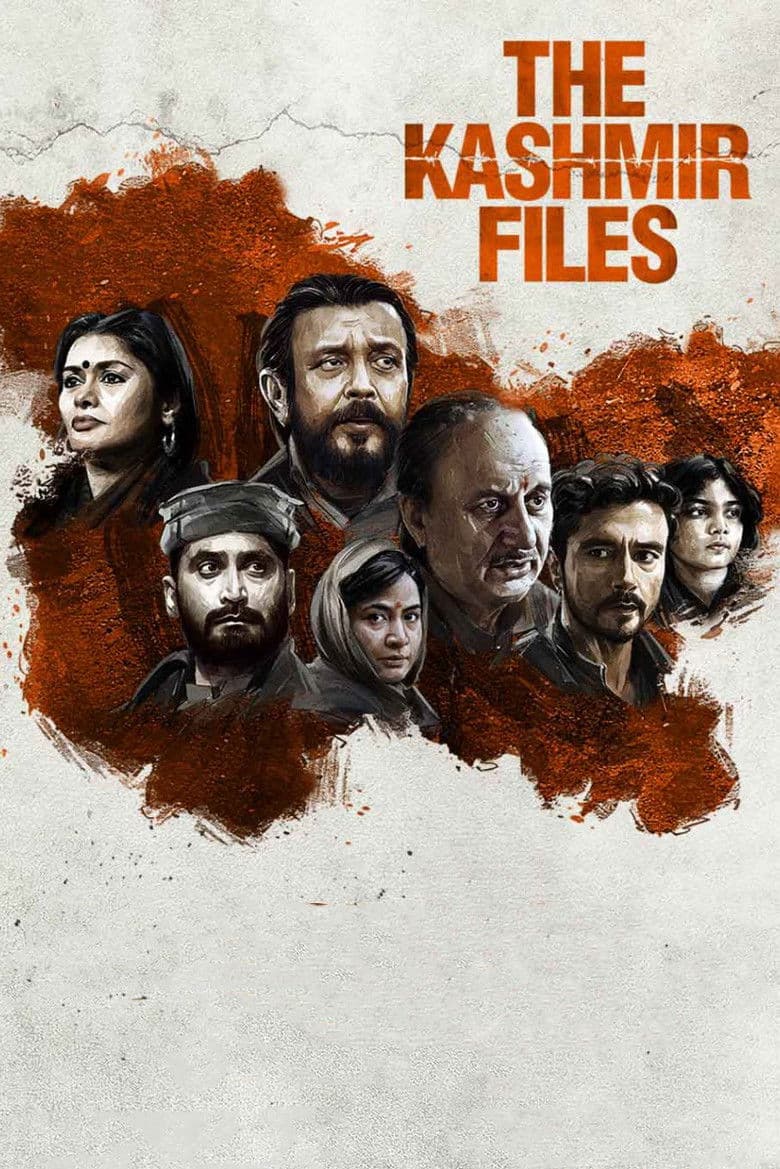
Based on a true tragedy, the emotionally triggering film sheds light on the plight of Kashmiri Pandits (Hindus), a religious minority in the 1990s Kashmir valley, who were…
