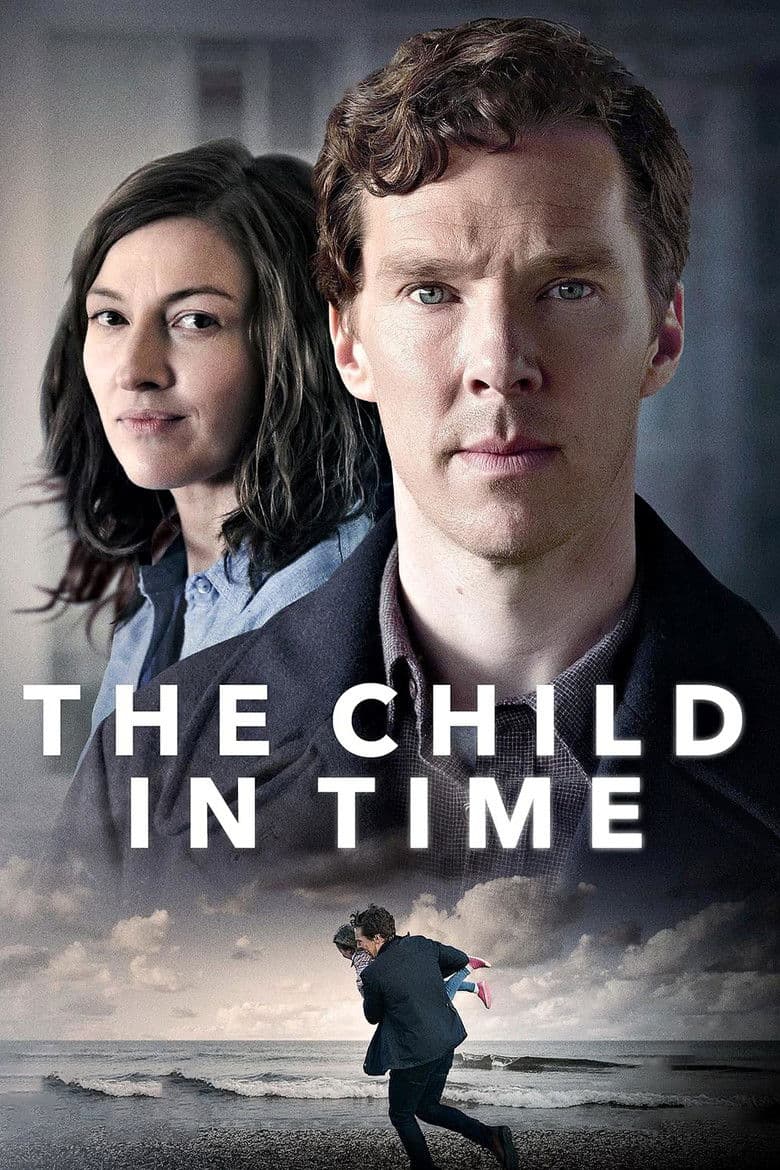
Stephen Lewis is a well-known writer of children's books who loses his four-year-old daughter, Kate, in a supermarket. He and his wife, Julie, cannot grieve in the same way, so the marriage breaks apart. Stephen moves through London, the coast, memories, and strange moments that seem to bend time. The drama feels sad, quiet, and sometimes dreamlike, but it ends with a small sign of hope.
The film includes a short but clear attack on government childcare plans and the money pressures that push parents toward outside care. A radio report says low-paid care workers and distant grandparents weaken family life. Stephen also hears that a government handbook has already been written and calls it a love letter to the past. These points add a mild political edge, but the story mainly follows grief, marriage, friendship, childhood, memory, and the choice to keep living after loss.
Community feedback
Was our 32% Woke rating accurate?
Breakdown
These are the editorial factors and ratings behind our score for The Child in Time.
Woke representation / casting
Not present. The main cast fits a modern British drama, and no casting choice is framed as a diversity statement. The film does not stress race, gender, sexuality, or representation through its casting.
0%
Woke political dialogue
A radio report says parents are forced to use strangers because they must earn money for housing and food. The report says low-paid care work harms family life and children. Stephen's committee learns that the government has already written its childcare handbook. Stephen calls the plan a love letter to the past and says the government acts like a control group.
34%
Identity-driven story themes
Not present. The story follows grief, marriage, parenting, memory, childhood, and hope. It does not center race, gender, sexuality, or DEI themes.
0%
Western institutional / cultural critique
The film presents government childcare policy as controlling and dishonest. A radio report links money pressure and low-paid care work to weakened family life. The prime minister and home secretary use the committee to support a plan they have already made. This criticism returns in several scenes but stays secondary to the story about loss.
34%
Woke character or canon changes
Not relevant. The film changes the novel's time setting and reduces some side material, but no race, gender, sexuality, or hero-role rewrite is reported.
0%
Anti-woke backlash and complaints
Not present. Reported reaction focused on grief, acting, and confusion about the time shifts. The supplied X pass and wider searches found no clear claim that the film pushes DEI or identity politics.
0%
Creator track record context
McEwan often writes about gender, power, family, and moral duty. Cumberbatch and Ackland support equal pay and female-led stories. Farino and most other credited creators have little public activist history. These signals add mild context, but they are not central to this film.
32%
Production

Movie · 2025
Diagnosed with Tourette Syndrome at 15, John Davidson navigates his way against the odds through troubled teenage years and into adulthood, finding inspiration in the kindness of…
Movie · 2022
A quiet, neglected girl is sent away from her dysfunctional family to live with relatives for the summer. She blossoms in their care, but in this house where there are meant to be…
Movie · 2019
Richard Jewell thinks quick, works fast, and saves hundreds, perhaps thousands, of lives after a domestic terrorist plants several pipe bombs and they explode during a concert…
Movie · 2020
A man refuses all assistance from his daughter as he ages and, as he tries to make sense of his changing circumstances, he begins to doubt his loved ones, his own mind and even…
Movie · 2023
The story of J. Robert Oppenheimer's role in the development of the atomic bomb during World War II.
Movie · 2016
On 15 January 2009, the world witnessed the 'Miracle on the Hudson' when Captain 'Sully' Sullenberger glided his disabled plane onto the Hudson River, saving the lives of all 155…
Movie · 2023
The true story of the inseparable Von Erich brothers, who made history in the intensely competitive world of professional wrestling in the early 1980s.
Movie · 2017
In 1950, amidst the ravages of the Korean War, Sergeant Süleyman stumbles upon a a half-frozen little girl, with no parents and no help in sight and he risks his own life to save…
