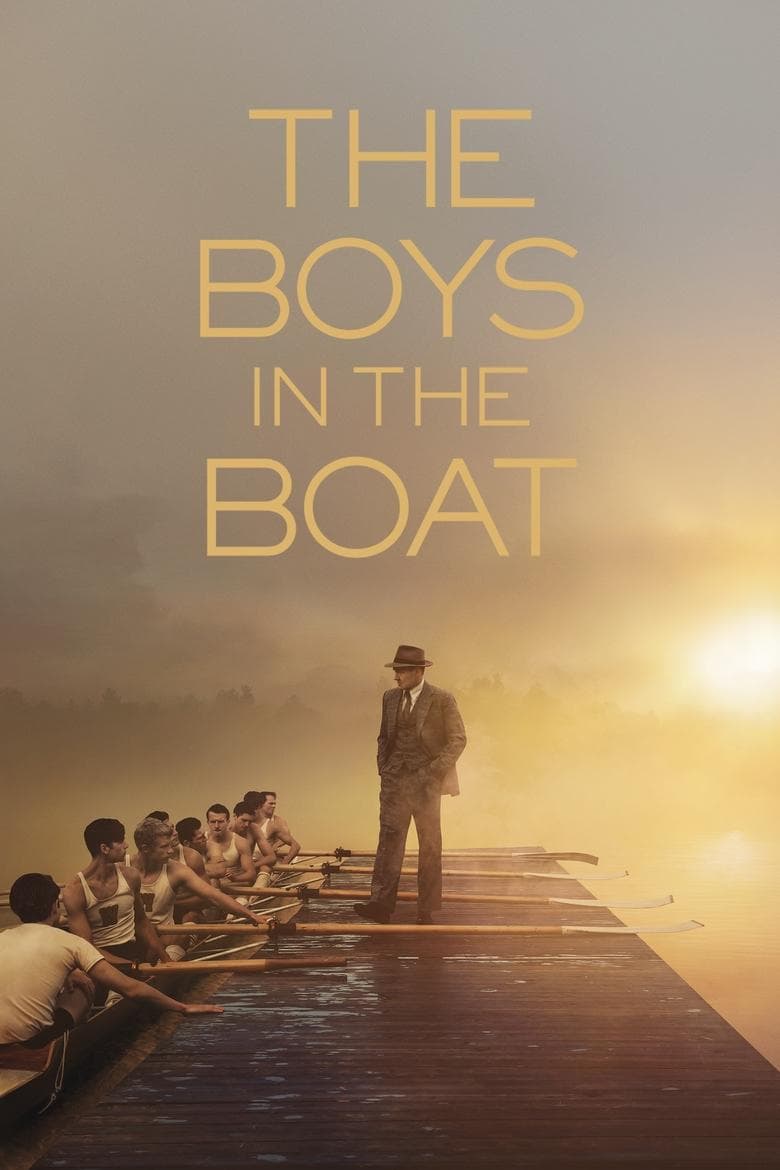
Joe Rantz is a poor college student in the Great Depression. He joins the University of Washington men’s rowing team to get food, a bed, and help with school costs. The team of working-class young men trains hard, beats rich East Coast schools, and earns a trip to the 1936 Olympics in Berlin. The tone is warm, hopeful, and old-fashioned, focused on grit, teamwork, and an underdog sports win.
The story is about hard work, class struggle, and nine men learning to row as one. Viewers see poor kids mop floors for tuition, fight for a place in the boat, and race in front of Hitler. There is a short moment with Jesse Owens that nods to racism in America at the time. The main feelings on screen are friendship, coaching pressure, and winning gold—not modern identity politics, diversity lectures, or activist messaging. A normal viewer would treat this as a classic “true sports” movie about teamwork and the American dream.
Community feedback
Was our 13% Woke rating accurate?
Breakdown
These are the editorial factors and ratings behind our score for The Boys in the Boat.
Woke representation / casting
Cast matches the real 1930s UW men’s crew: almost all white male athletes in lead roles. Jesse Owens is a short, real historical cameo, not a race-swapped main role. No clear DEI-style casting pattern in starring parts.
0%
Woke political dialogue
Talk is mostly about training, money, class, and winning. A short exchange with Jesse Owens mentions prejudice back home. No long modern lectures on identity, gender, or social justice. Class and Depression hardship drive the words, not activist slogans.
12%
Identity-driven story themes
Core themes are poverty, teamwork, trust, and underdogs beating rich schools, then Nazis on the water. Class is visible. Race and gender identity are not the engine of the plot. The film stays a classic sports underdog story more than an identity manifesto.
10%
Western institutional / cultural critique
Soft digs at rich East Coast crews and privilege fit a class underdog sports tale. Nazis are the historical foe, not a stand-in for modern Western guilt. The tone is patriotic and pro-American grit, not a sermon against tradition, faith, or “toxic masculinity.”
0%
Woke character or canon changes
Not relevant. The film shortens and softens the book into a focus on Joe Rantz, which is normal movie adaptation. No race or gender swaps of real people for identity reasons.
0%
Anti-woke backlash and complaints
No meaningful wave of right-leaning claims that the film pushes woke or DEI messaging. Public casting heat was mostly that it looked “too white” or not diverse enough, which does not count for this factor.
0%
Creator track record context
Clooney’s liberal public profile is the main signal (38). Heslov and Brown sit in a mild progressive-history range. Screenwriter Smith and most producers/craft names are low. Overall crew context is light liberal politics, not a heavy identity-activist team.
22%
Production
Movie · 2020
A man refuses all assistance from his daughter as he ages and, as he tries to make sense of his changing circumstances, he begins to doubt his loved ones, his own mind and even…
Movie · 2017
Members of the Granite Mountain Hotshots battle deadly wildfires to save an Arizona town.
Movie · 2016
WWII American Army Medic Desmond T. Doss, who served during the Battle of Okinawa, refuses to kill people and becomes the first Conscientious Objector in American history to…

Movie · 2022
Based on the true nail-biting mission that captivated the world. Twelve boys and the coach of a Thai soccer team explore the Tham Luang cave when an unexpected rainstorm traps…
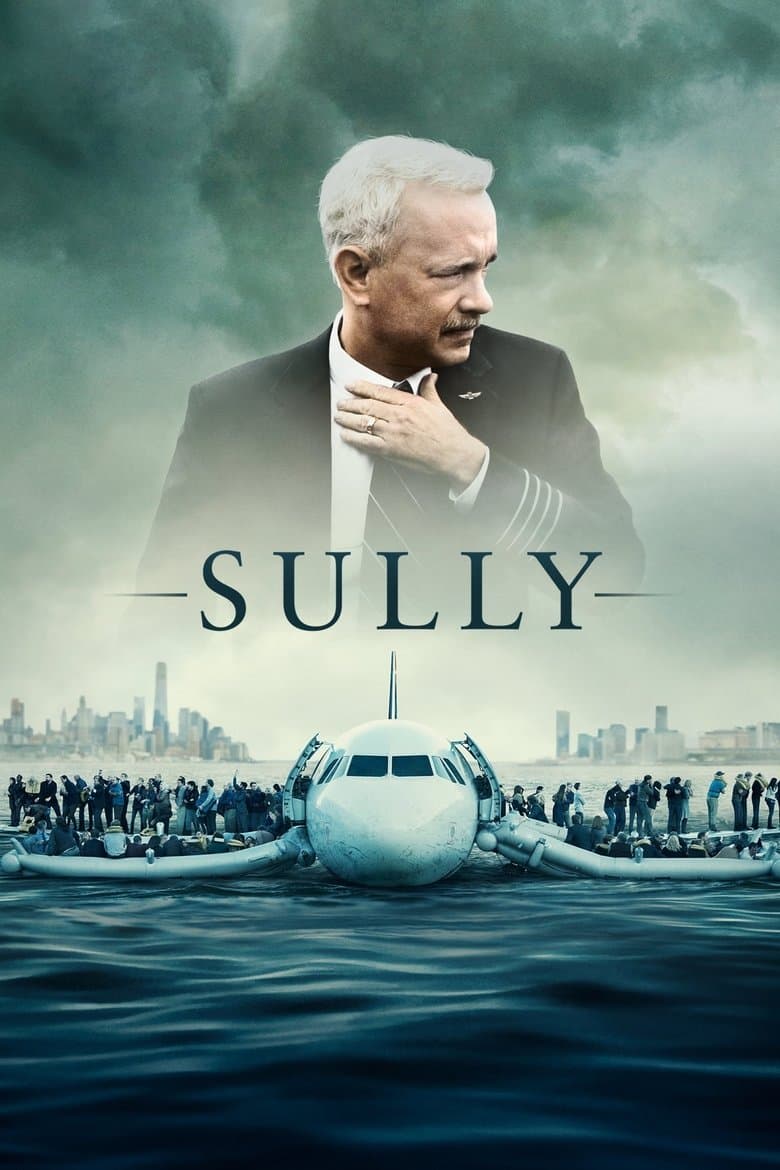
Movie · 2016
On 15 January 2009, the world witnessed the 'Miracle on the Hudson' when Captain 'Sully' Sullenberger glided his disabled plane onto the Hudson River, saving the lives of all 155…

Movie · 2017
In 1950, amidst the ravages of the Korean War, Sergeant Süleyman stumbles upon a a half-frozen little girl, with no parents and no help in sight and he risks his own life to save…
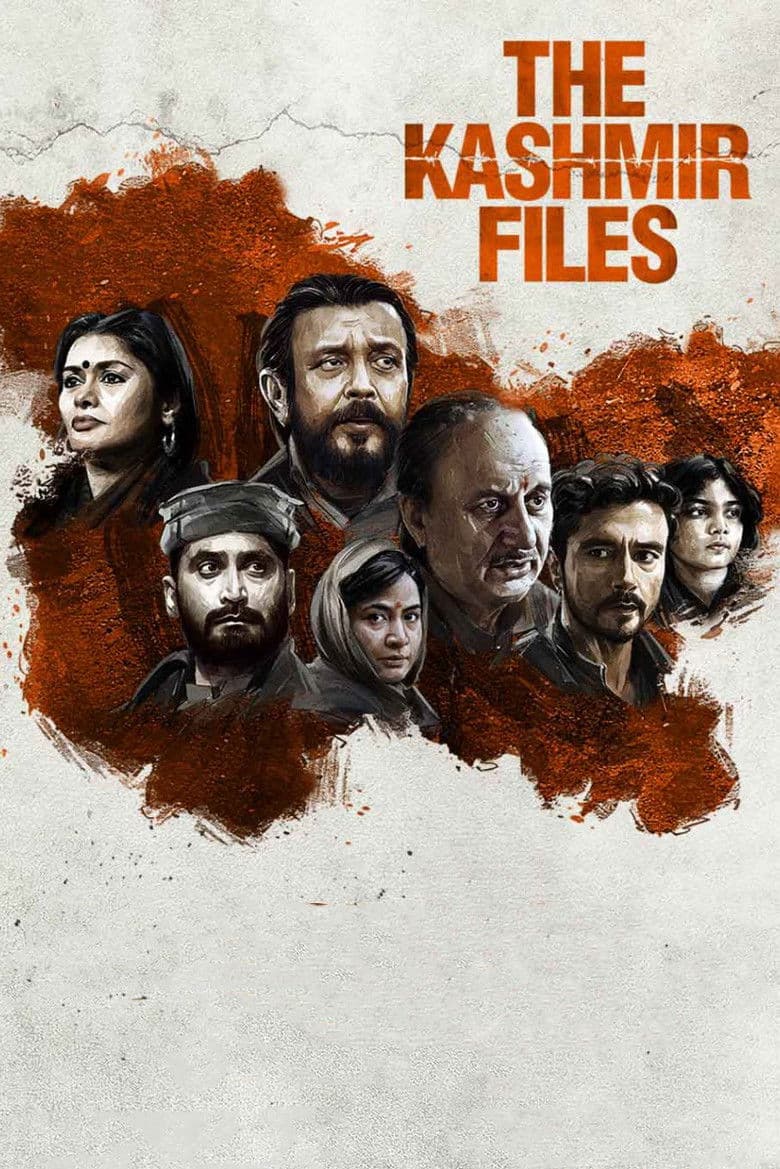
Movie · 2022
Based on a true tragedy, the emotionally triggering film sheds light on the plight of Kashmiri Pandits (Hindus), a religious minority in the 1990s Kashmir valley, who were…
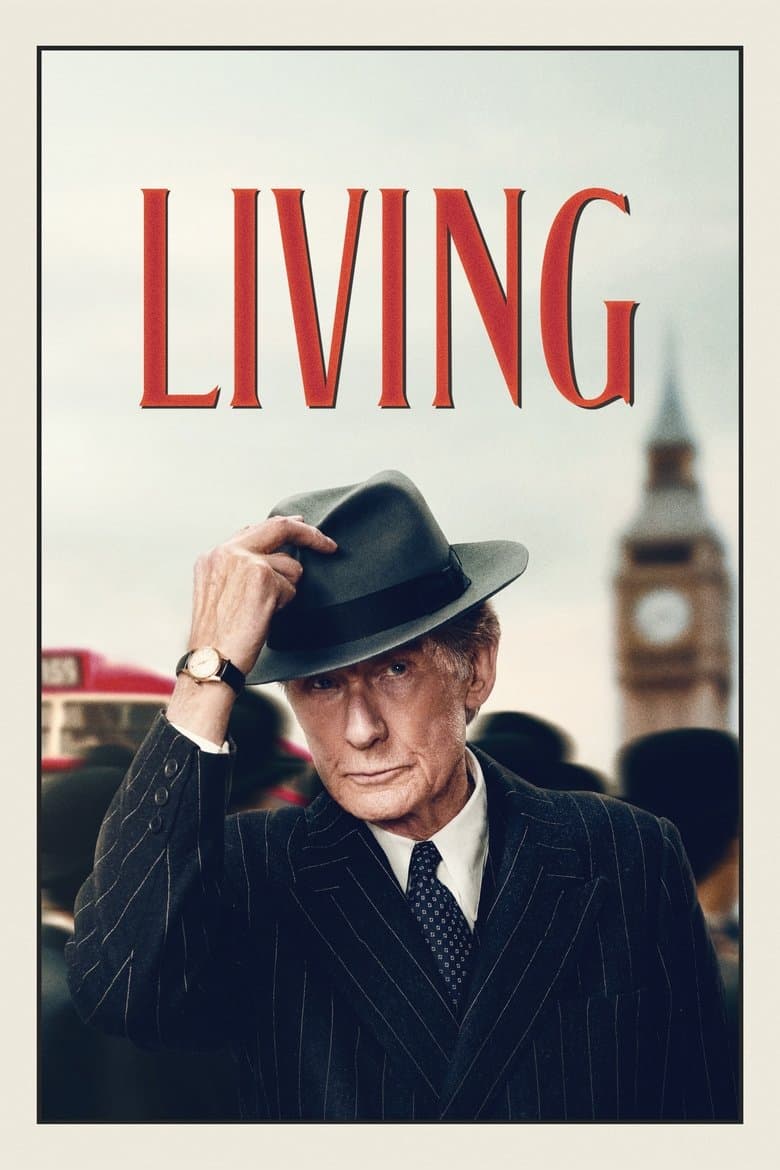
Movie · 2022
London, 1953. Mr. Williams, a veteran civil servant, is an important cog within the city's bureaucracy as it struggles to rebuild in the aftermath of World War II.
