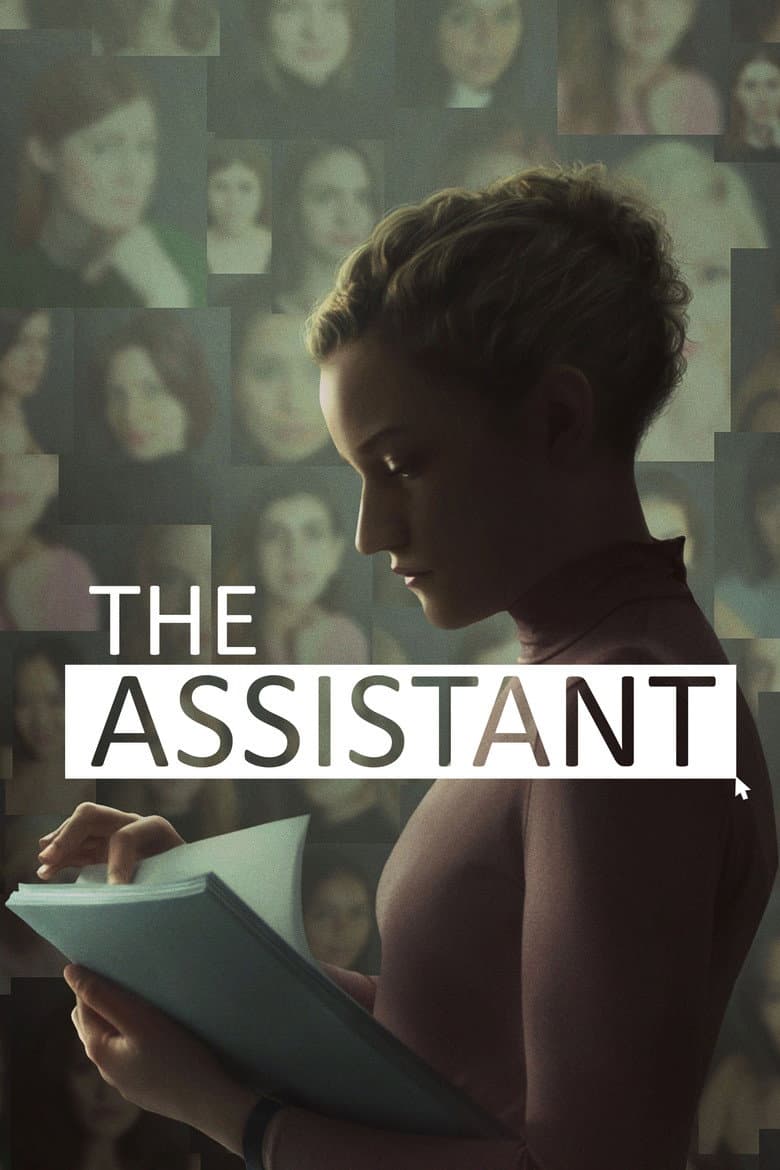
Jane is a young college graduate who starts before dawn at a New York film company. She answers calls, makes coffee, cleans up, and handles jobs that others leave for her while she hopes to become a producer. Her unseen boss rules the office through anger, fear, and quiet threats. Jane begins to suspect that he is using young women and that the whole office helps hide his actions, so the film becomes a slow and tense story about one bad day at work.
The film makes gender a central part of its story. It shows women being given the low and caring tasks while men get better work, more respect, and quicker chances to move up. Jane also faces a male HR worker who turns her concern into a question about jealousy and career goals, which gives the film a clear message about sexism, male power, and systems that protect abuse. The movie has no major race or queer story, no faith message, and no identity-based changes to earlier material, but its repeated focus on women, workplace harassment, and the #MeToo era is hard to miss.
Community feedback
Was our 74% Woke rating accurate?
Breakdown
These are the editorial factors and ratings behind our score for The Assistant.
Woke representation / casting
Not present. The main cast does not show an obvious diversity-first pattern. Jane’s female lead fits the story about a young woman in this workplace.
0%
Woke political dialogue
The HR scene includes talk about needing more women producers and about a young woman making her own choices. The HR manager also asks Jane why she would risk her career over her concern. The film has little other political speech and no slogans.
27%
Identity-driven story themes
The story follows Jane as she sees women doing cleaning, child care, lunch, and emotional work while men receive better tasks and more respect. Jane suspects the boss uses job chances to gain access to young women, and the film treats this as part of a wider pattern of sexism and abuse. The HR scene shows an institution protecting the boss and blaming or shaming Jane. The film ends without a clean victory, but it clearly asks viewers to judge the gendered system and its silence.
76%
Western institutional / cultural critique
The office is shown as a system that keeps a powerful man safe and makes lower workers carry the risk. Male coworkers laugh, give Jane lesser tasks, watch her fail, and expect her to handle care work. The HR manager uses polite language to push her away instead of checking the boss. The film presents the entertainment company and its workplace rules as part of a wider culture that blocks women from power.
72%
Woke character or canon changes
Not relevant. The film is an original story about a fictional company. It does not change a known character, source work, or real historical figure.
0%
Anti-woke backlash and complaints
One Reddit viewer reacted negatively when the HR scene made the film’s feminist message clear. Other Reddit viewers mostly criticized the slow pace, weak plot, or misleading thriller marketing, which do not count as anti-woke complaints. No mainstream backlash, boycott, or review-bombing was found, and the supplied X pass found no anti-woke reaction. The evidence is a single fringe comment, so the score stays very low.
6%
Creator track record context
Kitty Green’s cached creator profile shows a repeated focus on women’s bodies, gendered power, and systems that harm women. Her interviews about this film say she wanted to show gendered work, sexual misconduct, and the system that keeps women out of power. James Schamus and Scott Macaulay add progressive and inclusion-focused context, while Aaron Schoonover has a representation-minded casting record. Other listed producers have mixed or limited activist evidence, so the context is strong but not dominant.
62%
Production
Movie · 2023
The true story of the inseparable Von Erich brothers, who made history in the intensely competitive world of professional wrestling in the early 1980s.
Movie · 2025
Diagnosed with Tourette Syndrome at 15, John Davidson navigates his way against the odds through troubled teenage years and into adulthood, finding inspiration in the kindness of…
Movie · 2016
WWII American Army Medic Desmond T. Doss, who served during the Battle of Okinawa, refuses to kill people and becomes the first Conscientious Objector in American history to…
Movie · 2020
A man refuses all assistance from his daughter as he ages and, as he tries to make sense of his changing circumstances, he begins to doubt his loved ones, his own mind and even…
Movie · 2022
London, 1953. Mr. Williams, a veteran civil servant, is an important cog within the city's bureaucracy as it struggles to rebuild in the aftermath of World War II.
Movie · 2023
The story of J. Robert Oppenheimer's role in the development of the atomic bomb during World War II.
Movie · 2019
Richard Jewell thinks quick, works fast, and saves hundreds, perhaps thousands, of lives after a domestic terrorist plants several pipe bombs and they explode during a concert…
Movie · 2022
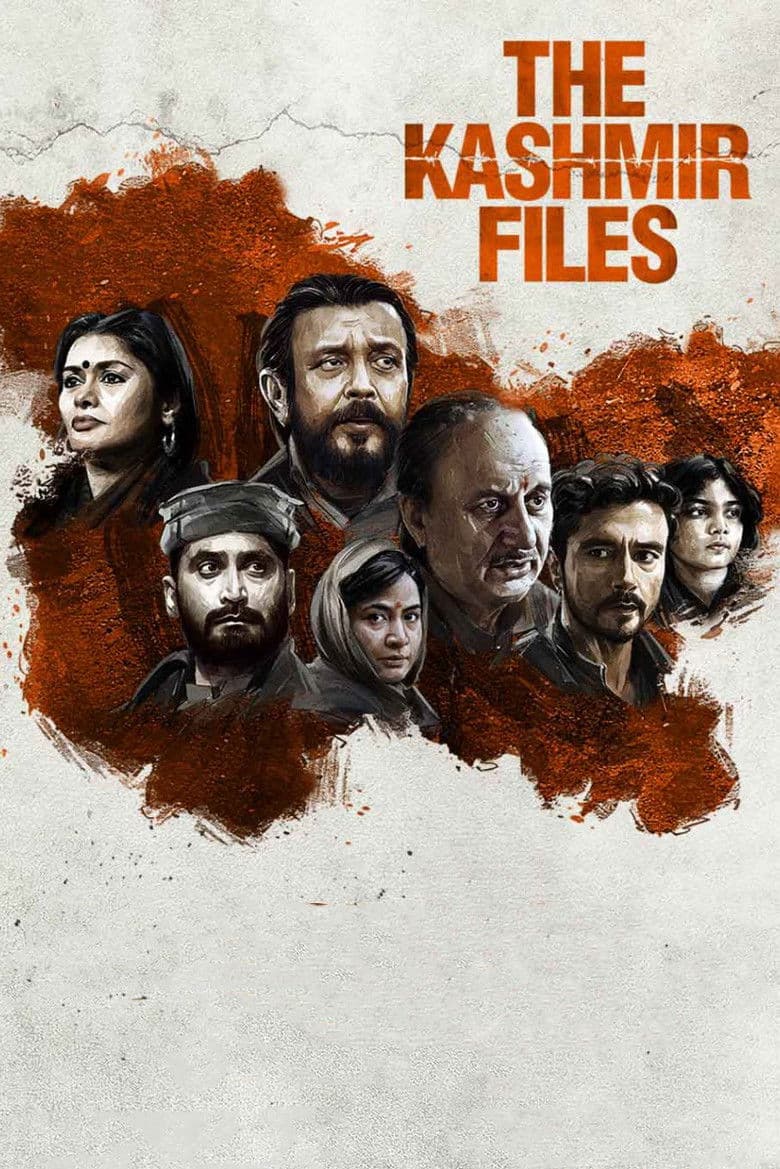
Based on a true tragedy, the emotionally triggering film sheds light on the plight of Kashmiri Pandits (Hindus), a religious minority in the 1990s Kashmir valley, who were…
