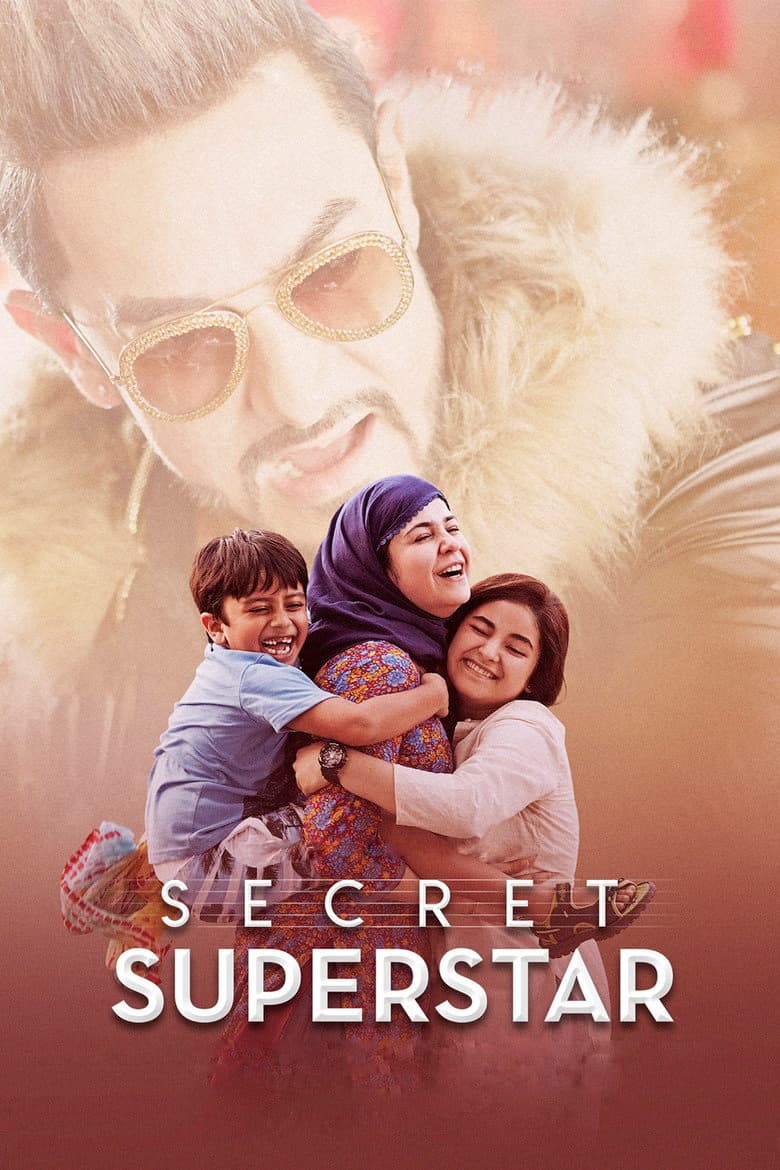
Secret Superstar follows Insia Malik, a talented Muslim teenage singer in Vadodara, India. Her father Farookh controls the family, beats her mother Najma, and refuses to let Insia sing in public. Insia hides her face with a face-covering veil, posts songs on YouTube, and becomes an online star while a music producer in Mumbai helps her. The film mixes bright songs, school romance, family comedy, and heavy scenes about violence and fear.
The film makes female freedom and the right to choose one’s life central to the story. Insia argues that her mother should leave the abusive marriage, and Najma finally rejects her husband’s control when he threatens her daughter’s guitar and future. The story presents girls’ talent, education, work, and dreams as equal to boys’ and treats male control, child marriage plans, forced silence, and violence as wrong. Insia’s final choice to show her face and honor her mother gives the message a clear, emotional ending, although the film delivers its social lesson through emotional drama rather than a broad political debate.
Community feedback
Was our 70% Woke rating accurate?
Breakdown
These are the editorial factors and ratings behind our score for Secret Superstar.
Woke representation / casting
The film centers a Muslim teenage girl as the singer, hero, and public success story. Zaira Wasim’s casting fits the Indian setting and the character’s Muslim background, so the choice is not a strong diversity mismatch. The public promotion did frame the lead as a girl’s voice and as an example of women’s freedom. The other main roles are family and music roles, not a designed diversity group.
20%
Woke political dialogue
Insia tells her mother that she should leave a violent husband. The women repeatedly defend a girl’s right to sing, study, choose her future, and follow her dream. The film also states that everyone should be allowed to dream and treats forced marriage and male control as wrong. These ideas return in family talks, the divorce plot, and the airport ending. The film uses songs and drama more than a long political speech.
44%
Identity-driven story themes
The film makes female freedom the core conflict. Insia fights to use her talent, choose her future, and help her mother leave an abusive marriage. Najma changes from a frightened wife into a mother who openly rejects her husband’s control and protects her children’s choices. The film also shows plans to marry Insia off while she is still a teenager. The message is central from the first family scenes through the awards ending.
70%
Western institutional / cultural critique
The film presents the father’s male entitlement and control of the household as the main source of harm. It rejects the idea that a wife must stay with a violent husband because of money, family honor, or fear. It also treats a father’s plan to arrange his teenage daughter’s marriage and limit her education and music as wrong. The story targets one abusive family and does not attack Christianity, capitalism, or Western institutions.
45%
Woke character or canon changes
Not relevant. Secret Superstar is an original story rather than a remake or a retelling of an established character or real historical event. The film has no identity-related canon change.
0%
Anti-woke backlash and complaints
A few small or anonymous X accounts called the film feminist or leftist propaganda. One men’s-rights-adjacent post linked it to criticism of Aamir Khan, but the boycott talk aimed at Khan in general rather than this film. No sustained boycott, review-bombing campaign, or mainstream anti-woke news cycle was found. The complaints stayed fringe, so this factor remains low.
10%
Creator track record context
Aamir Khan and Kiran Rao have a strong record of using films and public projects to discuss social problems, especially women’s safety, equality, and family abuse. Advait Chandan’s record is milder, but his first film grew from social-issue research and makes a girl the main hero. Their public comments about this film directly stress girl-child empowerment, women’s rights, and the freedom to dream. The context supports a clear activist and socially aware signal, but it is not mainly partisan politics.
64%
Production
Movie · 2016
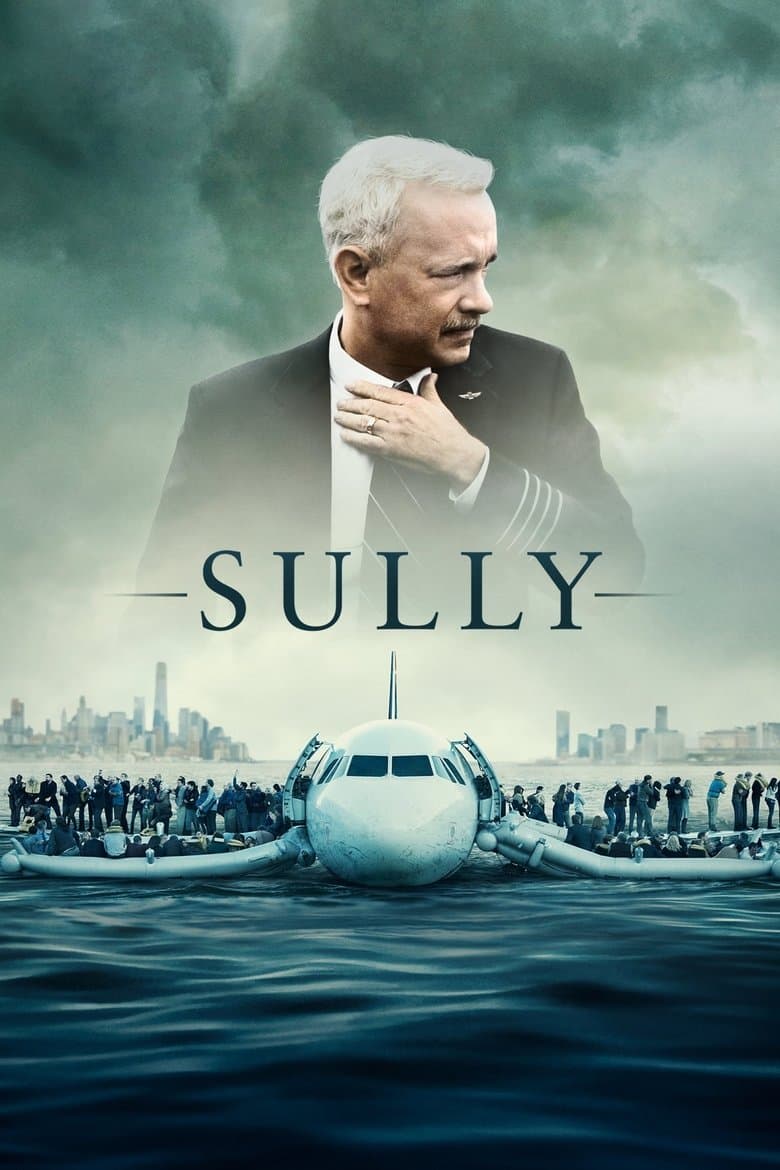
On 15 January 2009, the world witnessed the 'Miracle on the Hudson' when Captain 'Sully' Sullenberger glided his disabled plane onto the Hudson River, saving the lives of all 155…
Movie · 2020
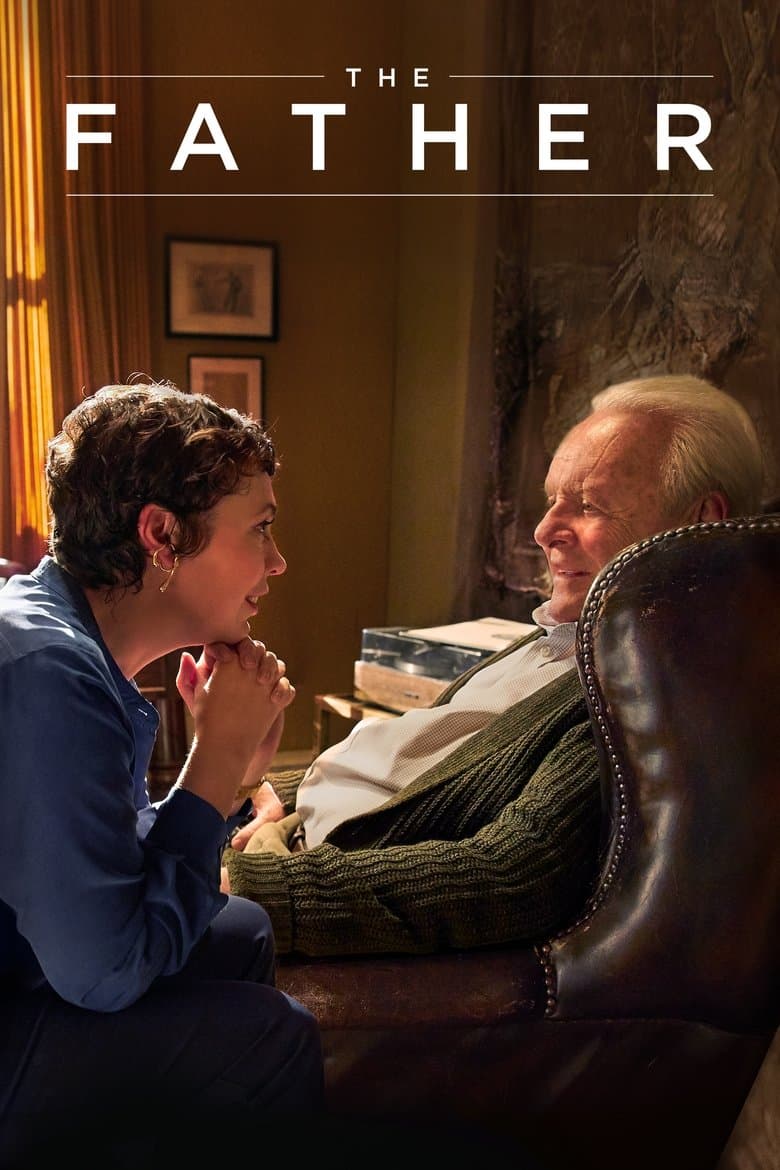
A man refuses all assistance from his daughter as he ages and, as he tries to make sense of his changing circumstances, he begins to doubt his loved ones, his own mind and even…
Movie · 2022
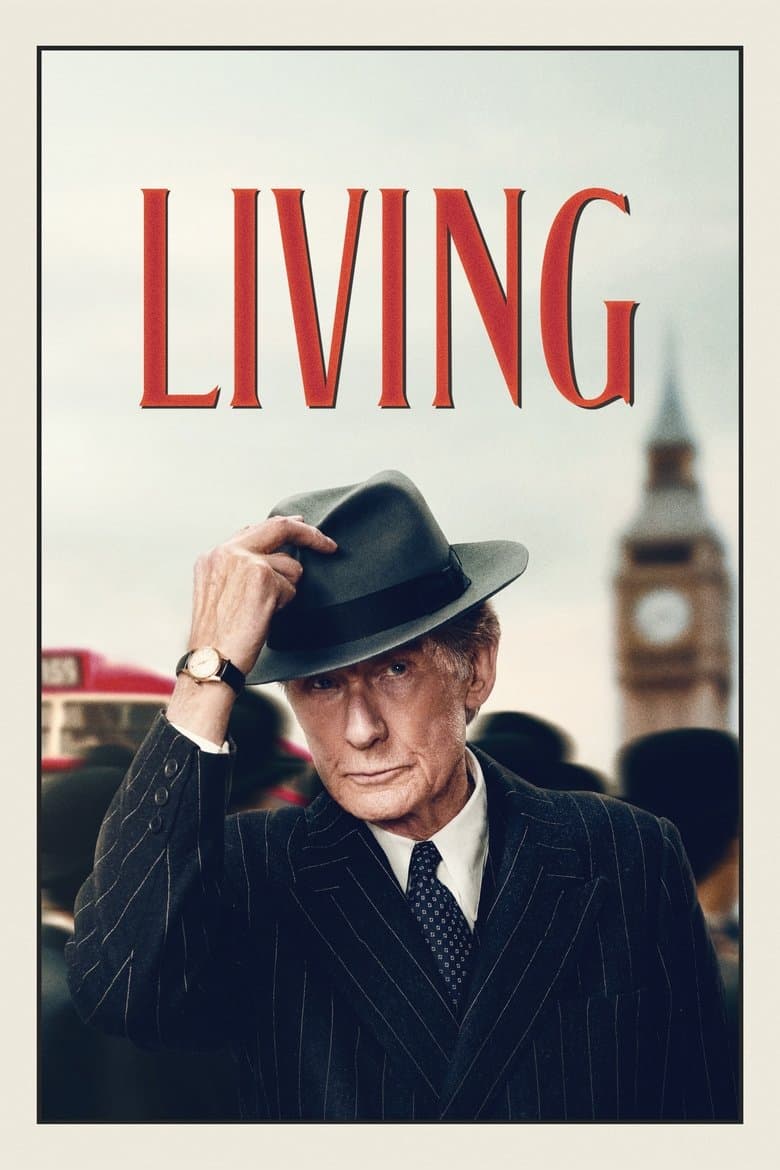
London, 1953. Mr. Williams, a veteran civil servant, is an important cog within the city's bureaucracy as it struggles to rebuild in the aftermath of World War II.

Movie · 2016
After his older brother passes away, Lee Chandler is forced to return home to care for his 16-year-old nephew.
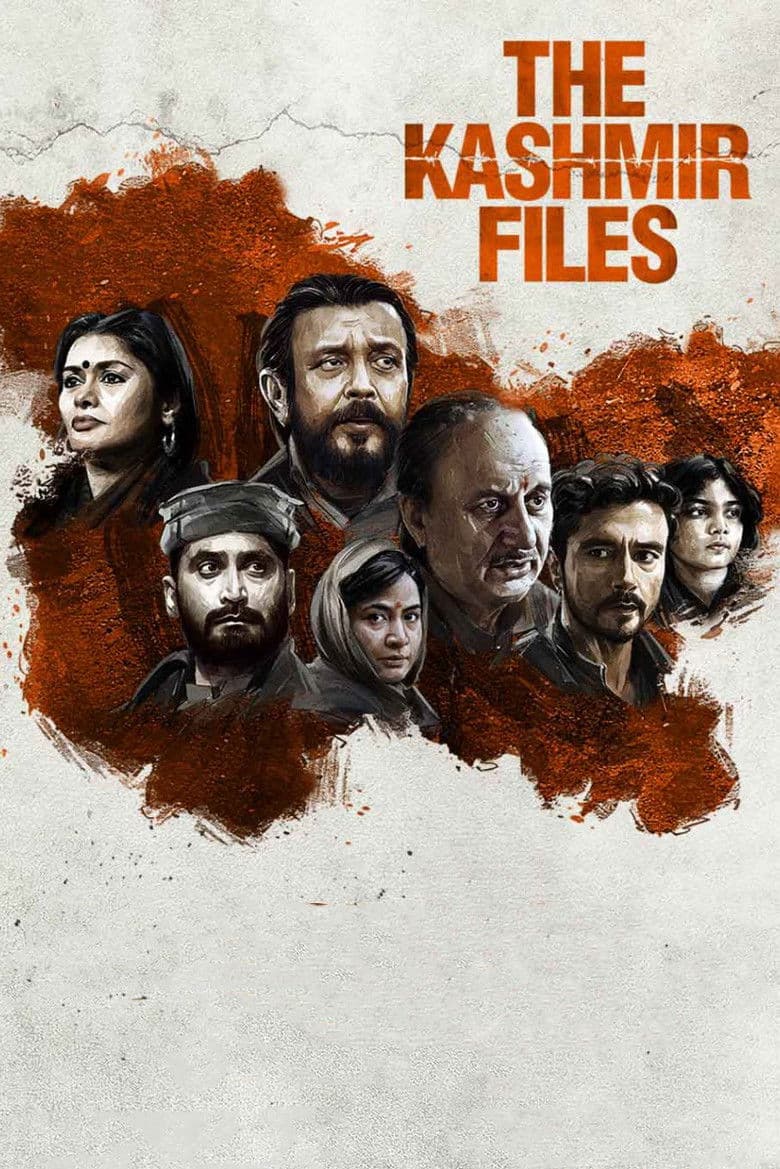
Movie · 2022
Based on a true tragedy, the emotionally triggering film sheds light on the plight of Kashmiri Pandits (Hindus), a religious minority in the 1990s Kashmir valley, who were…
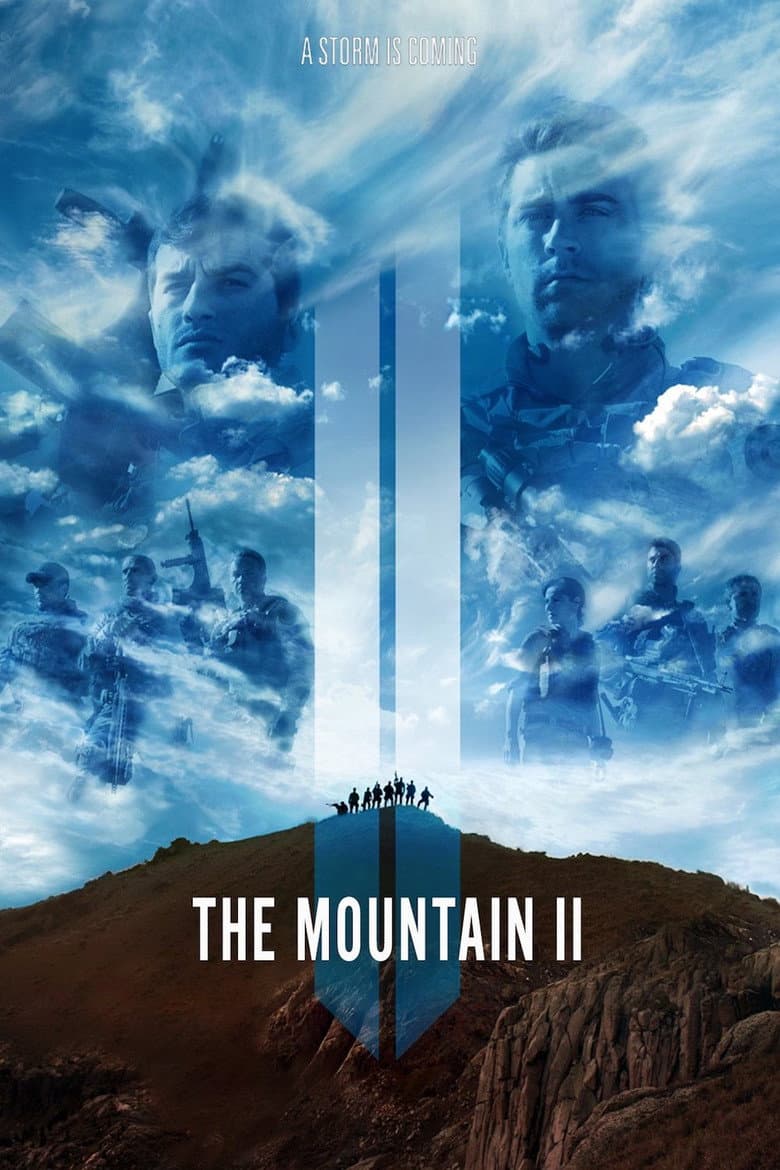
Movie · 2016
In a desolate war zone where screams of the innocent echo, on the very line between disaster and valor, 7 Maroon Berets will dance with death.
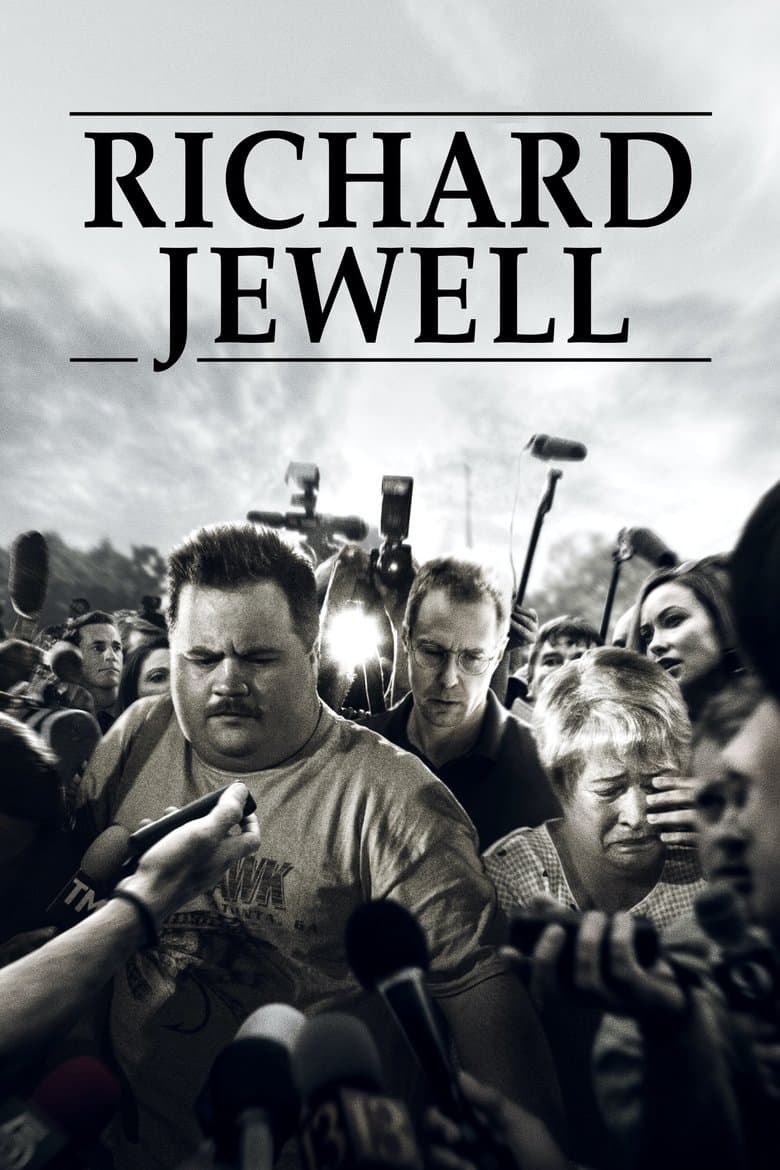
Movie · 2019
Richard Jewell thinks quick, works fast, and saves hundreds, perhaps thousands, of lives after a domestic terrorist plants several pipe bombs and they explode during a concert…
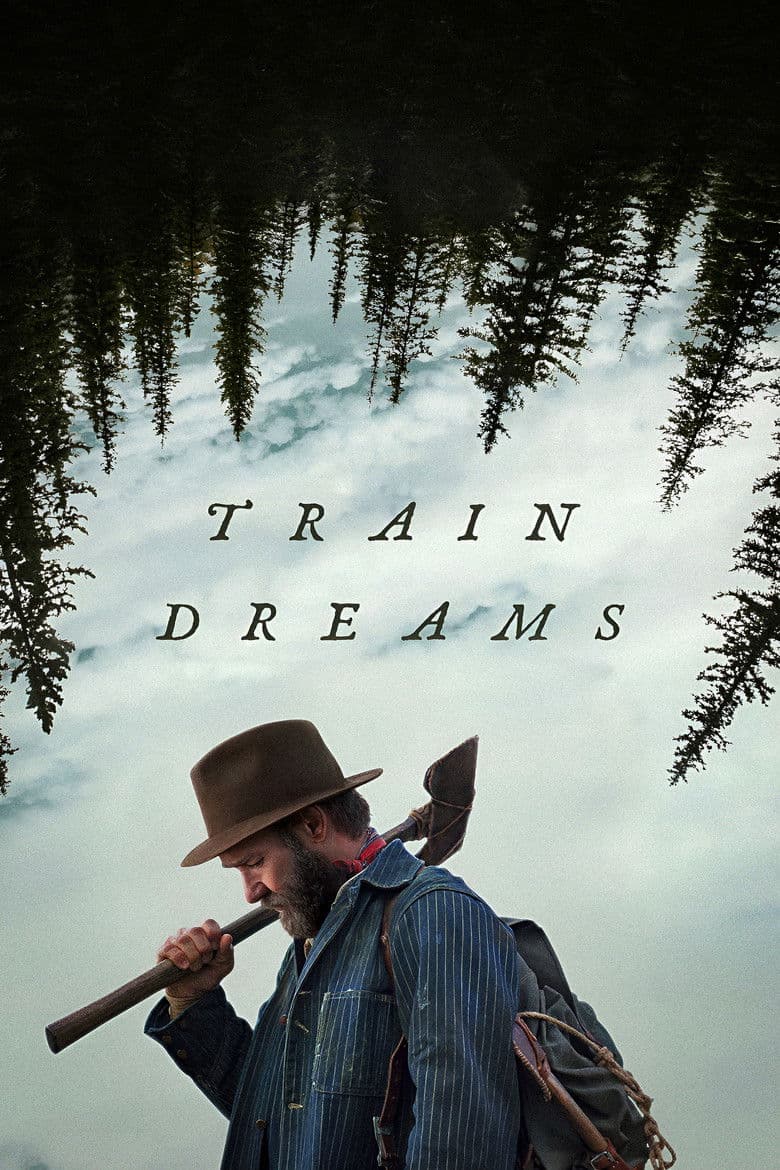
Movie · 2025
A logger leads a life of quiet grace as he experiences love and loss during an era of monumental change in early 20th-century America.
