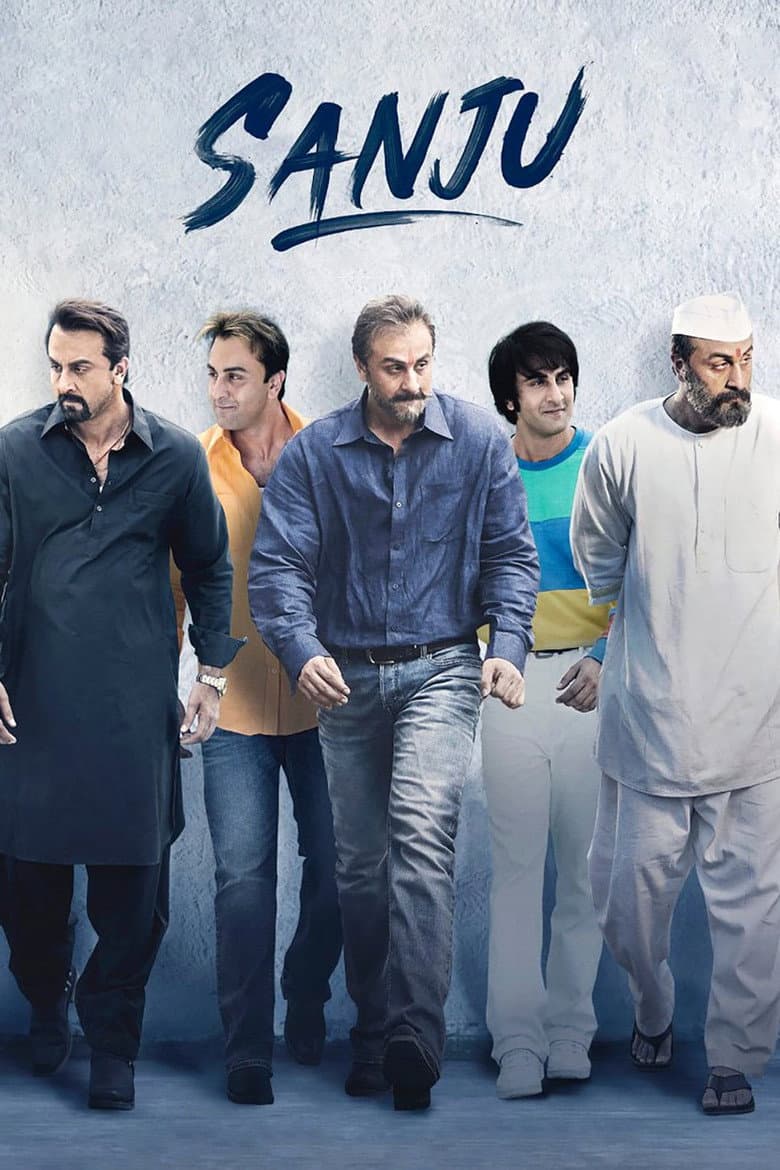
Sanju follows Bollywood actor Sanjay Dutt from his young years into his later career. He struggles with drug addiction, grief after his mother’s death, fame, and the criminal case that followed the 1993 Mumbai blasts and involved a gun. His father Sunil Dutt, his close friend Kamli, his wife Manyata, and a writer named Winnie help tell his story. The film moves between Mumbai, prison, film sets, and New York, and it mixes comedy, family emotion, romance, and serious drama.
The story mainly follows Sanju’s bond with his father and his long fight to recover from drugs. It presents him as a flawed man who makes harmful choices but can change and ask for help. The film also shows his friendships, his many romances, the pressure of fame, and his anger at sensational news reports. The female characters support the story, but the film gives most of its attention to Sanju, his father, his male friend, and his public image.
Community feedback
Was our 9% Woke rating accurate?
Breakdown
These are the editorial factors and ratings behind our score for Sanju.
Woke representation / casting
Not present. The main cast fits a Hindi film story about Indian stars, families, friends, and legal trouble. The film does not make diversity or identity-based casting part of its message.
0%
Woke political dialogue
Not present. The dialogue deals with drugs, prison, crime, family, fame, the press, and the word “terrorist.” It does not push modern identity, gender, DEI, or activist ideas.
0%
Identity-driven story themes
Not present. The story follows addiction, grief, family, friendship, fame, and personal change. It treats Sanju’s trouble as a personal and legal story rather than a fight about race, gender, sexuality, or group identity.
0%
Western institutional / cultural critique
Not present. The film criticizes sensational news coverage and public judgment around Sanju’s case. That criticism is about his personal image and the Indian press, not a modern activist attack on Western institutions, family life, or traditional gender roles.
0%
Woke character or canon changes
Not relevant. The film compresses and changes parts of Sanjay Dutt’s biography, but the changes concern events and timing. It does not swap the race, gender, sexuality, or identity of the real people it portrays.
0%
Anti-woke backlash and complaints
Two small X posts called Hirani a “woke clown” or grouped Sanju with his “problematic” films. The posts gave no examples about DEI, identity, LGBT themes, or activist content. Mainstream reports focused on alleged whitewashing and media blame, which are not anti-woke complaints. The evidence stayed fringe and did not become a broad campaign.
5%
Creator track record context
Hirani and Joshi repeatedly make mainstream stories about social problems and institutions. Their wider work includes criticism of medical corruption, education pressure, religious superstition, media judgment, and social behavior. Chopra has backed films about conflict and inequality, while Khosla has no public activist profile. Chhabra has built a career around auditions and access for newcomers. This gives moderate creator track record context, but the Sanju interviews found no diversity-first or queer framing.
40%
Production
Movie · 2022
Based on a true tragedy, the emotionally triggering film sheds light on the plight of Kashmiri Pandits (Hindus), a religious minority in the 1990s Kashmir valley, who were…
Movie · 2020
A man refuses all assistance from his daughter as he ages and, as he tries to make sense of his changing circumstances, he begins to doubt his loved ones, his own mind and even…
Movie · 2019
Richard Jewell thinks quick, works fast, and saves hundreds, perhaps thousands, of lives after a domestic terrorist plants several pipe bombs and they explode during a concert…
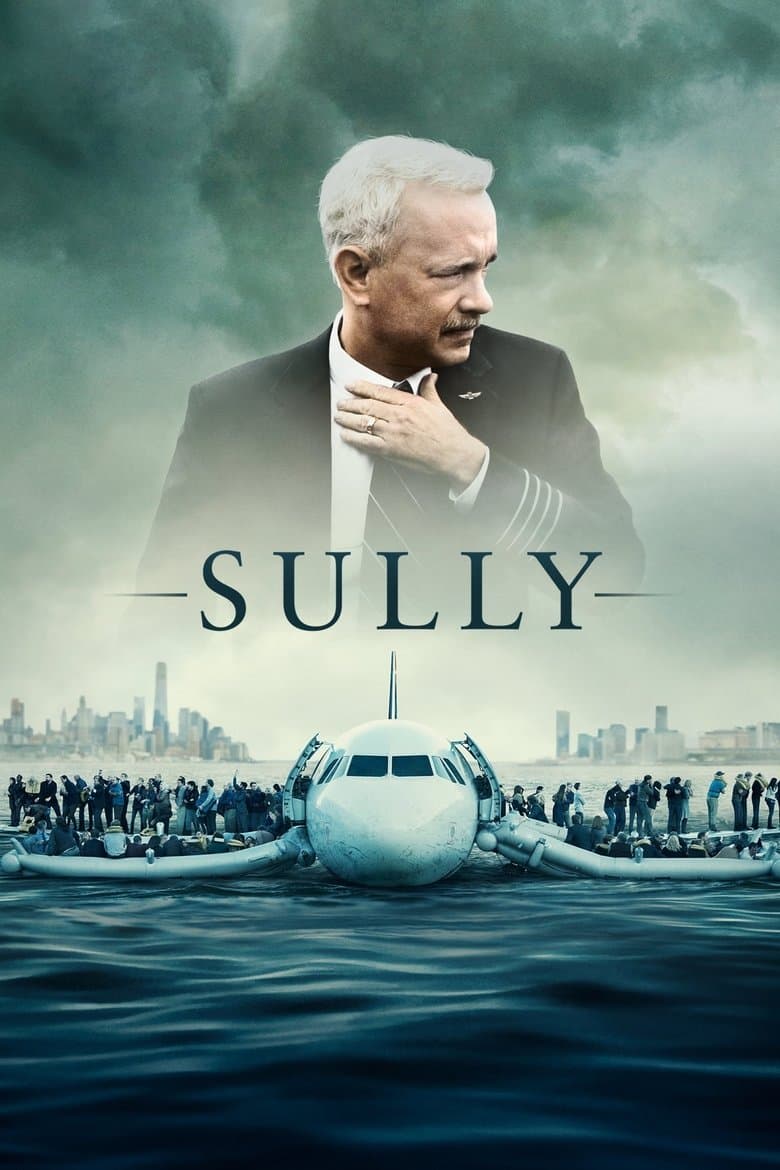
Movie · 2016
On 15 January 2009, the world witnessed the 'Miracle on the Hudson' when Captain 'Sully' Sullenberger glided his disabled plane onto the Hudson River, saving the lives of all 155…
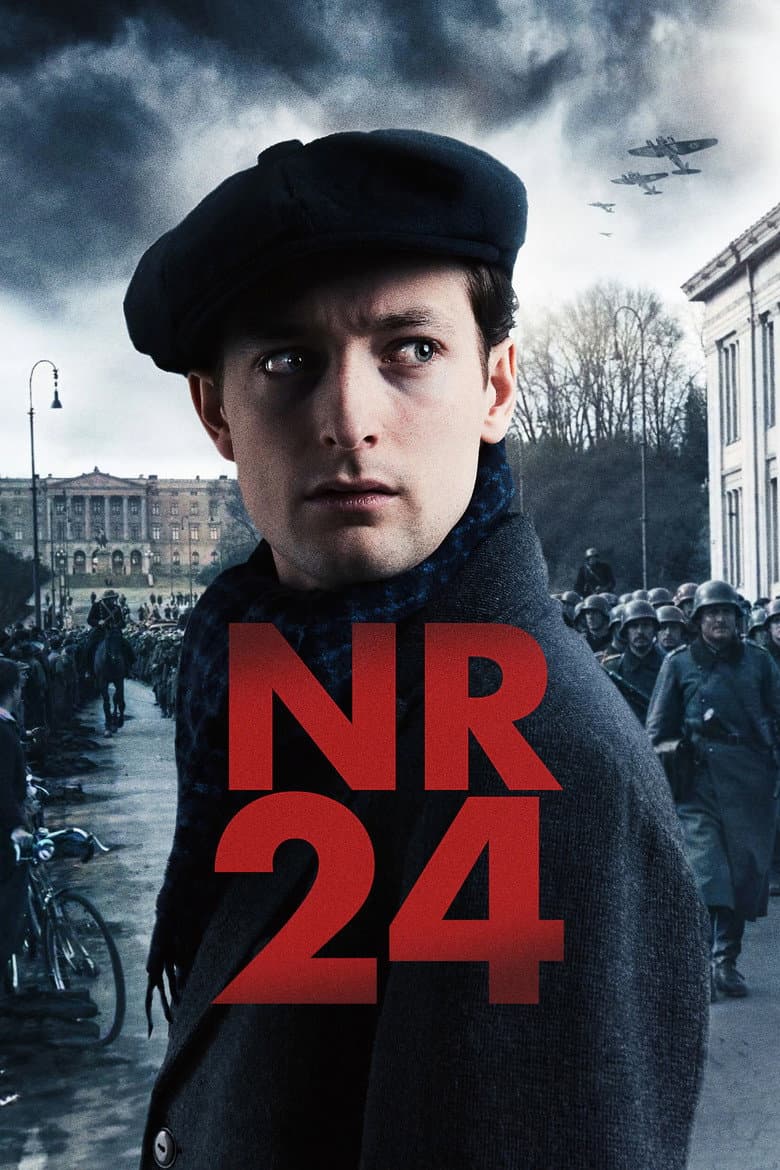
Movie · 2024
On the brink of the Second World War, a young Norwegian man's drive to resist the Nazis sets a new course for his future – and the future of his country.
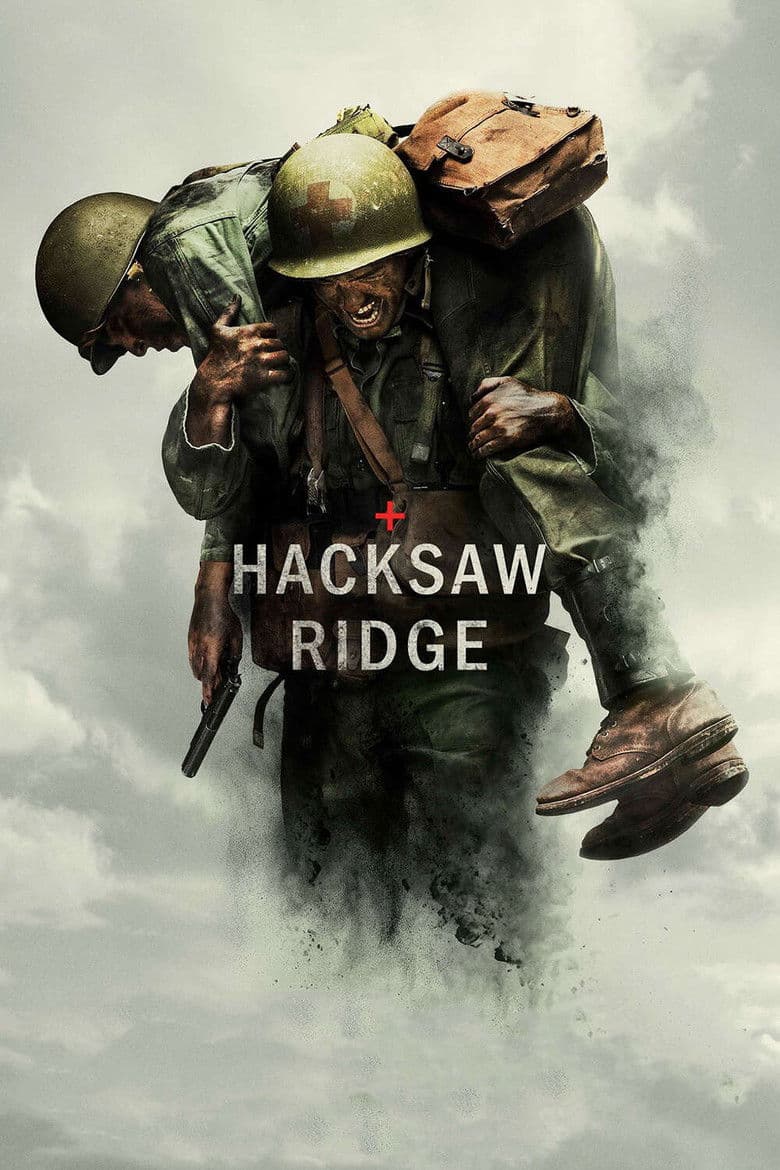
Movie · 2016
WWII American Army Medic Desmond T. Doss, who served during the Battle of Okinawa, refuses to kill people and becomes the first Conscientious Objector in American history to…
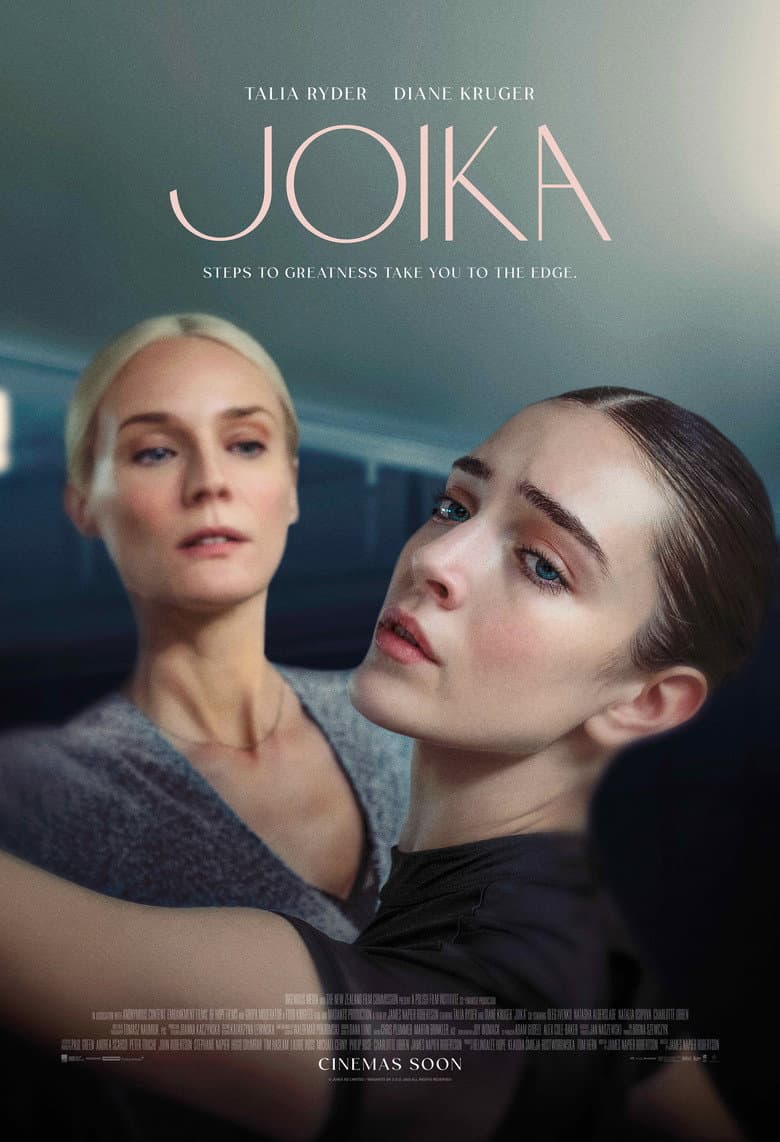
Movie · 2023
American ballet dancer Joy Womack is accepted into Moscow's infamously tough Bolshoi Ballet Academy, with the dream of becoming a great ballerina.
Movie · 2017
Members of the Granite Mountain Hotshots battle deadly wildfires to save an Arizona town.
