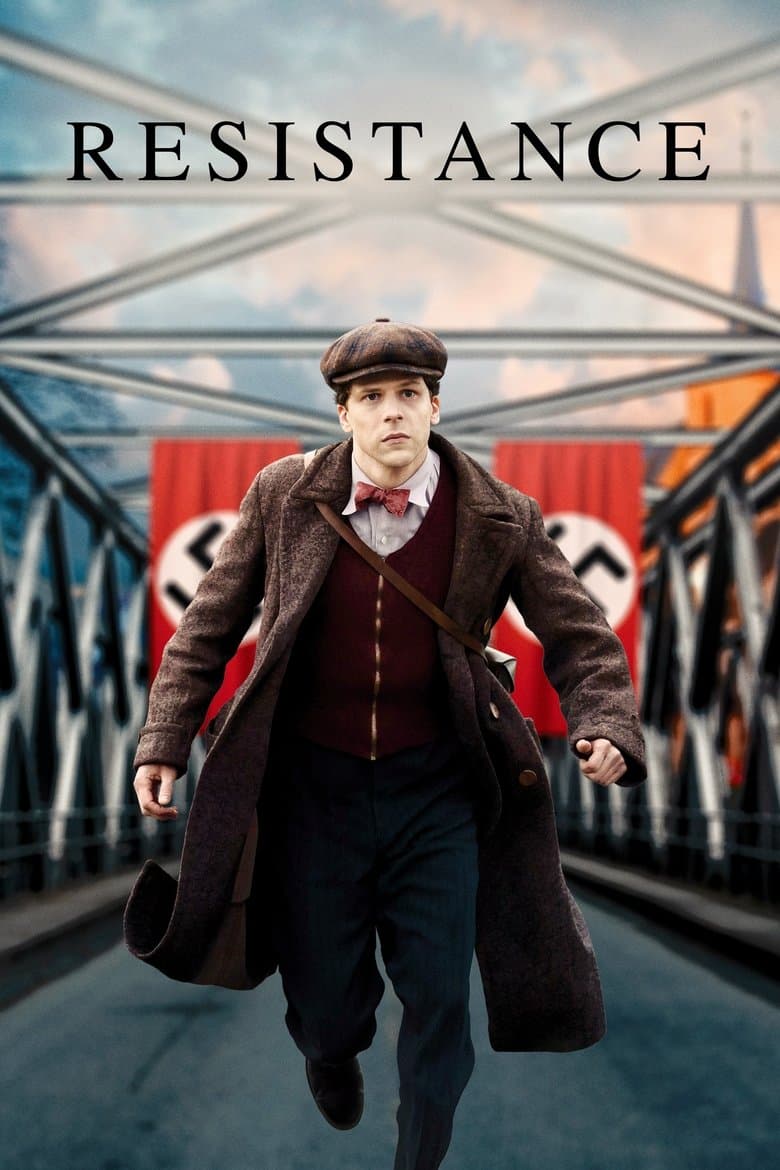
Young Marcel wants to be an artist and mime in France as World War II begins. When Jewish orphans need help, his cousin and friends pull him into the French Resistance. He uses humor and mime to calm scared kids while helping move them away from the Nazis. The story is tense, sad, and hopeful, and it focuses on courage and saving lives.
The film is a WWII Jewish rescue story. What a normal viewer sees is Nazis hunting people, scouts and resistance fighters hiding orphans, and Marcel growing from a self-focused artist into a hero. The main themes are courage, hope, Jewish survival, and ordinary people risking their lives. The story stays inside that wartime fight against Nazi murder and tyranny. It does not push modern identity lectures, race or gender swaps, queer storylines, or activist talking points about today’s politics. A normal viewer would notice a serious Holocaust drama, not a social-justice message movie.
Community feedback
Was our 2% Woke rating accurate?
Breakdown
These are the editorial factors and ratings behind our score for Resistance.
Woke representation / casting
Casting matches a WWII French Jewish resistance story: European leads, Jewish hero, Jewish orphans. Women work in the resistance, which fits real wartime history, not modern quota-style identity casting. No race or gender swaps of famous figures. Minor diversity, if any, is not the focus.
0%
Woke political dialogue
Talk is about Nazis, rescue, revenge versus saving lives, courage, and hope. That is period war and Holocaust drama. Viewers do not get modern activist scripts about today’s race, gender, or DEI politics.
0%
Identity-driven story themes
Jewish identity and antisemitism sit at the center because this is a Holocaust rescue story. Per scoring rules, fighting Nazi tyranny and protecting Jewish children is historical story logic, not modern identity-politics activism. The film is about survival and hope, not present-day identity campaigns.
0%
Western institutional / cultural critique
Villains are Nazis, Gestapo, and collaborators. The movie does not attack modern Western institutions, Christianity, traditional family, or “toxic masculinity” as activist targets. Ordinary anti-tyranny wartime conflict scores low here.
0%
Woke character or canon changes
Not relevant. Some biopic compression and a dramatized Barbie clash are ordinary history-movie changes, not DEI race/gender/sexuality rewrites of real people.
0%
Anti-woke backlash and complaints
No meaningful anti-woke or right-leaning campaign treating this film as woke, DEI, or identity propaganda. Public debate was mostly about quality and the true story.
0%
Creator track record context
Key creatives’ cached scores are low (roughly 0–15). Jakubowicz’s work here and overall track record stress courage against oppression and Jewish history more than identity-first activism.
12%
Production
Movie · 2019
Richard Jewell thinks quick, works fast, and saves hundreds, perhaps thousands, of lives after a domestic terrorist plants several pipe bombs and they explode during a concert…
Movie · 2016
WWII American Army Medic Desmond T. Doss, who served during the Battle of Okinawa, refuses to kill people and becomes the first Conscientious Objector in American history to…
Movie · 2025
Diagnosed with Tourette Syndrome at 15, John Davidson navigates his way against the odds through troubled teenage years and into adulthood, finding inspiration in the kindness of…
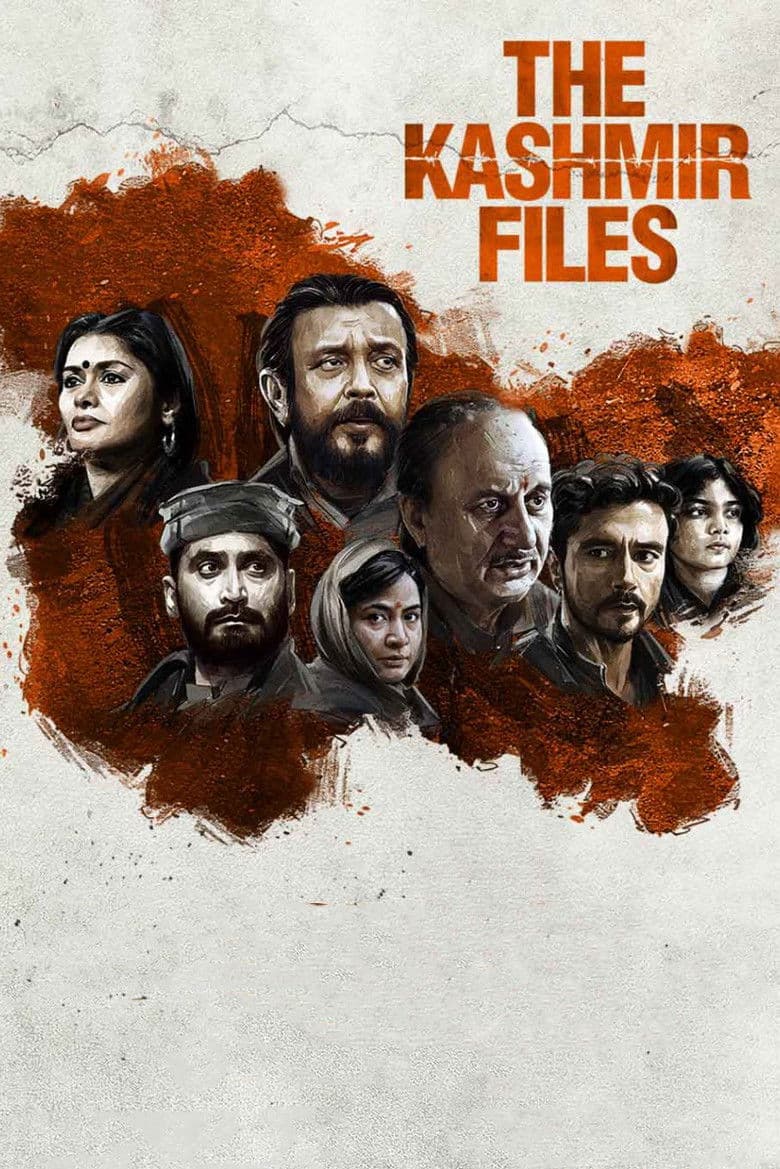
Movie · 2022
Based on a true tragedy, the emotionally triggering film sheds light on the plight of Kashmiri Pandits (Hindus), a religious minority in the 1990s Kashmir valley, who were…
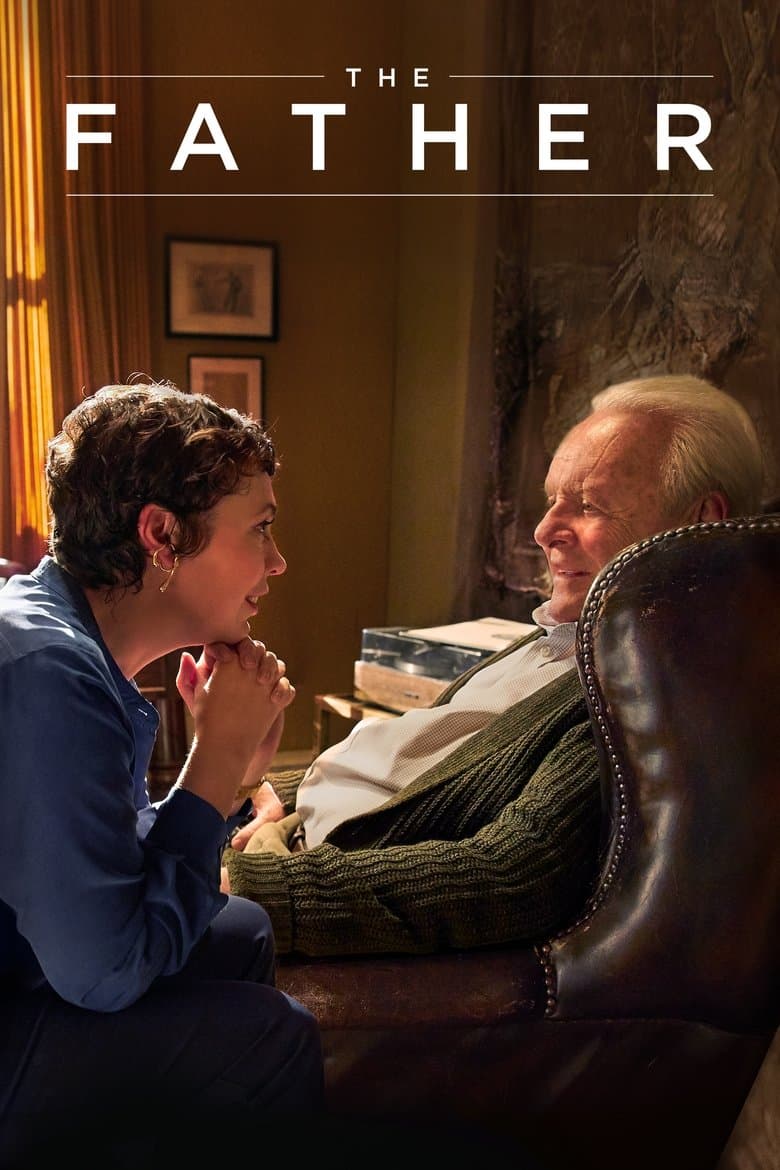
Movie · 2020
A man refuses all assistance from his daughter as he ages and, as he tries to make sense of his changing circumstances, he begins to doubt his loved ones, his own mind and even…
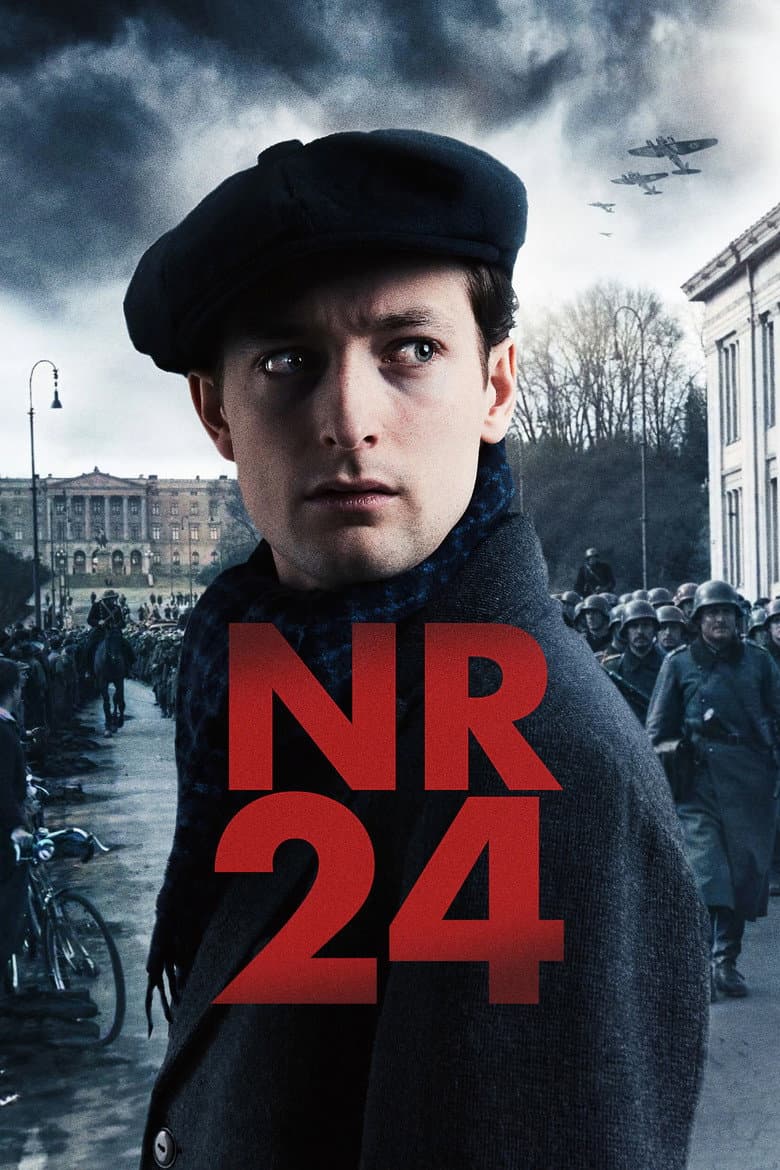
Movie · 2024
On the brink of the Second World War, a young Norwegian man's drive to resist the Nazis sets a new course for his future – and the future of his country.
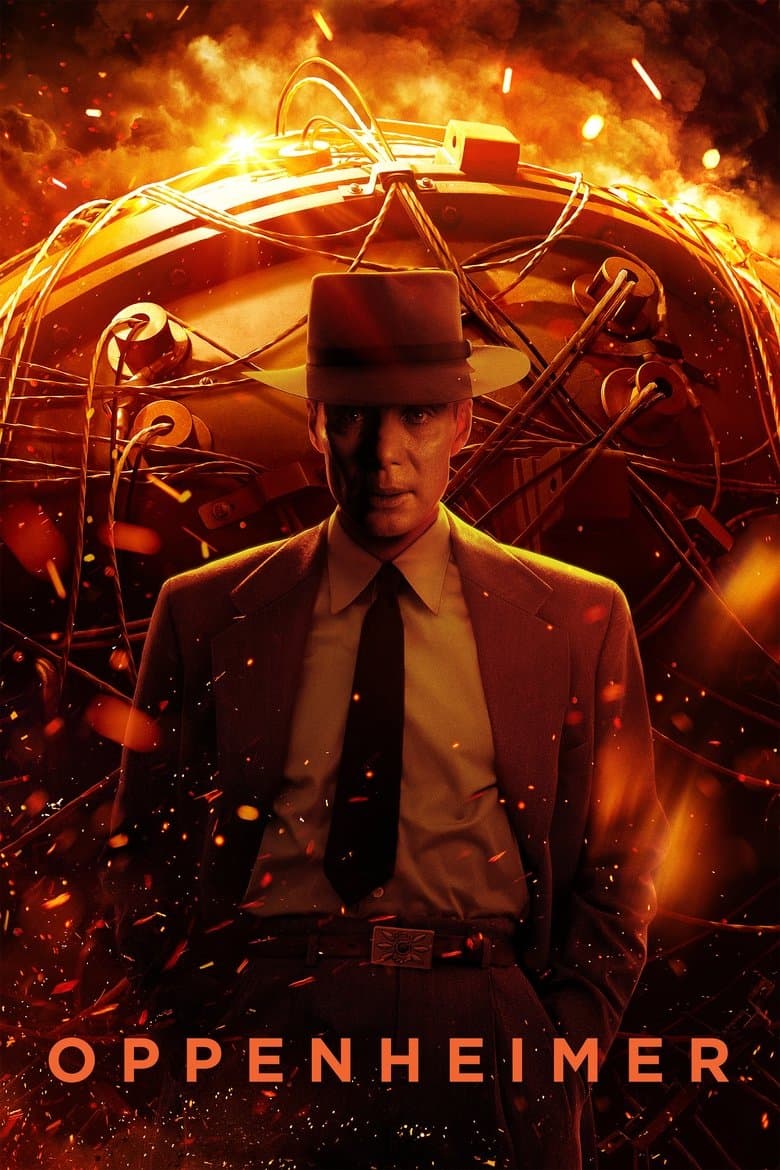
Movie · 2023
The story of J. Robert Oppenheimer's role in the development of the atomic bomb during World War II.
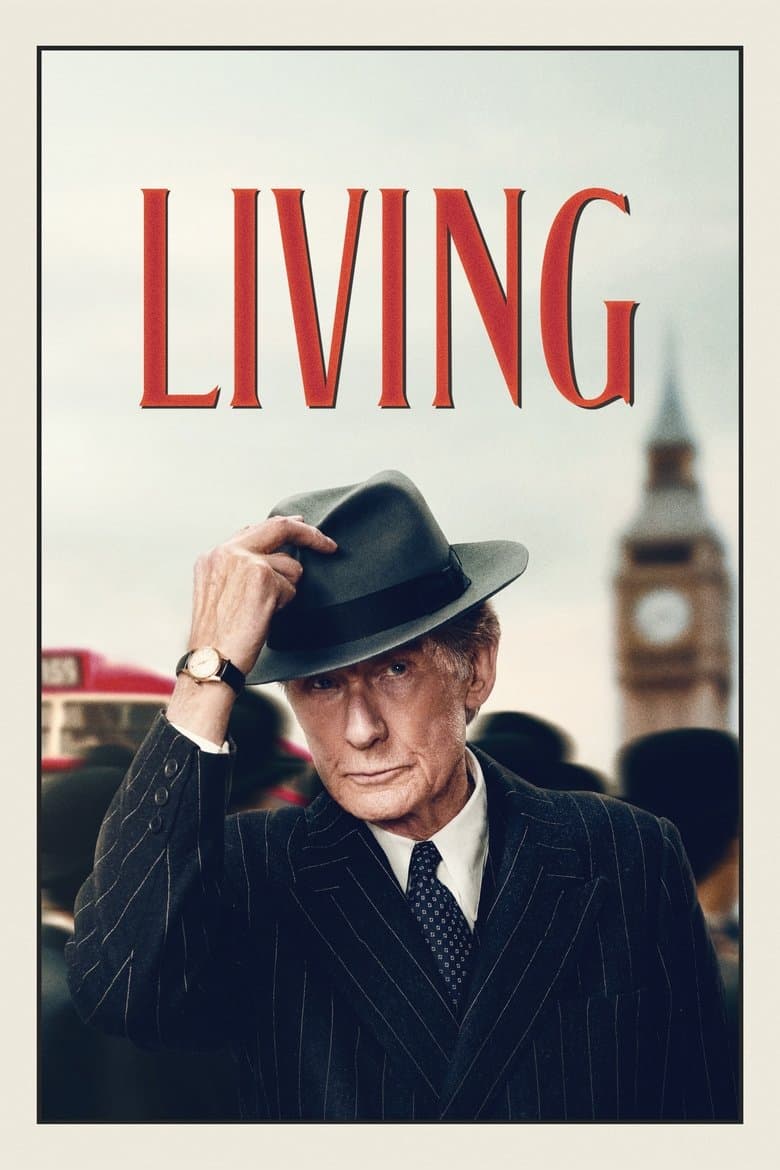
Movie · 2022
London, 1953. Mr. Williams, a veteran civil servant, is an important cog within the city's bureaucracy as it struggles to rebuild in the aftermath of World War II.
