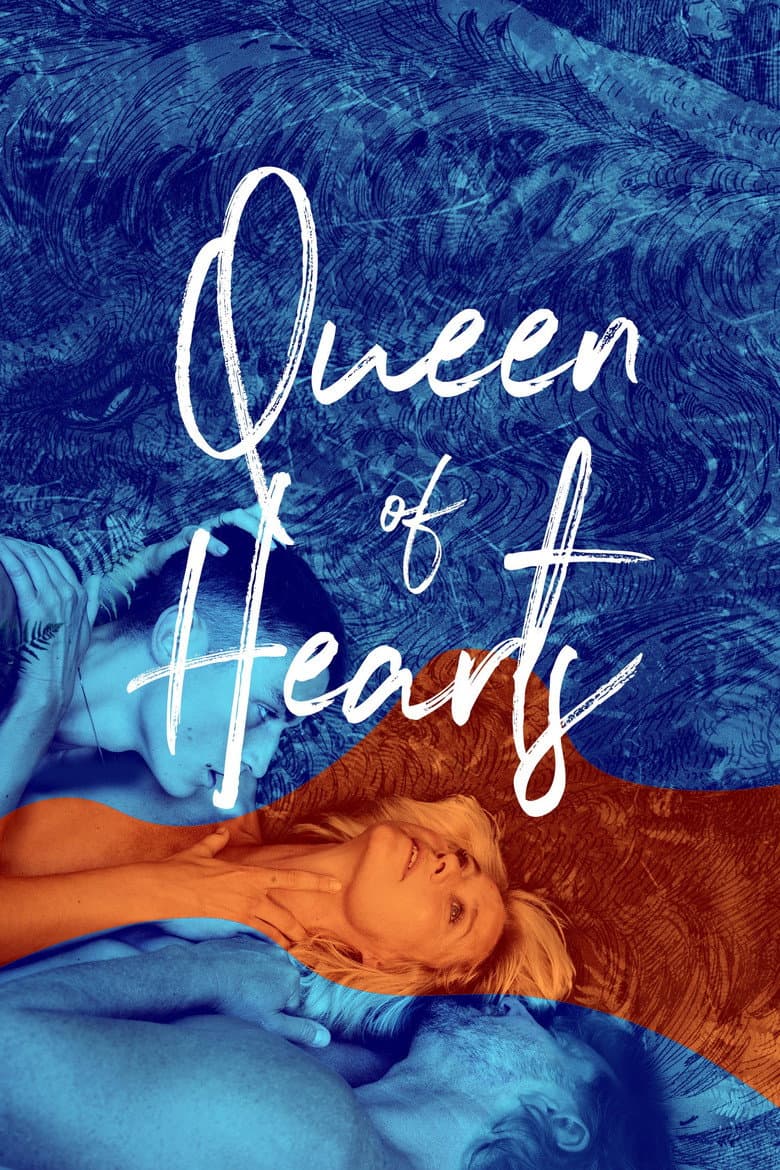
Anne is a skilled lawyer in Denmark who helps children and young people harmed by abuse. She lives with her doctor husband, Peter, their twin daughters, and Peter’s troubled teenage son, Gustav. When Gustav joins the family, Anne becomes attracted to him and starts a secret sexual relationship. The calm home turns into a tense and bleak drama about desire, lies, control, and ruin.
The film makes the gender of the abuser part of its main subject. Anne has power over Gustav, yet early scenes can make the relationship look like a forbidden romance before the harm becomes clear. The story asks why people judge an older man with a young girl more harshly than an older woman with a young boy. It then shows Anne using her work, family role, and knowledge of abuse to protect herself while Gustav is left with the damage. The film gives a strong woman the central role, but it presents her actions as abusive and destructive rather than as a model to follow.
Community feedback
Was our 51% Woke rating accurate?
Breakdown
These are the editorial factors and ratings behind our score for Queen of Hearts.
Woke representation / casting
Anne is a prominent, highly capable female lawyer, and coverage framed the project as a feminist story about giving women room to be complex and morally bad. The rest of the main cast fits the Danish and Swedish setting, so there is no clear race, religion, or quota-style casting pattern. The identity signal comes from centering a powerful woman and discussing that choice as feminist representation. It is noticeable, but casting is not the film’s main political message.
18%
Woke political dialogue
Not present. The dialogue addresses abuse, consent, family secrets, and moral responsibility. It does not show clear modern activist, DEI, or gender-politics speeches.
0%
Identity-driven story themes
Anne’s story repeatedly uses a gender reversal of the older male predator and younger female victim pattern. The film asks why people may excuse an older woman with a teenage boy more easily than an older man with a teenage girl. Anne’s public role as a lawyer for abused children clashes with her private abuse of Gustav. The story treats her actions as destructive, but gender, power, sexual double standards, and complex female roles remain central throughout the film.
62%
Western institutional / cultural critique
The film treats the wealthy family as a small power system where adults control weaker people. Anne’s job gives her a public image as a defender of vulnerable children, while her private actions expose hypocrisy inside that role. The story criticizes the double standard that can make an older woman’s abuse of a boy seem less serious. It also shows a polished modern family failing to protect the vulnerable. The film does not attack Christianity, capitalism, or Western institutions in broad terms.
38%
Woke character or canon changes
Not relevant. The film is an original Danish drama about Anne, Gustav, and their family. It does not alter a known character, a canon, or a historical event.
0%
Anti-woke backlash and complaints
Not present. Public complaints focused on sexual abuse, consent, explicit scenes, and the film’s moral choices. No clear anti-woke complaint about DEI, identity politics, or activist messaging appeared in the reported coverage.
0%
Creator track record context
The director has a recurring feminist and representation-aware pattern in her work and public comments. The writer has a moderate pattern of stories about complex women, sex, abuse, and gendered pressure. The producers have little public activist or identity-driven record. This film strongly matches the director and writer context, so the creator track record is moderate rather than high.
42%
Production
Movie · 2019
Richard Jewell thinks quick, works fast, and saves hundreds, perhaps thousands, of lives after a domestic terrorist plants several pipe bombs and they explode during a concert…

Movie · 2023
The story of J. Robert Oppenheimer's role in the development of the atomic bomb during World War II.

Movie · 2016
In a desolate war zone where screams of the innocent echo, on the very line between disaster and valor, 7 Maroon Berets will dance with death.
Movie · 2025
Diagnosed with Tourette Syndrome at 15, John Davidson navigates his way against the odds through troubled teenage years and into adulthood, finding inspiration in the kindness of…

Movie · 2024
On the brink of the Second World War, a young Norwegian man's drive to resist the Nazis sets a new course for his future – and the future of his country.

Movie · 2016
WWII American Army Medic Desmond T. Doss, who served during the Battle of Okinawa, refuses to kill people and becomes the first Conscientious Objector in American history to…
Movie · 2017
In 1950, amidst the ravages of the Korean War, Sergeant Süleyman stumbles upon a a half-frozen little girl, with no parents and no help in sight and he risks his own life to save…

Movie · 2023
The true story of the inseparable Von Erich brothers, who made history in the intensely competitive world of professional wrestling in the early 1980s.
