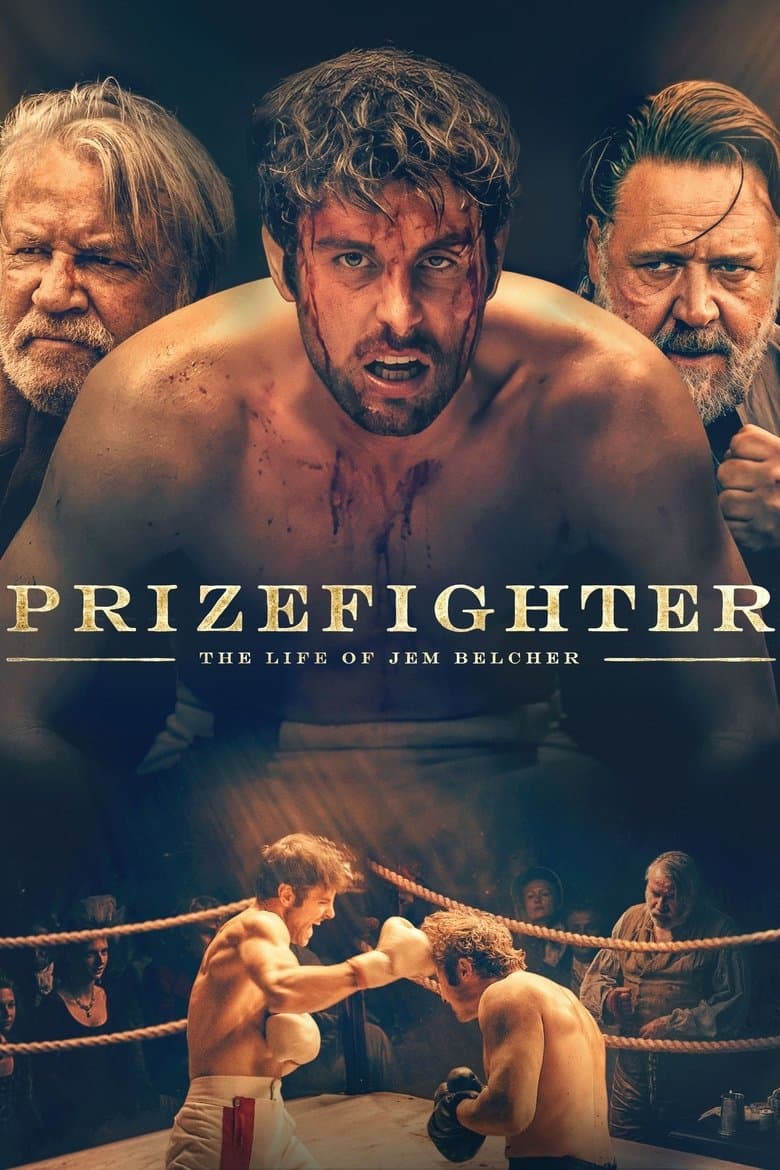
Prizefighter follows Jem Belcher in England at the turn of the 19th century. Jem grows up poor in Bristol while watching his grandfather Jack Slack fight and drink. A trainer named Bill Warr sees Jem's skill and guides him toward the English championship. The story moves from fairs and rough taverns to London clubs and wealthy houses. The tone stays dark, bloody, and serious, with long bare-knuckle fights.
Jem rises quickly, but fame, money, alcohol, and wealthy company pull him away from his family and training. An accident damages his eye and leaves him unable to fight, and Jem later falls into prison and disgrace. He returns to Bill Warr and trains for a hard fight against Henry Pearce, who now holds the title. The story treats boxing as both a way out of poverty and a dangerous family legacy. It stresses discipline, family loyalty, personal failure, and the cost of living as a fighter.
Community feedback
Was our 1% Woke rating accurate?
Breakdown
These are the editorial factors and ratings behind our score for Prizefighter: The Life of Jem Belcher.
Woke representation / casting
Not present. The film uses a mostly white male cast for early 1800s England. A person of color appears in a fight and a minor supporting role, but the film does not frame this as a diversity message.
0%
Woke political dialogue
Not present. The film’s lines focus on boxing, money, family, and discipline. A brief anti-French joke is period banter, not modern identity or activist dialogue.
0%
Identity-driven story themes
Not present. The story follows a boxer’s rise, drinking, injury, shame, and comeback. It stresses family loyalty and self-control rather than race, gender, sexuality, or modern identity politics.
0%
Western institutional / cultural critique
Not present. The film shows poor characters, wealthy patrons, and a greedy lord in early 1800s England. This is a personal sports and class story, not a modern activist attack on Western institutions, family life, or Christianity.
0%
Woke character or canon changes
Not relevant. The film changes historical events and timing, including the final fight and Jem’s relationship to his grandfather. The changes concern plot and history, not race, gender, sexuality, or identity.
0%
Anti-woke backlash and complaints
Not present. Critics and viewers mainly complained about the script, pacing, low-budget look, and historical accuracy. The supplied X check found no anti-woke complaints, and no wider source showed a meaningful anti-woke campaign.
0%
Creator track record context
Daniel Graham and Matt Hookings have cached scores of 0 and no clear activist or DEI pattern. The stored producer scores range from 0 to 23. Nancy Bishop has written mild post-#MeToo audition guidance, but no evidence connects it to this title or identity-focused casting. This gives the creator context a very low score.
6%
Production
Movie · 2026
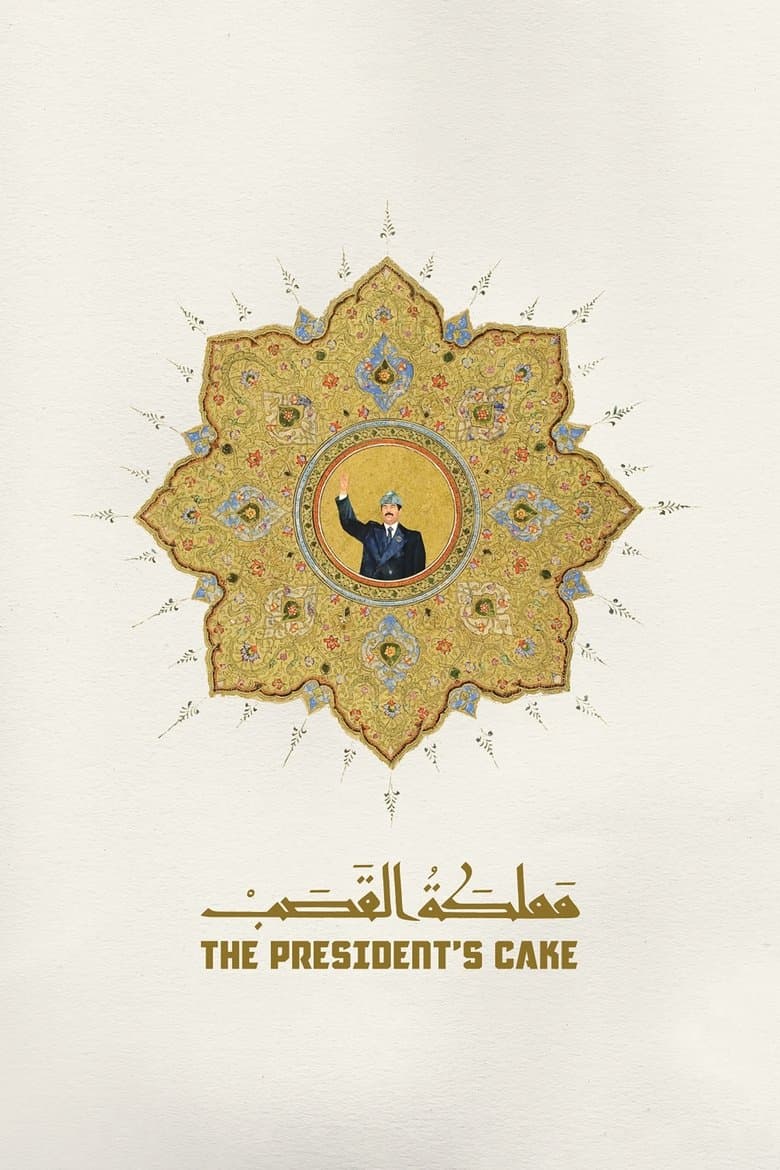
While people across 1990s Iraq struggle to survive the war and food shortages, Saddam Hussein requires each school in the country to prepare a cake to celebrate his birthday.
Movie · 2016
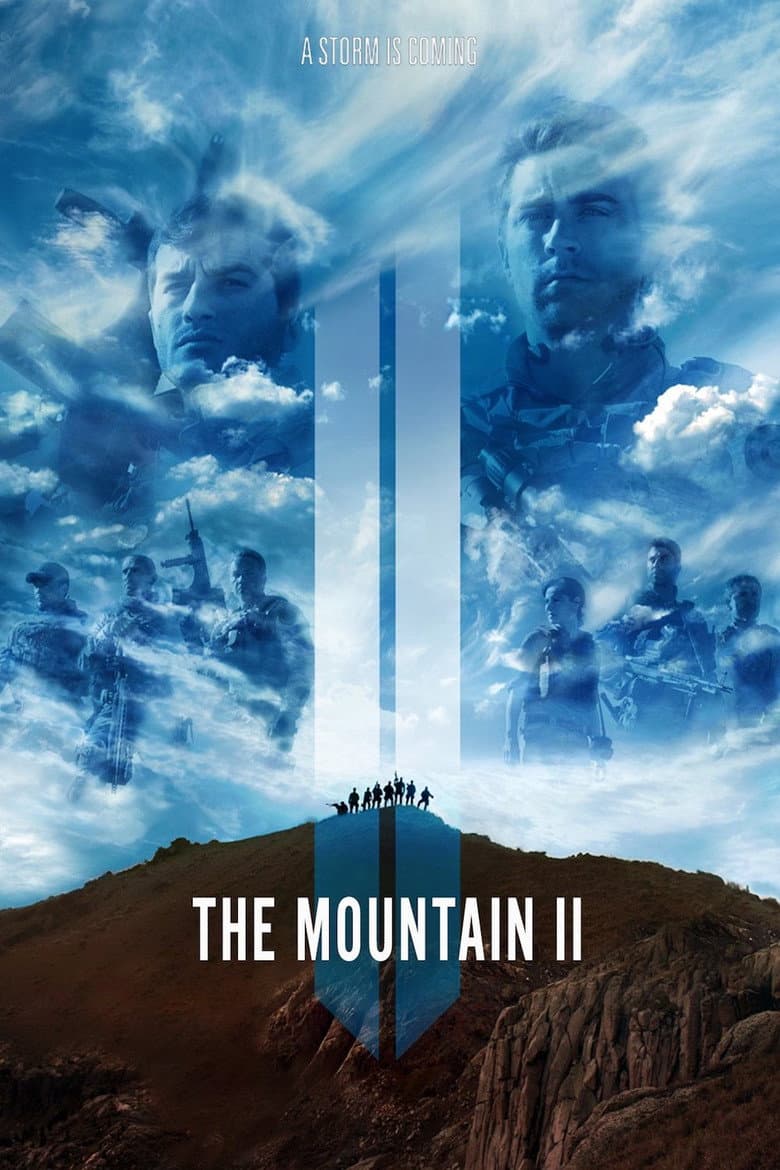
In a desolate war zone where screams of the innocent echo, on the very line between disaster and valor, 7 Maroon Berets will dance with death.
Movie · 2016
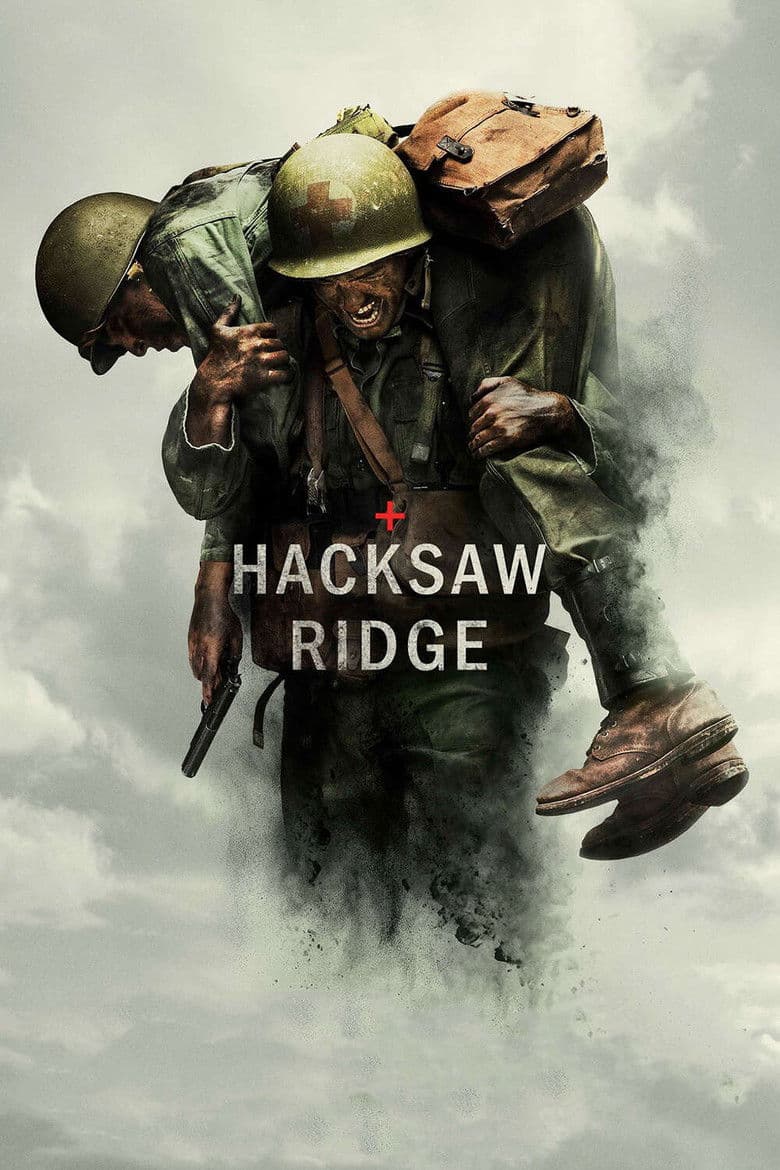
WWII American Army Medic Desmond T. Doss, who served during the Battle of Okinawa, refuses to kill people and becomes the first Conscientious Objector in American history to…
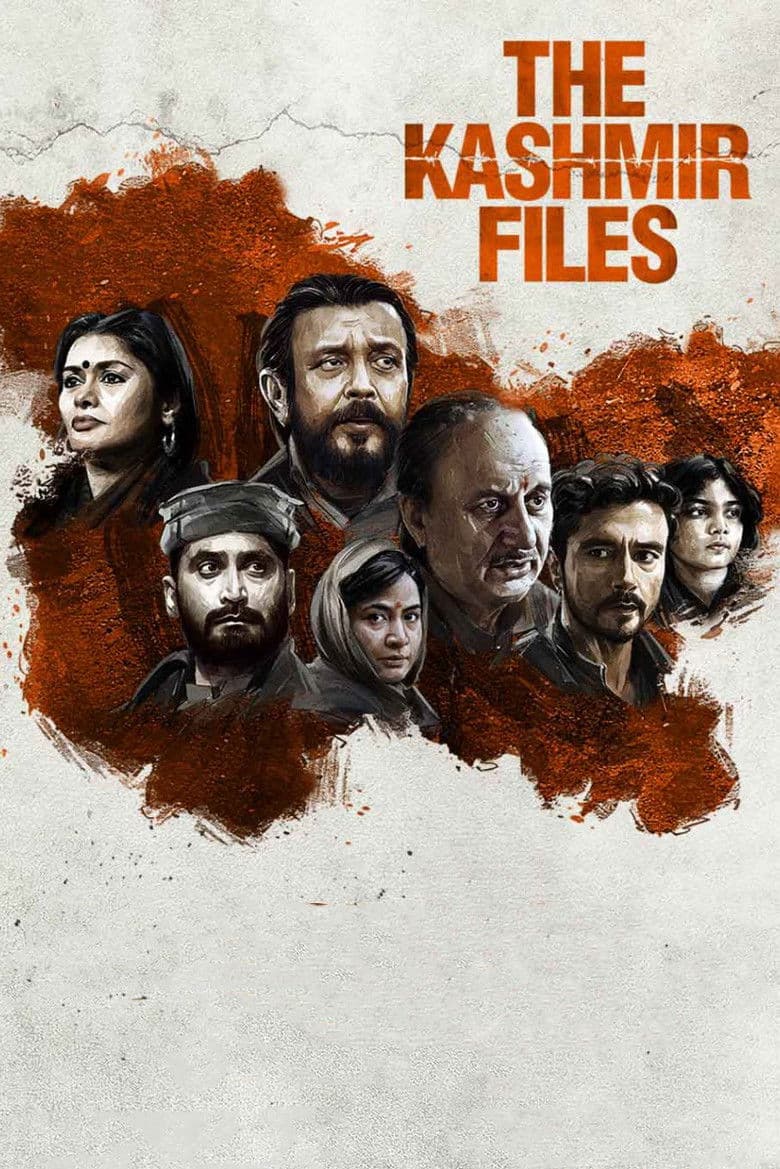
Movie · 2022
Based on a true tragedy, the emotionally triggering film sheds light on the plight of Kashmiri Pandits (Hindus), a religious minority in the 1990s Kashmir valley, who were…
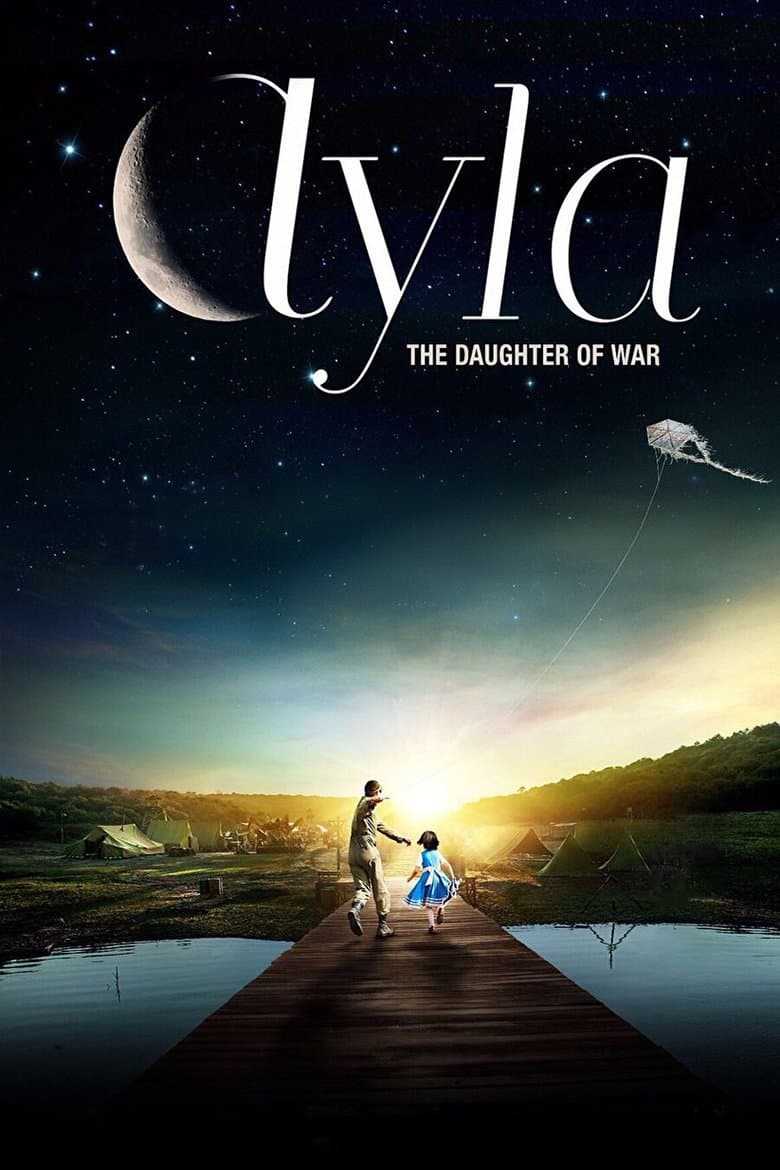
Movie · 2017
In 1950, amidst the ravages of the Korean War, Sergeant Süleyman stumbles upon a a half-frozen little girl, with no parents and no help in sight and he risks his own life to save…
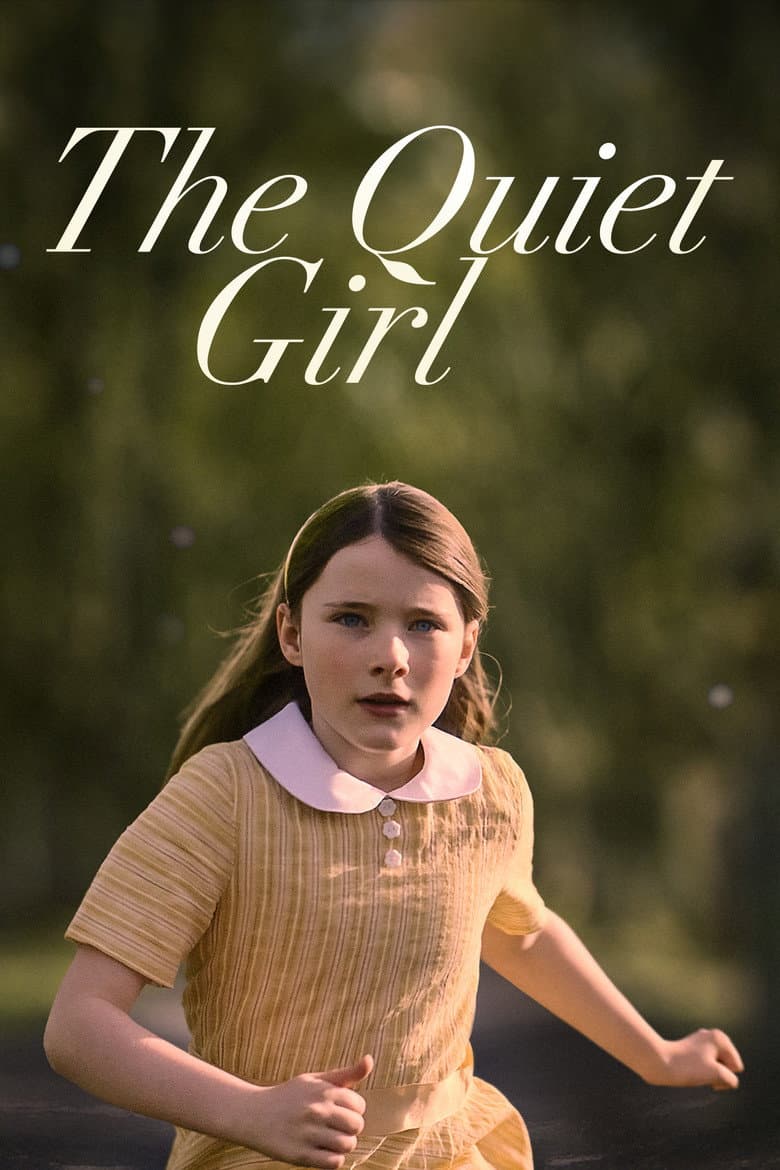
Movie · 2022
A quiet, neglected girl is sent away from her dysfunctional family to live with relatives for the summer. She blossoms in their care, but in this house where there are meant to be…
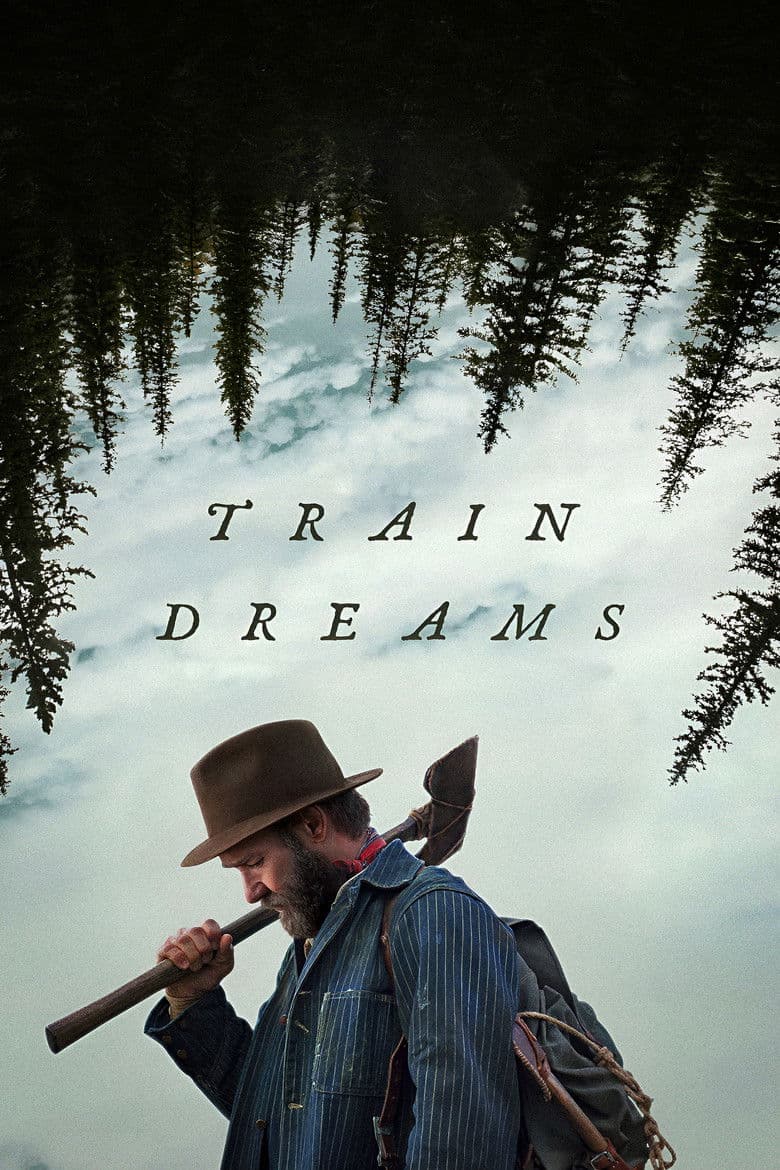
Movie · 2025
A logger leads a life of quiet grace as he experiences love and loss during an era of monumental change in early 20th-century America.
Movie · 2016
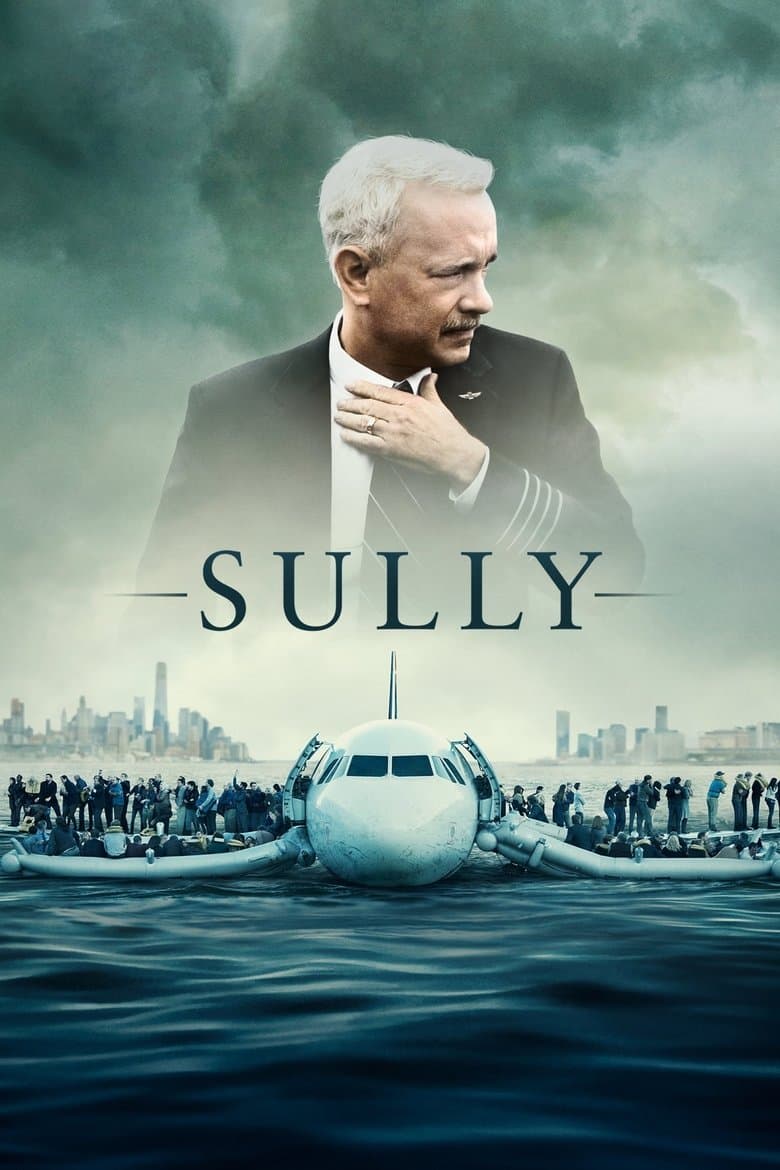
On 15 January 2009, the world witnessed the 'Miracle on the Hudson' when Captain 'Sully' Sullenberger glided his disabled plane onto the Hudson River, saving the lives of all 155…
