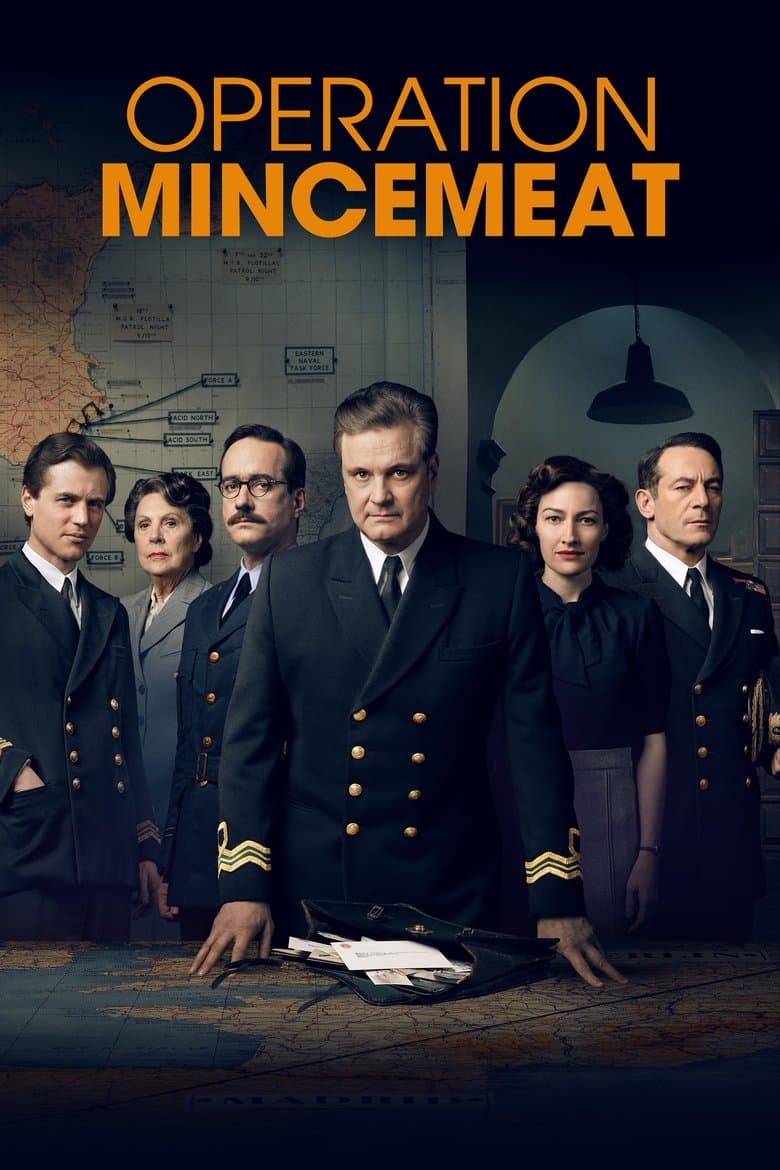
In 1943, British intelligence officer Ewen Montagu joins a secret team racing to protect a planned Allied landing in Sicily. With Charles Cholmondeley, he builds a wild plan: dress a dead man as an officer, plant fake papers on the body, and let it wash up in Spain so the Nazis will think the real attack is elsewhere. The story is a tense, dry wartime spy drama with romance and dark humor mixed in.
The movie is mostly a classic WWII trick-and-teamwork story. The main woke-leaning note is a clear push to put women at the center of the desk work: secretary Jean Leslie and office head Hester get big roles, and Jean fights for a real seat on the team. Creators and Netflix also sold the film as a tribute to women as “unsung heroes” of the war. That gender focus shows up in the plot and marketing, but it stays soft. A normal viewer mainly sees clever spies beating Hitler, not a loud modern activist film.
Community feedback
Was our 34% Woke rating accurate?
Breakdown
These are the editorial factors and ratings behind our score for Operation Mincemeat.
Woke representation / casting
Mostly white period cast that matches 1943 British intel. Two key women (Jean, Hester) get strong screen time. That is real history plus a mild, deliberate lift of female roles. No race swaps or quota-style diverse leads. Viewers notice capable women at the desk more than modern DEI casting.
22%
Woke political dialogue
Little modern activist speech. Some lines and scenes push women wanting real say and credit for the plan (including Jean bargaining for involvement). Tone is wartime office tension, not long lectures on current identity politics.
20%
Identity-driven story themes
Core story is the corpse ruse and beating the Nazis. A clear second theme is women as overlooked war workers. Jewish family risk for Montagu is historical, not a present-day race lecture. Gender recognition is the main mild identity note a careful viewer would catch.
30%
Western institutional / cultural critique
British intel and Churchill’s war effort are mostly shown as clever and necessary. Fighting Nazi tyranny is not scored as woke. Mild office power games and a Soviet-spy worry subplot stay inside period drama, not modern attacks on the West, faith, or traditional family as systems of harm.
5%
Woke character or canon changes
Main plan stays true. Film expands Jean’s power and invents/heavy-ups a love triangle and a spy threat scene so she can shine. That is soft identity-tilted rewriting of real people, not a race or gender swap of a famous figure. Ordinary drama padding is mixed with the women-forward tilt.
25%
Anti-woke backlash and complaints
No clear, widespread anti-woke campaign calling the film DEI, race/gender-swap propaganda, or left activist cinema. Complaints focused on pace and romance, not wokeness.
0%
Creator track record context
Ashford’s feminist lean and women-first framing raise the signal; Madden’s women-in-power habit fits the soft gender emphasis. Macintyre and most producers stay low. Overall mild activist tilt, not a hard DEI crew.
24%
Production
Movie · 2016
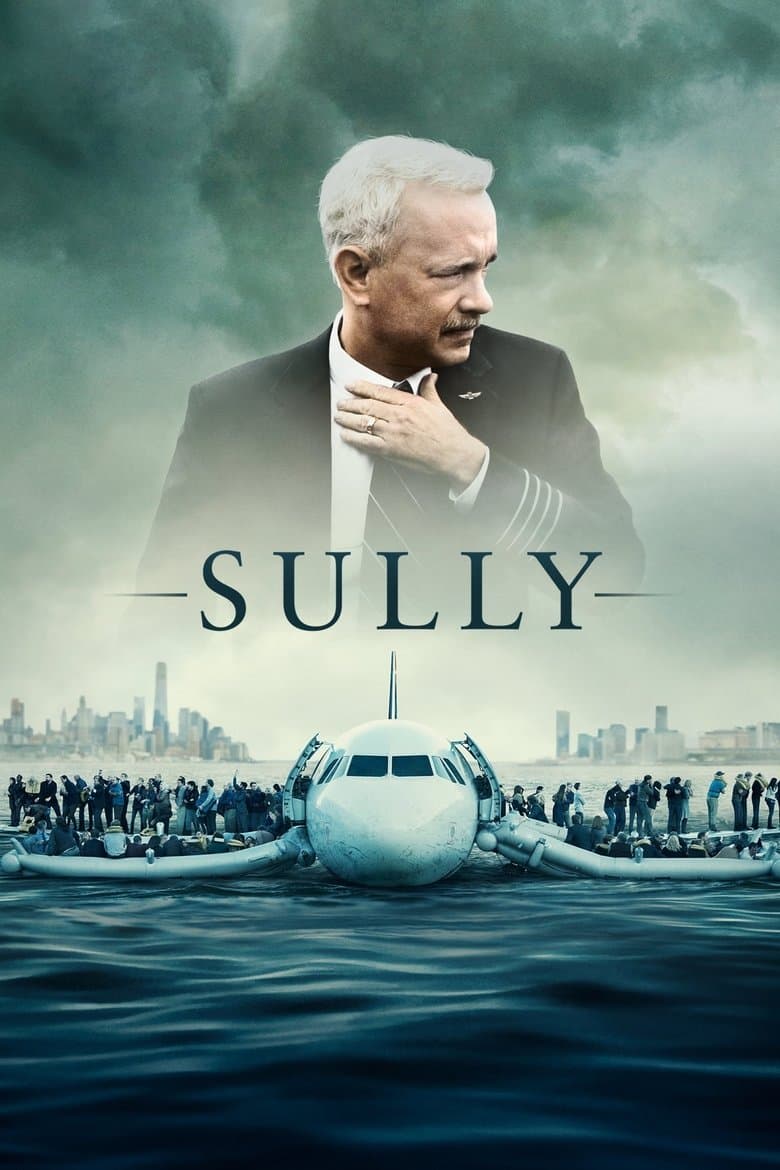
On 15 January 2009, the world witnessed the 'Miracle on the Hudson' when Captain 'Sully' Sullenberger glided his disabled plane onto the Hudson River, saving the lives of all 155…

Movie · 2023
The true story of the inseparable Von Erich brothers, who made history in the intensely competitive world of professional wrestling in the early 1980s.
Movie · 2019
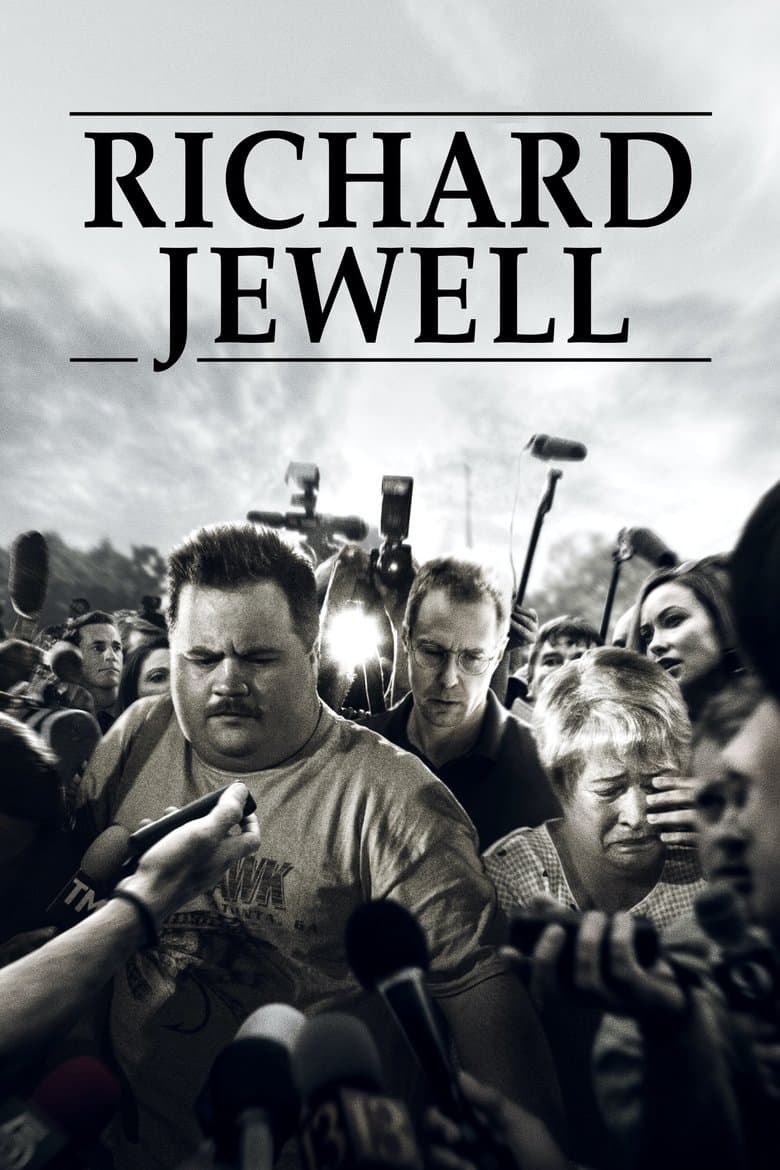
Richard Jewell thinks quick, works fast, and saves hundreds, perhaps thousands, of lives after a domestic terrorist plants several pipe bombs and they explode during a concert…

Movie · 2017
In 1950, amidst the ravages of the Korean War, Sergeant Süleyman stumbles upon a a half-frozen little girl, with no parents and no help in sight and he risks his own life to save…

Movie · 2025
A logger leads a life of quiet grace as he experiences love and loss during an era of monumental change in early 20th-century America.

Movie · 2025
Diagnosed with Tourette Syndrome at 15, John Davidson navigates his way against the odds through troubled teenage years and into adulthood, finding inspiration in the kindness of…

Movie · 2023
American ballet dancer Joy Womack is accepted into Moscow's infamously tough Bolshoi Ballet Academy, with the dream of becoming a great ballerina.
Movie · 2022
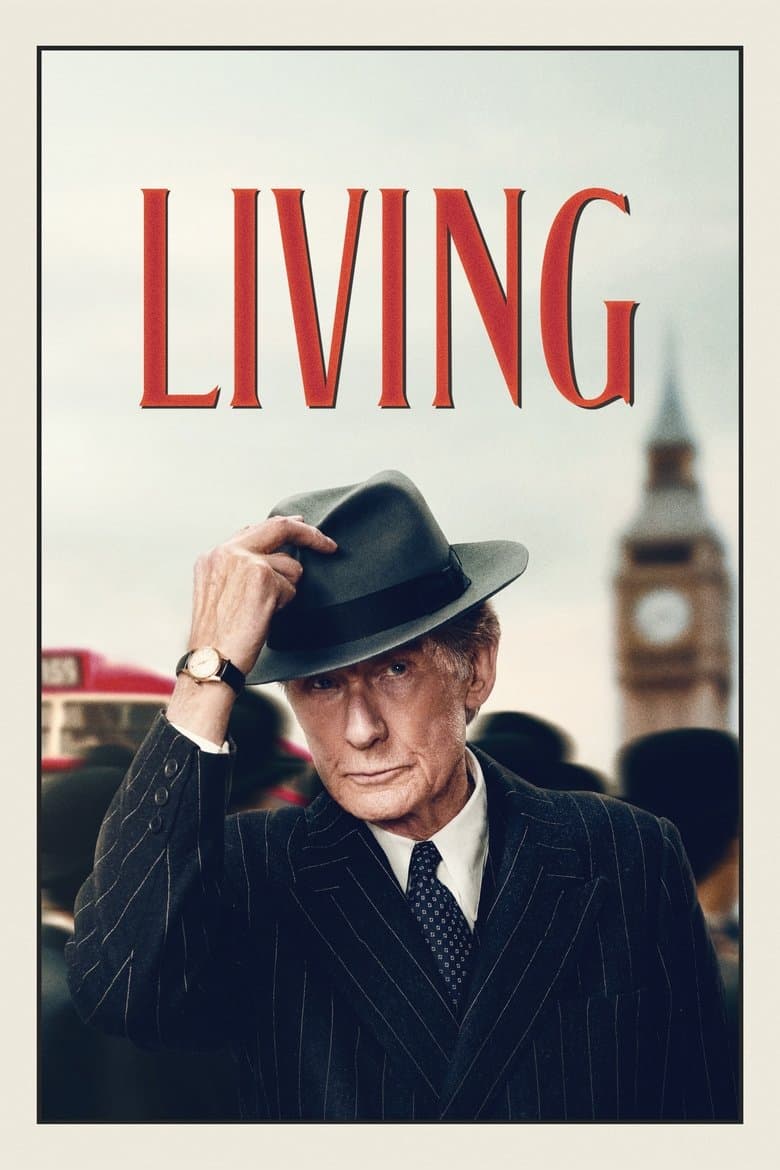
London, 1953. Mr. Williams, a veteran civil servant, is an important cog within the city's bureaucracy as it struggles to rebuild in the aftermath of World War II.
