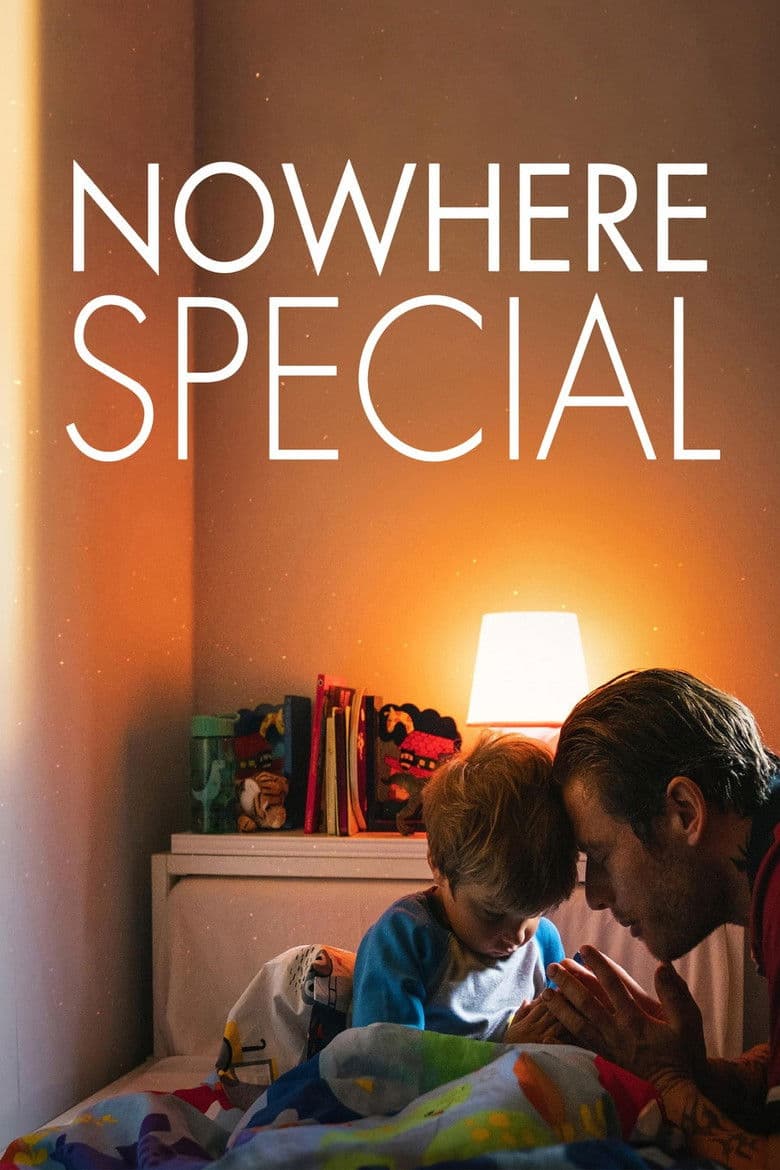
John is a window cleaner in Northern Ireland who raises his young son Michael alone after the boy’s mother left. When doctors tell John he is dying, he works with social workers to find a new family that will adopt Michael. He meets many possible parents while trying to protect his son from the hard truth. The film is quiet, sad, and focused on everyday love between a dad and his child.
The story is about a father’s care, death, and what kind of home feels right for a little boy. Viewers mainly see ordinary days, visits with families, and John’s final choices. There is a light idea that a good family does not have to look like a perfect couple with money, and the film ends with a single mother chosen as Michael’s new parent. That is a soft, human point about love and care, not a loud lecture about race, gender politics, or modern identity campaigns. Normal viewers would notice the heartbreak and the dad-and-son bond far more than any social-message push.
Community feedback
Was our 23% Woke rating accurate?
Breakdown
These are the editorial factors and ratings behind our score for Nowhere Special.
Woke representation / casting
Leads are a white working-class father and his young son. Supporting roles are mostly local Northern Ireland casting. A mixed-race couple and other families appear only as short adopter visits. Diversity is background and unemphasized, not the selling point or the plot engine.
7%
Woke political dialogue
Lines deal with death, parenting, trust, and choosing a home. There are no clear activist speeches about race, gender identity, queer politics, or modern social-justice slogans.
0%
Identity-driven story themes
The film asks what a good family is and ends with a single mother as the chosen parent. The main theme is a dying dad’s care for his son, not race, queer identity, or activist identity politics.
38%
Western institutional / cultural critique
Some rich or cold couples look unsuitable, and a few people treat the window cleaner badly. That is light class and manners observation. The film is not a modern activist attack on Western institutions, men, Christianity, or the family itself.
3%
Woke character or canon changes
Not present in this title.
0%
Anti-woke backlash and complaints
No clear pattern of anti-woke or right-leaning complaints that this film pushes DEI or identity politics. Public talk is mostly emotional praise or quiet drama notes.
0%
Creator track record context
Key authorial voice is Pasolini, known for gentle human dramas, not identity activism. Most listed producers score 0. One producer’s higher queer-culture score (52) is real career context but does not show up as this movie’s content or marketing.
12%
Production
Movie · 2022
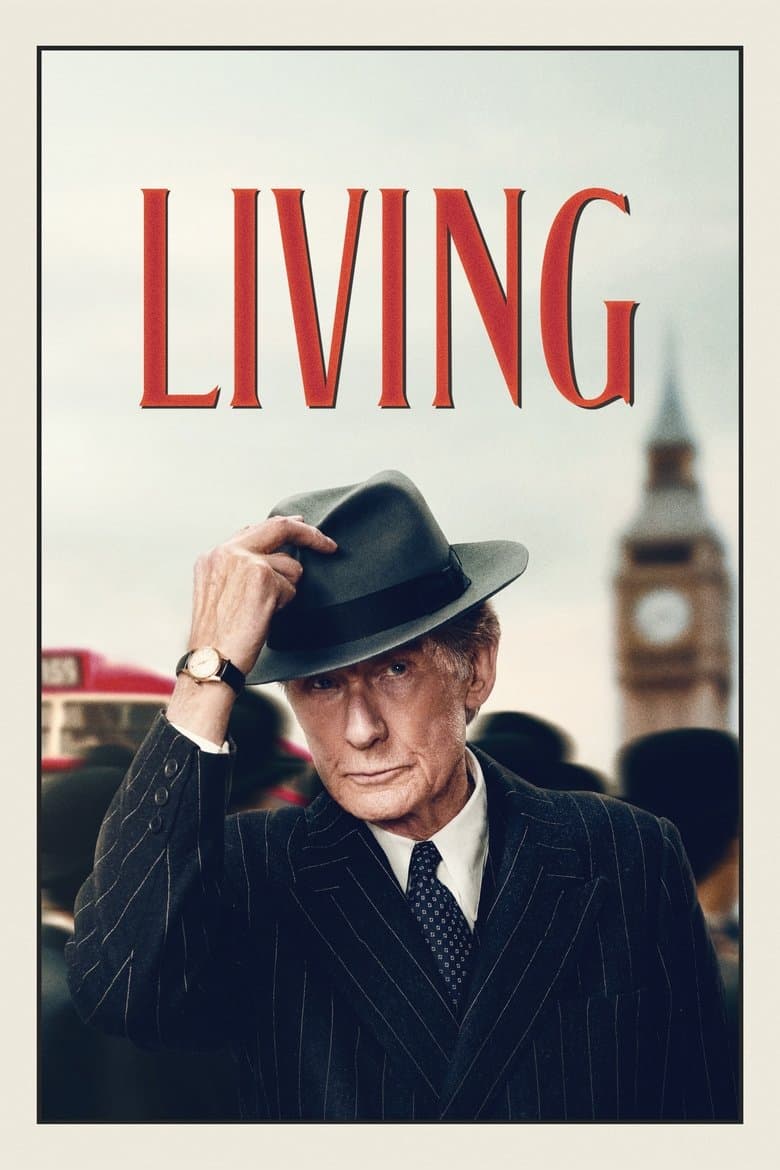
London, 1953. Mr. Williams, a veteran civil servant, is an important cog within the city's bureaucracy as it struggles to rebuild in the aftermath of World War II.
Movie · 2017
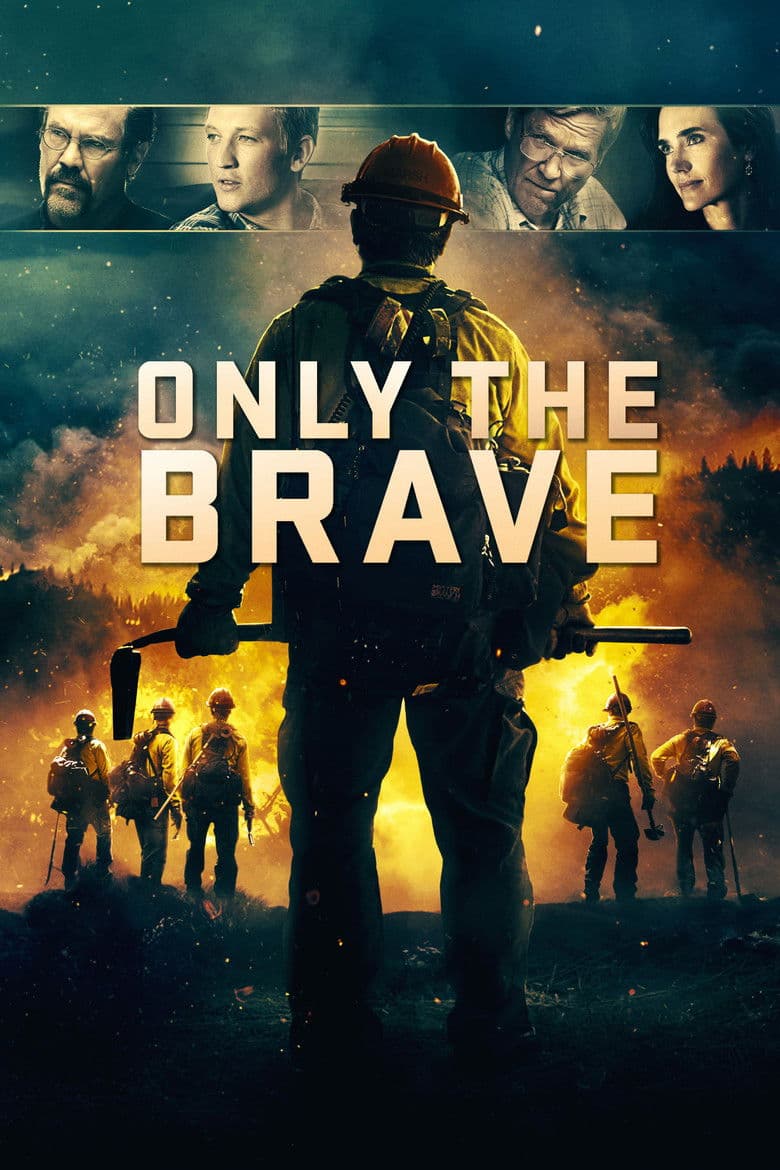
Members of the Granite Mountain Hotshots battle deadly wildfires to save an Arizona town.
Movie · 2026
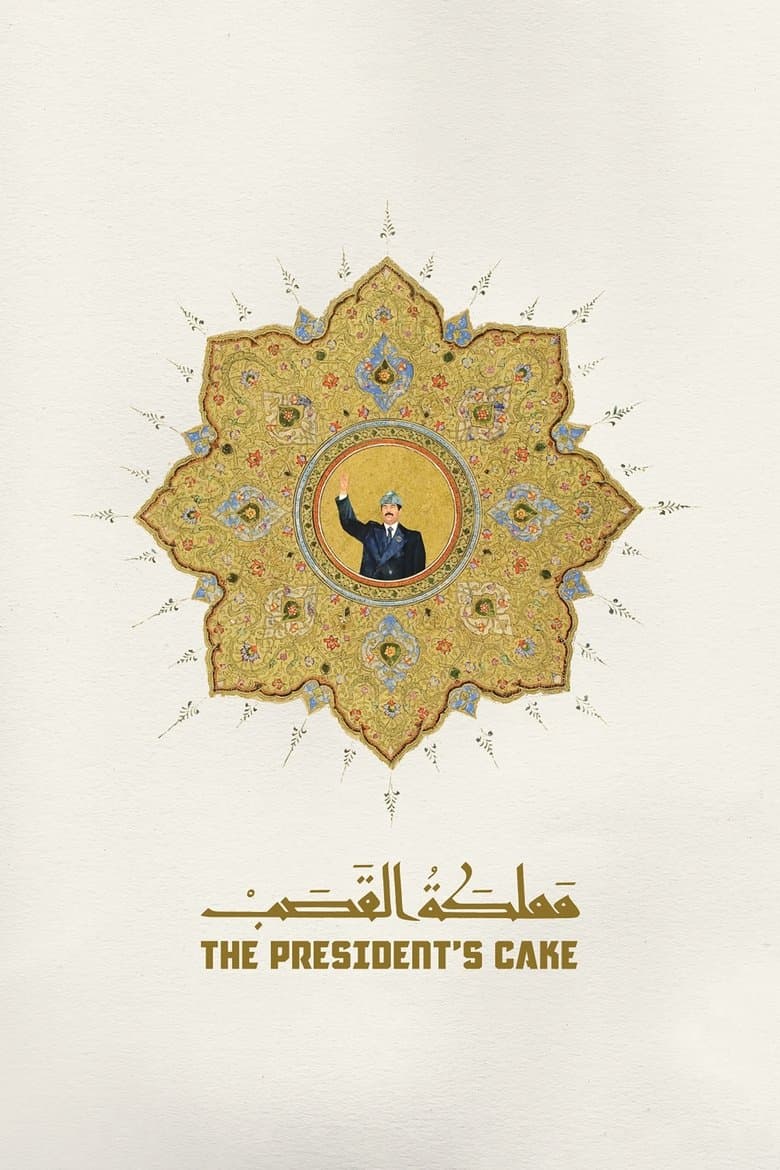
While people across 1990s Iraq struggle to survive the war and food shortages, Saddam Hussein requires each school in the country to prepare a cake to celebrate his birthday.
Movie · 2022
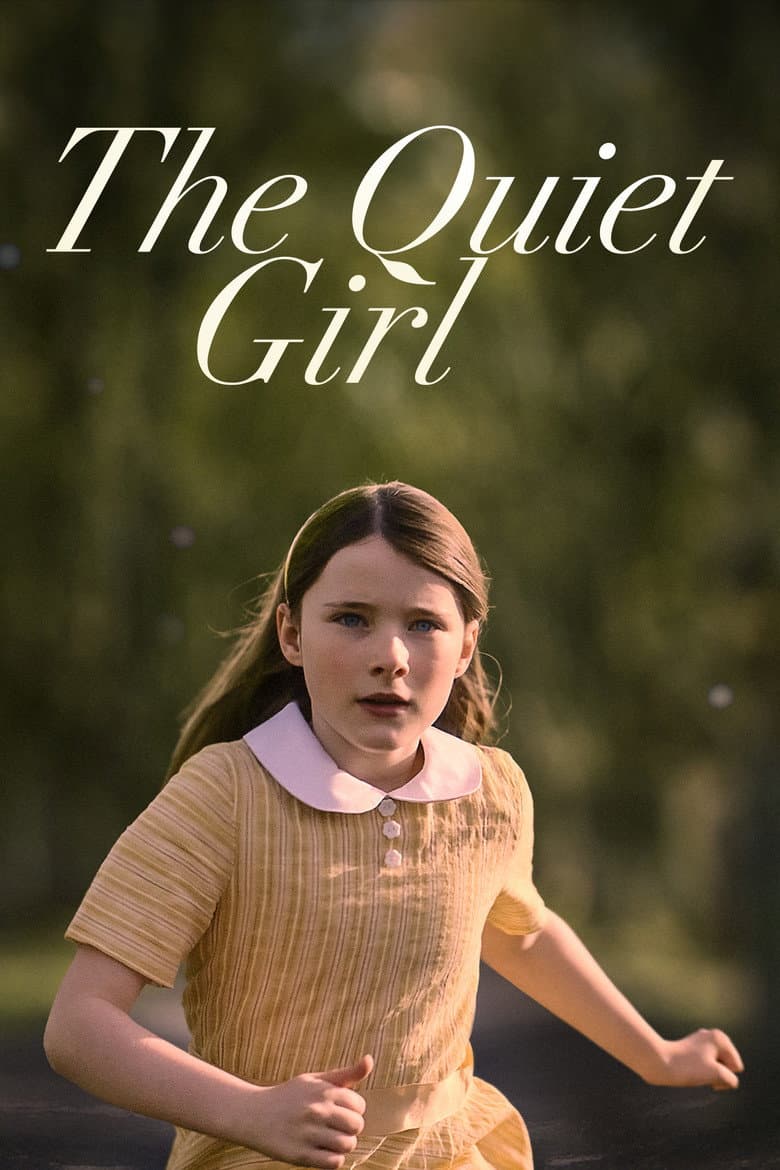
A quiet, neglected girl is sent away from her dysfunctional family to live with relatives for the summer. She blossoms in their care, but in this house where there are meant to be…
Movie · 2017
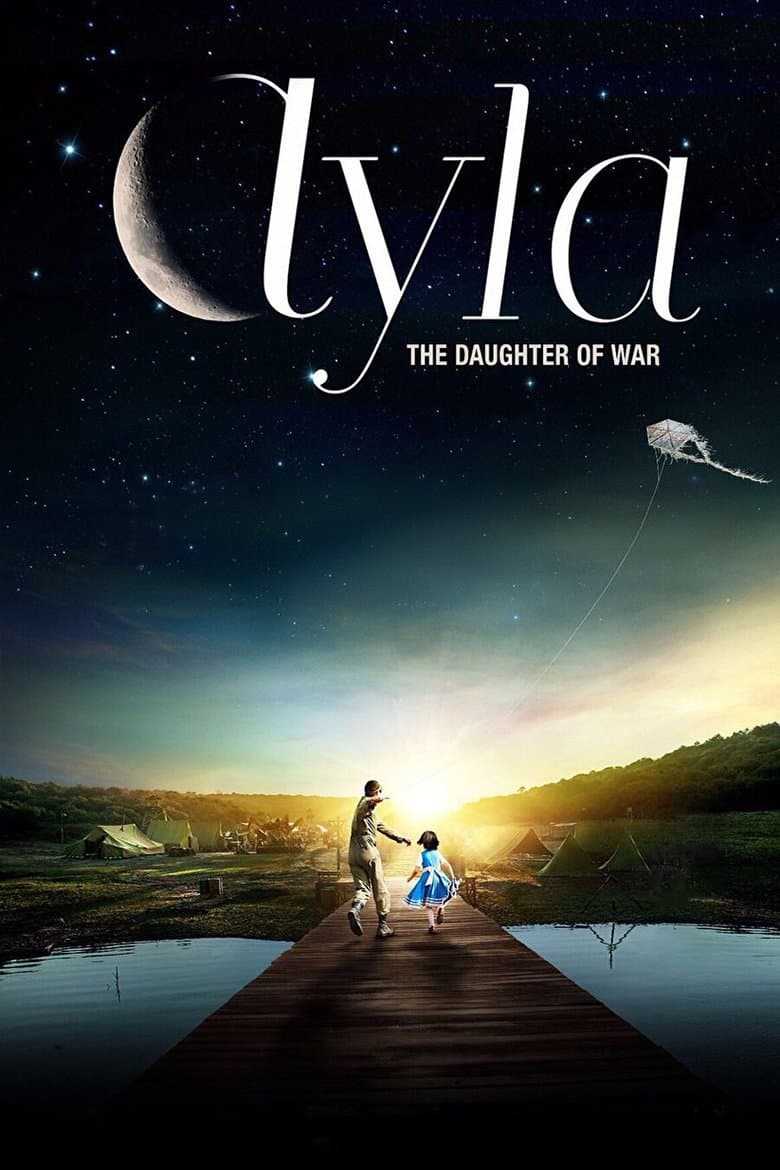
In 1950, amidst the ravages of the Korean War, Sergeant Süleyman stumbles upon a a half-frozen little girl, with no parents and no help in sight and he risks his own life to save…
Movie · 2019
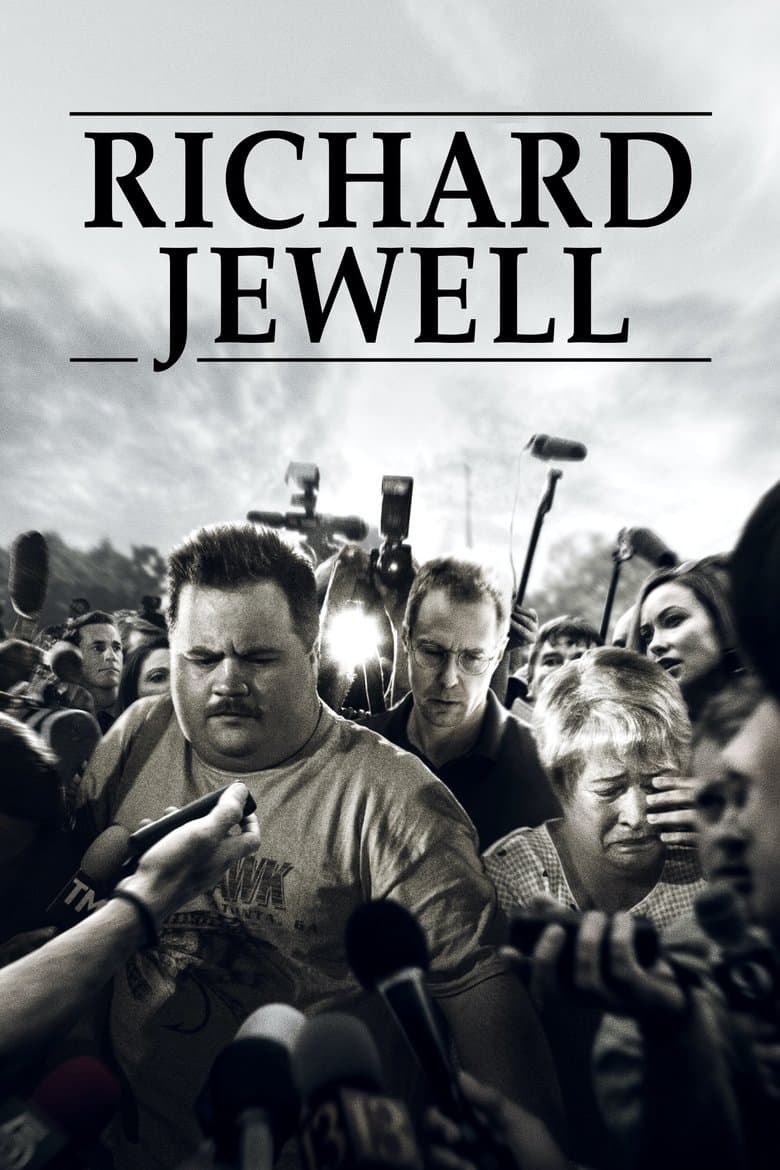
Richard Jewell thinks quick, works fast, and saves hundreds, perhaps thousands, of lives after a domestic terrorist plants several pipe bombs and they explode during a concert…
Movie · 2020
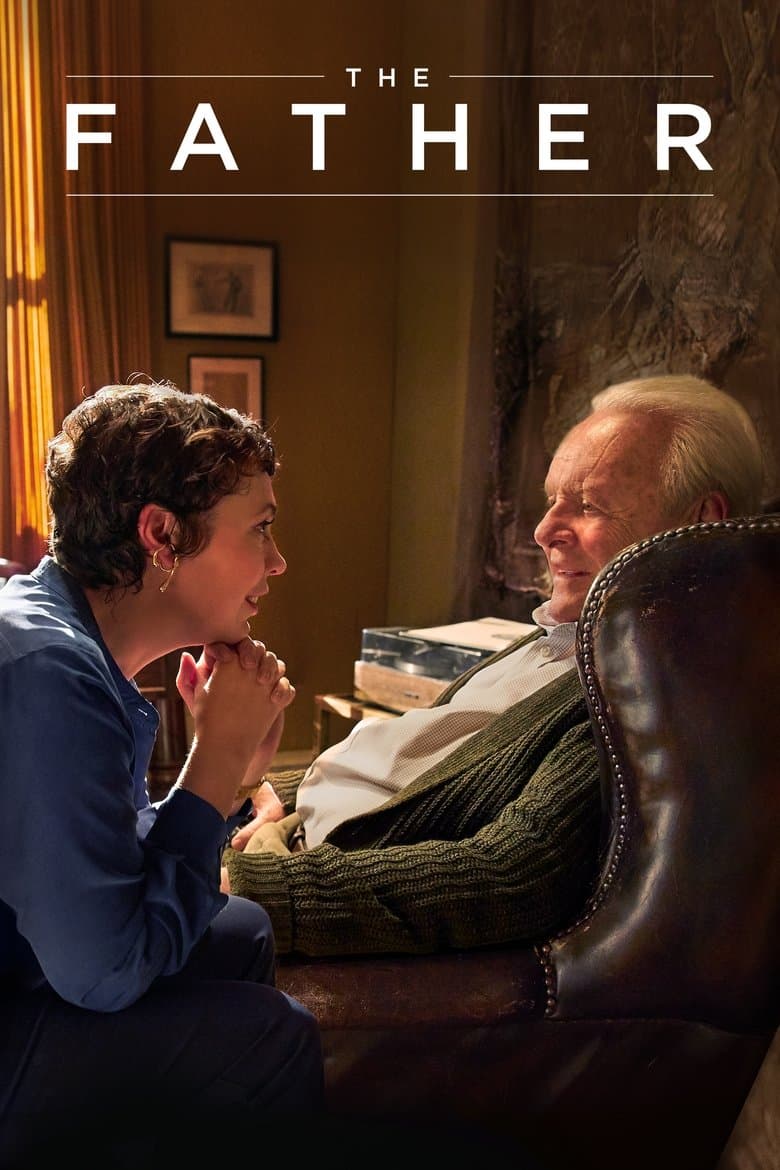
A man refuses all assistance from his daughter as he ages and, as he tries to make sense of his changing circumstances, he begins to doubt his loved ones, his own mind and even…
Movie · 2016
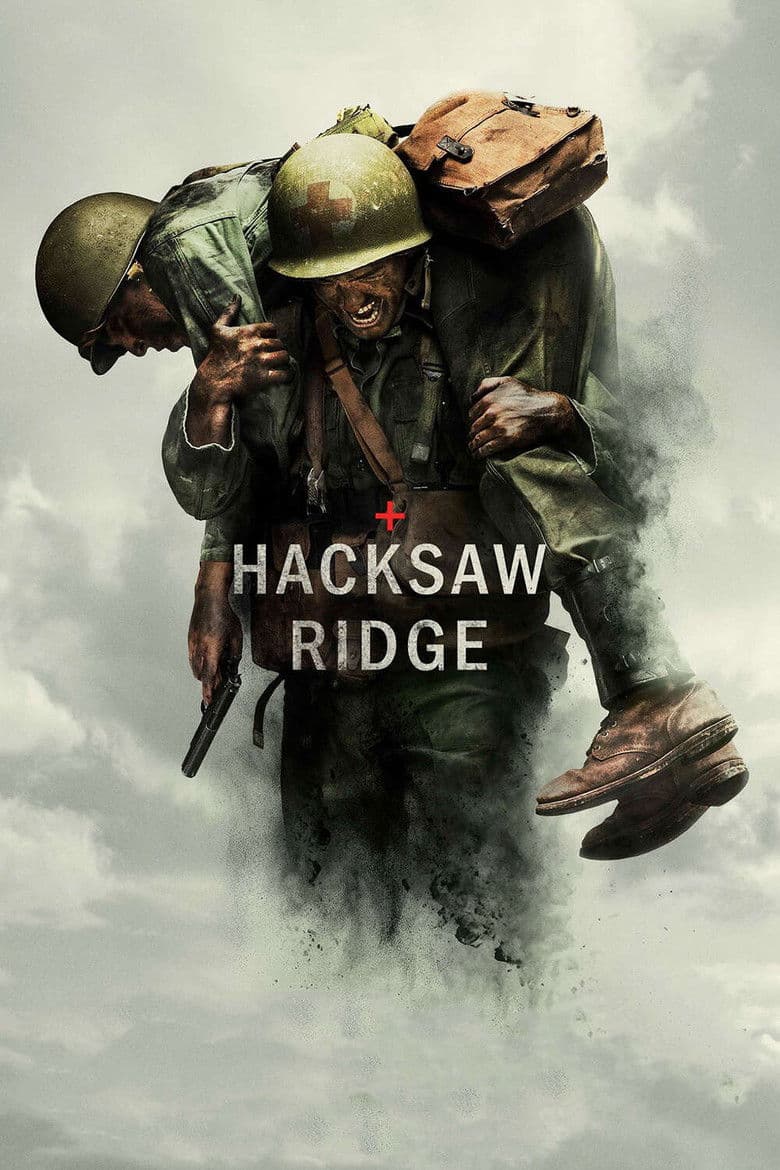
WWII American Army Medic Desmond T. Doss, who served during the Battle of Okinawa, refuses to kill people and becomes the first Conscientious Objector in American history to…
