
Marie and Vincent invite longtime friends to their home for dinner during a lunar eclipse. Marie suggests that everyone place their phones on the table and read every call, text, email, and social media message aloud. The plan exposes affairs, lies, private desires, and deep problems in the couples, while the group tries to keep the night from falling apart. The film uses a tight one-room setting and mixes sharp comedy with tense and sad moments as the friends learn how little they know about one another.
One important subplot follows Ben, a divorced man who hides that he is dating Julien, another man. The dinner includes jokes and claims about how gay men can be recognized, and another character calls one claim homophobic. Ben’s coming-out reveal affects the group and gives the film a clear message about fear, secrecy, and judgment around homosexuality. The rest of the story focuses on cheating, marriage, and family trust. It also warns about treating a phone as a window into every private thought.
Community feedback
Was our 38% Woke rating accurate?
Breakdown
These are the editorial factors and ratings behind our score for Nothing to Hide.
Woke representation / casting
Not present. The film presents three couples and one single man in a present-day French setting, without framing the casting as a diversity message.
0%
Woke political dialogue
The dinner includes a short but clear exchange about Ben’s sexuality. One man uses a stereotype about gay men, and another calls the claim homophobic. Ben then argues that his friends’ reactions explain why he kept his relationship private. The exchange is important to one part of the dinner but does not shape the whole film.
32%
Identity-driven story themes
Ben hides his relationship with Julien from old friends and from people at his school. The game turns his secret into a major emotional reveal, and Ben says he lost work because of his sexuality. The film asks whether fear of judgment forces people to hide who they love. Ben’s story is important, but it shares the film with affairs, marriage problems, and phone privacy.
43%
Western institutional / cultural critique
Ben says a school did not renew his contract after his sexuality became known. The film links that fear to jokes and suspicion from his old friends. The story treats this treatment as wrong, but it does not turn the school, religion, or wider Western culture into its main target.
28%
Woke character or canon changes
Not relevant. The film is a French remake, but its changes concern names, jobs, and local details. No race, gender, sexuality, or real-person change is part of the remake.
0%
Anti-woke backlash and complaints
Not present. No sustained anti-woke complaints, boycott, review-bombing, or culture-war campaign was found in the available coverage or supplied X evidence. Public discussion centered on privacy, relationships, acting, and the film’s ending.
0%
Creator track record context
Paolo Genovese has a wider record of stories about gendered power, feminism, and violence against women. Camilla Nesbitt has spoken about barriers faced by women in film production. Fred Cavayé and the other listed creators are mainly linked to commercial thrillers, comedies, and dramas. This gives the project a mild gender-related context, but not a strong activist or identity-first profile.
22%
Production

Movie · 2018
With their golden era long behind them, comedy duo Stan Laurel and Oliver Hardy embark on a variety hall tour of Britain and Ireland.
Movie · 2024
Four tales unfold in Wes Anderson's anthology of short films adapted from Roald Dahl's beloved stories, "The Wonderful Story of Henry Sugar", "The Swan", "The Rat Catcher", and…
Movie · 2019
A headstrong Chinese-American woman returns to China when her beloved grandmother is given a terminal diagnosis.
Movie · 2019
Following a group of friends from university as they progress into middle-age life and go their own separate ways.
Movie · 2023
Two large, ignorant bullies ruthlessly pursue a small, brilliant boy in this young adult Roald Dahl short story.
Movie · 2022
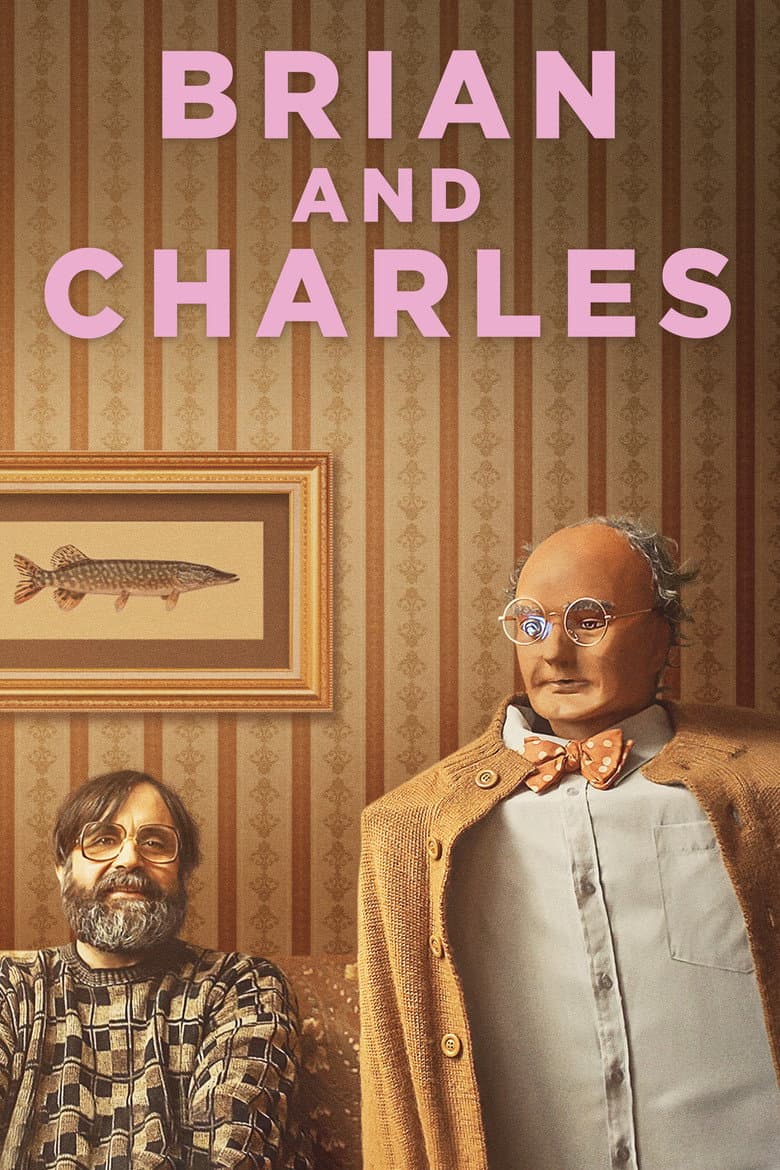
An endearing outlier, Brian lives alone in a Welsh valley, inventing oddball contraptions that seldom work. After finding a discarded mannequin head, Brian gets an idea.

Movie · 2016
Set against the backdrop of a beautiful garden in the heart of London, this contemporary fairy tale revolves around the unlikely friendship between a reclusive young woman and a…

Movie · 2017
The film follows a man with an unwanted gift for healing who meets a teenager with cancer who helps him to find himself.
