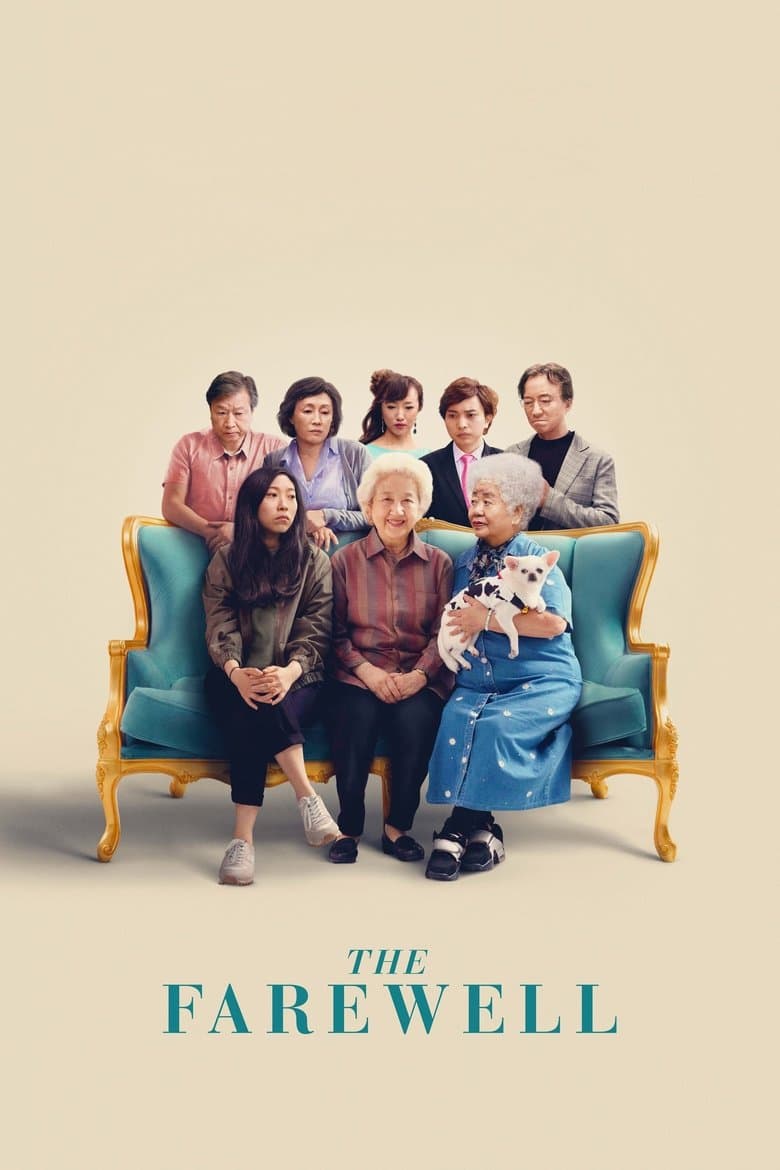
Billi is a young Chinese American writer who lives in New York and feels close to her grandmother in Changchun, China. She learns that Nai Nai has terminal lung cancer, but the family decides to hide the news from her. The relatives invent a quick wedding so they can gather and say goodbye without making Nai Nai suspicious. Billi struggles to follow the plan because she believes Nai Nai deserves the truth, while her relatives believe they should carry the pain for her. The film mixes gentle jokes with family tension, grief, and quiet sadness.
The film makes the gap between Billi's American upbringing and her family's Chinese habits a main part of the story. Billi sees honesty as a personal right, while her relatives see illness as a burden shared by the whole family. The story gives warmth and flaws to both views instead of naming one side as evil. The family also faces old grief, migration, homesickness, and the fear of losing a place that once felt like home. Its strongest message is that love can protect people, but love can also require painful choices and silence.
Community feedback
Was our 14% Woke rating accurate?
Breakdown
These are the editorial factors and ratings behind our score for The Farewell.
Woke representation / casting
The film gives its major roles to Chinese, Chinese-American, and Japanese actors, and most of the dialogue is in Mandarin. That choice fits the family's history, the China setting, and Billi's life, so the casting does not look forced. Wang also spoke about keeping the Asian cast and about Asian-American representation. The casting therefore carries a small identity signal, but the story gives it a strong reason.
0%
Woke political dialogue
Billi briefly says that America has problems with guns and health care. The line adds a small liberal political note to the dialogue. The film does not build those issues into an activist speech or a wider political debate. The main conversations stay on illness, family duty, and cultural differences.
8%
Identity-driven story themes
The film makes Billi's life between America and China a main source of conflict. The family debate turns personal truth and shared duty into a question about what a good family member should do. Billi's move to America and her grief about losing her old home shape her emotional arc. The story treats both sides with care, but the identity theme is central and easy to notice.
14%
Western institutional / cultural critique
Not present. The story gently contrasts Chinese family harmony and protection with Western directness, but both approaches receive empathy and no modern activist framing of Western norms as toxic or oppressive.
0%
Woke character or canon changes
Not relevant. this is an original story inspired by real events with no established characters or source material to alter.
0%
Anti-woke backlash and complaints
Not present. No anti-woke or right-leaning complaints about woke messaging, identity politics, or DEI elements surfaced in reviews or public discussion.
0%
Creator track record context
Lulu Wang's stored profile shows a mild focus on cultural identity and Asian-American representation. Anita Gou's profile also notes support for Asian-American stories, while Chris Weitz has some immigration work and criticism of conservative politics. The other stored producer and casting profiles show little or no activist pattern. The team adds light creator track record context, but it does not show a strong activist pattern.
24%
Production
Movie · 2018
With their golden era long behind them, comedy duo Stan Laurel and Oliver Hardy embark on a variety hall tour of Britain and Ireland.

Movie · 2016
Set against the backdrop of a beautiful garden in the heart of London, this contemporary fairy tale revolves around the unlikely friendship between a reclusive young woman and a…
Movie · 2023
Two large, ignorant bullies ruthlessly pursue a small, brilliant boy in this young adult Roald Dahl short story.
Movie · 2022
An endearing outlier, Brian lives alone in a Welsh valley, inventing oddball contraptions that seldom work. After finding a discarded mannequin head, Brian gets an idea.
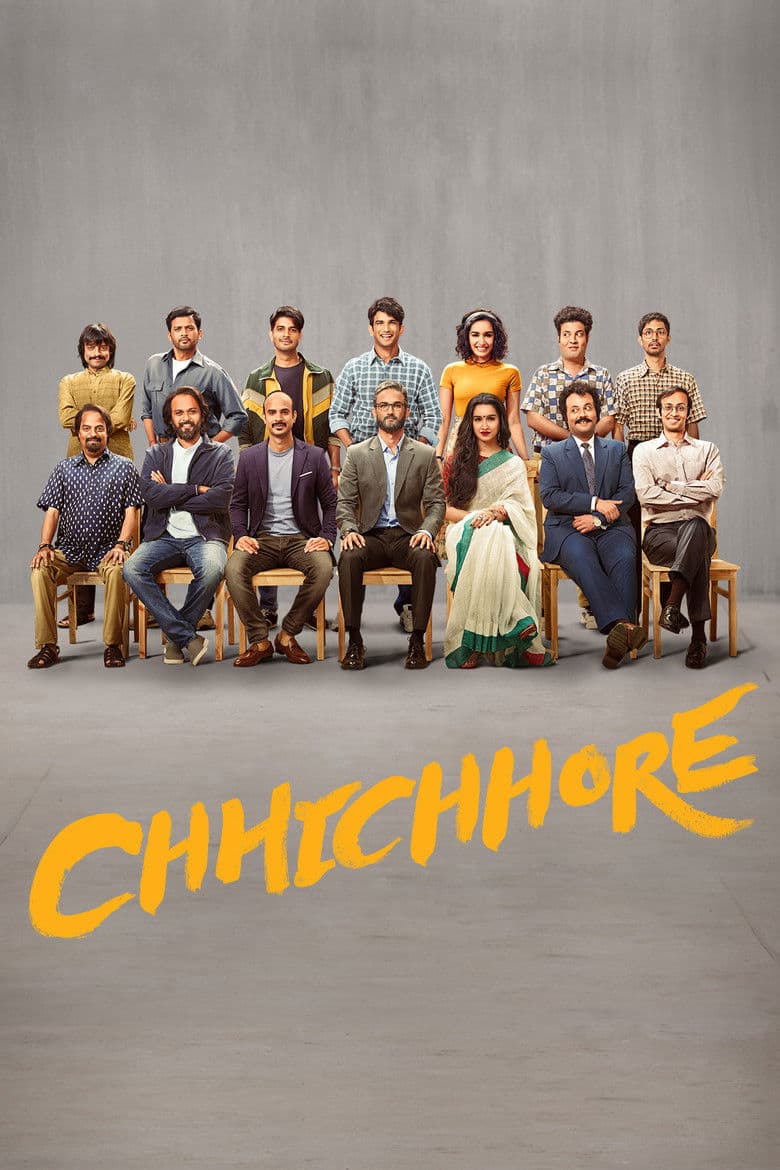
Movie · 2019
Following a group of friends from university as they progress into middle-age life and go their own separate ways.
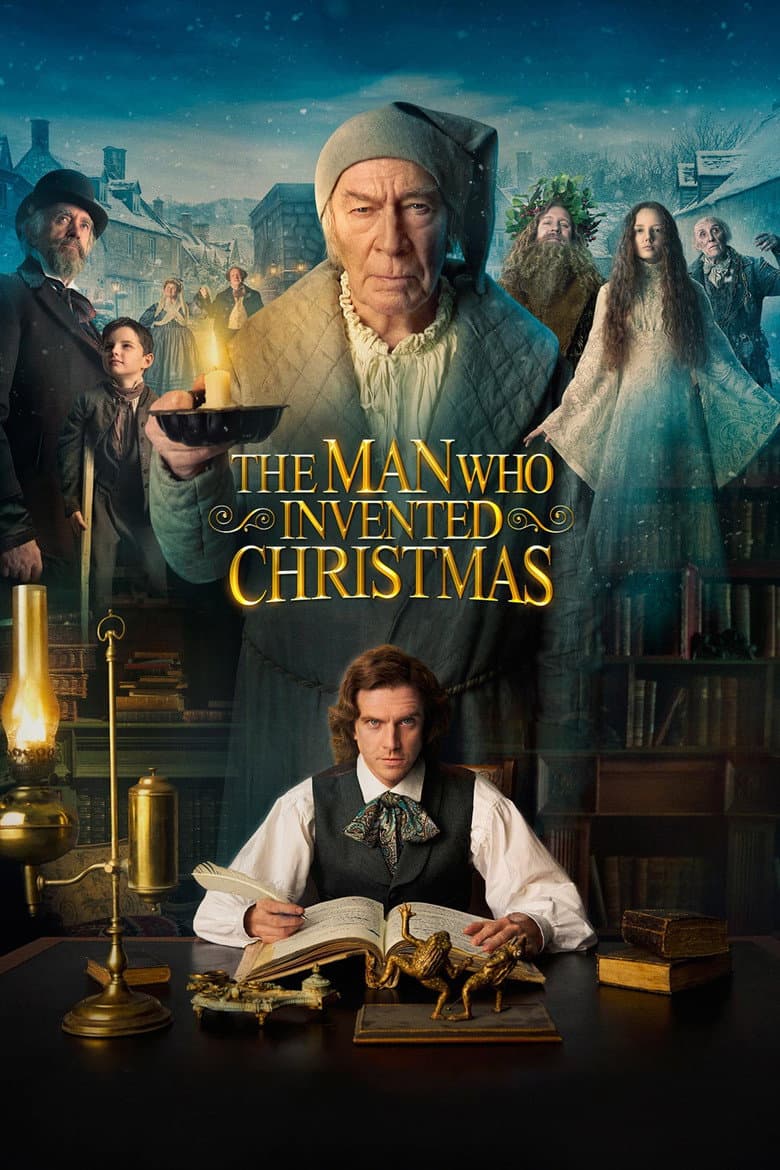
Movie · 2017
In 1843, despite the fact that Dickens is a successful writer, the failure of his latest book puts his career at a crossroads, until the moment when, struggling with inspiration…
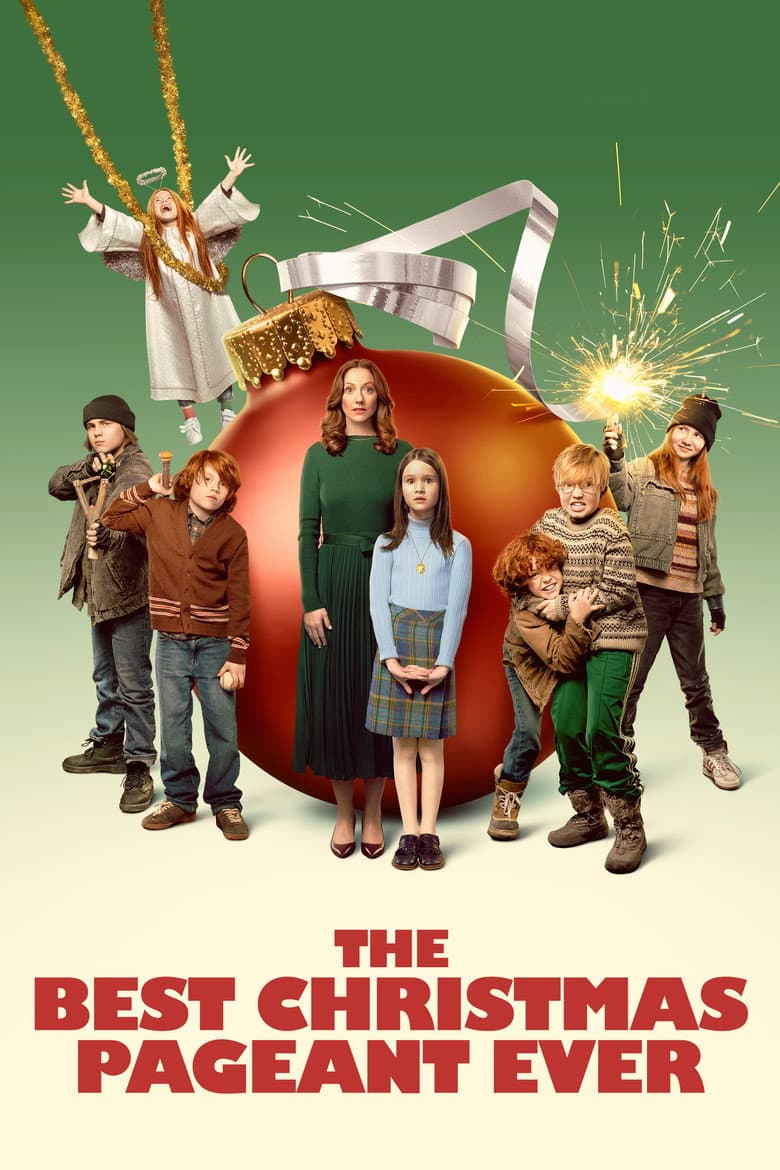
Movie · 2024
The Herdman kids are undeniably the worst kids in the history of the world. They lie, steal, cheat, bully and overall terrorize their small community.
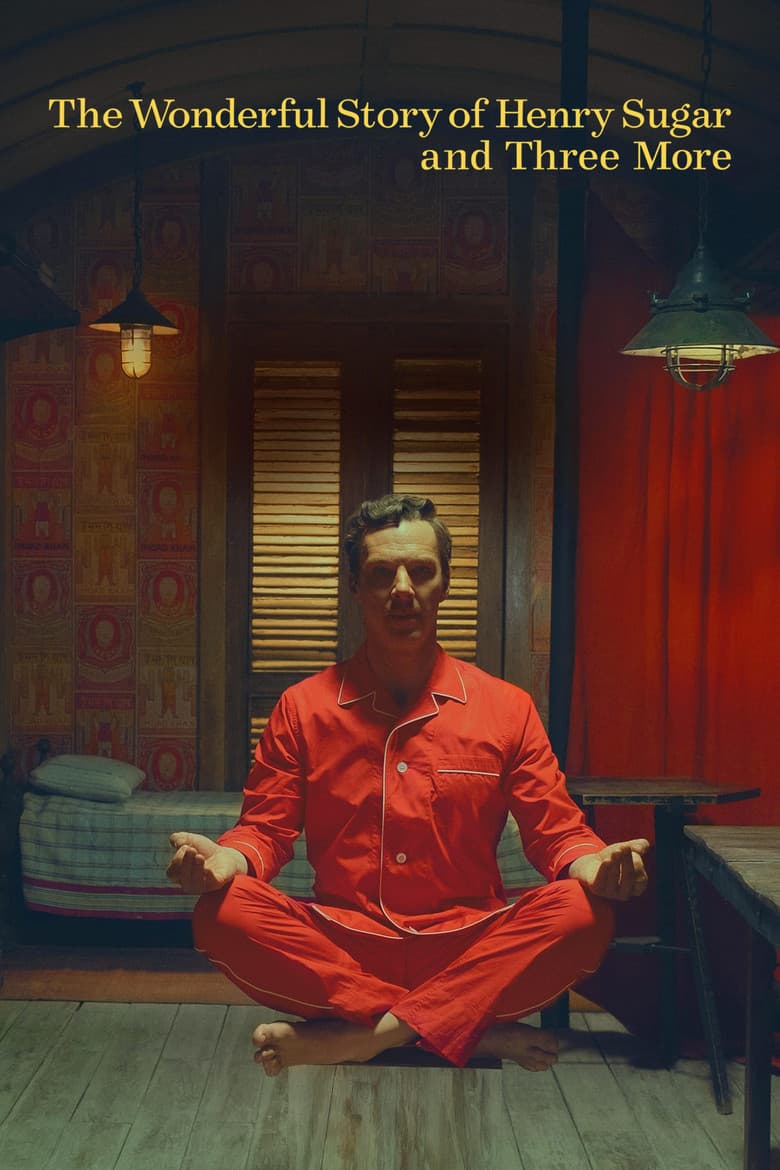
Movie · 2024
Four tales unfold in Wes Anderson's anthology of short films adapted from Roald Dahl's beloved stories, "The Wonderful Story of Henry Sugar", "The Swan", "The Rat Catcher", and…
