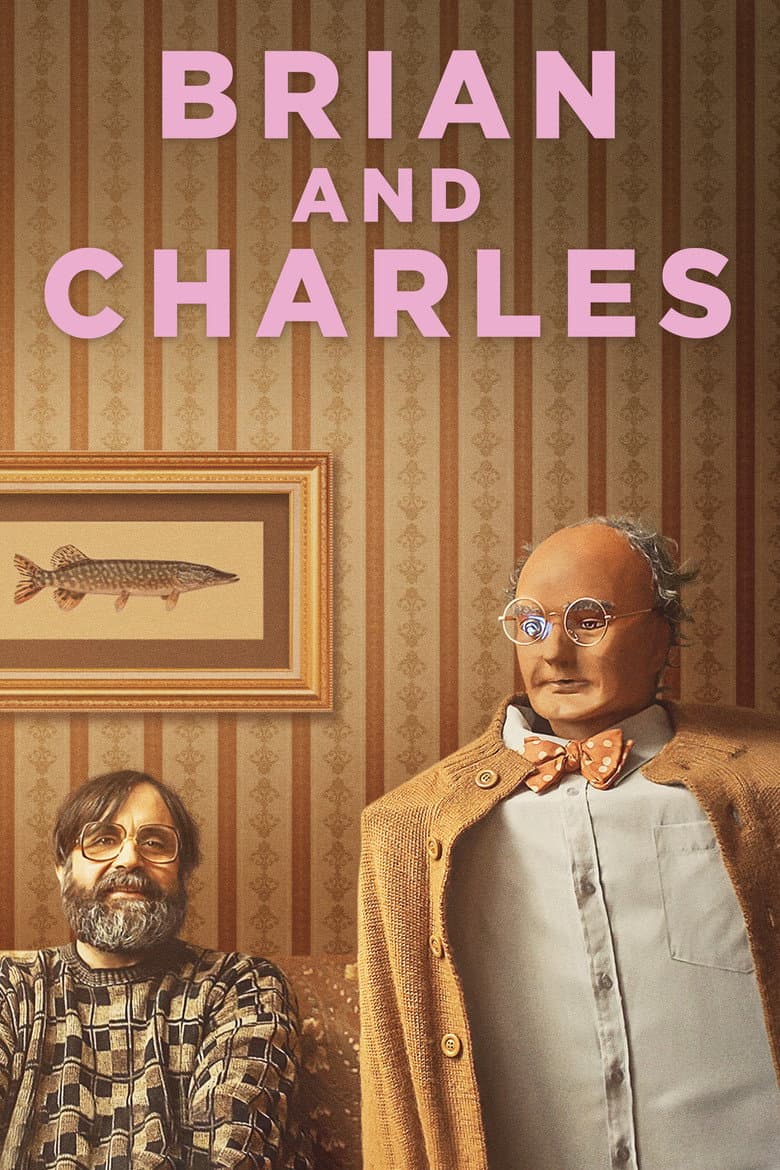
Brian lives alone in a remote Welsh valley, where he builds strange machines that rarely work. After a hard winter leaves him lonely, he makes Charles from a washing machine, a mannequin head, and scrap parts. Charles learns words from a dictionary and soon acts like a curious child who wants to see the world. The gentle documentary-style comedy follows their friendship as Brian tries to protect his new companion from local bullies and from the dangers he imagines outside.
The film’s visible message is about loneliness, friendship, family-like care, and the need to let someone grow. Charles moves from a childlike creation to a person-like friend who wants freedom, travel, and a life beyond Brian’s cottage. Brian also begins a shy romance with Hazel, while Charles helps him face other people. The story uses a local bully and the threat of a bonfire for simple conflict, but it does not turn those events into political or identity-based arguments.
Community feedback
Was our 4% Woke rating accurate?
Breakdown
These are the editorial factors and ratings behind our score for Brian and Charles.
Woke representation / casting
Not present. The cast includes local villagers from different backgrounds in supporting roles, but the story never points to race, gender, or diversity as a special message. Brian, Hazel, and Charles are chosen for the comedy and plot, not for identity signaling.
0%
Woke political dialogue
Not present. The dialogue stays on inventions, friendship, romance, bullying, and travel dreams. No character gives a political or activist speech.
0%
Identity-driven story themes
Not present. The story focuses on loneliness, friendship, family-like care, and learning to let go. Charles wants freedom because he is growing up, not because the film links him to a modern identity or activist cause.
0%
Western institutional / cultural critique
Not present. Eddie is a bully and Brian is an isolated man, but the film treats both as personal problems. The story does not attack family, religion, capitalism, male roles, or Western institutions.
0%
Woke character or canon changes
Not relevant. The feature grows from the creators’ 2017 short and keeps the same original pair. No established character, canon, or historical figure is changed for an identity message.
0%
Anti-woke backlash and complaints
Not present. Public posts and reviews found for this small release mostly call it sweet, funny, charming, or not widely seen. I found no credible complaint that it pushes woke, DEI, identity politics, or left-wing messaging.
0%
Creator track record context
Jim Archer and writers Chris Hayward and David Earl have very low scores and no documented activist pattern. Most of their known work is British comedy. Producer Mary Burke has a higher but still mild context score because she produced the LGBTQ-centered films God's Own Country and Ammonite. Other producers have mixed credits involving diverse or identity-related stories, but this film does not use those themes.
18%
Production
Movie · 2016
Discover what Thor was up to during the events of Captain America: Civil War.

Movie · 2018
An astronomer becomes obsessed with searching the cosmos for signs of life beyond Earth which leads to a shocking discovery.
Movie · 2019
ZIM discovers his almighty leaders never had any intention of coming to Earth and he loses confidence in himself for the first time in his life, which is the big break his human…
Movie · 2020
Powered with incredible speed, Sonic The Hedgehog embraces his new home on Earth. That is, until Sonic sparks the attention of super-uncool evil genius Dr. Robotnik.
Movie · 2018
All the major DC superheroes are starring in their own films, all but the Teen Titans, so Robin is determined to remedy this situation by getting over his role as a sidekick and…
Movie · 2024
Gru and Lucy and their girls—Margo, Edith and Agnes—welcome a new member to the Gru family, Gru Jr., who is intent on tormenting his dad.

Movie · 2021
In a world where walking, talking, digitally connected bots have become children's best friends, an 11-year-old finds that his robot buddy doesn't quite work the same as the…
Movie · 2024
Porky and Daffy, the classic animated odd couple, turn into unlikely heroes when their antics at the local bubble gum factory uncover a secret alien mind control plot.
