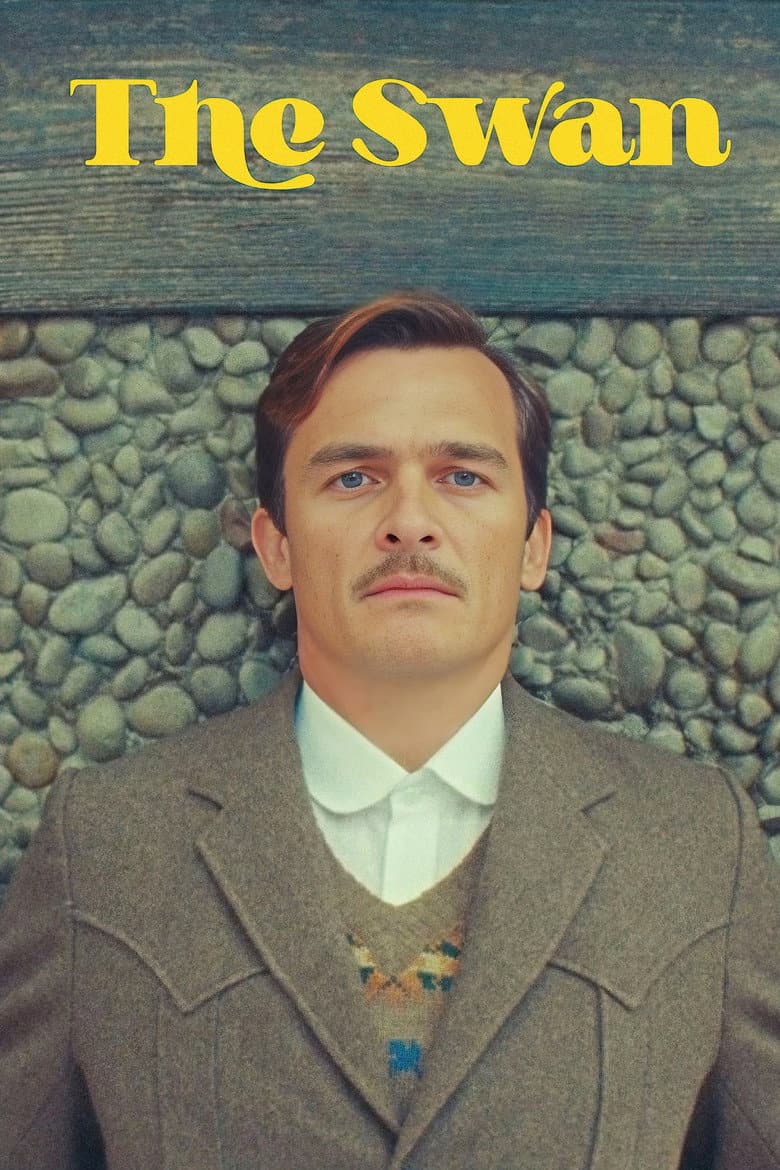
The Swan follows Peter Watson, a small and bright boy who spends a quiet day watching birds in the English countryside. Two older boys, Ernie and Raymond, find him and turn their game into a cruel attack. They use a gun, a railway track, and a dead swan to frighten and hurt him. The short has a calm, storybook look, but its neat sets and flat voice make the violence feel even colder.
The film centers on bullying, animal cruelty, fear, and the damage that childhood violence can leave behind. An adult Peter tells the story while his younger self silently acts it out, so the past stays close to him. The boys' cruelty is shown as the evil of two people, not as a lesson about race, sex, politics, or a social group. The ending turns the swan into a strange sign of survival and leaves Peter's fate partly open.
Community feedback
Was our 2% Woke rating accurate?
Breakdown
These are the editorial factors and ratings behind our score for The Swan.
Woke representation / casting
Not present. The main roles are white British boys and men in a 1970s English setting. The film does not make race, sex, or another identity a story point.
0%
Woke political dialogue
Not present. The characters discuss birds, cruelty, fear, and survival. No one gives a political or activist speech.
0%
Identity-driven story themes
Not present. The main themes are bullying, animal cruelty, fear, trauma, and survival. The story does not frame these events around race, sex, sexuality, or another group identity.
0%
Western institutional / cultural critique
Not present. The film condemns the cruel actions of two boys. It does not attack men as a class, family life, religion, or a Western institution.
0%
Woke character or canon changes
Not relevant. The film adds an adult Peter as narrator and changes how the story is shown. It does not change a character's identity or use a DEI message to rewrite the Dahl story.
0%
Anti-woke backlash and complaints
Not present. No serious anti-woke complaints about the film were found in mainstream coverage or audience discussion. Viewers mainly argued about its dark bullying story, animal cruelty, and fast narration.
0%
Creator track record context
The key creators have mostly non-political public records. Wes Anderson and Roald Dahl have no noted identity or social-justice activism. Jennifer Furches and Jeremy Dawson also have no noted activist work. Steven M. Rales has modest Democratic donations and arts and education giving, which is only a weak general liberal signal.
11%
Production
Movie · 2024
Four tales unfold in Wes Anderson's anthology of short films adapted from Roald Dahl's beloved stories, "The Wonderful Story of Henry Sugar", "The Swan", "The Rat Catcher", and…
Movie · 2022
An endearing outlier, Brian lives alone in a Welsh valley, inventing oddball contraptions that seldom work. After finding a discarded mannequin head, Brian gets an idea.
Movie · 2019
A headstrong Chinese-American woman returns to China when her beloved grandmother is given a terminal diagnosis.
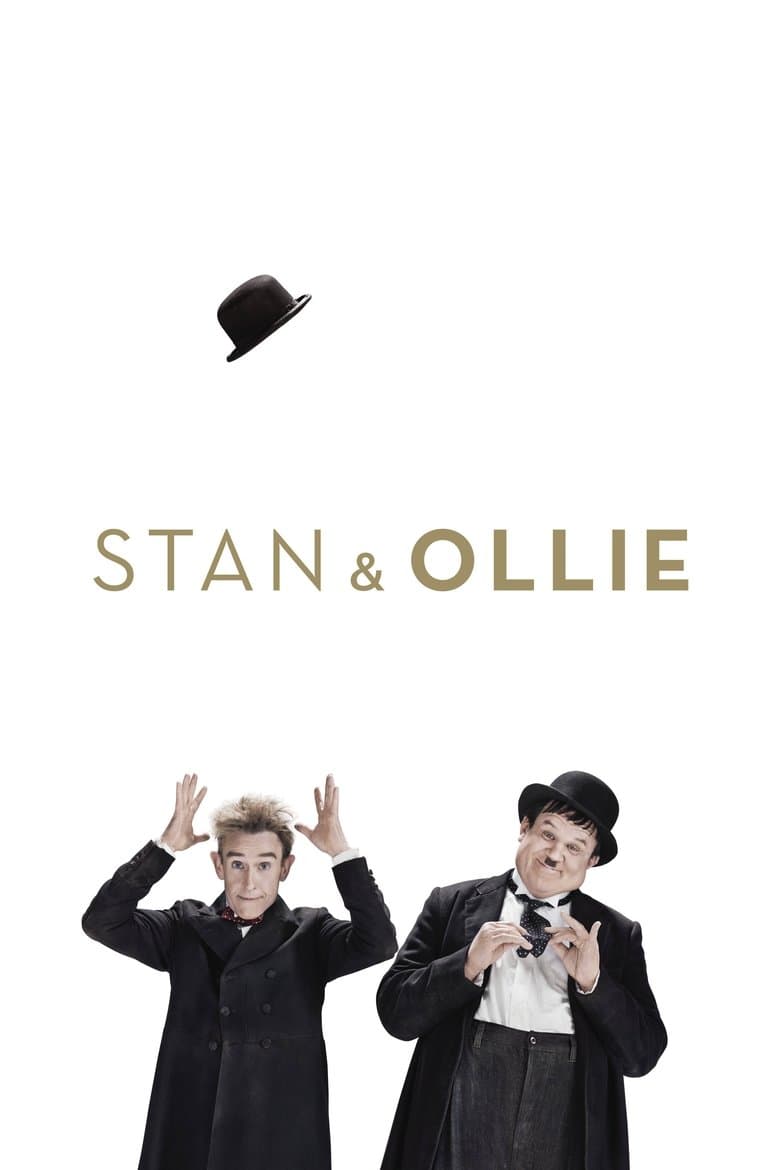
Movie · 2018
With their golden era long behind them, comedy duo Stan Laurel and Oliver Hardy embark on a variety hall tour of Britain and Ireland.
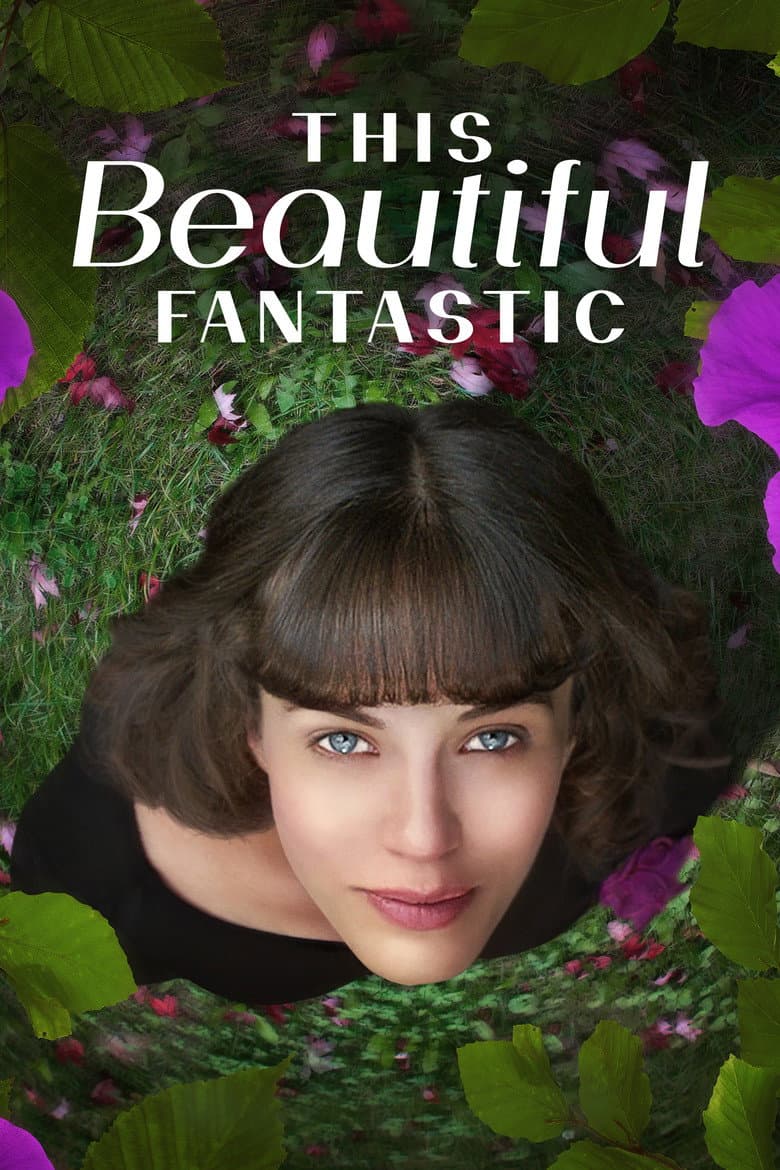
Movie · 2016
Set against the backdrop of a beautiful garden in the heart of London, this contemporary fairy tale revolves around the unlikely friendship between a reclusive young woman and a…
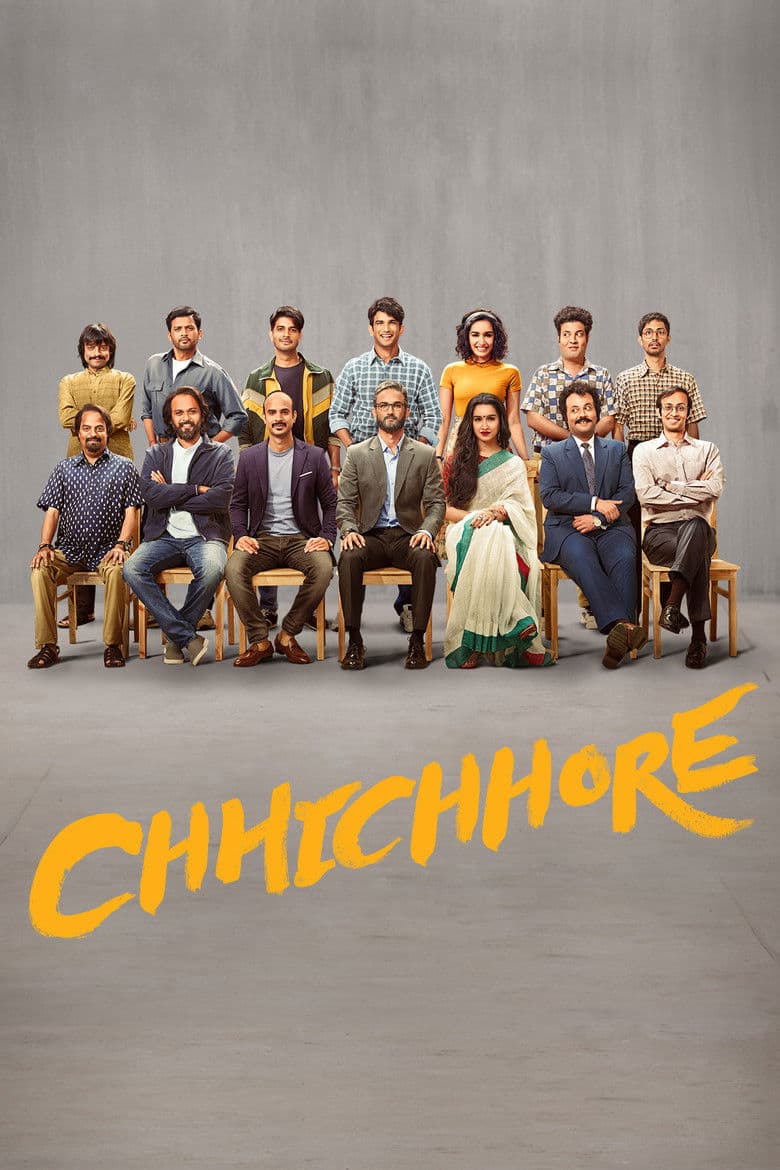
Movie · 2019
Following a group of friends from university as they progress into middle-age life and go their own separate ways.
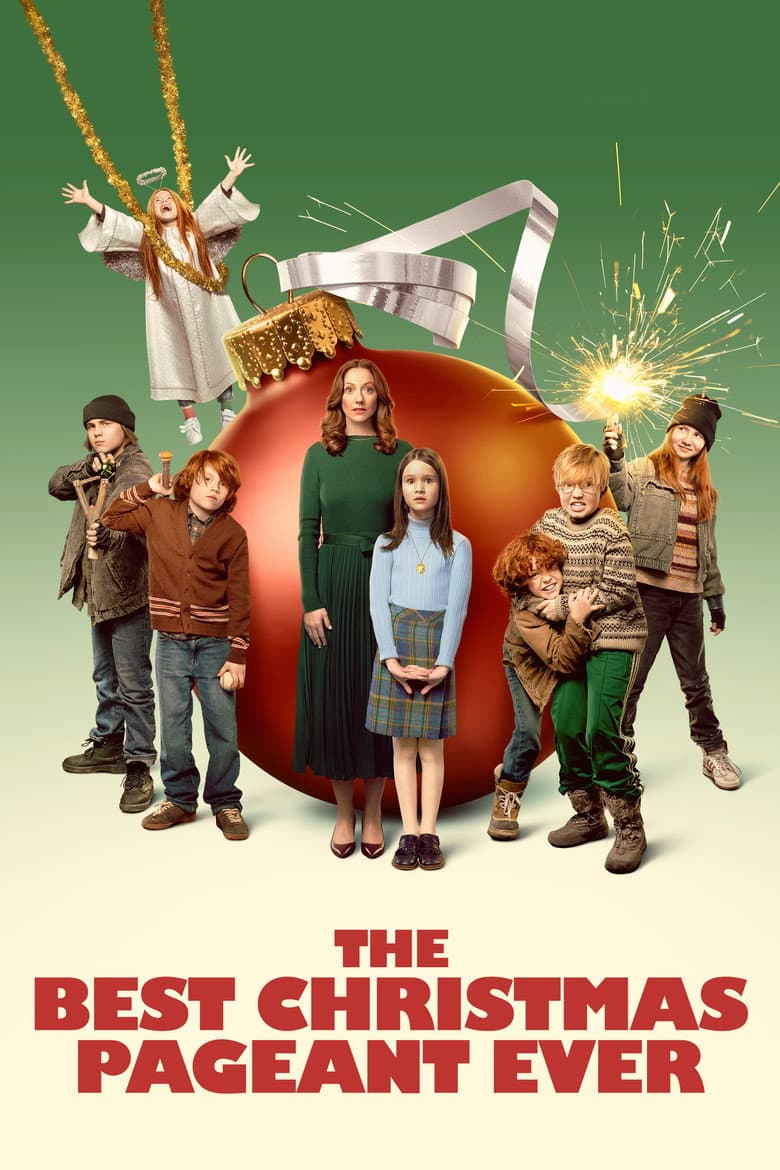
Movie · 2024
The Herdman kids are undeniably the worst kids in the history of the world. They lie, steal, cheat, bully and overall terrorize their small community.

Movie · 2017
The film follows a man with an unwanted gift for healing who meets a teenager with cancer who helps him to find himself.
