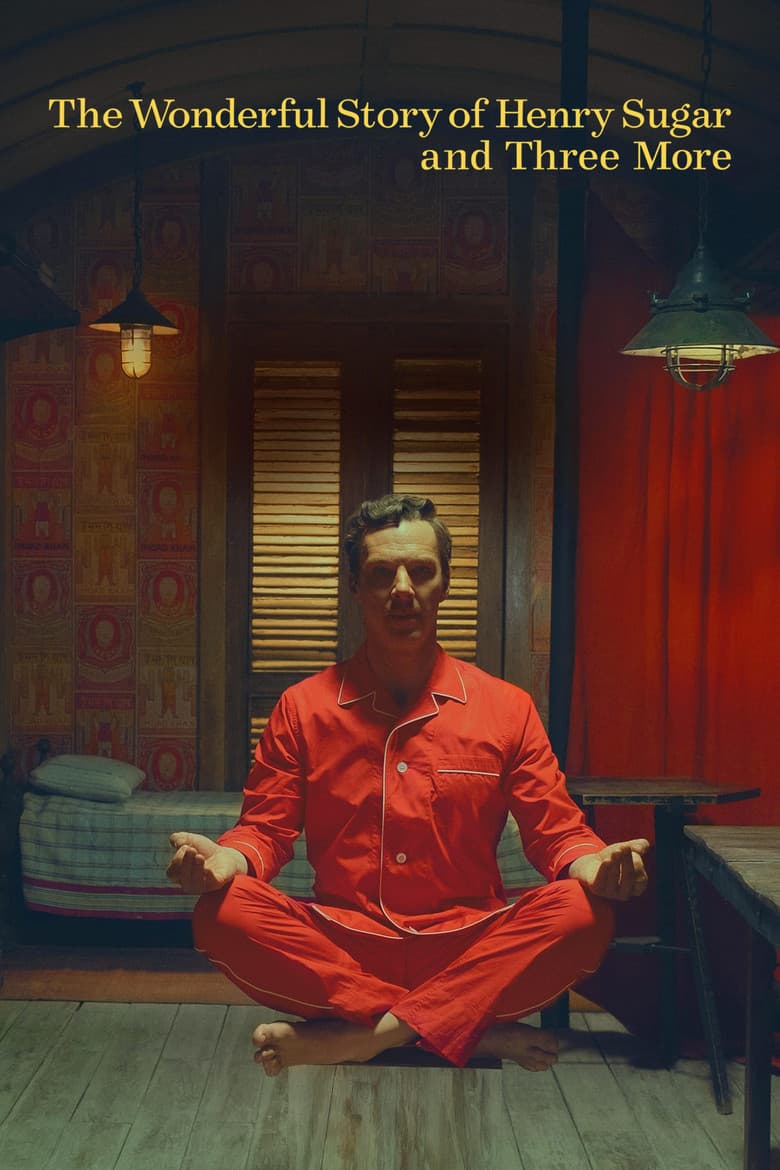
Movie review
The movie is a collection of four short stories by Roald Dahl filmed in a very careful, stage-like style by Wes Anderson. The main story follows Henry Sugar, a rich Englishman who does not work and likes to gamble. He finds an old book about a man in India who learned to see without using his eyes through special practice. Henry masters the trick to cheat at cards and win large sums, but he later uses his skill and money to help build hospitals and orphanages instead.
The other stories follow a boy badly bullied by older kids with a gun, a creepy rat catcher who kills rats in strange and gross ways, and two men plus an Indian doctor dealing with a man who believes a poisonous snake is on his stomach in bed. The tone is odd, deadpan, and theatrical, with actors speaking straight to the camera and sets changing in plain view.
These stories show a rich man who learns a trick and then helps others with his money. Another follows a boy who faces mean older kids and uses his mind to get through it. There is also a tale about a weird rat man and one about two men and a doctor dealing with a scary moment in India. The whole thing is told in a very made-up, play-like style with careful sets and people talking right at you. The main ideas are about people being greedy or cruel and sometimes finding a way through or doing better. The adaptations stay close to the old stories with no added modern lectures or focus on identity as the point.
Community feedback
Was our 13% Woke rating accurate?
Breakdown
These are the editorial factors and ratings behind our score for The Wonderful Story of Henry Sugar and Three More.
Woke representation / casting
The film uses a small ensemble cast playing many roles across the stories in a theatrical style. Actors of South Asian background play Indian characters from the source material where it fits the settings. In one colonial-era story, a British friend role is played by an actor whose background differs from the original description. This is not highlighted in marketing or presented as a statement about representation.
5%
Woke political dialogue
The films use Roald Dahl's original words and narration spoken directly by the characters. There are no added speeches about politics, identity, or social causes.
0%
Identity-driven story themes
The stories focus on a gambler's change from greed to giving, a bullied boy's survival through imagination, a grotesque exterminator, and fear mixed with personal prejudice. These are classic dark Dahl tales about human flaws and strange events, not built around identity politics or group representation.
0%
Western institutional / cultural critique
Some stories are set in colonial India or involve British characters and show unflattering behavior such as racism under stress or taking a spiritual practice from another culture. The adaptations follow the original stories from decades ago without adding modern activist framing about systemic issues or current identity debates. The overall tone stays whimsical and deadpan.
20%
Woke character or canon changes
Not relevant. The film keeps most of Dahl's original text and narration. Wes Anderson has publicly opposed changing the author's work for modern reasons.
0%
Anti-woke backlash and complaints
There are no notable public complaints or social media backlash accusing the title of pushing woke, DEI, or left-wing messaging. Reception centered on style and storytelling.
0%
Creator track record context
Wes Anderson focuses on stylized visual storytelling and odd characters with no activist pattern. Roald Dahl wrote cynical tales and had some past controversial statements unrelated to left-wing or identity causes. The other directors and producers have low profiles in political or social-justice activity.
10%
Production
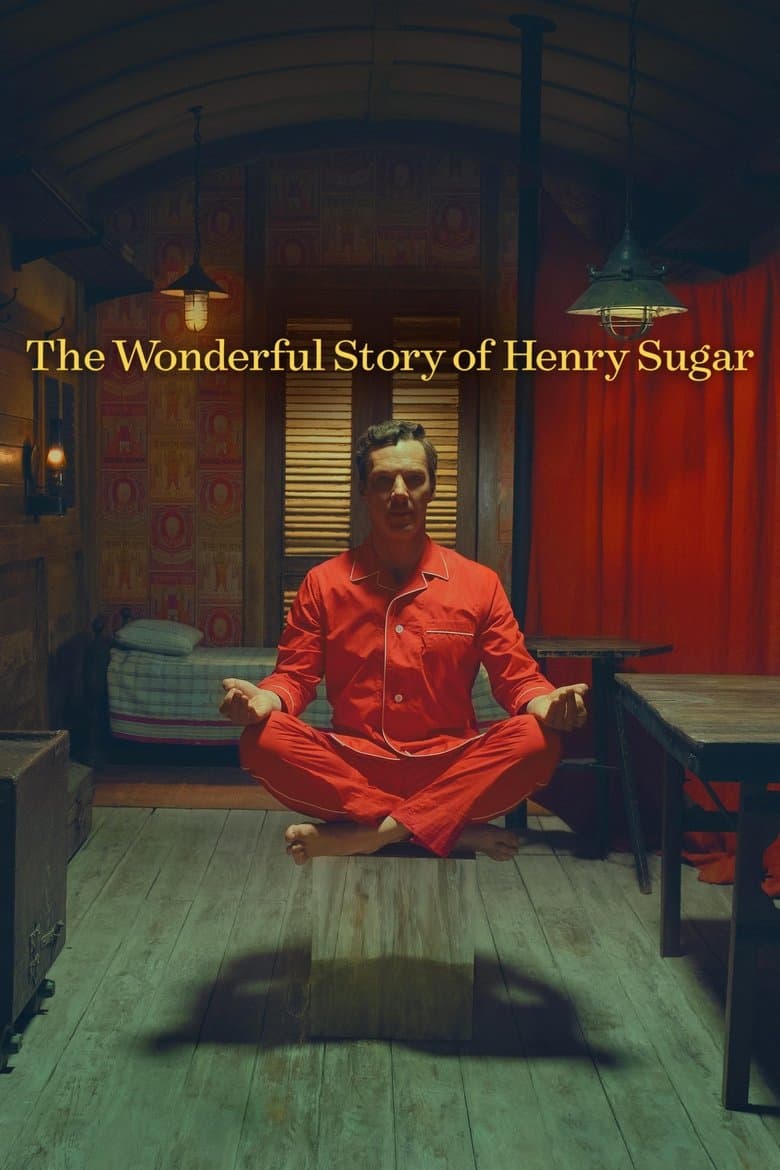
Movie · 2023
A rich man learns about a guru who can see without using his eyes. He sets out to master the skill in order to cheat at gambling.
Movie · 2021
A social butterfly who dies during her birthday week is given a second chance to right her wrongs on Earth.
Movie · 2024
After discovering she can see everyone's imaginary friends, a girl embarks on a magical adventure to reconnect forgotten imaginary friends with their kids.

Movie · 2017
A continuation of the documentary spoof of what Thor and his roommate Darryl were up to during the events of "Captain America: Civil War".
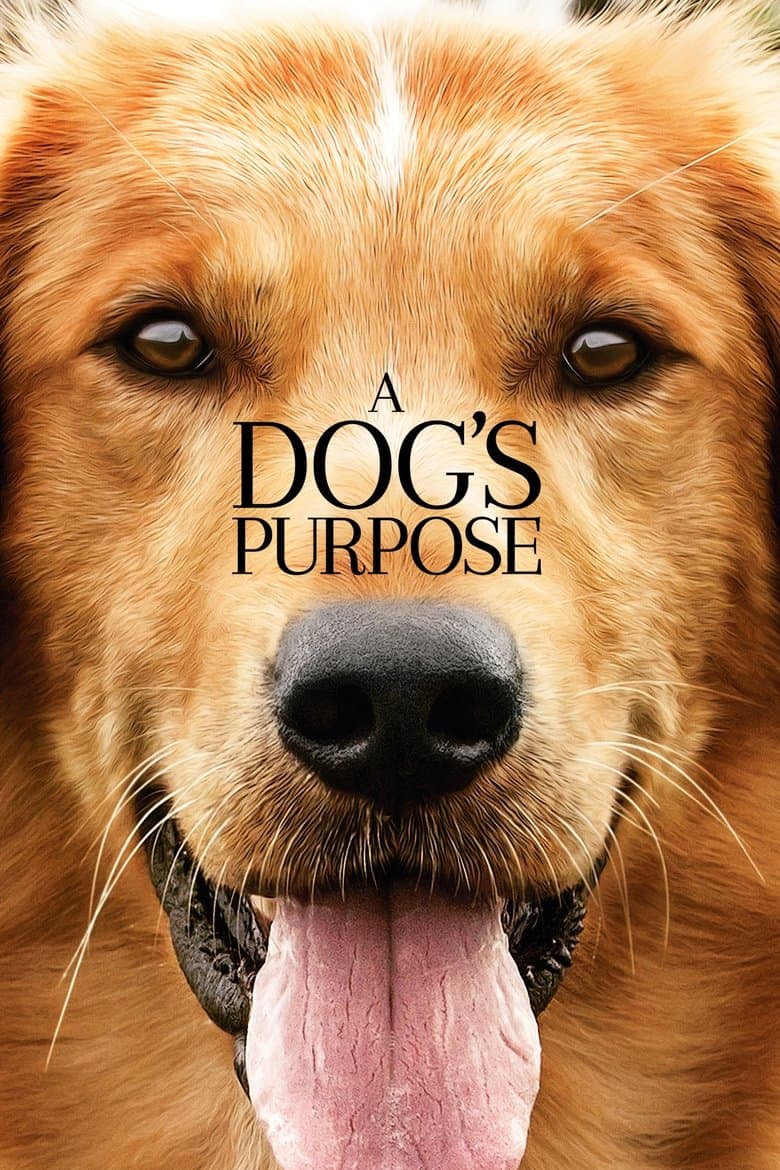
Movie · 2017
A dog goes on quest to discover his purpose in life over the course of several lifetimes with multiple owners.
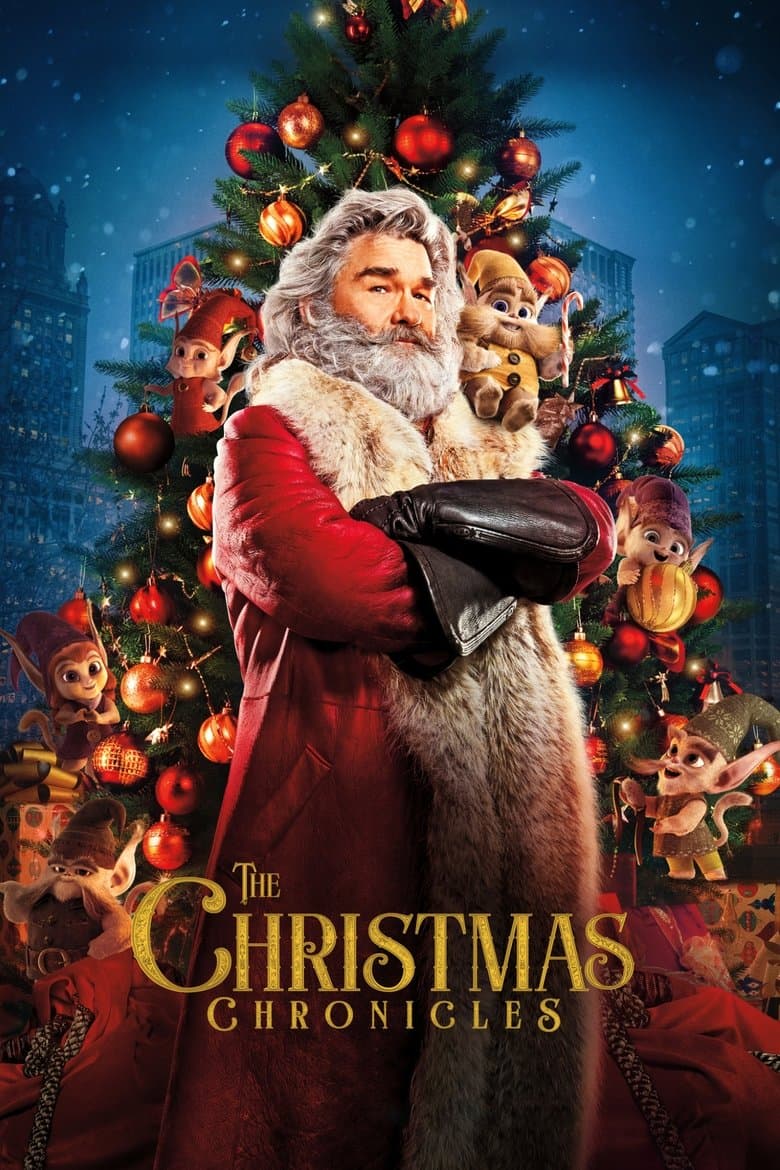
Movie · 2018
Siblings Kate and Teddy try to prove Santa Claus is real, but when they accidentally cause his sleigh to crash, they have to save Christmas.
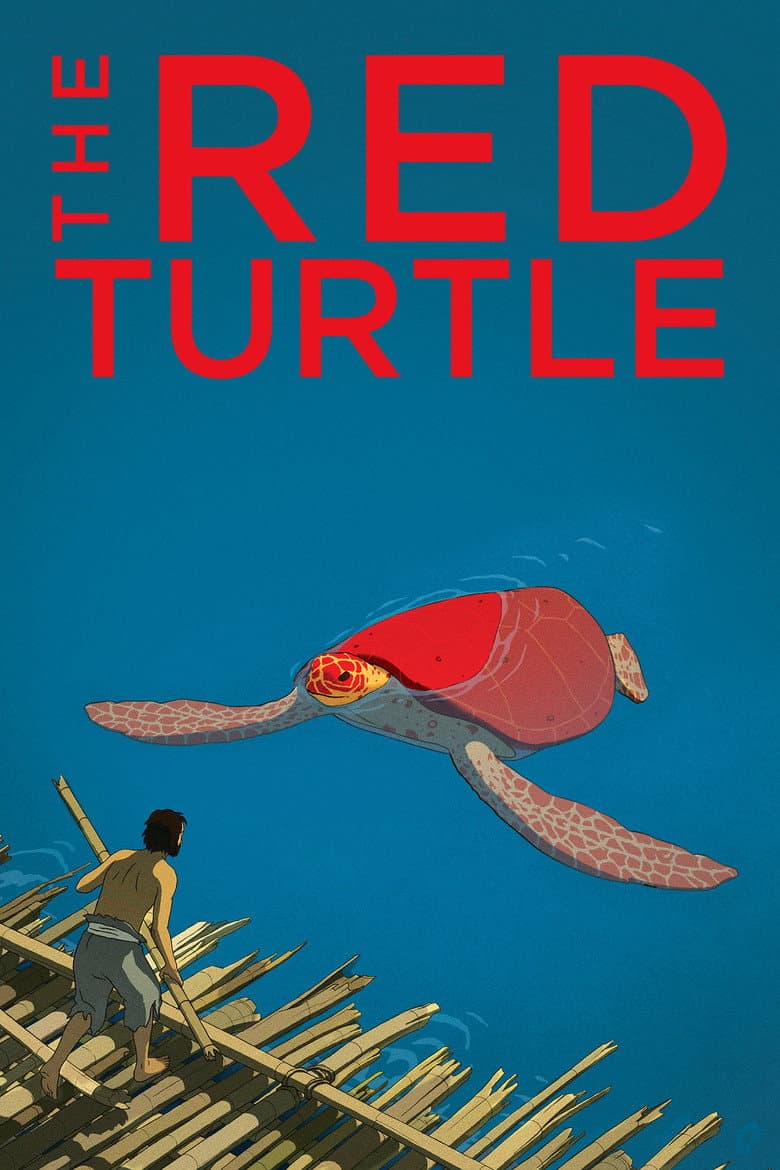
Movie · 2016
The dialogue-less film follows the major life stages of a castaway on a deserted tropical island populated by turtles, crabs and birds.
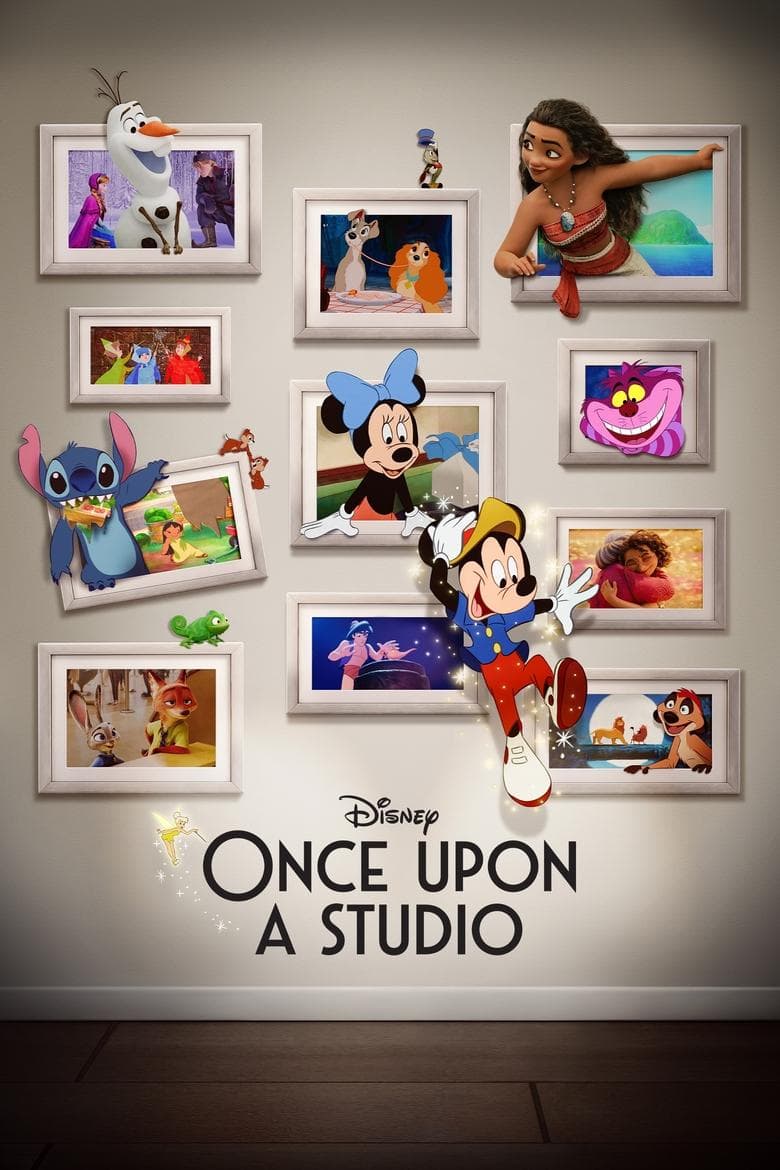
Movie · 2023
Created for Disney's 100th anniversary, the short features Mickey Mouse corralling a gallery of legendary Disney characters for a group photo.
