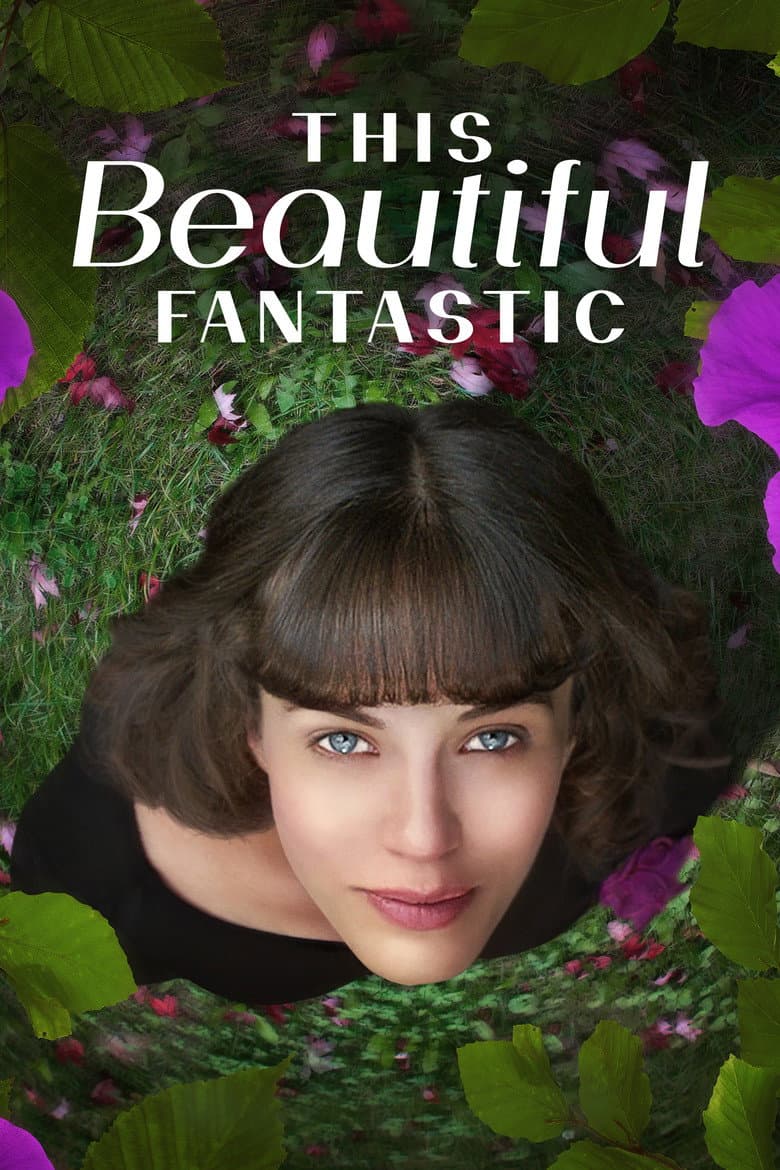
Bella Brown is a shy young woman who lives alone in London and dreams of writing and drawing a children's book. Her strict routines and fear of plants leave the garden outside her rented home in a wild mess. When her landlord gives her one month to fix it or face eviction, Bella asks her harsh next-door neighbor Alfie for help. Alfie is a lonely old widower and a gifted gardener who becomes her teacher and friend. The film tells this problem as a gentle fairy tale with romance, jokes, and small touches of magic.
One short backstory says Alfie's late wife Rose was a talented gardener who used a man's name because women in her field could not get books published. That moment gives the film a mild gender-equality message, but it is not Bella's main conflict. Bella fights fear, grows as a writer, and learns to let people into her life. Vernon, Alfie's cook, and Billy, a young inventor, help form the small circle that carries her toward love, trust, and a new future. The garden remains the main symbol for change, grief, creative work, and friendship.
Community feedback
Was our 9% Woke rating accurate?
Breakdown
These are the editorial factors and ratings behind our score for This Beautiful Fantastic.
Woke representation / casting
Not present. The prominent roles fit a contemporary British and Irish setting. The film does not frame casting as a diversity goal.
0%
Woke political dialogue
Alfie says his late wife Rose had to publish under a man's name because a female gardener could not get a book published. The line points to old gender bias in publishing. The point appears in one personal talk and does not become a wider political speech.
8%
Identity-driven story themes
Rose's hidden authorship gives the film one brief gender-equality idea. The film presents her as a skilled gardener whose work was judged by a man's name. Bella's main arc follows fear, friendship, gardening, and creative work rather than group identity.
10%
Western institutional / cultural critique
Not present. The film briefly mentions old publishing bias in Rose's backstory, but it does not turn that point into a modern attack on Western institutions. The landlord's rent threat and Alfie's treatment of Vernon stay personal.
0%
Woke character or canon changes
Not relevant. The film is an original story about Bella, Alfie, Vernon, and Billy. It does not change an established character, book, or real historical figure.
0%
Anti-woke backlash and complaints
Not present. The supplied X research found no anti-woke reaction. Wider reviews and audience posts discuss charm, whimsy, pacing, and mental-health portrayal, not woke or DEI messaging.
0%
Creator track record context
Casting director Dixie Chassay has spoken about inclusive casting and diversity. Producer Monika Bacardi supports gender equality and women's representation in film. Cached context gives Simon Aboud, the listed directors, and most other producers little activist history, and the film does not link those views to its story.
12%
Production
Movie · 2016
Pop superstar Jordan Jaye has a big dream he just wants to live like a regular teenager. When he's chased down by some excited female fans, he finds a perfect hideout and a…
Movie · 2019
Following a group of friends from university as they progress into middle-age life and go their own separate ways.
Movie · 2026
After Matt's dreams of a picturesque Italian wedding are shattered when his fiancée leaves him at the altar, he embarks on his planned honeymoon across Italy alone, immersing…
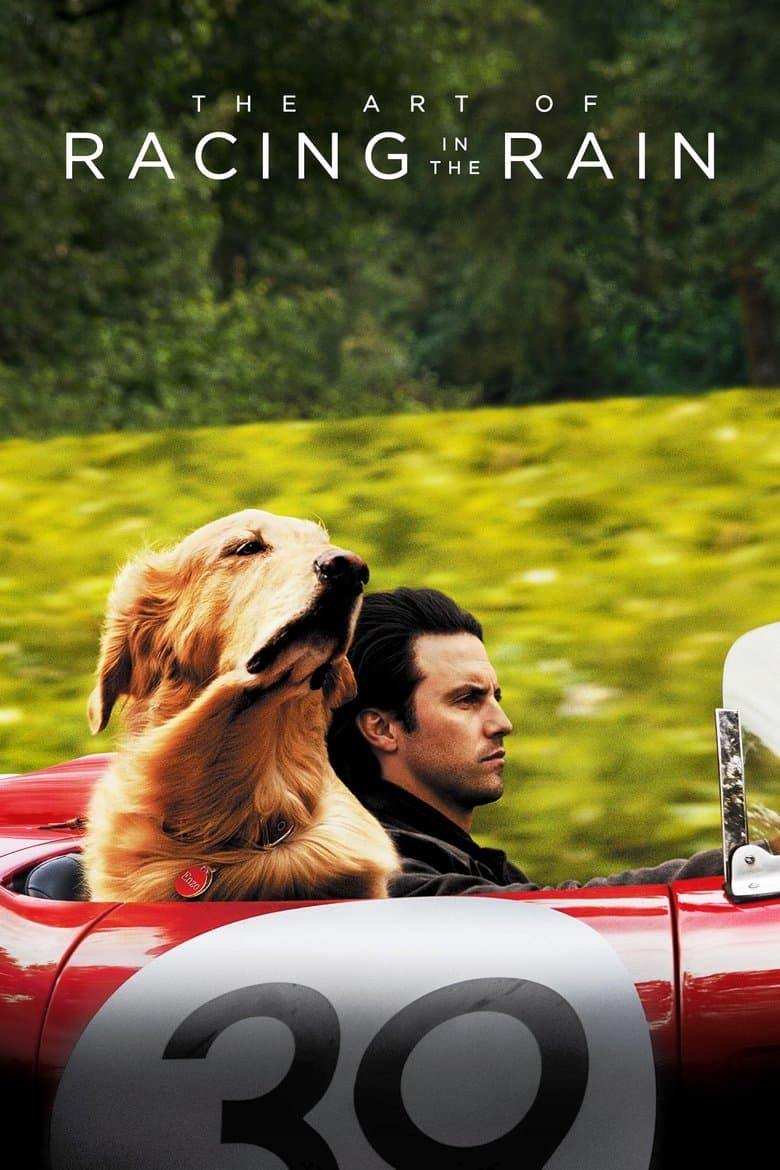
Movie · 2019
A family dog – with a near-human soul and a philosopher's mind – evaluates his life through the lessons learned by his human owner, a race-car driver.
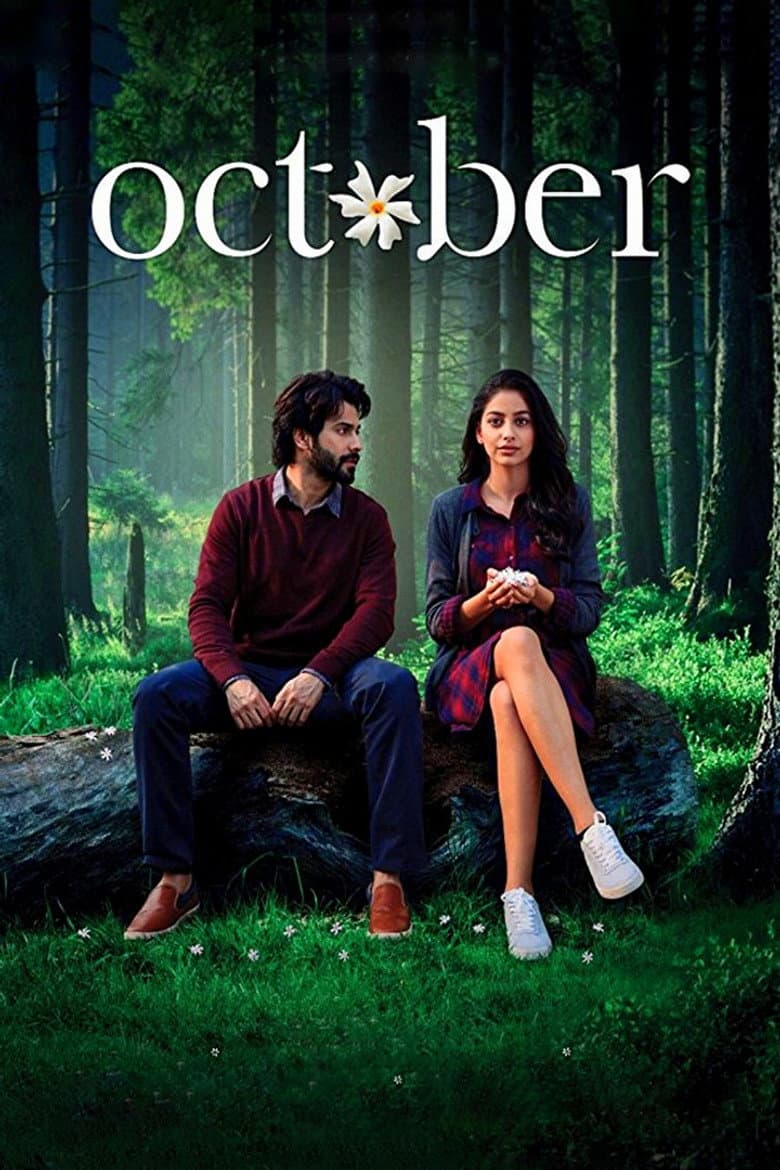
Movie · 2018
Dan, a 21-year-old carefree boy is always surrounded by a bunch of friends and fellow hotel interns who feed off each other's everyday moments, their ups and downs.
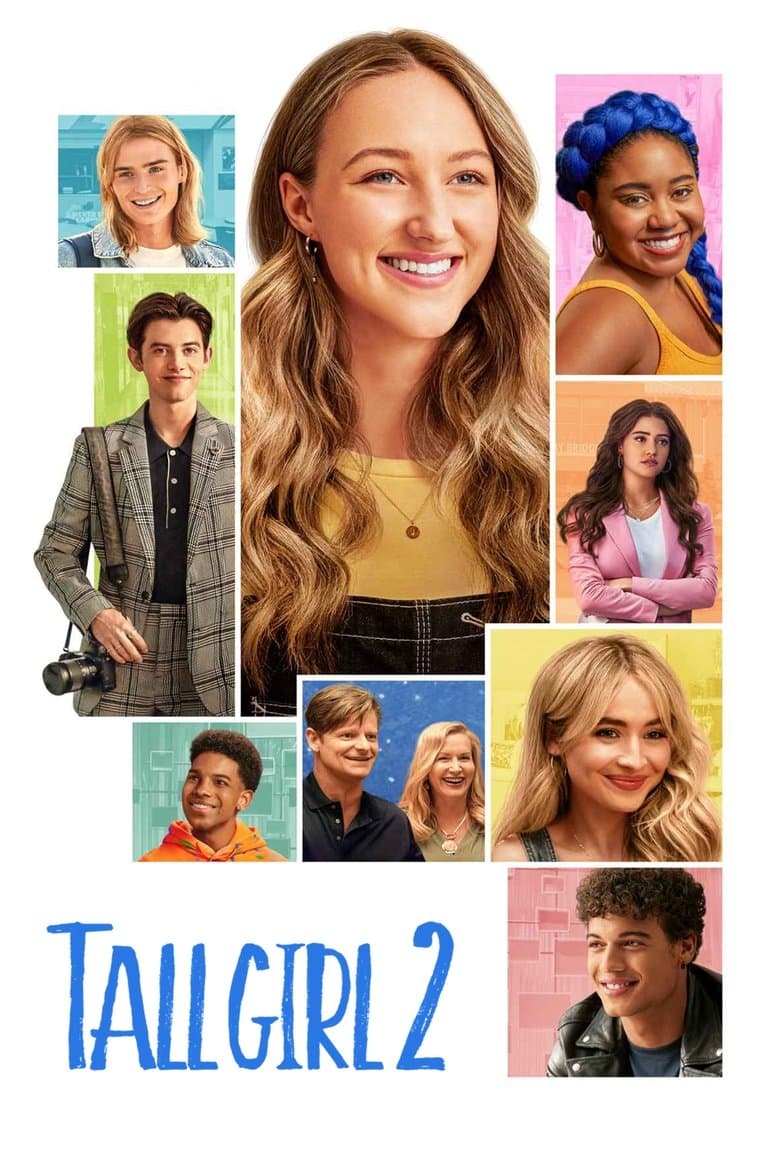
Movie · 2022
After Jodi Kreyman gains popularity, her miscommunications start causing rifts with those around her and now she really needs to "stand tall".
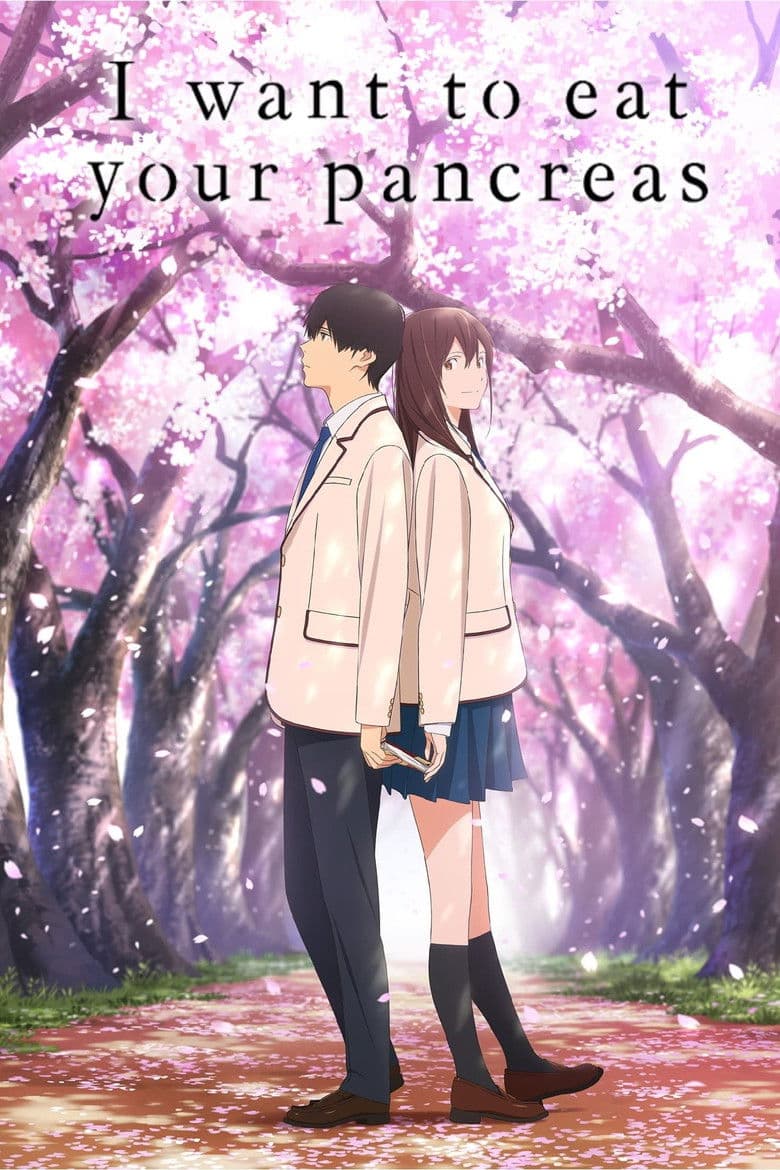
Movie · 2018
After his classmate and crush is diagnosed with a pancreatic disease, an average high schooler sets out to make the most of her final days.
Movie · 2016
High schoolers Mitsuha and Taki are complete strangers living separate lives. But one night, they suddenly switch places. Mitsuha wakes up in Taki’s body, and he in hers.
