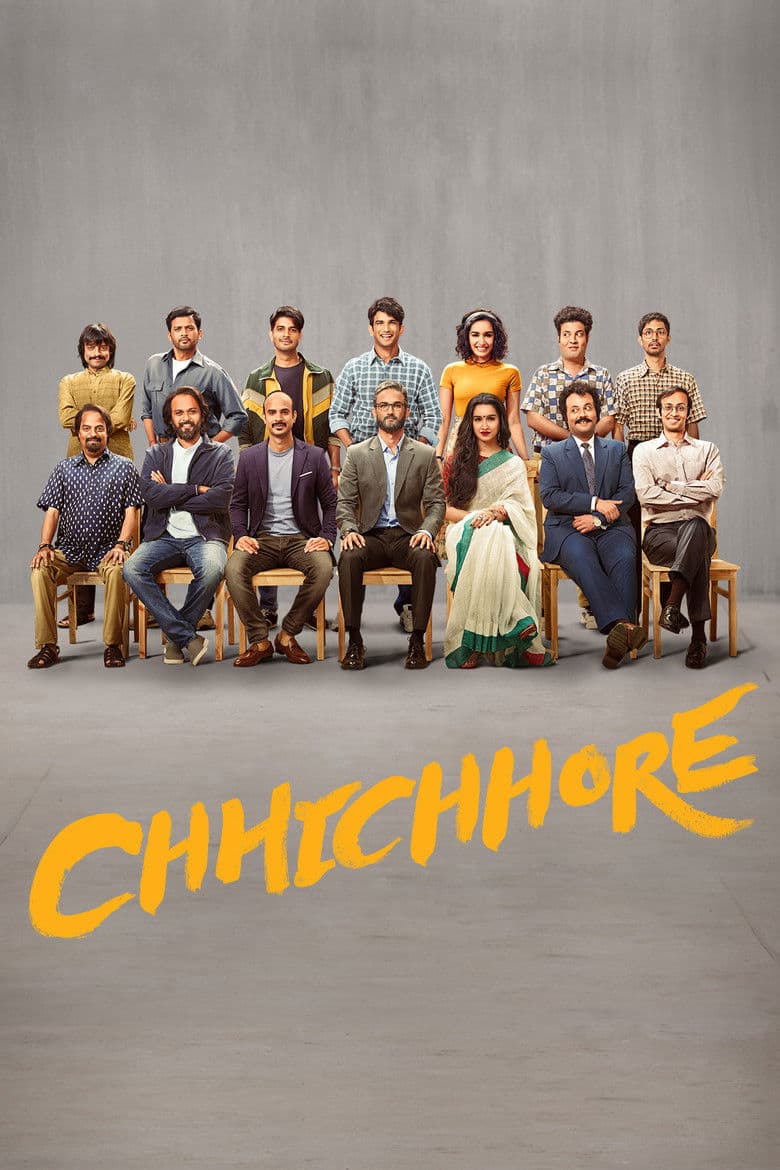
Chhichhore follows Anirudh “Anni” Pathak, a middle-aged father whose teenage son Raghav tries to end his life after failing an engineering entrance exam. Anni and his divorced wife Maya gather their old college friends beside the hospital bed. They retell their years at a male-heavy engineering hostel where their group was mocked as losers and challenged a rival hostel in sports. The film moves between the 1990s campus and the present, mixing broad jokes, romance, friendship, grief, and family drama. The film’s main message is that exam results, social labels, and one defeat do not decide a person’s worth. It asks parents and students to face pressure, talk about deep sadness, and keep going after failure. Maya is the main woman in the group, while the story gives most of its time to the men’s friendship, romance, and sports rivalry. The strongest ideas concern exam pressure, mental health, family care, and the value of friendship.
Community feedback
Was our 8% Woke rating accurate?
Breakdown
These are the editorial factors and ratings behind our score for Chhichhore.
Woke representation / casting
Not present. The main group matches the male-heavy setting of an Indian engineering hostel. The film does not use identity-first casting or diversity messaging.
0%
Woke political dialogue
Not present. The dialogue focuses on exams, failure, friendship, family pressure, sex jokes, and mental health. It does not push modern identity, DEI, or activist ideas.
0%
Identity-driven story themes
Not present. The main message is that exam results and the word “loser” do not decide a person’s worth. The story centers on friendship, family care, mental health, and trying again.
0%
Western institutional / cultural critique
Not present. The film questions exam pressure and the habit of judging people by success. It does not attack Western institutions, religion, family norms, or capitalism through modern activist framing.
0%
Woke character or canon changes
Not relevant. The film is an original story inspired by college life. It does not change established characters, canon, or real historical figures.
0%
Anti-woke backlash and complaints
Not present. Public discussion focused on the film’s message about exams, suicide, and friendship. No sustained complaints said that the film pushed woke, DEI, or identity-politics content.
0%
Creator track record context
Nitesh Tiwari has made some socially aware stories, especially about gender barriers and social pressure. Nikhil Mehrotra has a repeated record of writing women in sports and other male spaces. Mukesh Chhabra has a strong access and newcomer focus. Other writers and producers show little public activist pattern, so the context is mixed.
38%
Production

Movie · 2016
Pop superstar Jordan Jaye has a big dream he just wants to live like a regular teenager. When he's chased down by some excited female fans, he finds a perfect hideout and a…

Movie · 2016
Set against the backdrop of a beautiful garden in the heart of London, this contemporary fairy tale revolves around the unlikely friendship between a reclusive young woman and a…
Movie · 2018
After his classmate and crush is diagnosed with a pancreatic disease, an average high schooler sets out to make the most of her final days.
Movie · 2026
After Matt's dreams of a picturesque Italian wedding are shattered when his fiancée leaves him at the altar, he embarks on his planned honeymoon across Italy alone, immersing…

Movie · 2019
A family dog – with a near-human soul and a philosopher's mind – evaluates his life through the lessons learned by his human owner, a race-car driver.

Movie · 2022
After Jodi Kreyman gains popularity, her miscommunications start causing rifts with those around her and now she really needs to "stand tall".
Movie · 2018
Dan, a 21-year-old carefree boy is always surrounded by a bunch of friends and fellow hotel interns who feed off each other's everyday moments, their ups and downs.
Movie · 2016
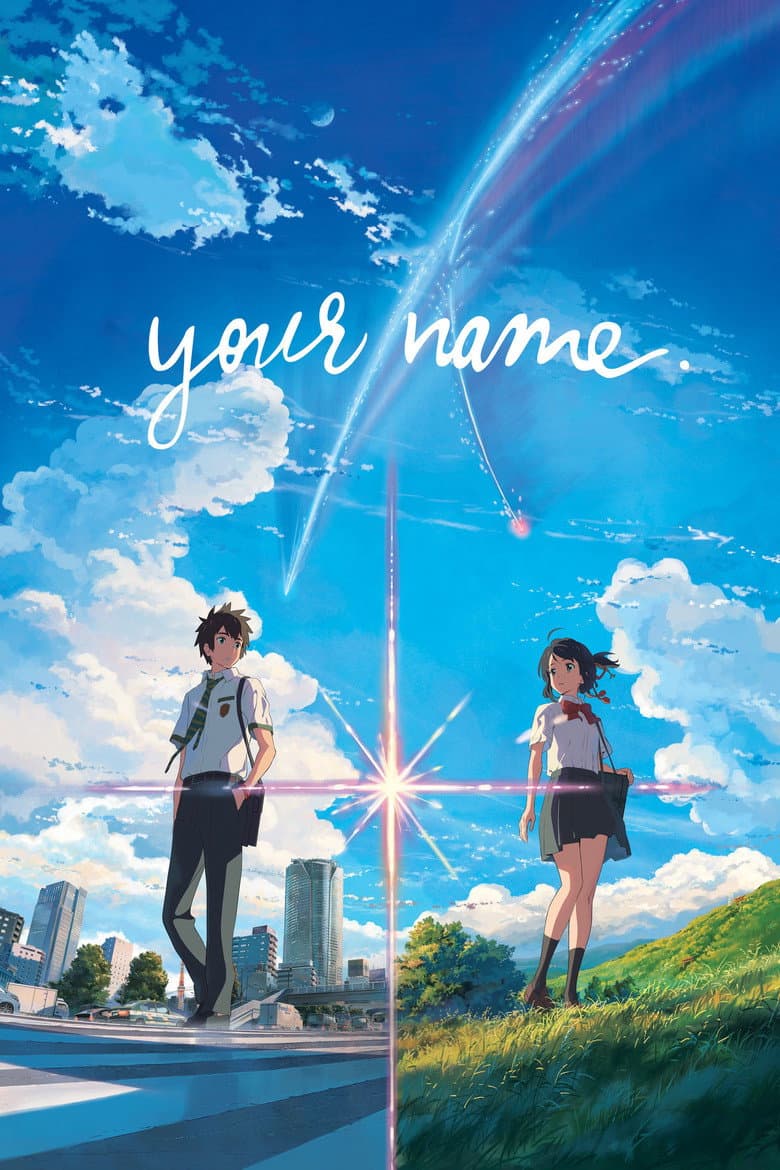
High schoolers Mitsuha and Taki are complete strangers living separate lives. But one night, they suddenly switch places. Mitsuha wakes up in Taki’s body, and he in hers.
