
Memo lives with his young daughter Ova and his mother in a small Turkish town in 1983. Memo has an intellectual disability, but he loves Ova and tries to care for her as best he can. After a military commander’s young daughter dies, officials blame Memo and send him to prison for murder. The film moves from warm family scenes to harsh prison danger, then builds toward a sad and hopeful fight for justice.
Memo’s disability shapes the way officials, soldiers, prisoners, and neighbors judge him. The story shows the harm that follows when a person is treated as guilty or helpless because of a disability. Ova’s bond with her father drives the prison plot, while the inmates slowly become his protectors and friends. The film supports family love, mercy, fair treatment, and resistance to a cruel death sentence through a personal and emotional story.
Community feedback
Was our 27% Woke rating accurate?
Breakdown
These are the editorial factors and ratings behind our score for Miracle in Cell No. 7.
Woke representation / casting
Memo is a man with an intellectual disability, and a well-known actor plays him. The film uses this one central disability role, but it does not build a wider diversity pattern across the cast. The Turkish cast fits the film’s Turkish setting, and the marketing does not sell the casting as an identity campaign. The choice is visible, but it is not repeated across the main roles.
15%
Woke political dialogue
Not present. The film includes talk about innocence, justice, prison, and the death penalty. The dialogue does not push modern identity, gender, DEI, or activist ideas.
0%
Identity-driven story themes
Memo’s intellectual disability drives the main conflict from the opening through the ending. Officials and prisoners judge him through that disability, and the story asks viewers to see his fatherhood and innocence clearly. The film repeatedly links disability with unfair treatment, family separation, and the need for mercy. Its message stays inside a personal family drama and does not turn into a current identity campaign.
42%
Western institutional / cultural critique
Not present. The film shows a military commander and prison system abusing power during 1983 martial law. The story treats this as a period setting and a wrongful conviction, not as a modern attack on capitalism, patriarchy, Christianity, or Western culture.
0%
Woke character or canon changes
Not relevant. The Turkish remake changes the setting, period, story details, and ending of the Korean film. It keeps the central father, daughter, and disability premise without a race, gender, sexuality, or hero-role swap.
0%
Anti-woke backlash and complaints
Not present. The X research pass found no anti-woke complaints or organized push. Wider audience posts mostly praised the acting and emotional story, while negative posts called it unrealistic, overly emotional, or annoying. Those complaints do not say the film pushes woke, DEI, or identity politics.
0%
Creator track record context
Director Mehmet Ada Öztekin and most listed producers and writers have conventional drama records with no clear activist pattern. Writer Yu Young-ah has a stronger gender-focused record through Kim Jiyoung, Born 1982. That earlier work is not the subject of this film and does not control its family and prison story. The creator context therefore adds only a small signal.
12%
Production
Movie · 2022
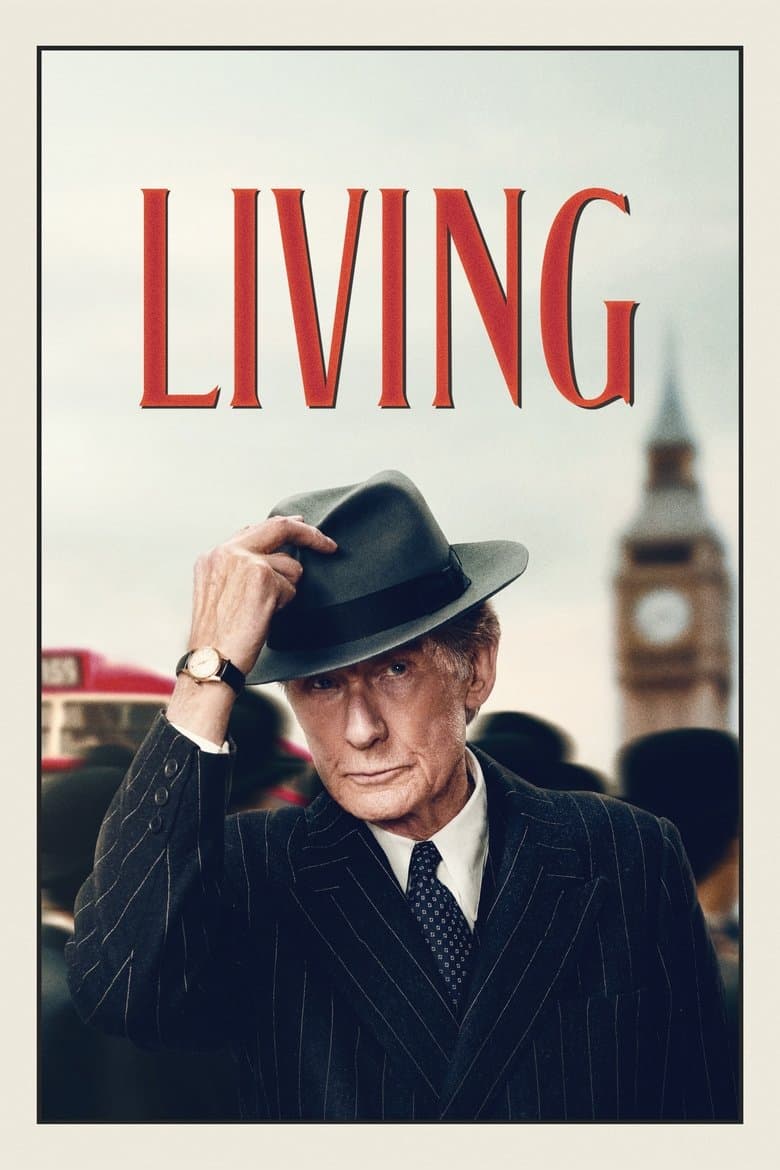
London, 1953. Mr. Williams, a veteran civil servant, is an important cog within the city's bureaucracy as it struggles to rebuild in the aftermath of World War II.

Movie · 2017
Members of the Granite Mountain Hotshots battle deadly wildfires to save an Arizona town.
Movie · 2026
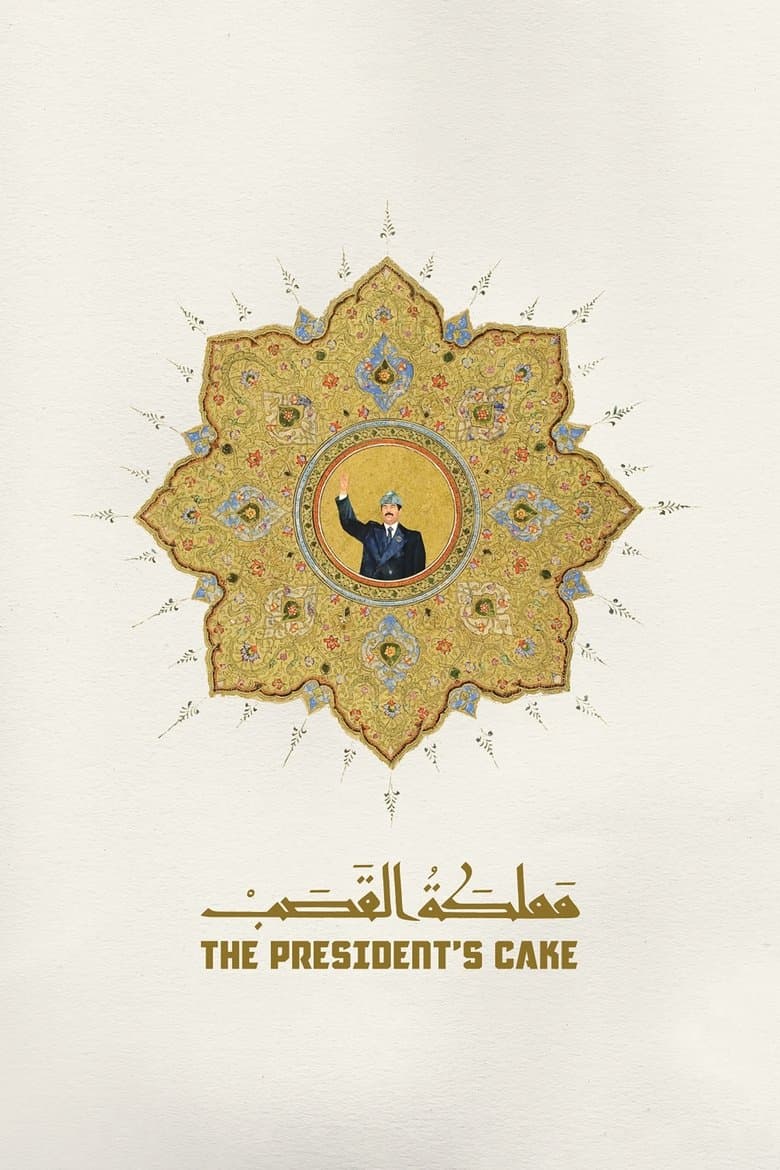
While people across 1990s Iraq struggle to survive the war and food shortages, Saddam Hussein requires each school in the country to prepare a cake to celebrate his birthday.
Movie · 2016
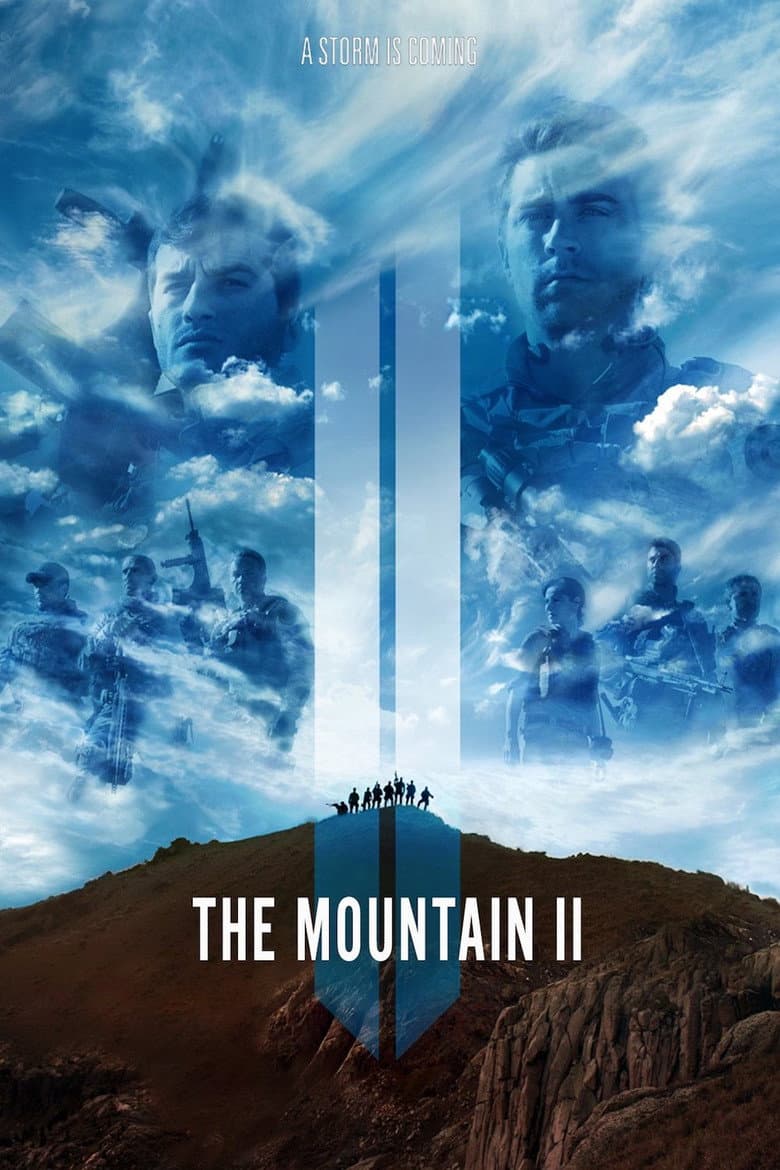
In a desolate war zone where screams of the innocent echo, on the very line between disaster and valor, 7 Maroon Berets will dance with death.
Movie · 2020
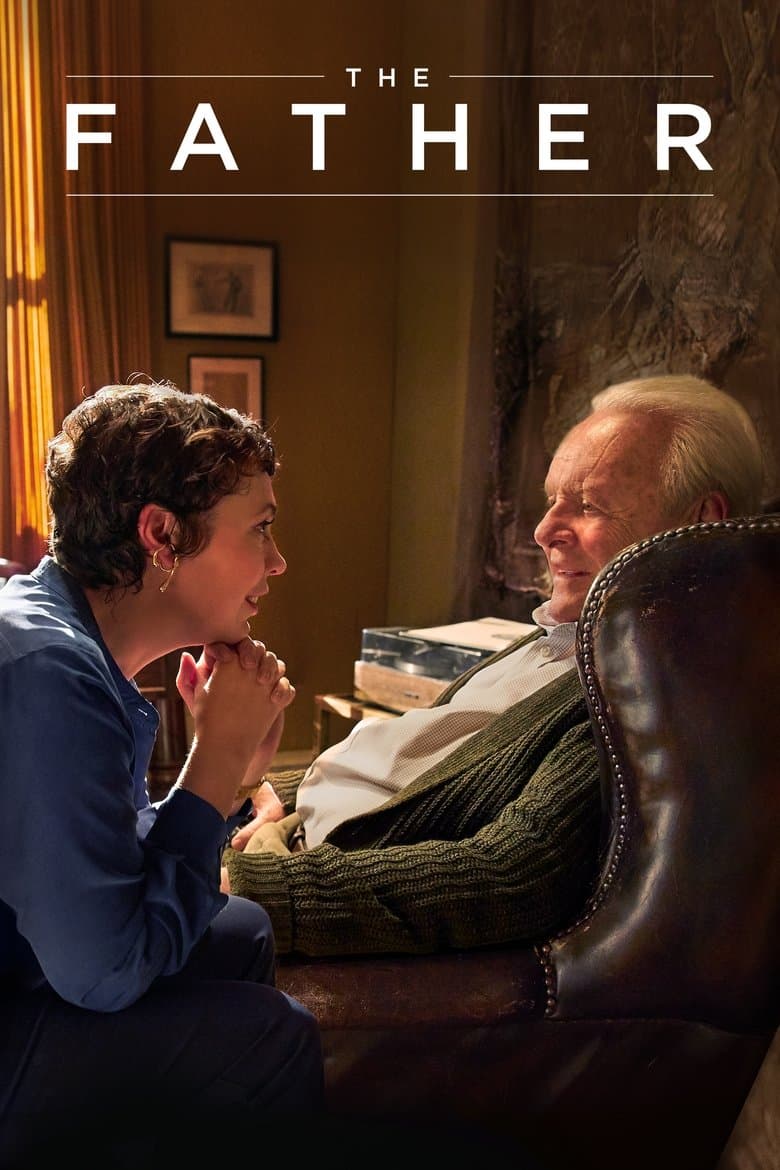
A man refuses all assistance from his daughter as he ages and, as he tries to make sense of his changing circumstances, he begins to doubt his loved ones, his own mind and even…

Movie · 2022
A quiet, neglected girl is sent away from her dysfunctional family to live with relatives for the summer. She blossoms in their care, but in this house where there are meant to be…
Movie · 2019
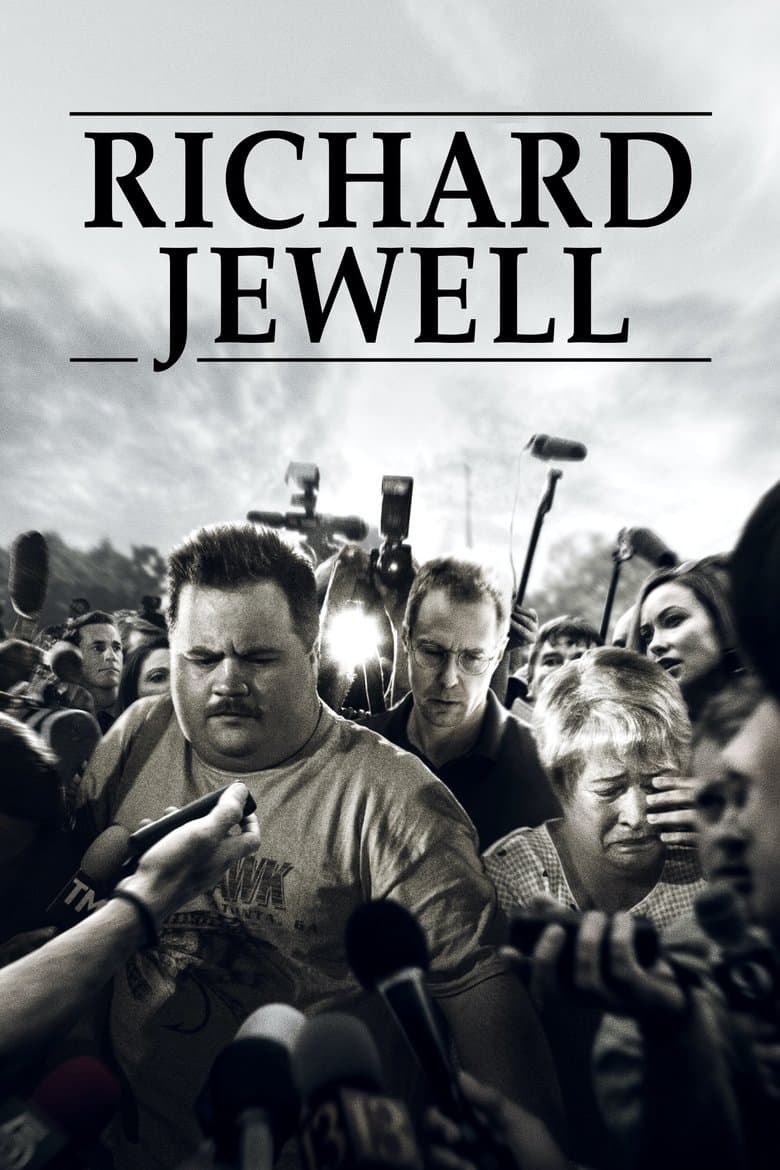
Richard Jewell thinks quick, works fast, and saves hundreds, perhaps thousands, of lives after a domestic terrorist plants several pipe bombs and they explode during a concert…

Movie · 2016
WWII American Army Medic Desmond T. Doss, who served during the Battle of Okinawa, refuses to kill people and becomes the first Conscientious Objector in American history to…
