
Jacob Yi moves his Korean American family from California to a farm in 1980s Arkansas so he can grow Korean vegetables and build a better life. His wife Monica doubts the plan, their young son has a heart problem, and money and marriage stress pile up. Grandma Soon-ja arrives from Korea and shakes up the kids’ world. The tone is warm, funny at times, and sad, focused on family and home.
The movie is mainly a family and immigrant story, not a modern activist lecture. Viewers clearly see Korean culture, language, and the struggle to fit in in a mostly white rural place. There are short, awkward racist moments at church (a kid asking about a “flat” face, made-up “Korean” sounds, women calling Monica “cute”). The father’s push to succeed and the cost to the family sit at the center. Faith and church life show up, including a white farm helper who carries a cross and speaks in tongues. Director Lee Isaac Chung said he wanted people and family, not Left/Right politics. Awards talk often treated the film as big Asian American representation, which is real industry framing, but the movie itself stays personal and gentle.
Community feedback
Was our 22% Woke rating accurate?
Breakdown
These are the editorial factors and ratings behind our score for Minari.
Woke representation / casting
A Korean immigrant family story needs Korean leads and kids. Casting matches the plot and setting, not race-swaps or forced “diversity” against the world of the film. White locals (Paul, church people, kids) fill neighbor roles. Authenticity casting more than quota casting.
0%
Woke political dialogue
Dialogue is mostly farm work, marriage fights, kids, and money. Short racist lines from church kids and women appear as awkward moments. No modern activist speeches or slogan-style lectures.
10%
Identity-driven story themes
Korean American life, language, culture clash, and belonging are the heart of the story. Viewers will notice immigrant identity and othering. Still told as family, work, and home more than as a present-day activist identity manifesto.
20%
Western institutional / cultural critique
Church and rural whites can be clumsy or othering, not pure evil. Father’s ambition is shown as both loving and costly, not a simple “toxic men” lesson. American dream pressure is personal strain, not a full attack on Western institutions.
10%
Woke character or canon changes
Not present in this title.
0%
Anti-woke backlash and complaints
Almost no serious right-leaning campaign calling the film woke or DEI propaganda. Loud debate was the Globes treating it as “foreign.” A few fringe “white guilt” or “woke hype” comments only.
10%
Creator track record context
Lead writer-director scores low and rejected Left/Right messaging for this film. Some producers and the casting director have stronger social/representation track records; overall context is mild-to-moderate, not an activist-led project.
30%
Production

Movie · 2020
A man refuses all assistance from his daughter as he ages and, as he tries to make sense of his changing circumstances, he begins to doubt his loved ones, his own mind and even…
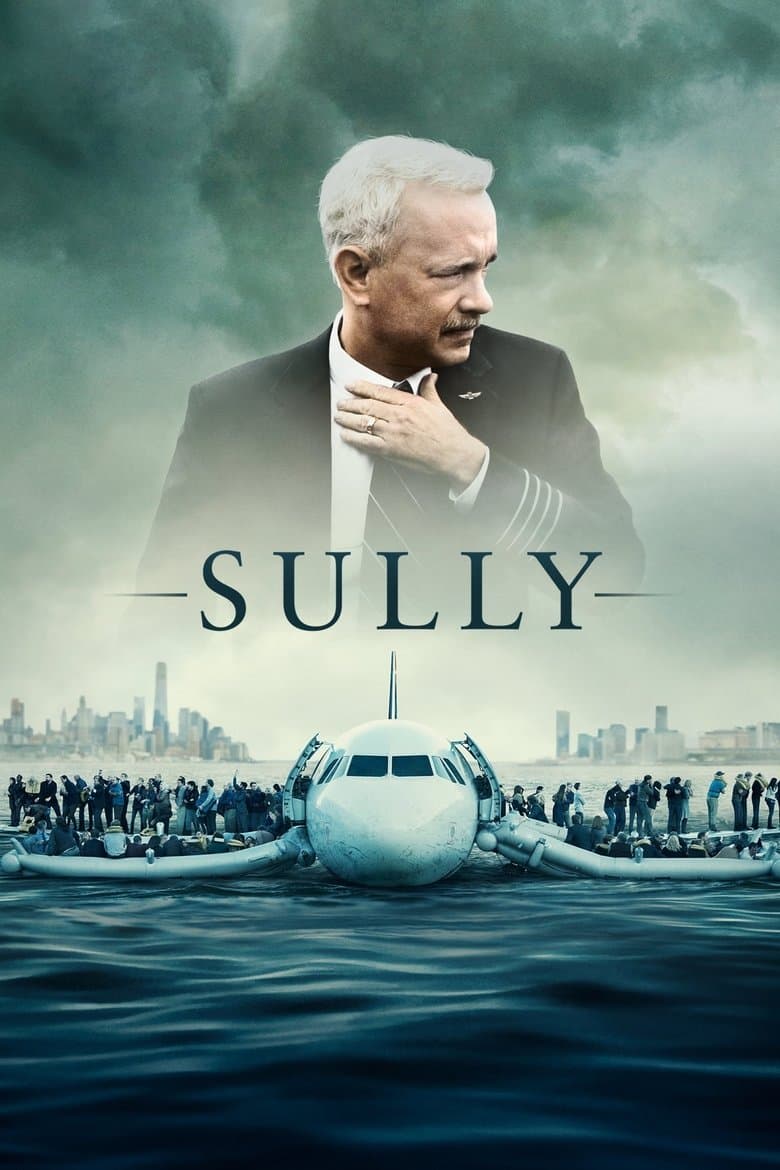
Movie · 2016
On 15 January 2009, the world witnessed the 'Miracle on the Hudson' when Captain 'Sully' Sullenberger glided his disabled plane onto the Hudson River, saving the lives of all 155…
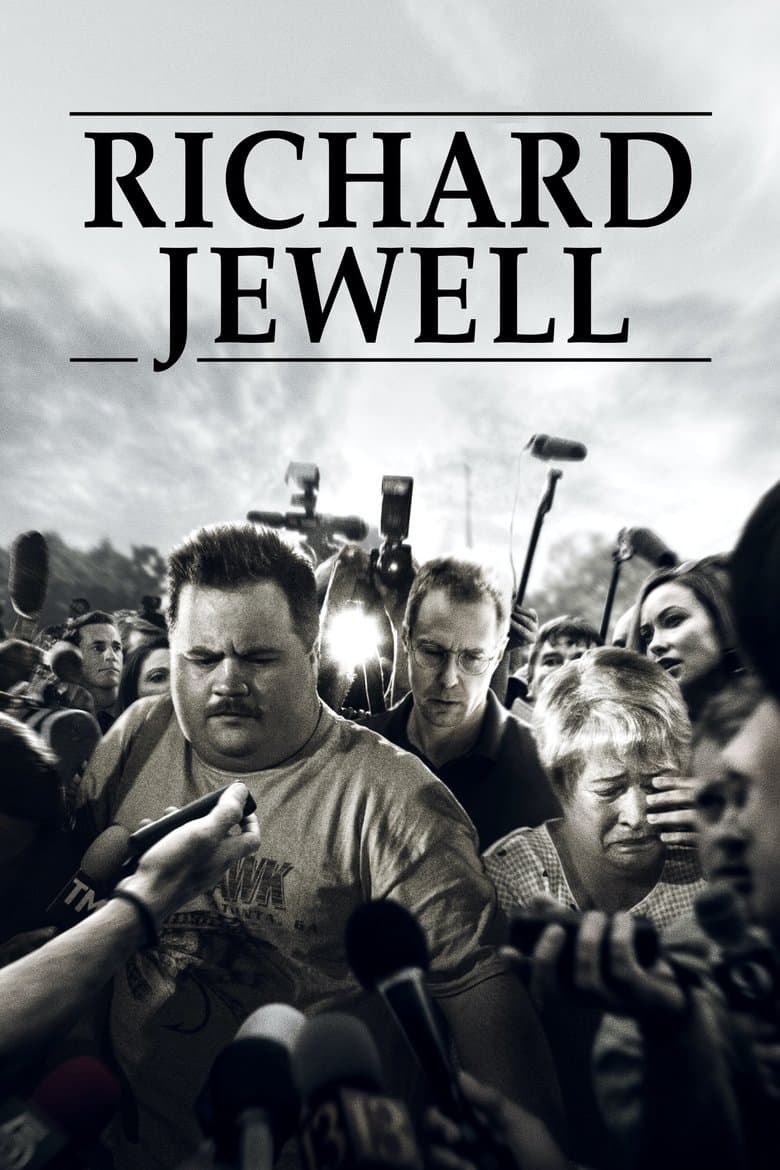
Movie · 2019
Richard Jewell thinks quick, works fast, and saves hundreds, perhaps thousands, of lives after a domestic terrorist plants several pipe bombs and they explode during a concert…
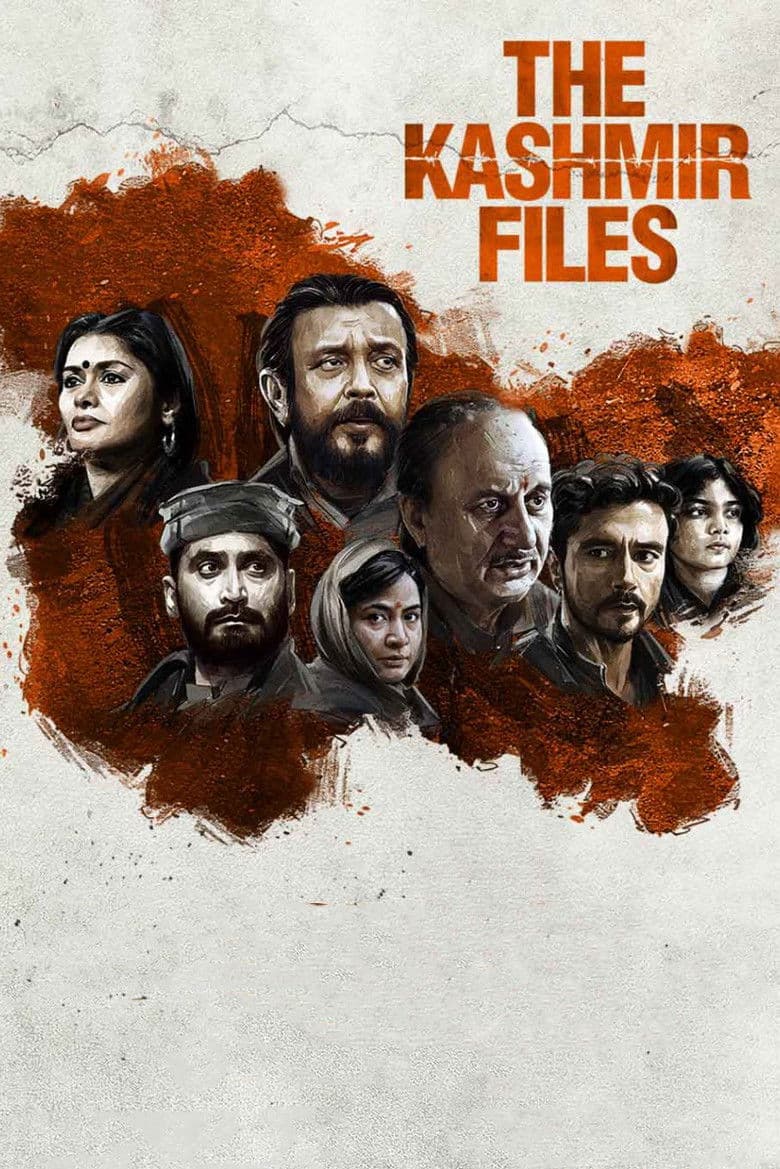
Movie · 2022
Based on a true tragedy, the emotionally triggering film sheds light on the plight of Kashmiri Pandits (Hindus), a religious minority in the 1990s Kashmir valley, who were…

Movie · 2024
On the brink of the Second World War, a young Norwegian man's drive to resist the Nazis sets a new course for his future – and the future of his country.

Movie · 2026
While people across 1990s Iraq struggle to survive the war and food shortages, Saddam Hussein requires each school in the country to prepare a cake to celebrate his birthday.

Movie · 2022
London, 1953. Mr. Williams, a veteran civil servant, is an important cog within the city's bureaucracy as it struggles to rebuild in the aftermath of World War II.
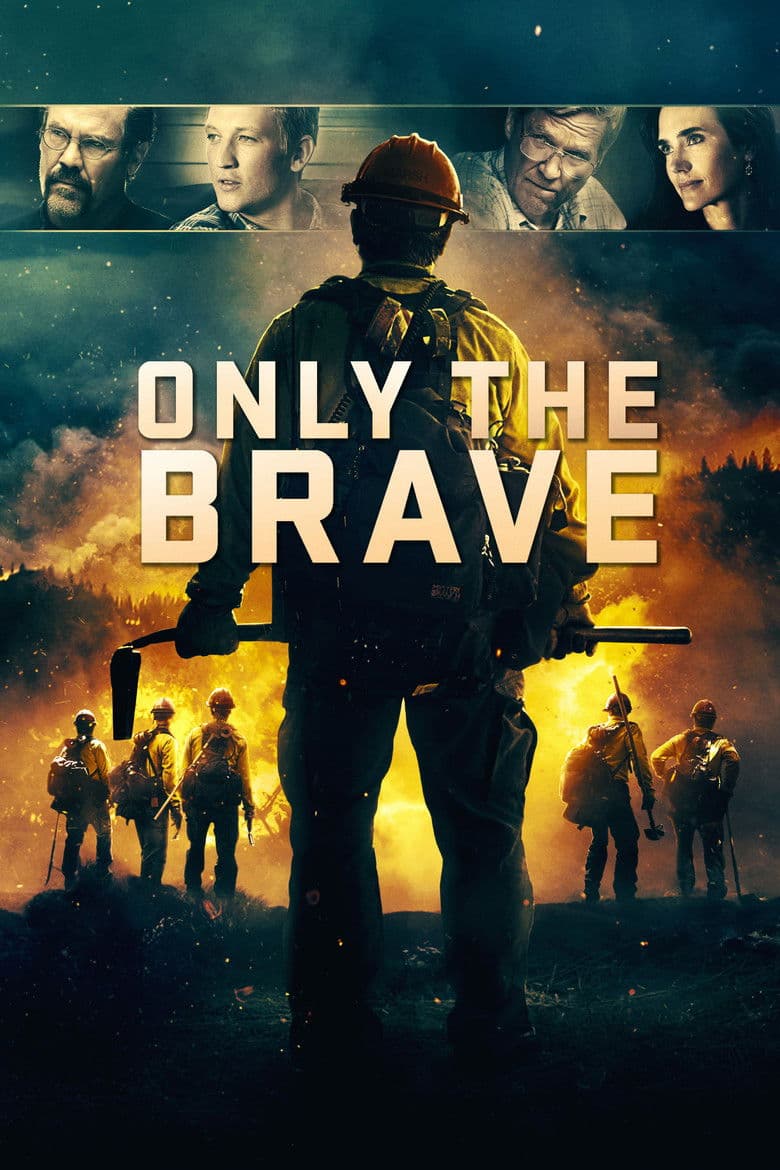
Movie · 2017
Members of the Granite Mountain Hotshots battle deadly wildfires to save an Arizona town.
