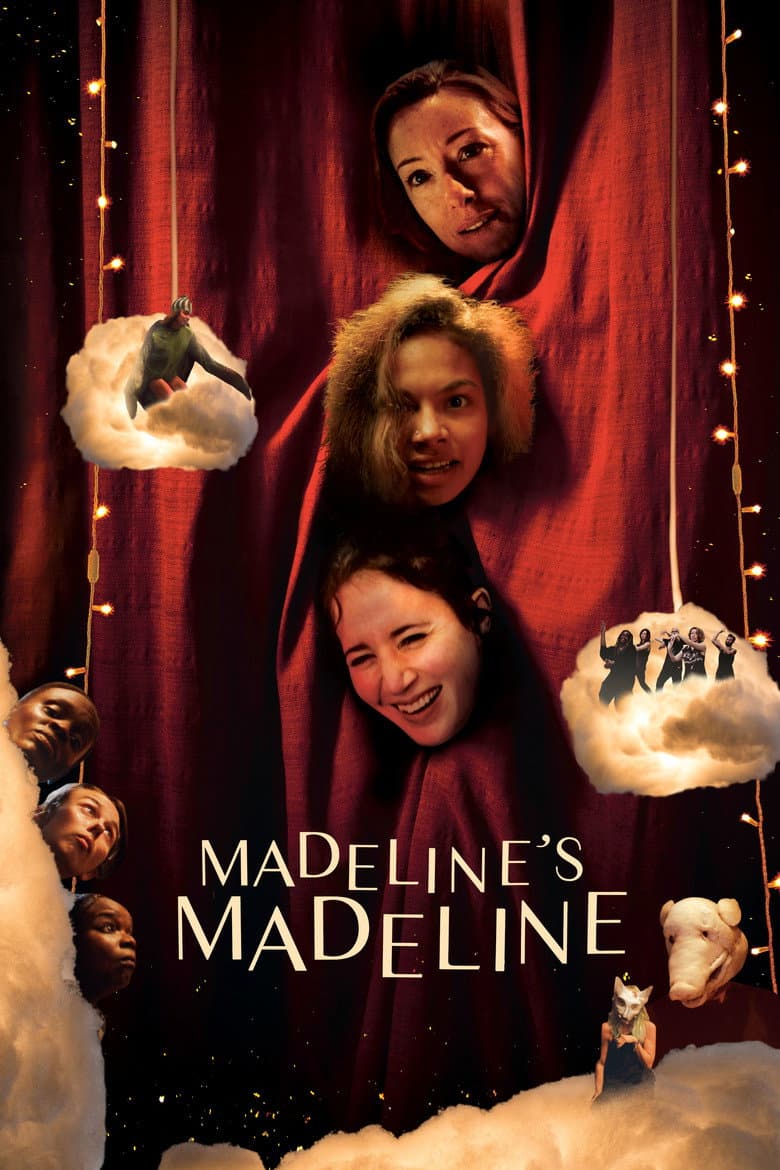
Madeline is a gifted teenager in New York who performs with an experimental theater group. She also lives with mental illness and has a tense, often explosive relationship with her mother, Regina. The group's leader, Evangeline, offers Madeline praise and a new kind of family, but she also turns the girl's private pain into stage material. The film uses shifting images, animal play, sudden violence, and dark humor to place viewers inside Madeline's unstable point of view.
Race and identity remain part of the main conflict because Madeline is biracial and both women who try to shape her are white. Evangeline brings a formerly jailed black man to rehearsal and treats his experience as material for a play about prison. The film questions whether a white artist can use a vulnerable black girl's history without taking control of her story. Madeline finally takes back some control through a raw performance, but the ending stays tense and uncertain.
Community feedback
Was our 62% Woke rating accurate?
Breakdown
These are the editorial factors and ratings behind our score for Madeline's Madeline.
Woke representation / casting
Madeline is a biracial black teenager at the center of the film. Regina and Evangeline are white women who shape her home life and her art. The theater group also includes several people of color, and Evangeline's husband and a man who has been in prison are black. The casting makes race visible in the story, but the modern New York setting makes the mix plausible and not an obvious quota group. Decker said the racial differences were intentional.
42%
Woke political dialogue
The troupe briefly plans a play about prison. Evangeline brings a man who has been in prison to rehearsal and asks the group to use his experience as material. The scene points toward unfair systems and the risk of treating one person's pain as a political example. The film does not build a long speech or repeated debate around these ideas.
28%
Identity-driven story themes
The film makes race, personal identity, and ownership of a person's story part of its main conflict. Evangeline turns Madeline's mental illness, family pain, and racial experience into a stage work. Madeline fights to stop two white women from deciding who she is and how her life should be shown. The story questions cultural power and artistic control, although mental illness and the mother-daughter struggle remain equally important.
58%
Western institutional / cultural critique
The film questions how white artists with social power use a vulnerable black teenager's pain. Evangeline treats a man who has been in prison as a lesson for the troupe. The theater group later rejects her way of using Madeline's life and turns the performance against her. The critique targets one art circle and its behavior, rather than attacking Western institutions as a whole.
44%
Woke character or canon changes
Not relevant. The movie is an original story with no established characters, source material, or historical figures being changed. No identity-based canon change is present.
0%
Anti-woke backlash and complaints
Not present. The supplied X research found no anti-woke reaction. Other coverage found praise, mixed reviews, and complaints about the film's style, not claims that it pushes DEI or left-wing politics.
0%
Creator track record context
Josephine Decker has a feminist and queer-themed body of work, and she has spoken about female-gaze ideas. Elizabeth Rao has a repeated record of projects about gender, race, immigration, reproductive limits, and social identity. Some other producers add socially aware work, but most listed creators have lower or neutral cached scores. This gives the film strong supporting creator context led by the director, without making the whole team activist-focused.
64%
Production
Movie · 2016
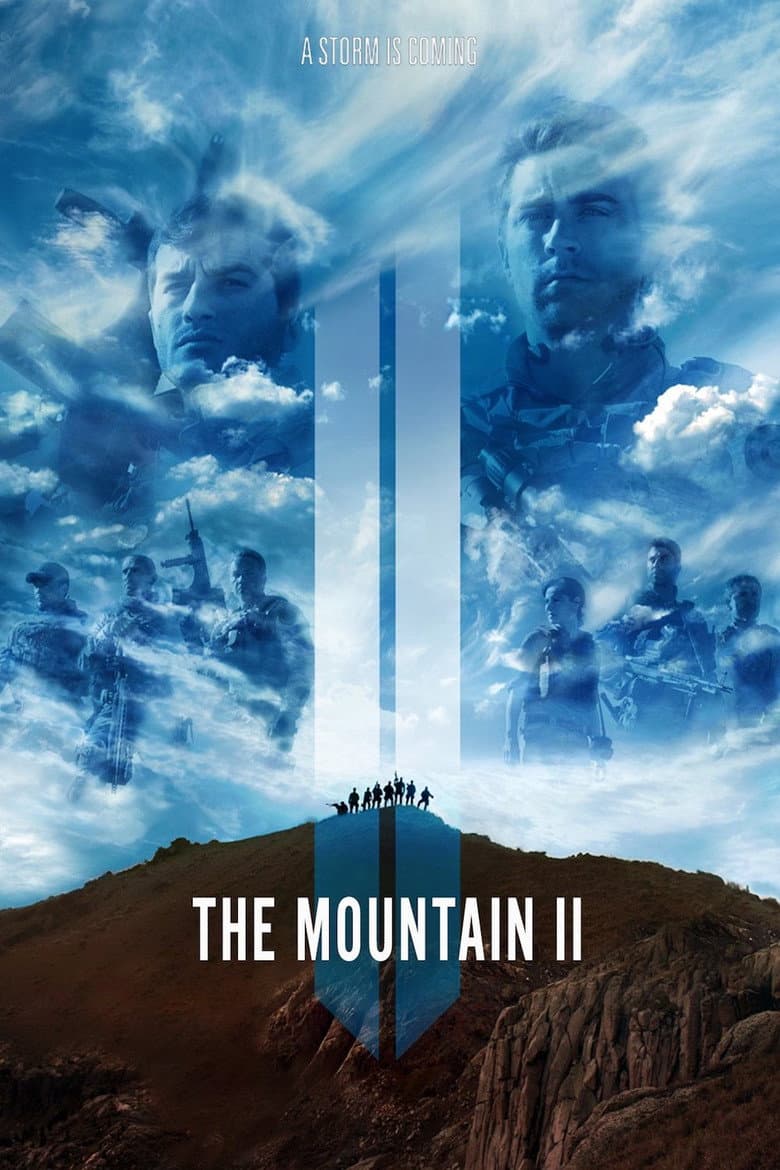
In a desolate war zone where screams of the innocent echo, on the very line between disaster and valor, 7 Maroon Berets will dance with death.
Movie · 2016
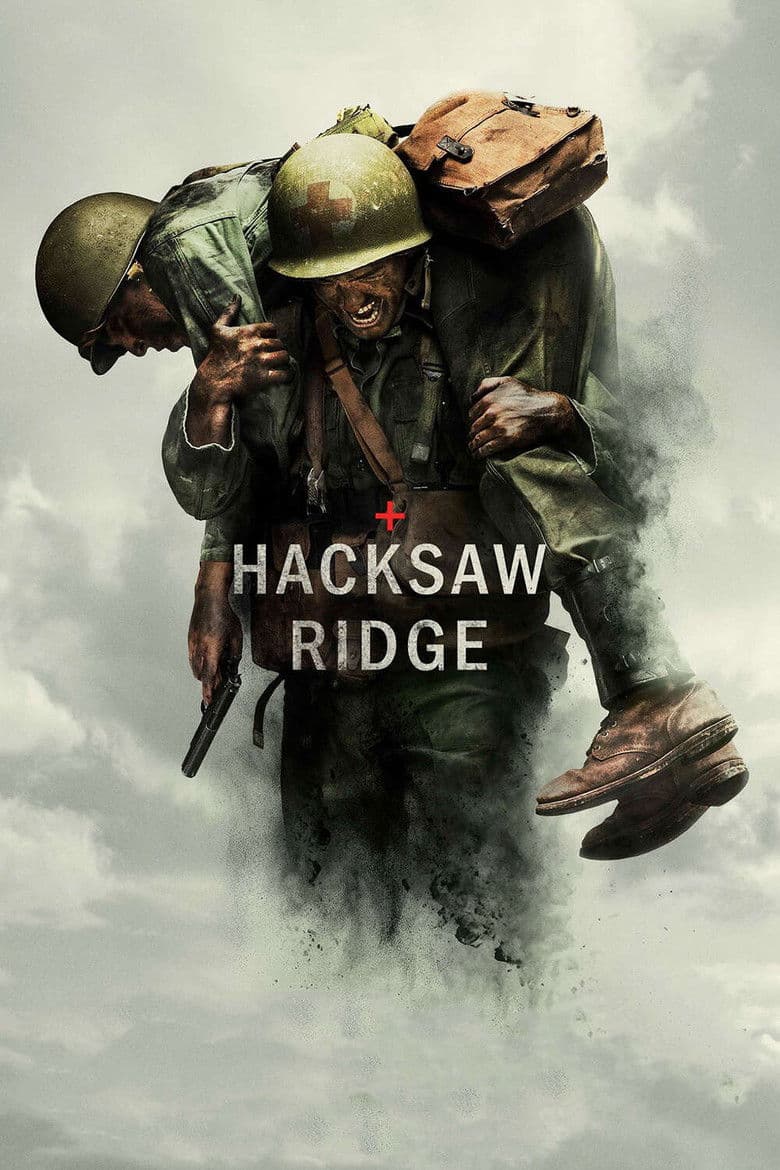
WWII American Army Medic Desmond T. Doss, who served during the Battle of Okinawa, refuses to kill people and becomes the first Conscientious Objector in American history to…
Movie · 2026
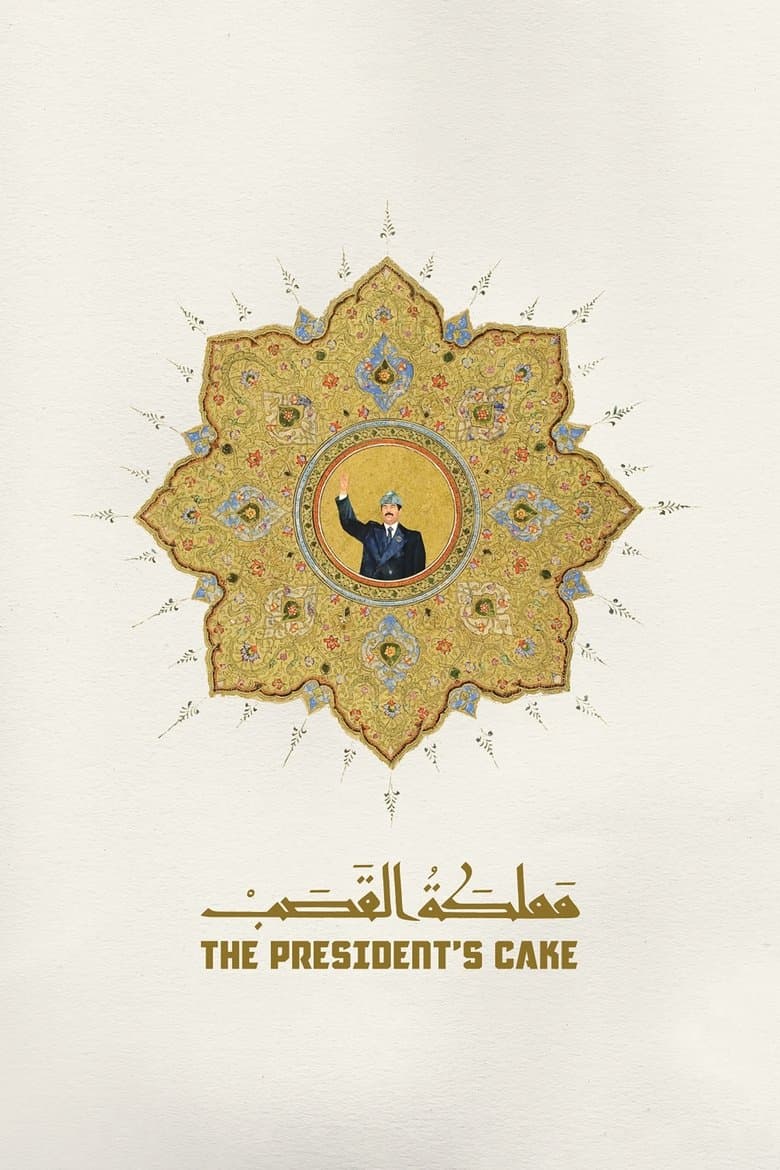
While people across 1990s Iraq struggle to survive the war and food shortages, Saddam Hussein requires each school in the country to prepare a cake to celebrate his birthday.
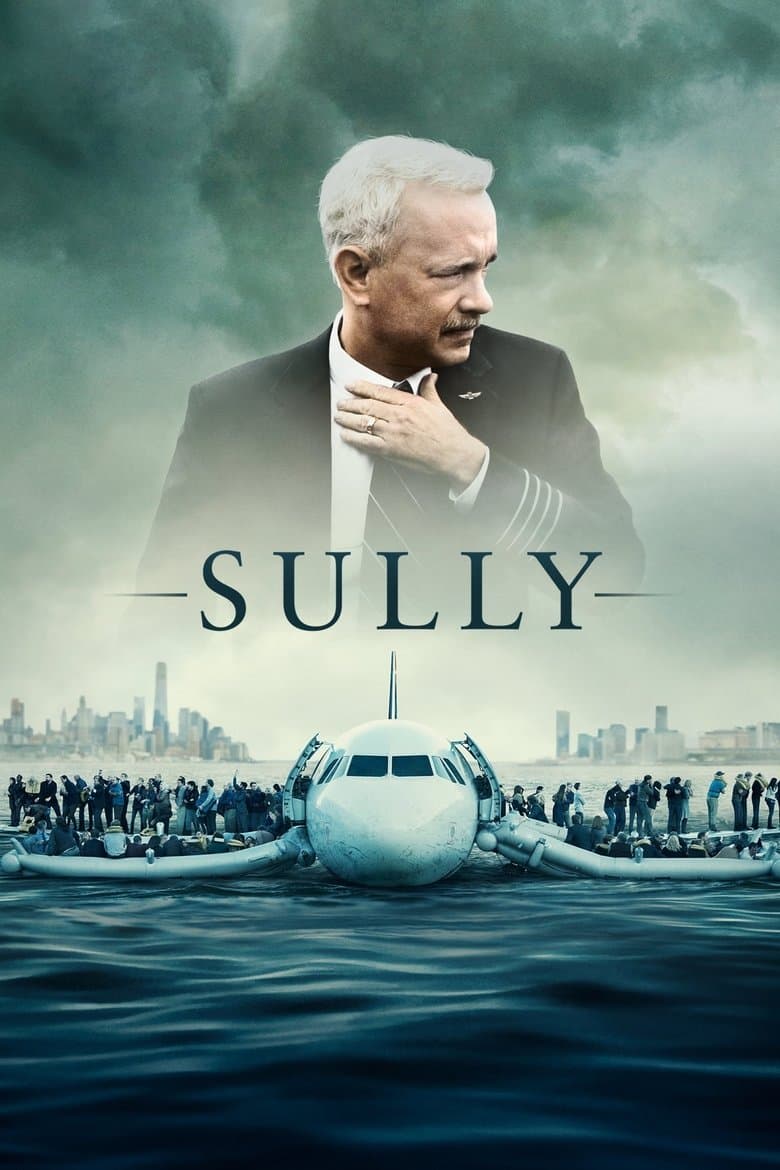
Movie · 2016
On 15 January 2009, the world witnessed the 'Miracle on the Hudson' when Captain 'Sully' Sullenberger glided his disabled plane onto the Hudson River, saving the lives of all 155…
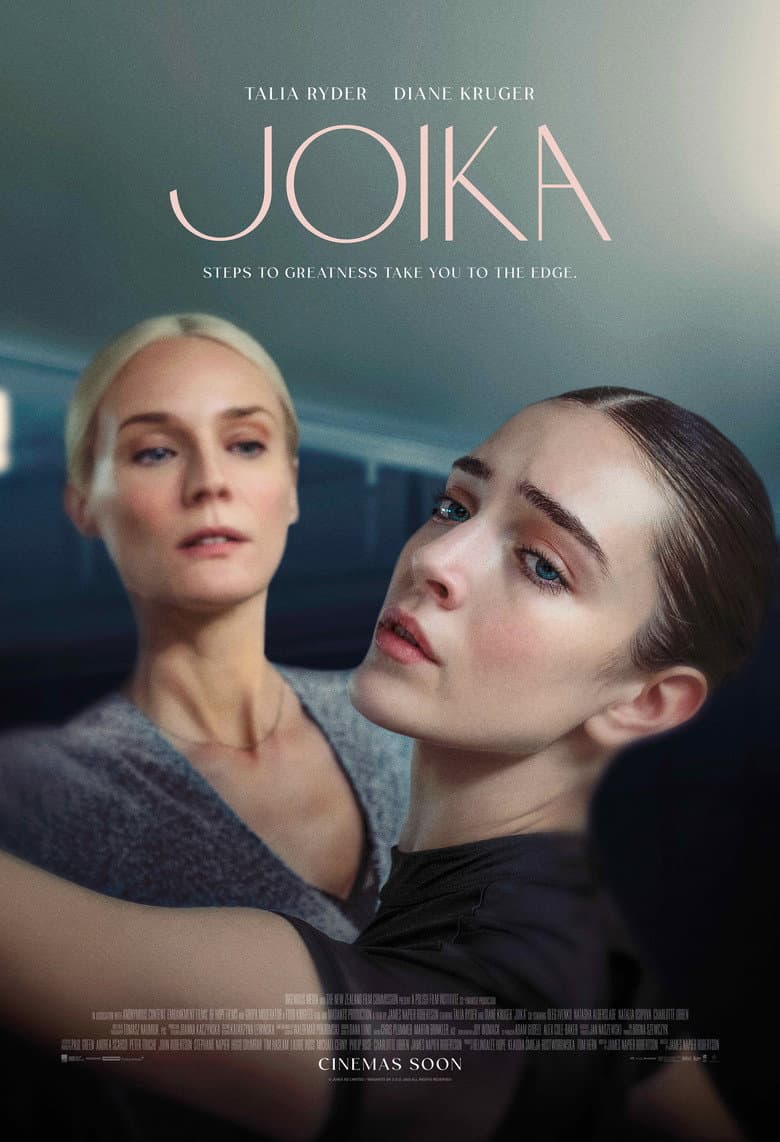
Movie · 2023
American ballet dancer Joy Womack is accepted into Moscow's infamously tough Bolshoi Ballet Academy, with the dream of becoming a great ballerina.
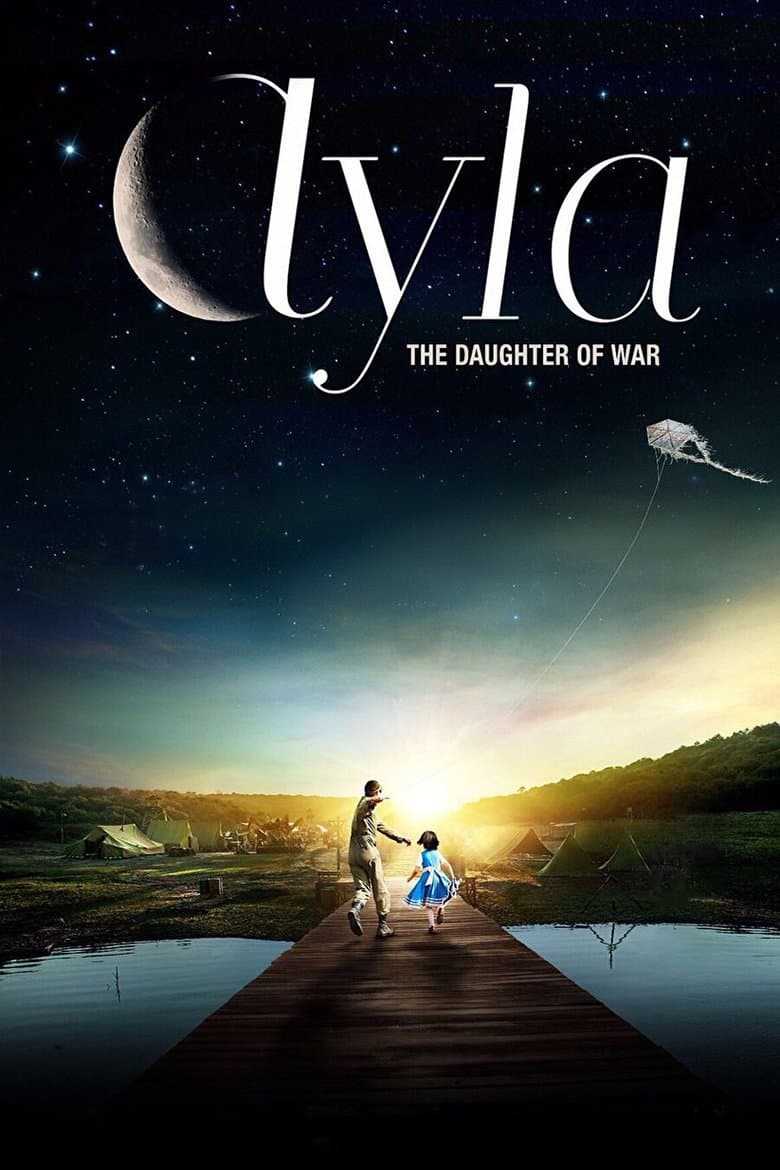
Movie · 2017
In 1950, amidst the ravages of the Korean War, Sergeant Süleyman stumbles upon a a half-frozen little girl, with no parents and no help in sight and he risks his own life to save…

Movie · 2023
The true story of the inseparable Von Erich brothers, who made history in the intensely competitive world of professional wrestling in the early 1980s.
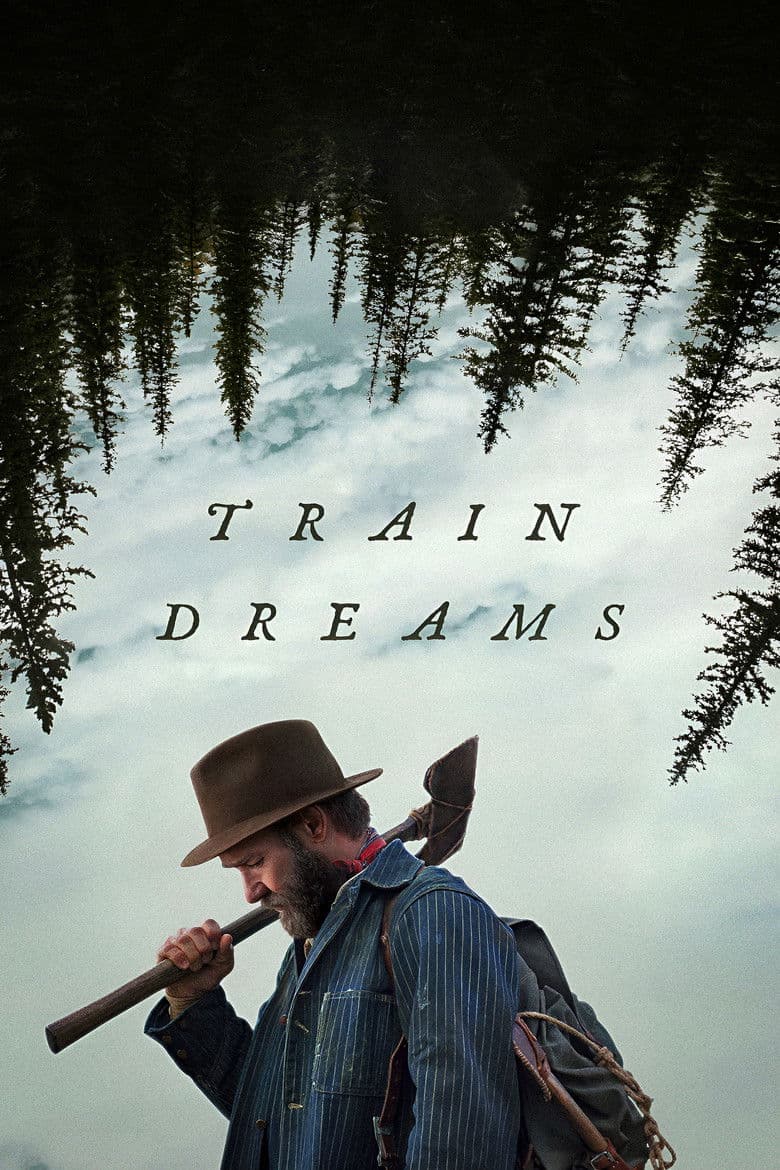
Movie · 2025
A logger leads a life of quiet grace as he experiences love and loss during an era of monumental change in early 20th-century America.
