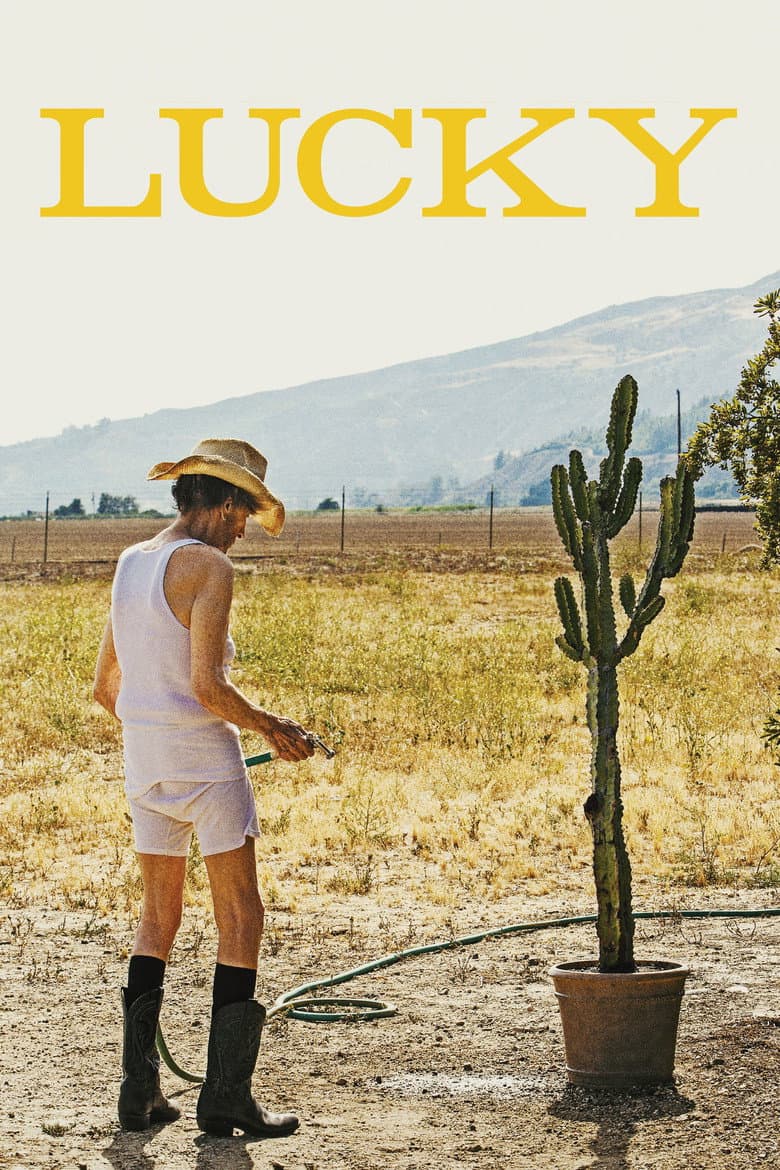
Lucky follows a 90-year-old man who lives alone in a small desert town in California. He smokes, does yoga, watches game shows, and visits the same diner and bar each day. After he falls at home, his normal routine starts to feel fragile, and he begins to face the fact that death is near. The film uses dry jokes, long talks, and quiet scenes instead of fast action.
Lucky is openly atheist, and many talks question the soul, God, truth, and what remains after death. He first reacts badly when two men kiss at the diner, then later says he does not know why their private life should matter to him. That small change presents tolerance as part of his move toward peace, while the story also includes sexist remarks from its old-fashioned lead. The main message still centers on aging, loneliness, friendship, and choosing joy even when life has no clear answer.
Community feedback
Was our 30% Woke rating accurate?
Breakdown
These are the editorial factors and ratings behind our score for Lucky.
Woke representation / casting
Not present. The film uses some black and Latino supporting characters in a modern California town, while the lead is an older white man. The casting is not framed as a diversity or identity statement.
0%
Woke political dialogue
Lucky talks often about death, truth, and atheism, but those talks are not modern activist speeches. The film has a clear identity-related exchange when he reacts badly to two men kissing at the diner. Lucky later questions why he cared about Liberace’s sexuality and says it should not matter to him. He also makes a few sexist remarks, but the film does not build them into a larger political debate.
27%
Identity-driven story themes
Lucky’s main change is learning to face death and accept kindness. The story also shows his old-fashioned dislike of a gay couple and his later choice to stop caring about their private life. The film treats that change as one small sign that he is becoming calmer and kinder. Sexuality is a side theme, not the main conflict.
28%
Western institutional / cultural critique
Lucky rejects religion and says there is no soul or afterlife. He also says ownership is a fallacy and that authority is arbitrary when he argues with Elaine about smoking rules. The film presents these ideas as his personal view, not as a call to change modern society. It does not attack churches, families, or other Western institutions in a recurring way.
17%
Woke character or canon changes
Not relevant. The film is an original story and does not change a known character, book, historical figure, or real event.
0%
Anti-woke backlash and complaints
Movieguide gave the film its lowest family rating and attacked its atheist view of life and death. The review also objected to the brief same-sex kiss, strong language, smoking, and its ending that says life ends in nothing. The X research found no anti-woke posts about the film. The available complaint is small and comes mainly from one faith-based review.
14%
Creator track record context
John Carroll Lynch and the two writers have no documented activist or DEI public pattern. Several producers also have low scores and work mainly in commercial or independent film. Ruth Ann Harnisch and Bill Harnisch have backed women, racial equality, LGBTQ, and other social-issue projects. Ira Steven Behr has a record of identity and social themes from Deep Space Nine. This context is mixed and does not strongly shape Lucky.
19%
Production
Movie · 2026
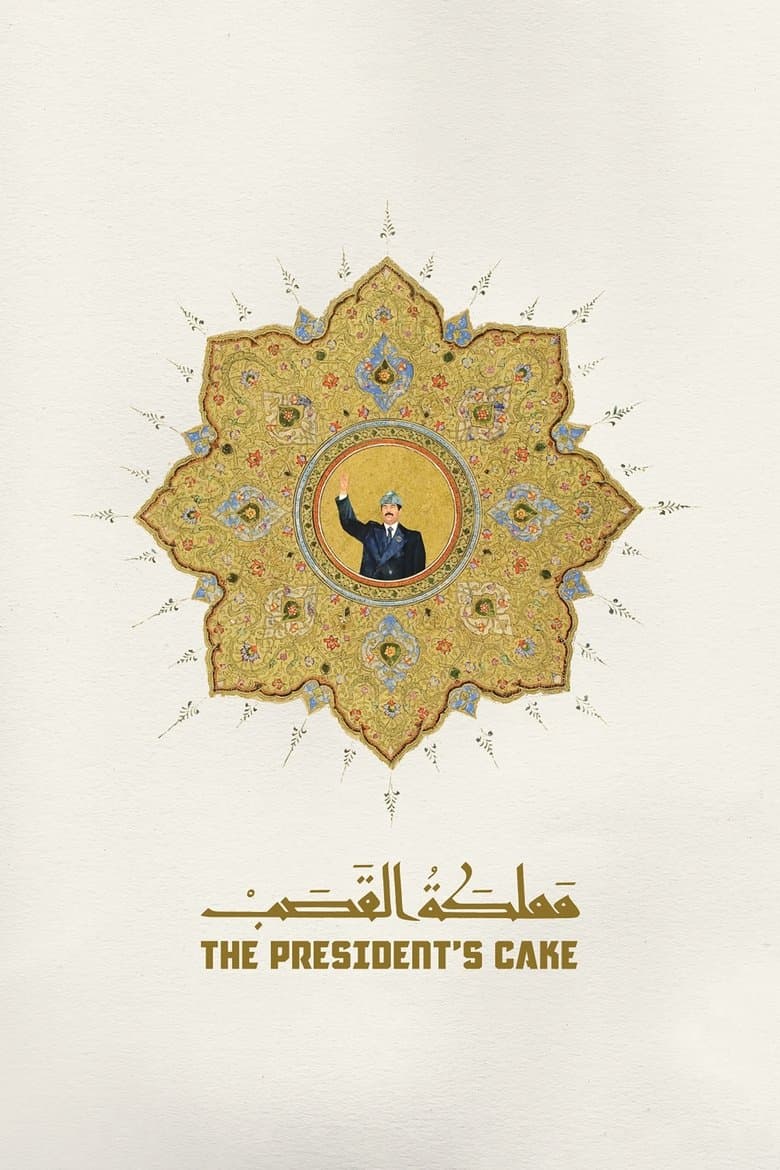
While people across 1990s Iraq struggle to survive the war and food shortages, Saddam Hussein requires each school in the country to prepare a cake to celebrate his birthday.
Movie · 2023
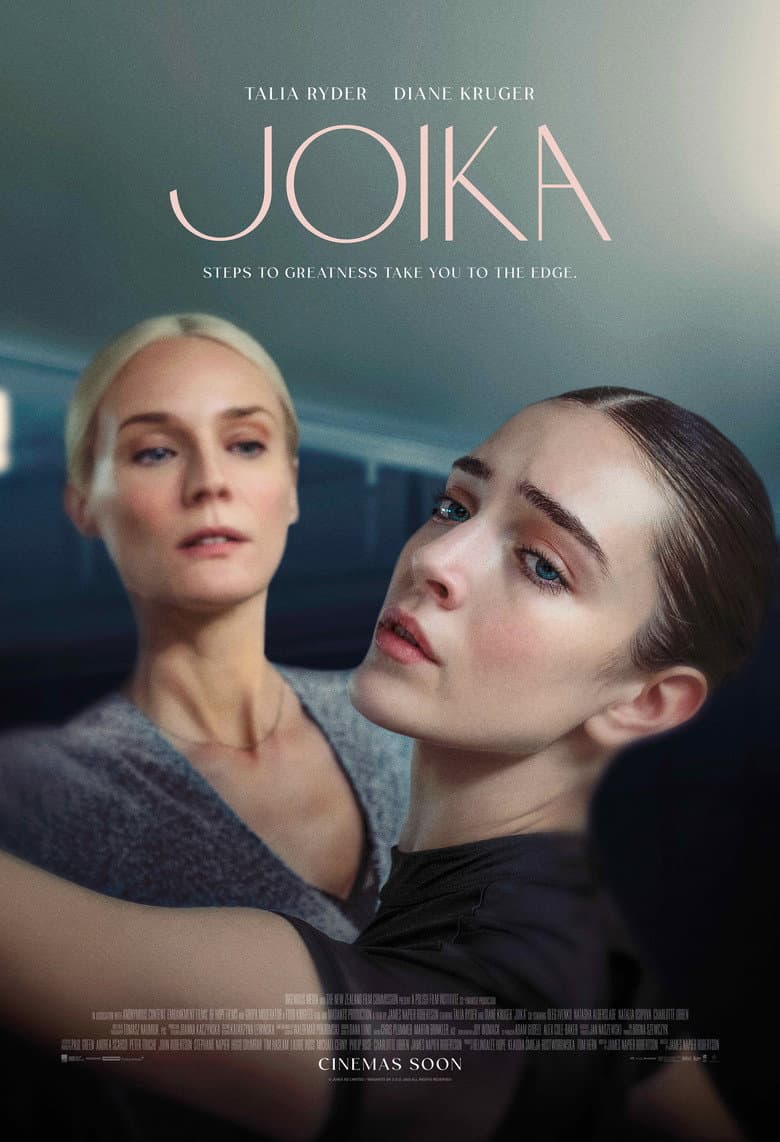
American ballet dancer Joy Womack is accepted into Moscow's infamously tough Bolshoi Ballet Academy, with the dream of becoming a great ballerina.
Movie · 2025
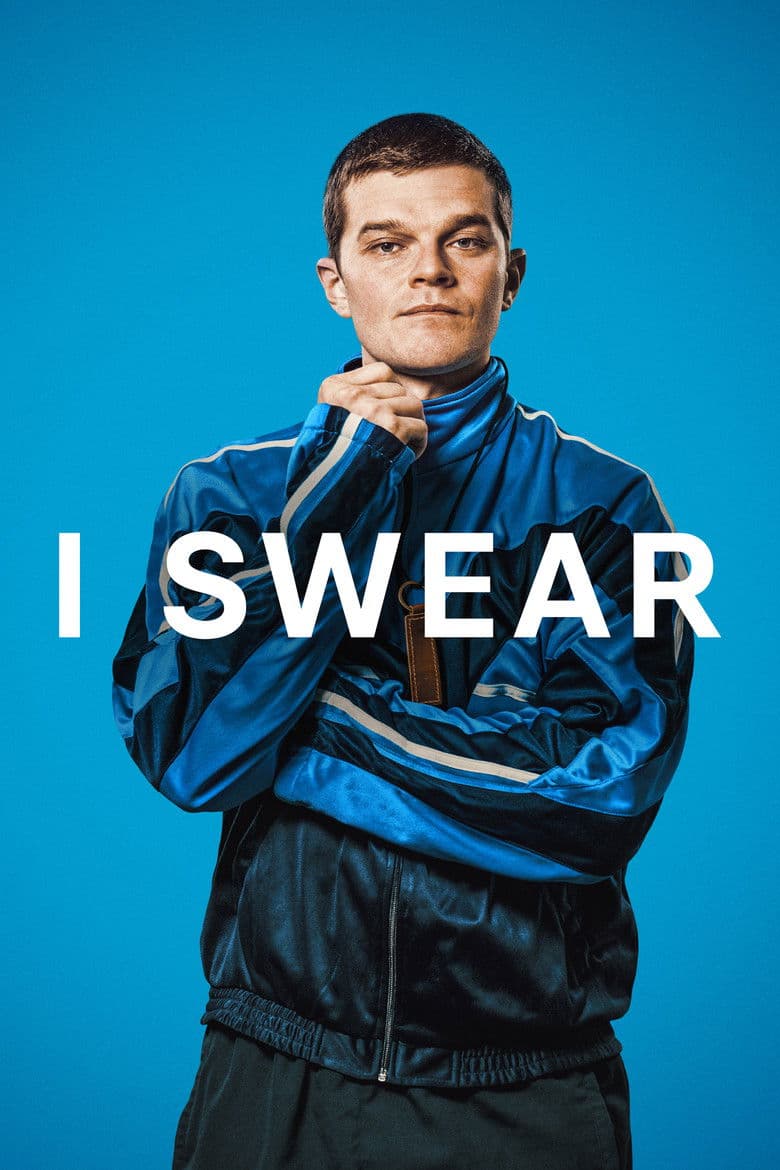
Diagnosed with Tourette Syndrome at 15, John Davidson navigates his way against the odds through troubled teenage years and into adulthood, finding inspiration in the kindness of…
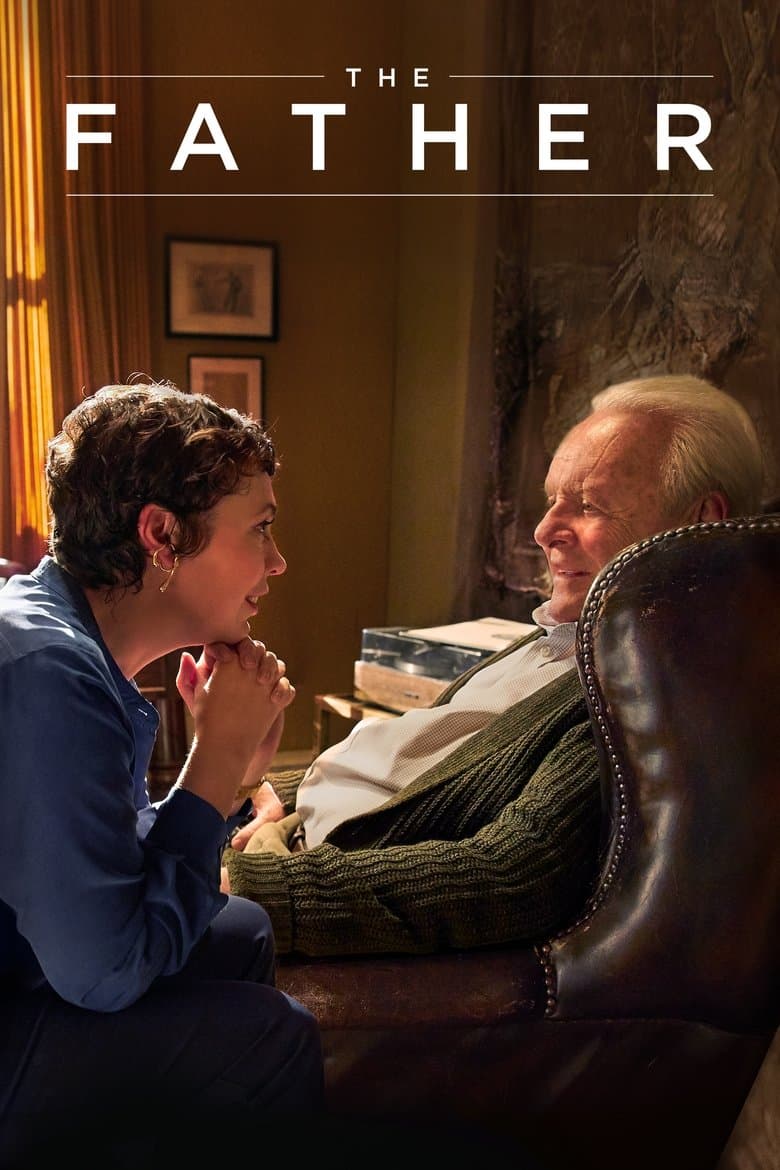
Movie · 2020
A man refuses all assistance from his daughter as he ages and, as he tries to make sense of his changing circumstances, he begins to doubt his loved ones, his own mind and even…

Movie · 2016
After his older brother passes away, Lee Chandler is forced to return home to care for his 16-year-old nephew.
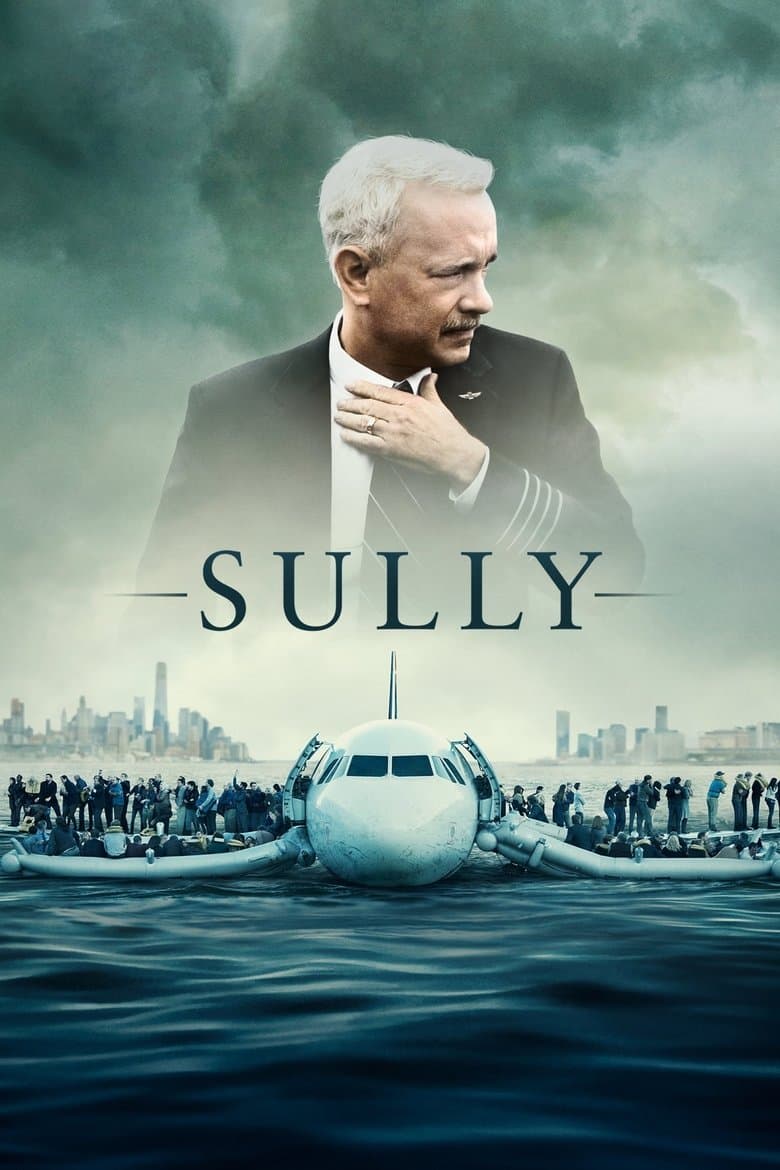
Movie · 2016
On 15 January 2009, the world witnessed the 'Miracle on the Hudson' when Captain 'Sully' Sullenberger glided his disabled plane onto the Hudson River, saving the lives of all 155…
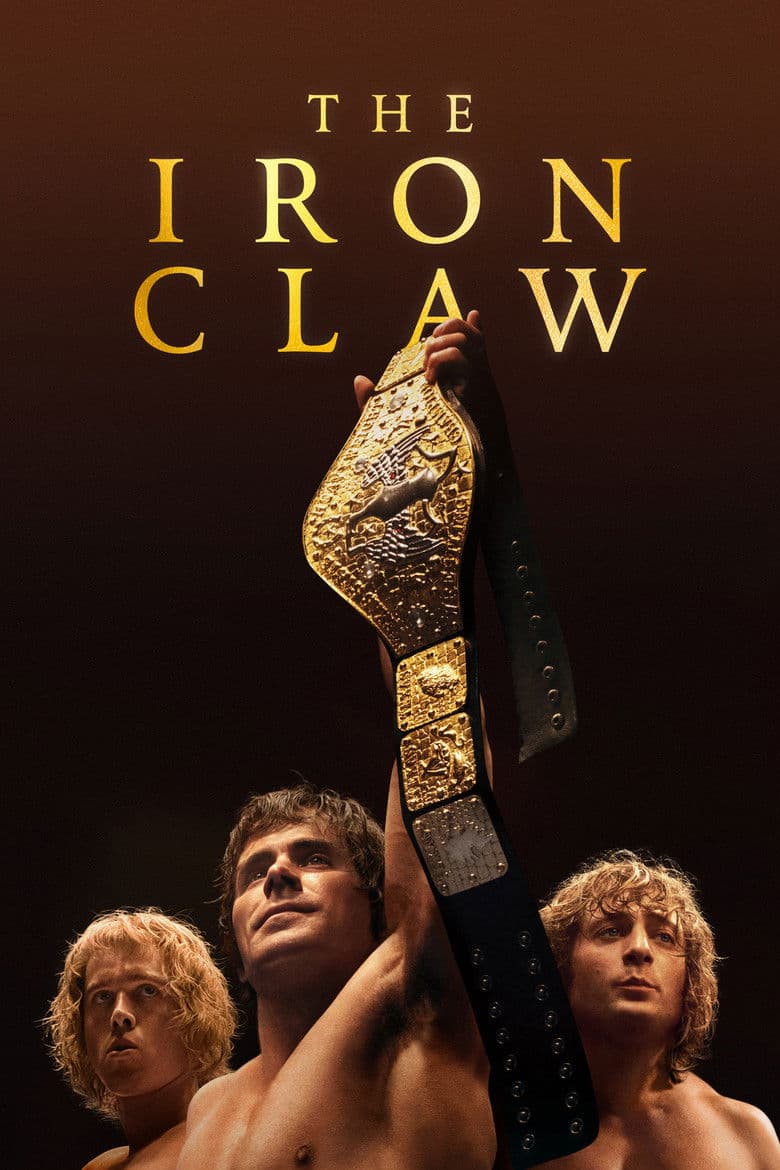
Movie · 2023
The true story of the inseparable Von Erich brothers, who made history in the intensely competitive world of professional wrestling in the early 1980s.
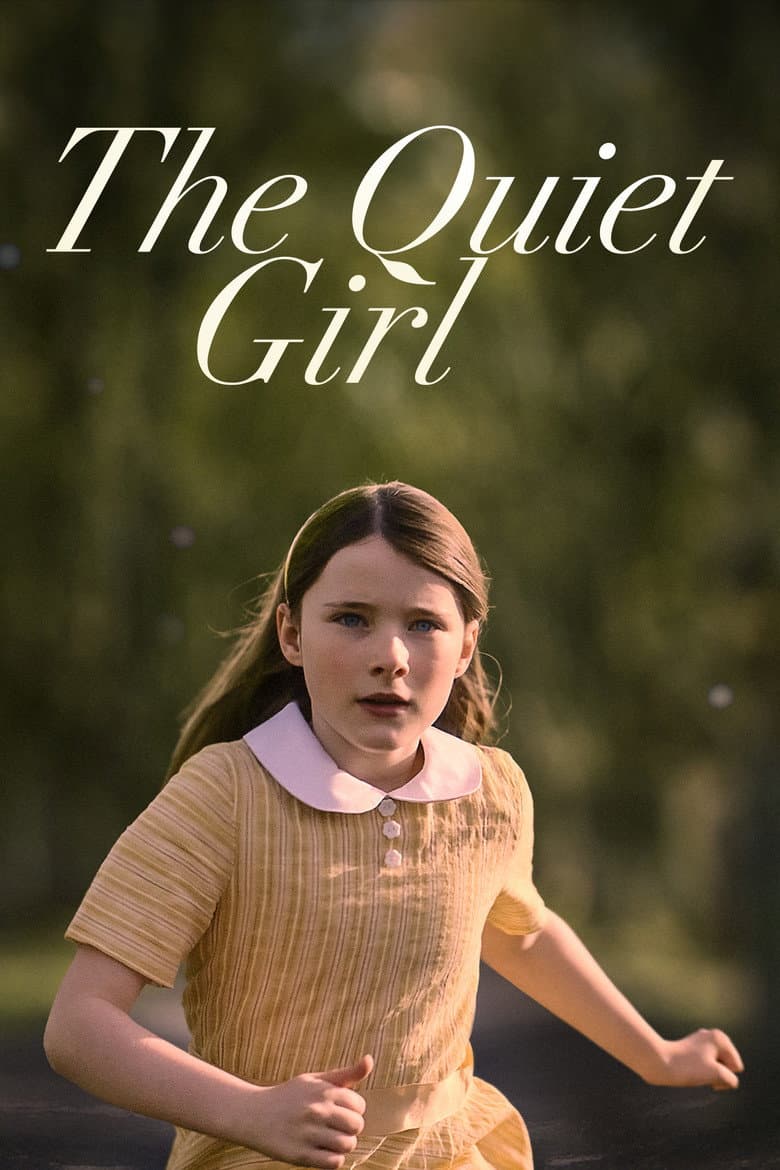
Movie · 2022
A quiet, neglected girl is sent away from her dysfunctional family to live with relatives for the summer. She blossoms in their care, but in this house where there are meant to be…
