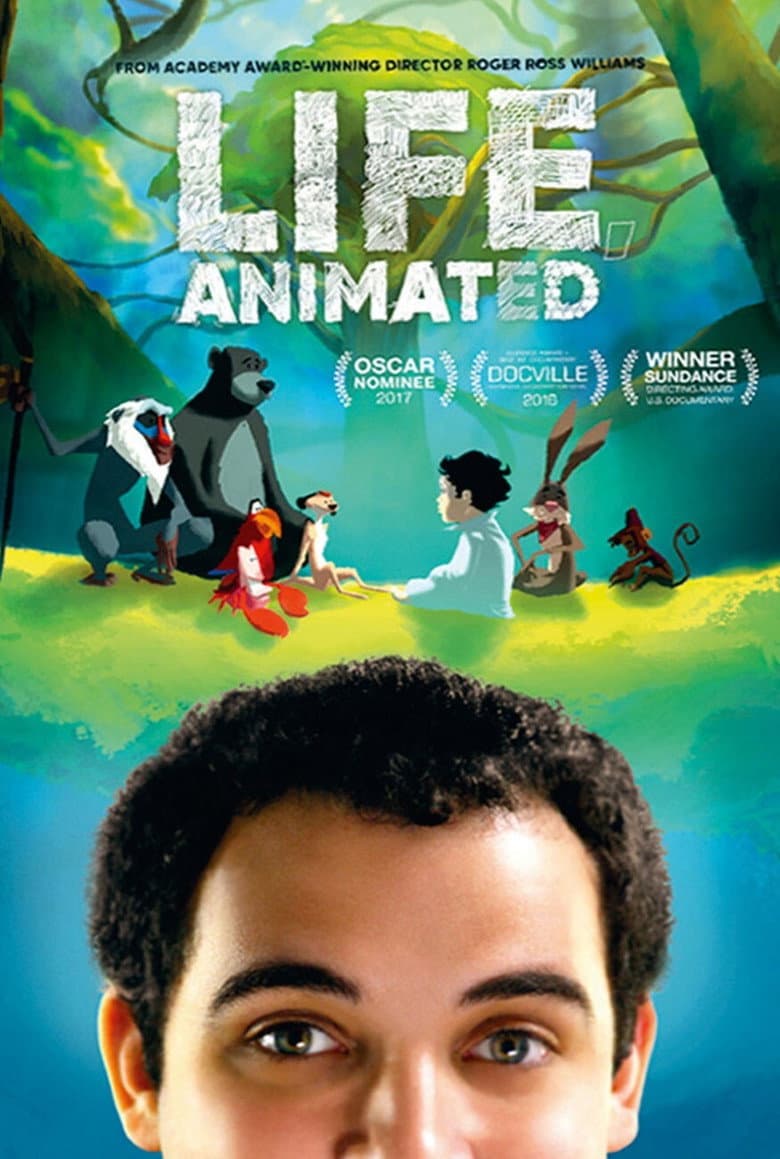
Life, Animated follows Owen Suskind, who stopped speaking after developing autism at age three. His family spends years trying to reach him, then discovers that Disney movies give him a way to speak and understand feelings. As a young man, Owen moves into supported housing, looks for work, joins a film club, and faces a breakup. The film moves between home videos, family talks, daily life, Disney clips, and new animation, so the tone is warm, hopeful, and sometimes sad.
The film's main woke element is its strong focus on disability identity and representation. It presents Owen as a full person with feelings, romance, work, friendship, and a right to choose what makes his life meaningful. The story asks viewers to reject the idea that autism makes a person less human or unable to connect, and it says that society often fails to understand autistic people. These ideas shape the whole film, but the movie does not center race, gender, queer politics, or broad party politics.
Community feedback
Was our 52% Woke rating accurate?
Breakdown
These are the editorial factors and ratings behind our score for Life, Animated.
Woke representation / casting
Not present. The film follows real people, so there is no invented cast pattern to score. The visible participants are the Suskind family and other real people.
0%
Woke political dialogue
Owen says that people with autism want to connect with the world, even when they may not know how. The film also includes his statement that people look past him. These lines support the personal story rather than a political campaign. The film has no recurring DEI or gender-role speech.
12%
Identity-driven story themes
The film makes autism the main subject and asks viewers to see autistic people as people with feelings, relationships, jobs, and a right to choose a meaningful life. Owen uses Disney dialogue to communicate, moves into supported housing, dates, and looks for work. Williams says he wanted Owen to tell his own story and show the audience his mind. This identity-driven message shapes the whole documentary, but it does not become a wider race, gender, or queer campaign.
64%
Western institutional / cultural critique
The film shows bullying and the pressure to act like everyone else. The family slowly stops treating autism as something to remove and learns to meet Owen where he is. This is a mild critique of social judgment, not a broad attack on Western institutions, family life, religion, or capitalism.
24%
Woke character or canon changes
Not relevant. The film does not change the race, gender, sexuality, or role of a known character. Its Disney characters appear as parts of Owen's real memories and his own sidekick story.
0%
Anti-woke backlash and complaints
Not present. Reported debate focused on sentimentality, the Disney-heavy style, and older language about autism. No meaningful anti-woke or identity-politics backlash was found.
0%
Creator track record context
Roger Ross Williams has a strong record of documentaries about race, sexuality, disability, religion, and inequality, and he has spoken about giving outsiders a voice. Ron Suskind often writes about race, poverty, autism, disability, and government power. Julie Goldman and Molly Thompson have backed many human-rights, LGBTQ, gender, race, disability, and political projects. The other producers have more mainstream records, so the overall creator context is mixed but tilts progressive.
61%
Production
Movie · 2016
Fully authorized, access-all-areas feature doc on the hugely charismatic and globally adored Usain Bolt – officially the fastest man alive.
Movie · 2022
Does infinity exist? Can we experience the Infinite? In an animated film (created by artists from 10 countries) the world's most cutting-edge scientists and mathematicians go in…
Movie · 2023
Bonded by their love of freediving, a record-setting champion and a heroic safety diver try to make history with a remarkable feat, ready to risk it all.
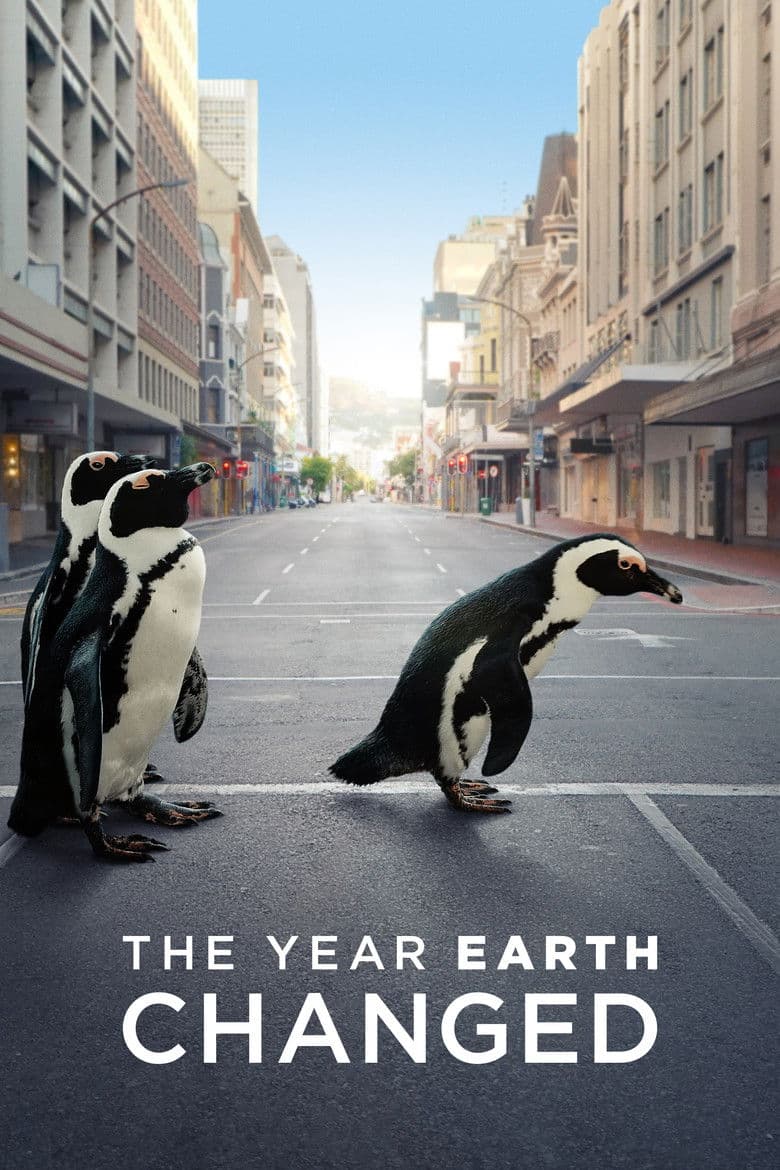
Movie · 2021
Never-before-seen footage shows how our living in lockdown opened the door for nature to bounce back and thrive.
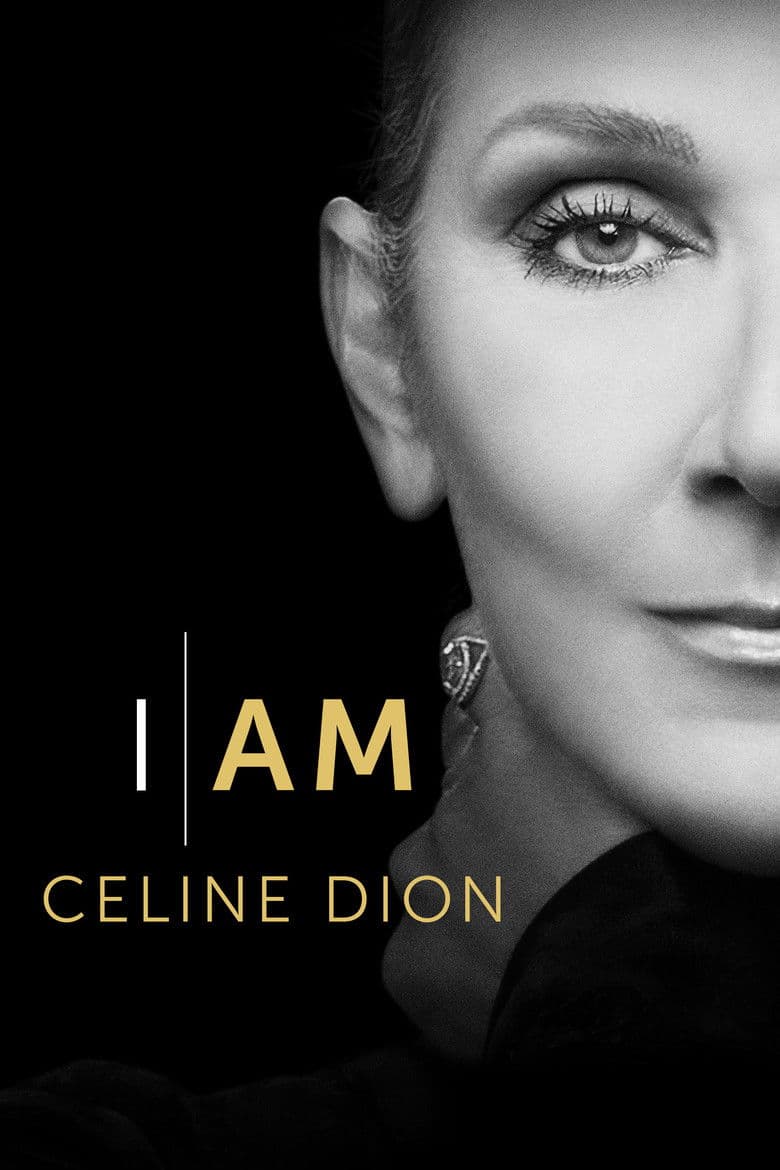
Movie · 2024
A raw and honest behind-the-scenes look at the iconic superstar's struggle with a life-altering illness. Serving as a love letter to her fans, this inspirational documentary…
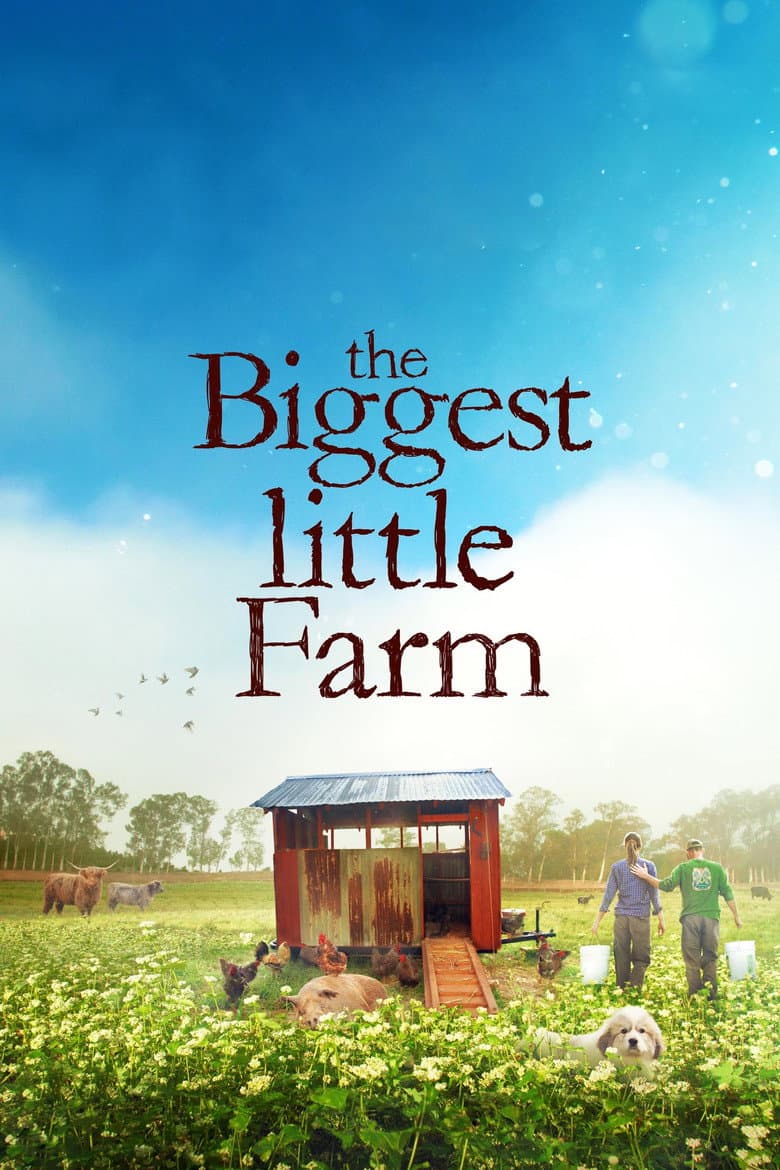
Movie · 2019
The successes and failures of a couple determined to live in harmony with nature on a farm outside of Los Angeles are lovingly chronicled by filmmaking farmer John Chester, in…
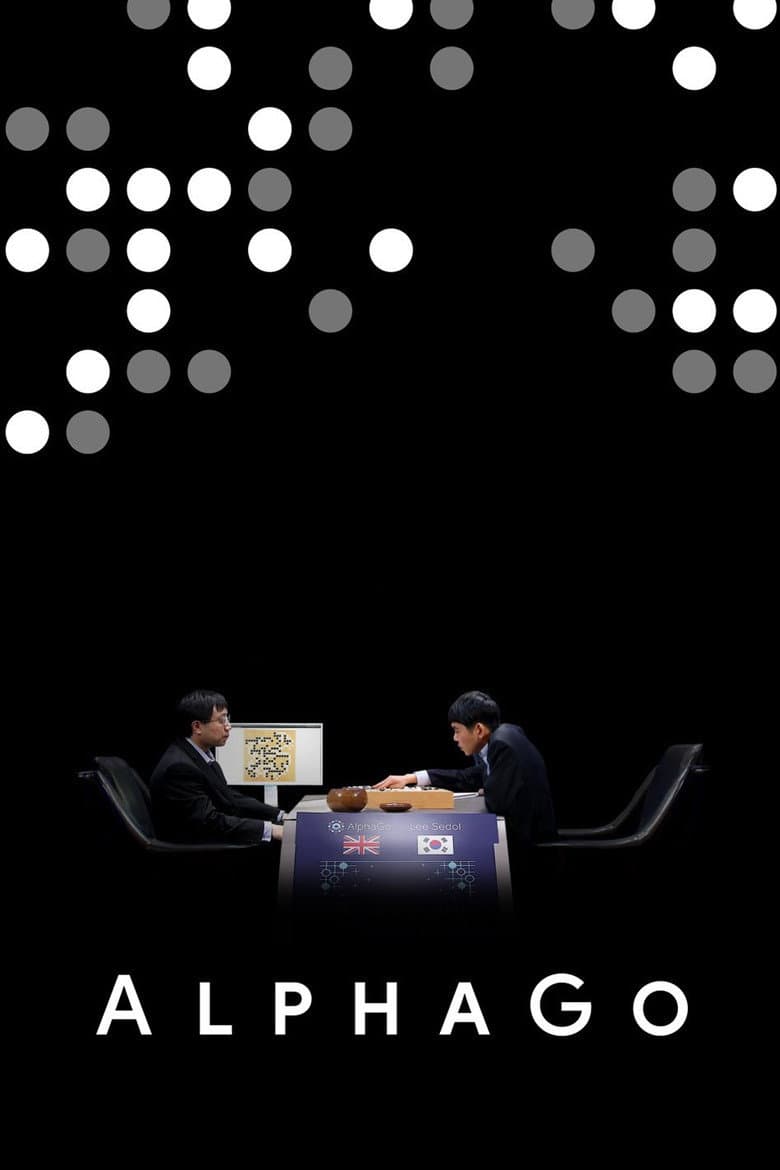
Movie · 2017
The ancient Chinese game of Go has long been considered a grand challenge for artificial intelligence. Yet in 2016, Google's DeepMind team announced that they would be taking on…
Movie · 2016
Andrew Dominik's One More Time With Feeling is a remarkable black and white documentary which chronicles the creation of Nick Cave & The Bad Seeds' album Skeleton Tree.
