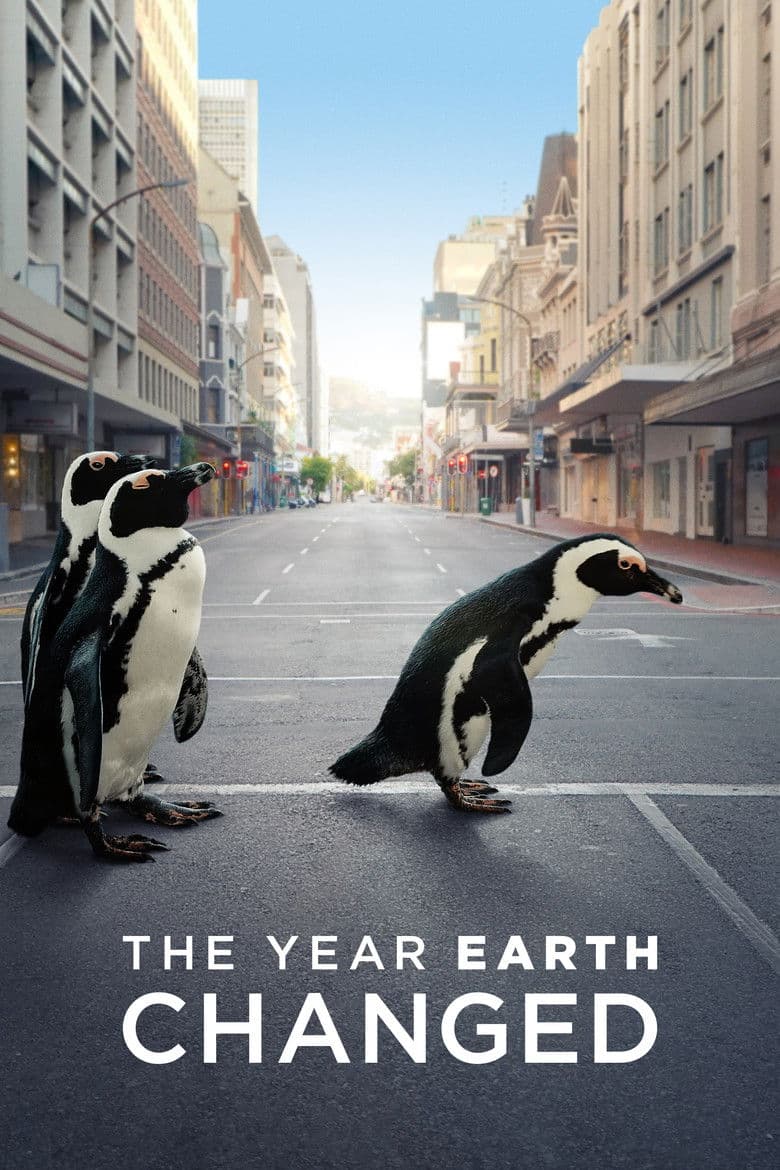
The documentary follows David Attenborough’s narration as it visits wildlife around the world during the COVID-19 lockdowns of 2020. It moves from quiet city streets and clearer air to beaches, seas, forests, and villages where animals face less noise, traffic, tourism, and human pressure. The conflict is between the needs of people and the space that wild animals need to feed, breed, and move safely. The tone is calm, hopeful, and gently cautionary, because the film treats the pause in human activity as a rare lesson about living with nature.
The film’s main message is that nature can recover when human pressure falls. It shows white-crowned sparrows changing their songs, turtles nesting on empty beaches, whales calling in quieter waters, penguins feeding chicks, and elephants sharing land with a village. It links quieter roads, cleaner air, fewer ships, and planned wildlife areas to better chances for animals. The ending asks viewers to carry those lessons into normal life, so the film supports conservation and lower human pressure through a warm and hopeful story.
Community feedback
Was our 2% Woke rating accurate?
Breakdown
These are the editorial factors and ratings behind our score for The Year Earth Changed.
Woke representation / casting
Not present. The film shows scientists, conservation workers, villagers, and wildlife camera crews for factual segments. It does not make their race, sex, or identity a political point.
0%
Woke political dialogue
Not present. The narration and interviews explain how lockdown changed pollution, noise, tourism, and animal behavior. They do not use recurring political speeches about identity, parties, or social power.
0%
Identity-driven story themes
Not present. The film follows wildlife recovery and human pressure on nature. Its message centers on conservation and coexistence rather than race, sex, sexuality, or other identity politics.
0%
Western institutional / cultural critique
Not present. The film shows traffic, cruise ships, tourism, pollution, and human activity affecting animals. It does not attack Western family life, religion, men, capitalism, or social institutions through a modern activist storyline.
0%
Woke character or canon changes
Not relevant. The documentary is an original nature film about the 2020 lockdowns. It does not adapt established fictional characters, a story world, or historical figures into identity-based versions.
0%
Anti-woke backlash and complaints
Not present. The supplied X pass found no anti-woke reaction, boycott, or review-bomb campaign. Web complaints focused on climate claims and disputed images, not woke, DEI, identity politics, or casting.
0%
Creator track record context
The cached creator scores are low: Tom Beard 5, Alice Keens-Soper 3, Mike Gunton 14, and Alex Griffiths 2. Their work mainly covers wildlife, science, conservation, and some humanitarian factual TV. Mike Gunton has supported more female directors, but his cached summary also says he avoids preachy or alarmist storytelling. The team adds a mild environmental and inclusion signal, with little evidence of a wider identity-politics pattern.
8%
Production
Movie · 2016
Andrew Dominik's One More Time With Feeling is a remarkable black and white documentary which chronicles the creation of Nick Cave & The Bad Seeds' album Skeleton Tree.
Movie · 2022
Using unprecedented Olympic footage and behind-the-scenes material, The Redeem Team tells the story of the US Olympic Men's Basketball Team’s quest for gold at the 2008 Olympic…
Movie · 2017
Music is an integral part of most films, adding emotion and nuance while often remaining invisible to audiences.
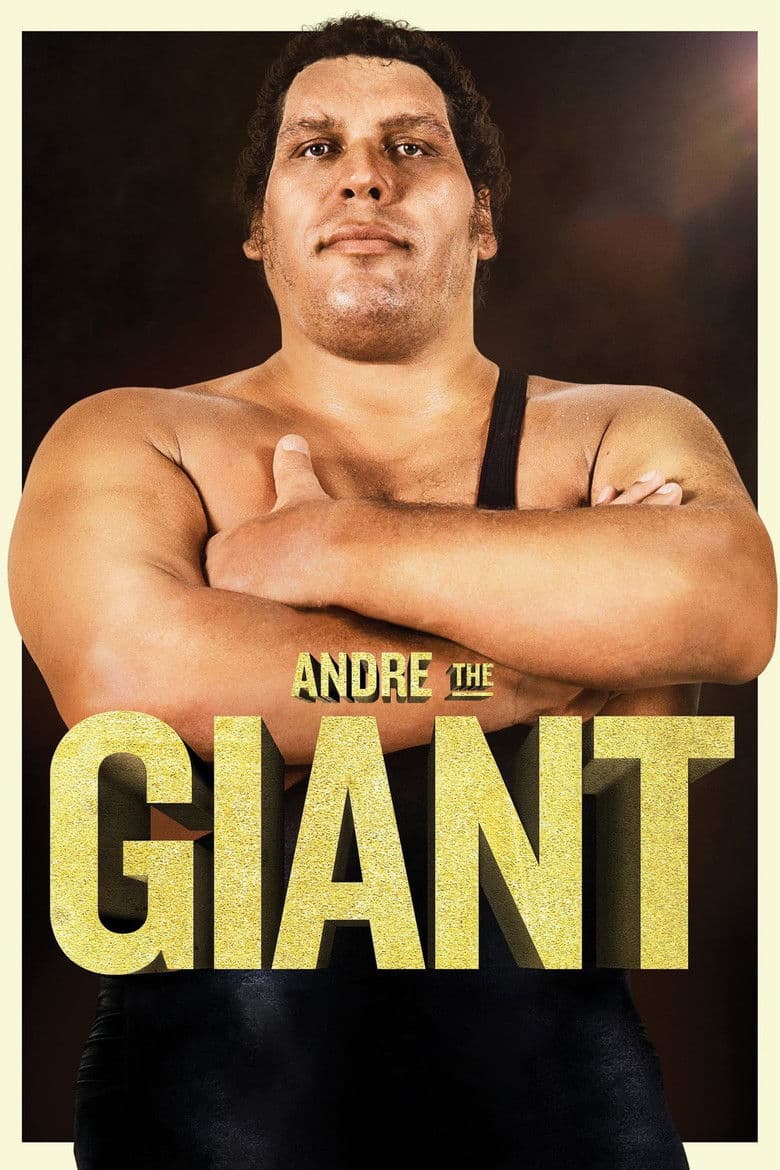
Movie · 2018
An ambitious and wide-ranging documentary exploring Andre’s upbringing in France, his celebrated career in WWE, and his forays in the entertainment world.
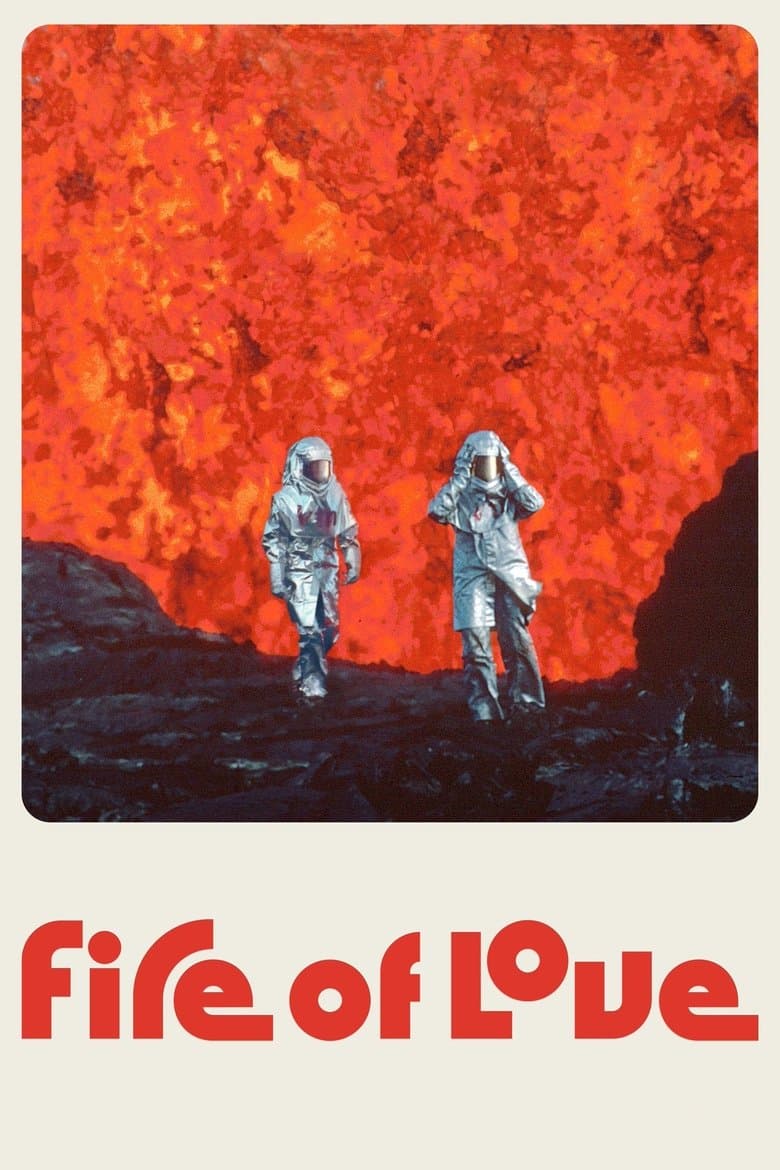
Movie · 2022
A doomed love triangle between intrepid French scientists Katia and Maurice Krafft, and their beloved volcanoes.
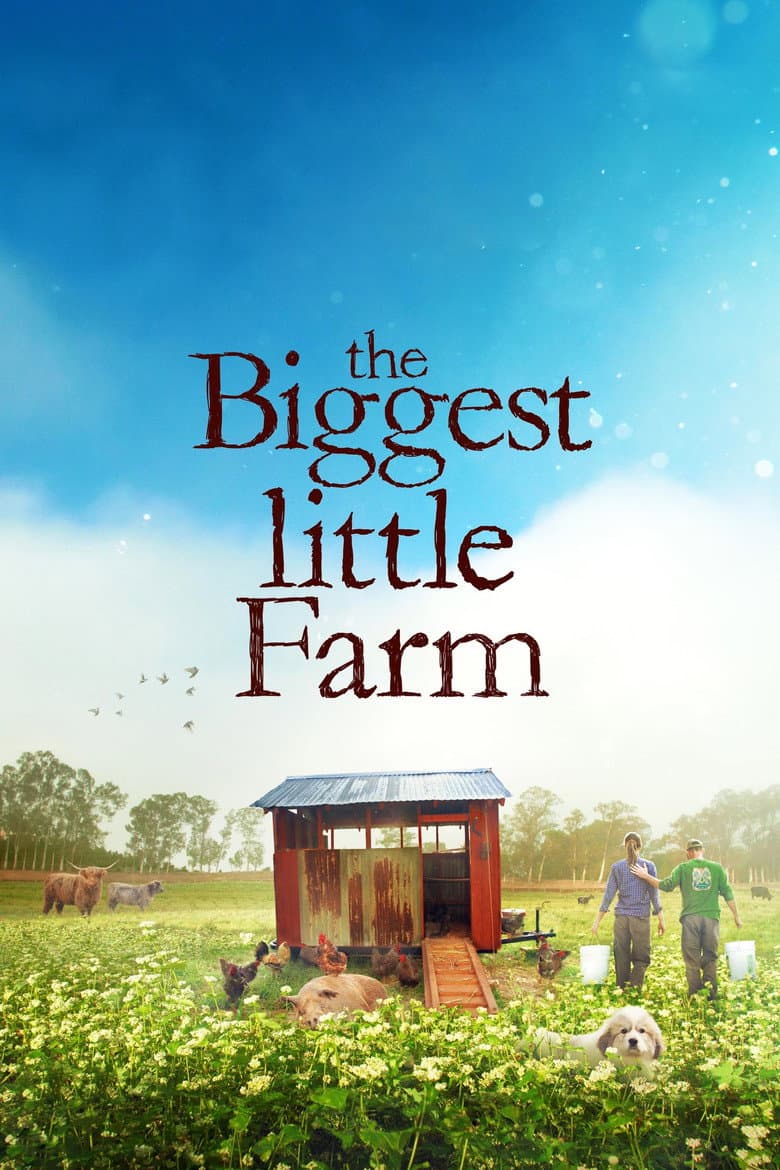
Movie · 2019
The successes and failures of a couple determined to live in harmony with nature on a farm outside of Los Angeles are lovingly chronicled by filmmaking farmer John Chester, in…
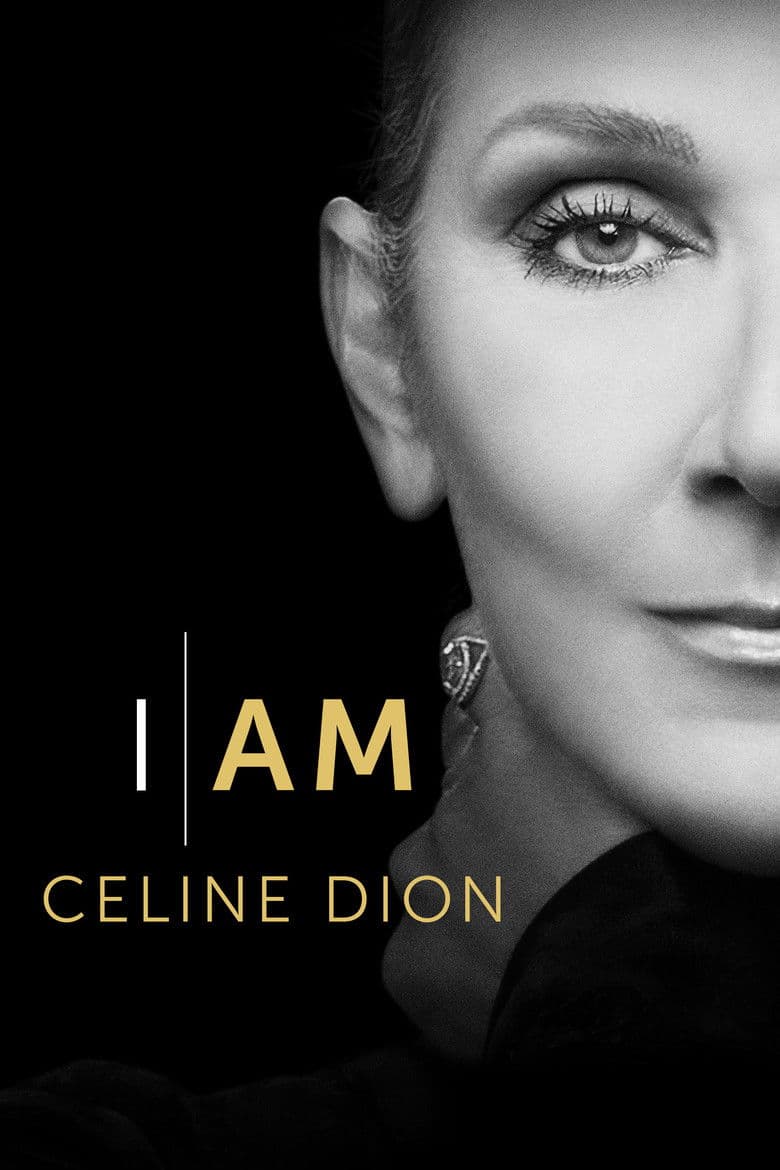
Movie · 2024
A raw and honest behind-the-scenes look at the iconic superstar's struggle with a life-altering illness. Serving as a love letter to her fans, this inspirational documentary…
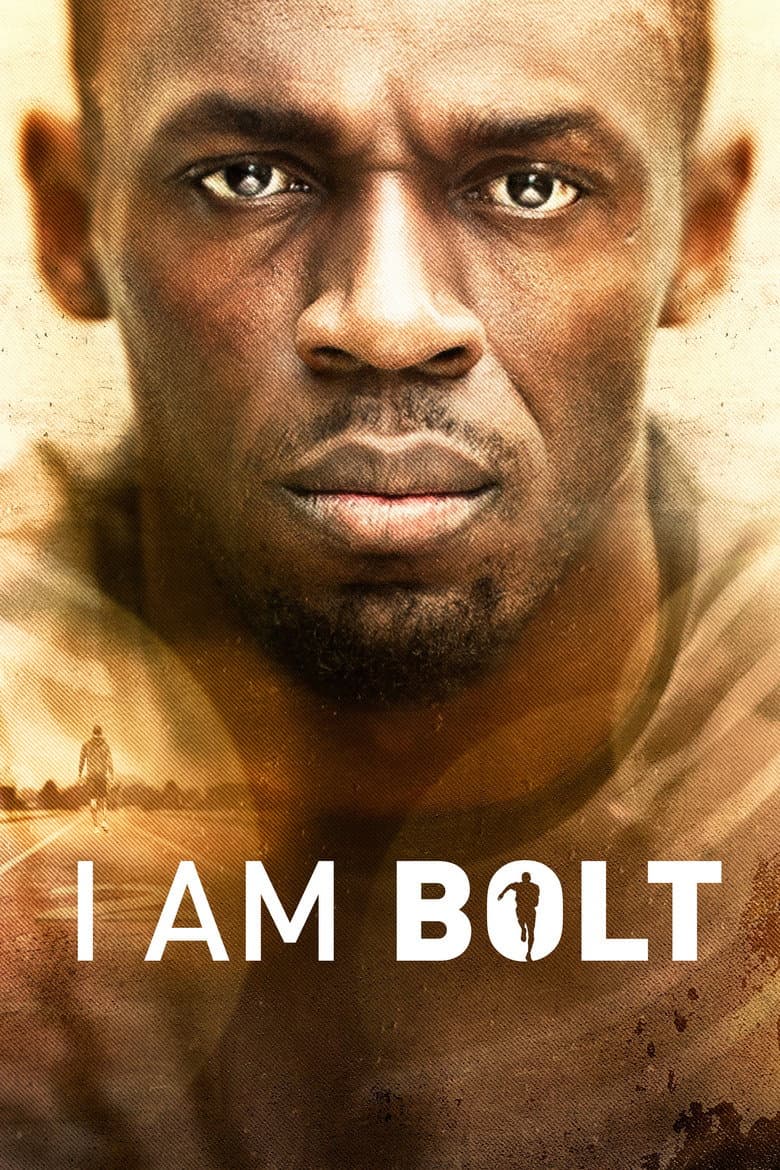
Movie · 2016
Fully authorized, access-all-areas feature doc on the hugely charismatic and globally adored Usain Bolt – officially the fastest man alive.
