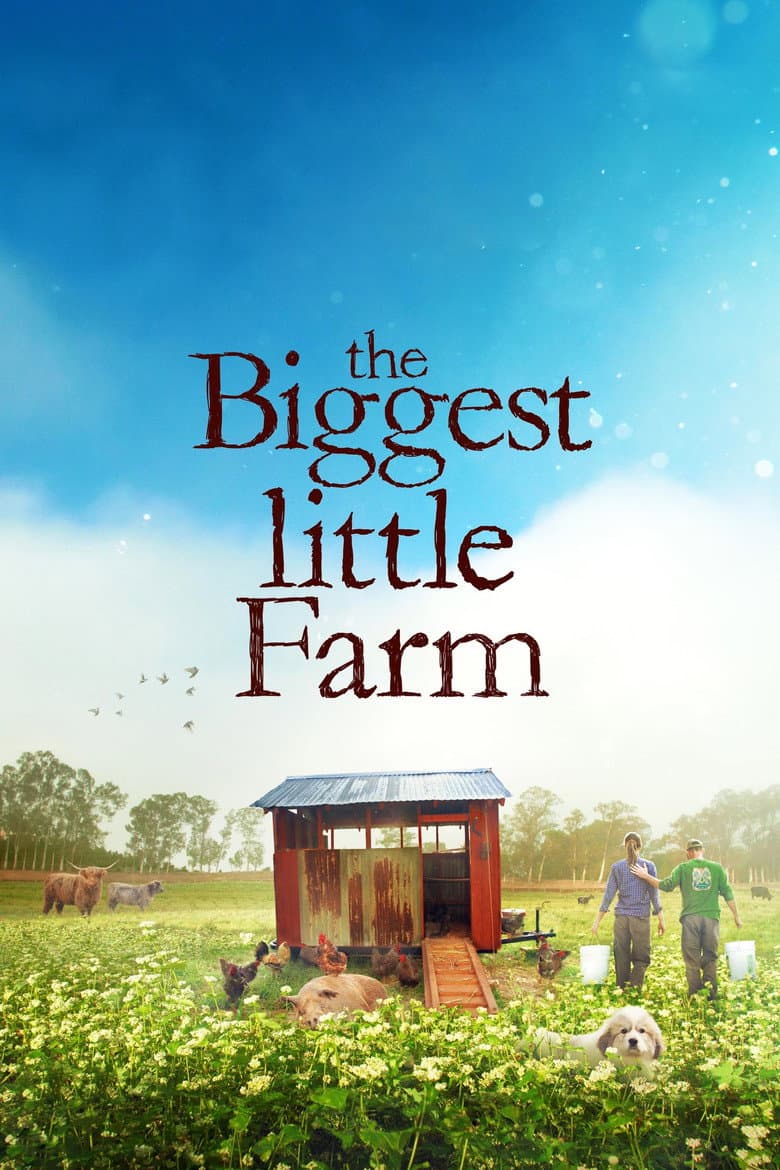
Filmmaker John Chester and his wife, Molly, leave their apartment in Los Angeles after their rescue dog, Todd, cannot stay there because of his barking. They buy a large piece of damaged land near Moorpark, California, and try to turn it into a working farm. The couple grows fruit and raises chickens, ducks, sheep, cows, and pigs while they rebuild the soil and water systems. The film follows almost a decade of hard work, animal births and deaths, pests, drought, wildfires, and painful choices about how to protect the farm.
The story presents a farm filled with many kinds of life as the answer to many farm problems, because plants, insects, birds, and animals can support one another. The couple tries to work with nature instead of using heavy chemicals or killing every predator, even when that choice costs them crops and livestock. John’s narration treats the farm as a lesson in patience, care, and human responsibility toward the land. The tone is warm, hopeful, and sometimes very emotional, with beautiful nature images and a strong belief that small changes can help repair damaged natural systems.
Community feedback
Was our 7% Woke rating accurate?
Breakdown
These are the editorial factors and ratings behind our score for The Biggest Little Farm.
Woke representation / casting
Not present. The film follows real people, not a cast chosen to show identity groups. John and Molly Chester are the actual couple at the center, and the workers are shown as part of the real farm. Their roles come from the farm story rather than a diversity message.
0%
Woke political dialogue
The narration supports farming that rebuilds soil and uses fewer chemicals. Those ideas give the film a mild environmental activist message. The film does not use identity, gender, DEI, or party-political language.
2%
Identity-driven story themes
Not present. The story centers on soil, animals, farming, and the couple’s work. It does not make race, sex, sexuality, or representation part of the conflict.
0%
Western institutional / cultural critique
The film contrasts its soil-friendly farm with pesticide-heavy industrial agriculture. It treats damaged soil and climate pressure as results of harmful farming choices. The film offers a local example instead of attacking Western institutions, religion, men, families, or traditional social roles.
4%
Woke character or canon changes
Not relevant. This is a nonfiction story about a real couple and their farm. It does not change an established character, source story, or historical figure.
0%
Anti-woke backlash and complaints
Not present. The searched complaints focus on money, missing farm-worker details, and a polished or promotional feel. No clear complaint says the film pushes DEI, identity politics, or left-wing messaging.
0%
Creator track record context
John Chester has a long record of environmental storytelling and regenerative farming work. Laurie Lennard has a stronger environmental activist record, while Mark Monroe, Erica Messer, and Sandra Keats have little public evidence of identity-focused activism. The film matches that environmental pattern, but it does not show a strong race, gender, queer, or DEI focus.
18%
Production
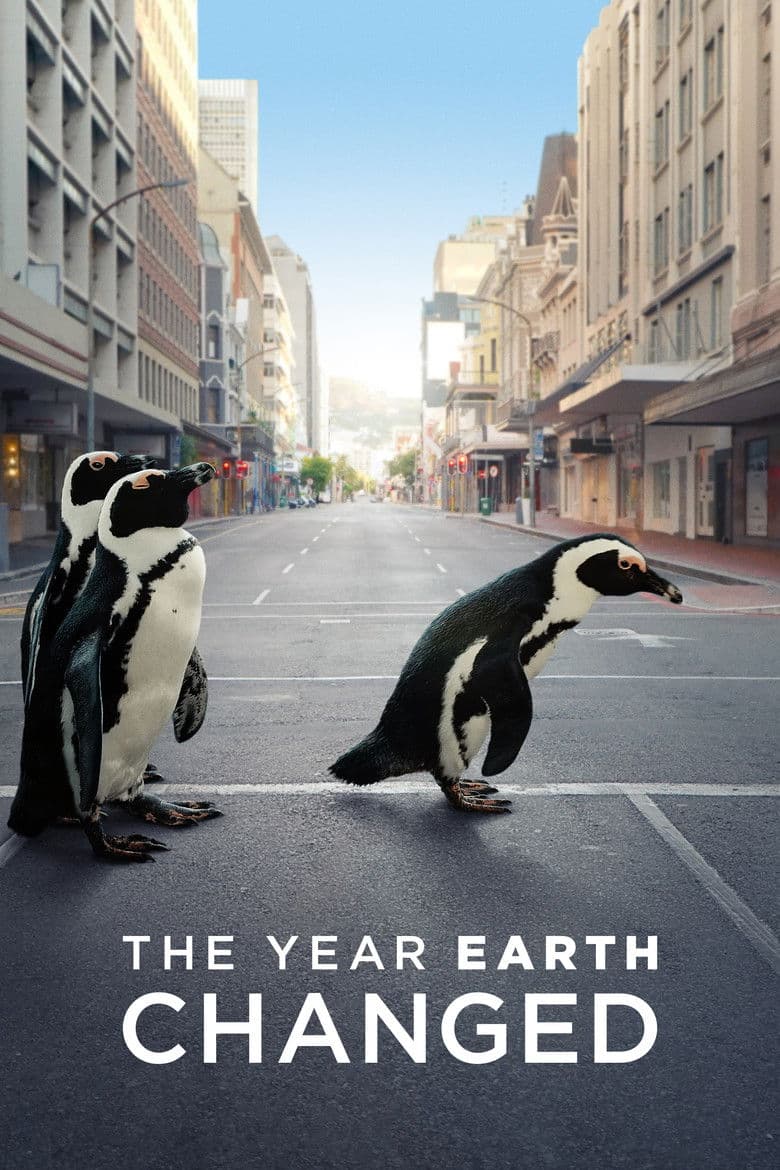
Movie · 2021
Never-before-seen footage shows how our living in lockdown opened the door for nature to bounce back and thrive.
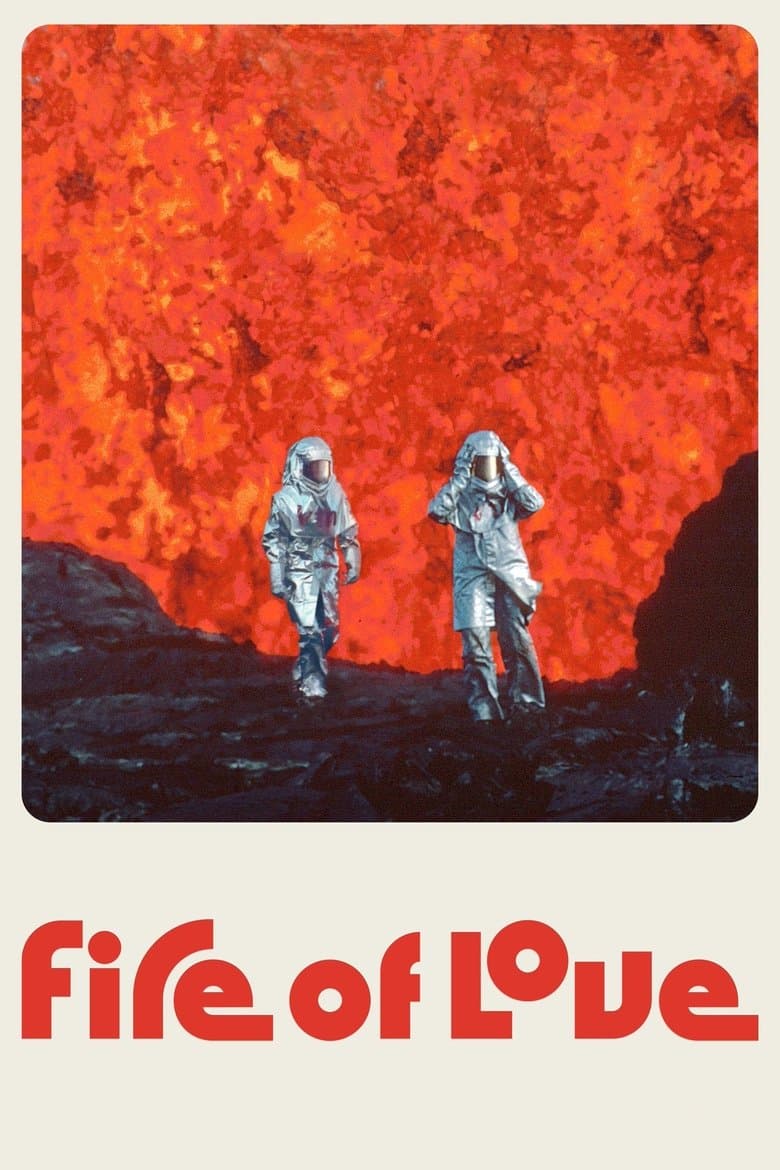
Movie · 2022
A doomed love triangle between intrepid French scientists Katia and Maurice Krafft, and their beloved volcanoes.
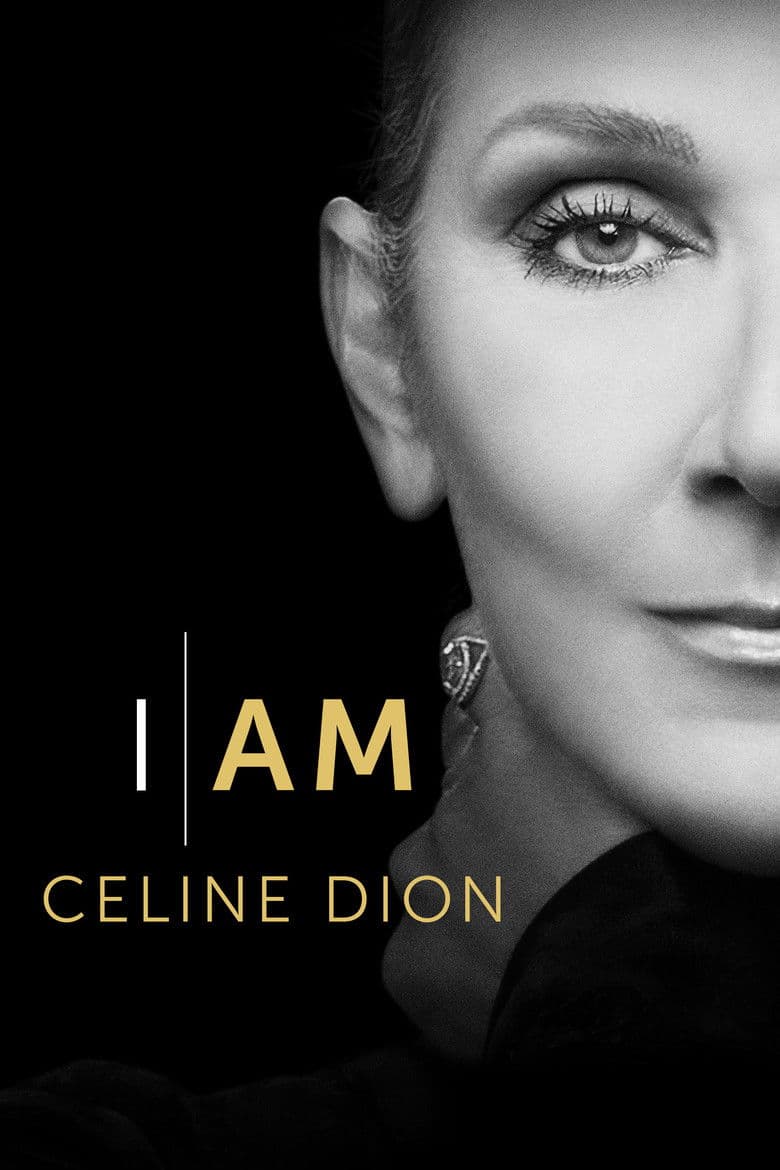
Movie · 2024
A raw and honest behind-the-scenes look at the iconic superstar's struggle with a life-altering illness. Serving as a love letter to her fans, this inspirational documentary…
Movie · 2020
A documentary on the last remaining Blockbuster Video in Bend, Oregon.
Movie · 2017
The ancient Chinese game of Go has long been considered a grand challenge for artificial intelligence. Yet in 2016, Google's DeepMind team announced that they would be taking on…

Movie · 2022
Using unprecedented Olympic footage and behind-the-scenes material, The Redeem Team tells the story of the US Olympic Men's Basketball Team’s quest for gold at the 2008 Olympic…
Movie · 2018
A behind-the-scenes documentary about the recording of Aretha Franklin's best-selling album finally sees the light of day more than four decades after the original footage was…
Movie · 2018
An ambitious and wide-ranging documentary exploring Andre’s upbringing in France, his celebrated career in WWE, and his forays in the entertainment world.
