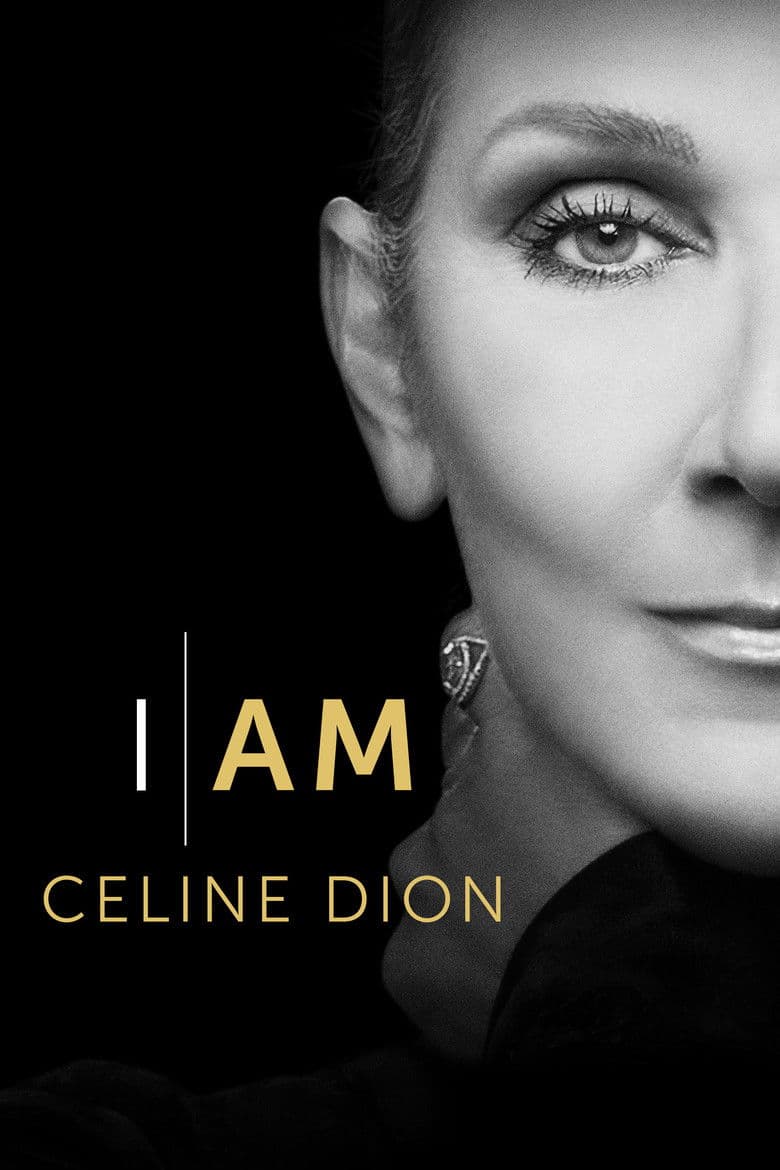
I Am: Celine Dion follows the Canadian singer during a hard period in her life. She lives with stiff person syndrome, a rare illness that causes painful muscle spasms and makes singing and walking difficult. The film moves between her home in Las Vegas, medical treatment, old concert footage, and recording sessions. Its mood is sad and honest, but Dion also uses jokes, music, and family moments to keep the film warm.
The main story is about a famous performer trying to understand who she is when her voice no longer works as it once did. Dion talks about raising her three sons after the death of her husband, René Angélil, and about the pressure she felt to keep working. The film shows her medicine, physical therapy, two frightening health crises, and a difficult attempt to record a song. It presents family love, teamwork, trust in music, and the choice to keep trying as its main ideas.
Community feedback
Was our 4% Woke rating accurate?
Breakdown
These are the editorial factors and ratings behind our score for I Am: Celine Dion.
Woke representation / casting
Not present. The film centers the real Celine Dion and real people in her life, so it does not use a fictional casting pattern or a representation-focused ensemble.
0%
Woke political dialogue
Not present. Dion talks about illness, music, family, work, and fans rather than political causes or current identity debates.
0%
Identity-driven story themes
Not present. The film treats stiff person syndrome as Dion’s personal medical crisis and does not turn it into an activist identity or social campaign. Its message is about family, music, treatment, and perseverance.
0%
Western institutional / cultural critique
Not present. The film does not attack men, family life, religion, capitalism, or Western institutions. It shows Dion’s care team and family as support.
0%
Woke character or canon changes
Not relevant. The film is a documentary about the real singer and does not change a known character, source story, or historical event.
0%
Anti-woke backlash and complaints
Not present. Reviewed public reaction was about Dion’s illness, emotional scenes, and career, not woke or DEI messaging.
0%
Creator track record context
The supplied creator record gives Irene Taylor a 30/100 score for deafness and access work. Julie Begey Seureau, Stacy Lorts, and Shane Carter have milder links to gender, disability, queer, and Indigenous or Black artist projects. Most other supplied producers score 0 or 1. This gives the film a mild creator track record context signal, while the film itself stays focused on Dion’s health and music.
18%
Production
Movie · 2016
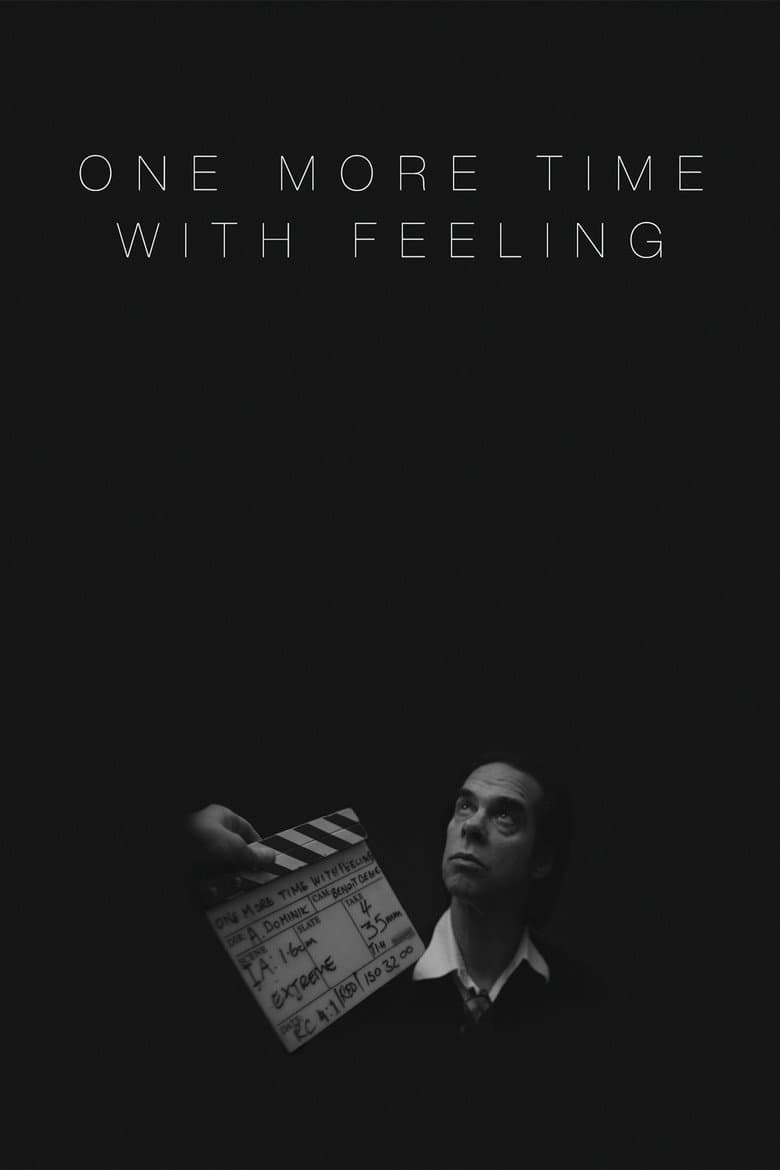
Andrew Dominik's One More Time With Feeling is a remarkable black and white documentary which chronicles the creation of Nick Cave & The Bad Seeds' album Skeleton Tree.
Movie · 2017
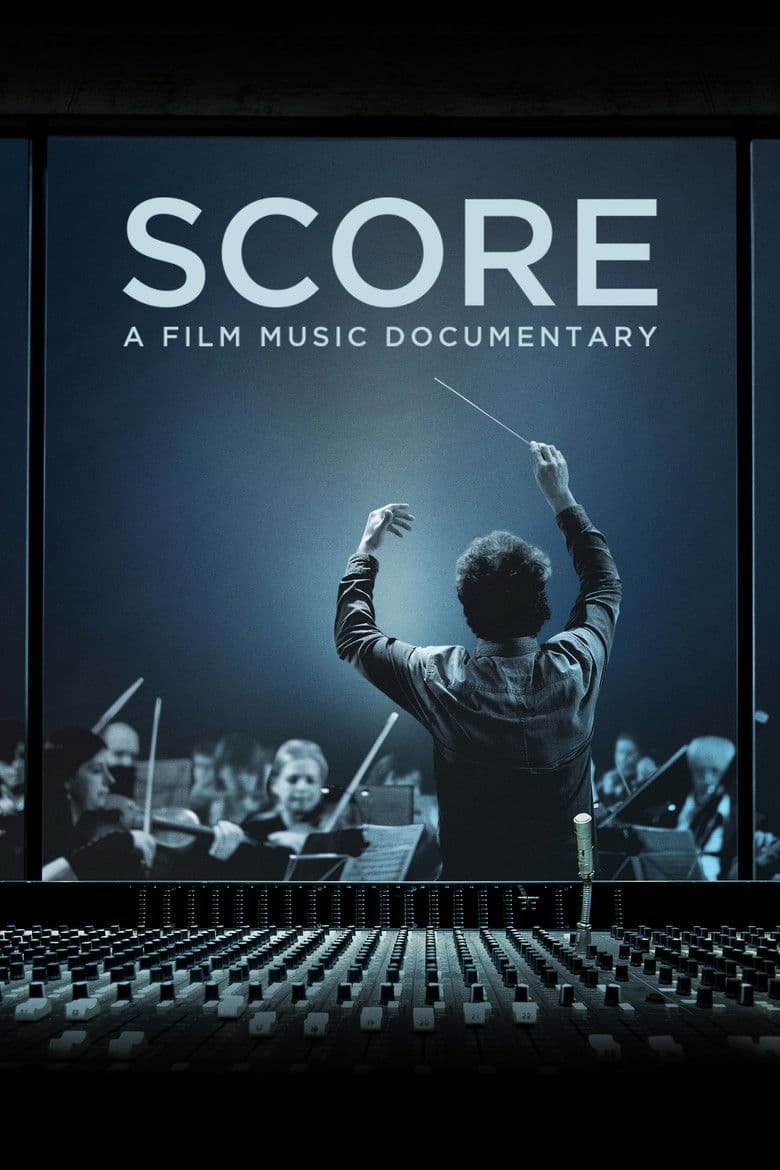
Music is an integral part of most films, adding emotion and nuance while often remaining invisible to audiences.

Movie · 2019
He promised supermodels and yachts, but delivered tents and cheese sandwiches. How one man engineered a music festival disaster.
Movie · 2018
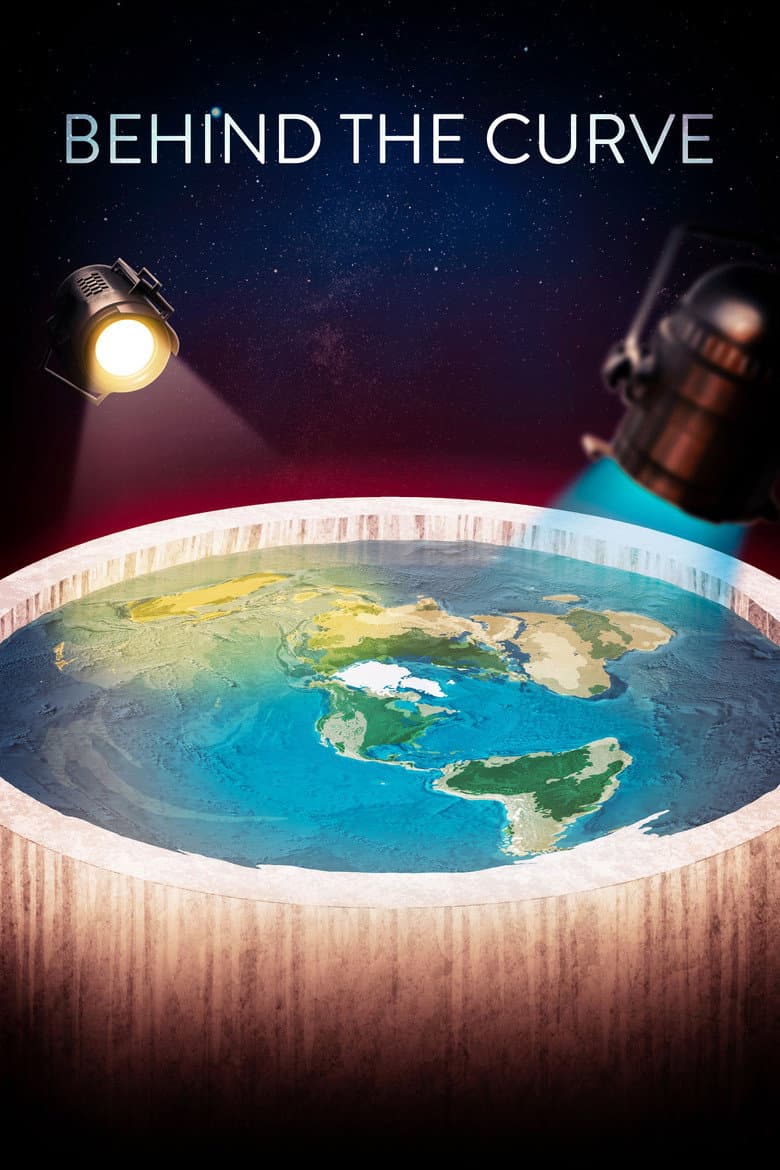
Meet the growing, worldwide community of theorists who defend the belief that the Earth is flat while living in a society who vehemently rejects it.
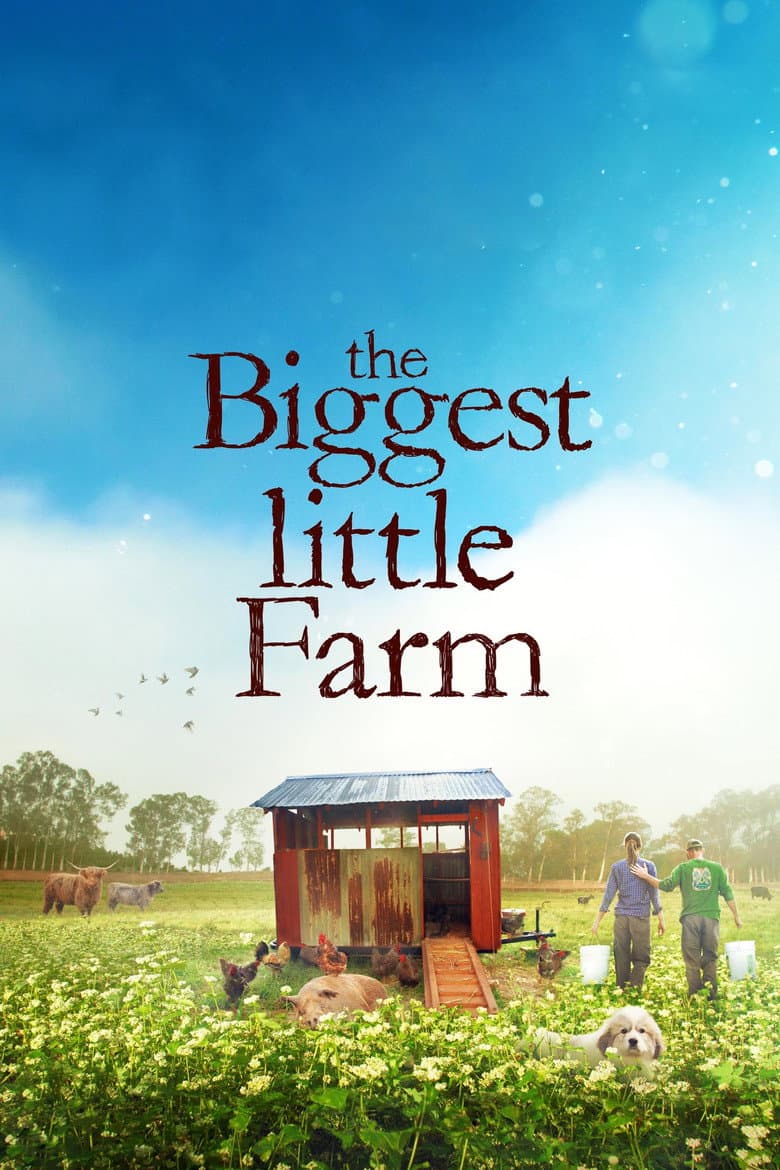
Movie · 2019
The successes and failures of a couple determined to live in harmony with nature on a farm outside of Los Angeles are lovingly chronicled by filmmaking farmer John Chester, in…
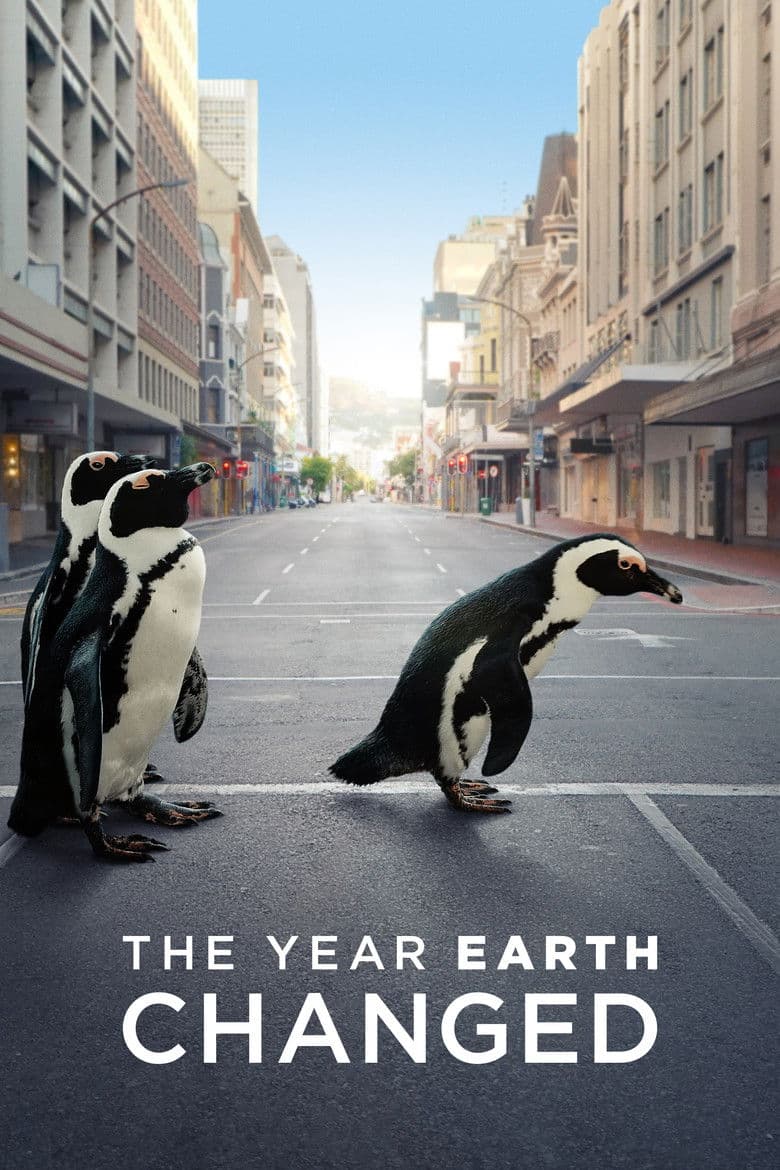
Movie · 2021
Never-before-seen footage shows how our living in lockdown opened the door for nature to bounce back and thrive.
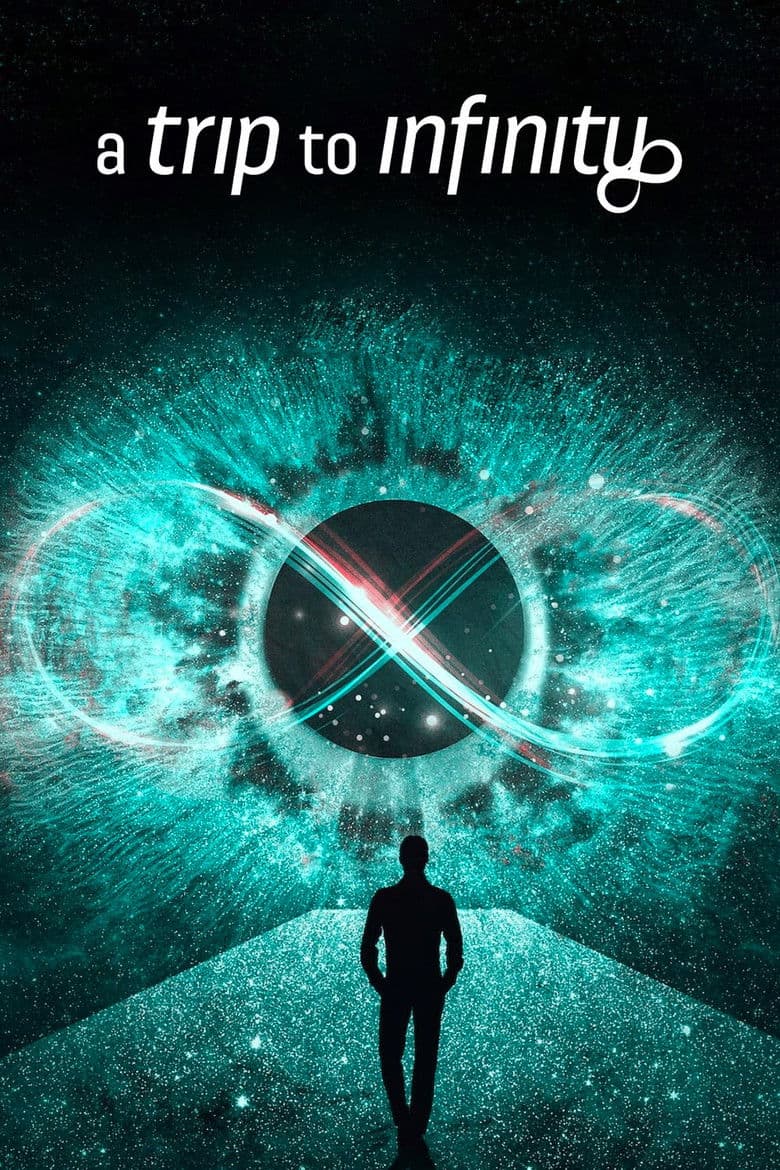
Movie · 2022
Does infinity exist? Can we experience the Infinite? In an animated film (created by artists from 10 countries) the world's most cutting-edge scientists and mathematicians go in…
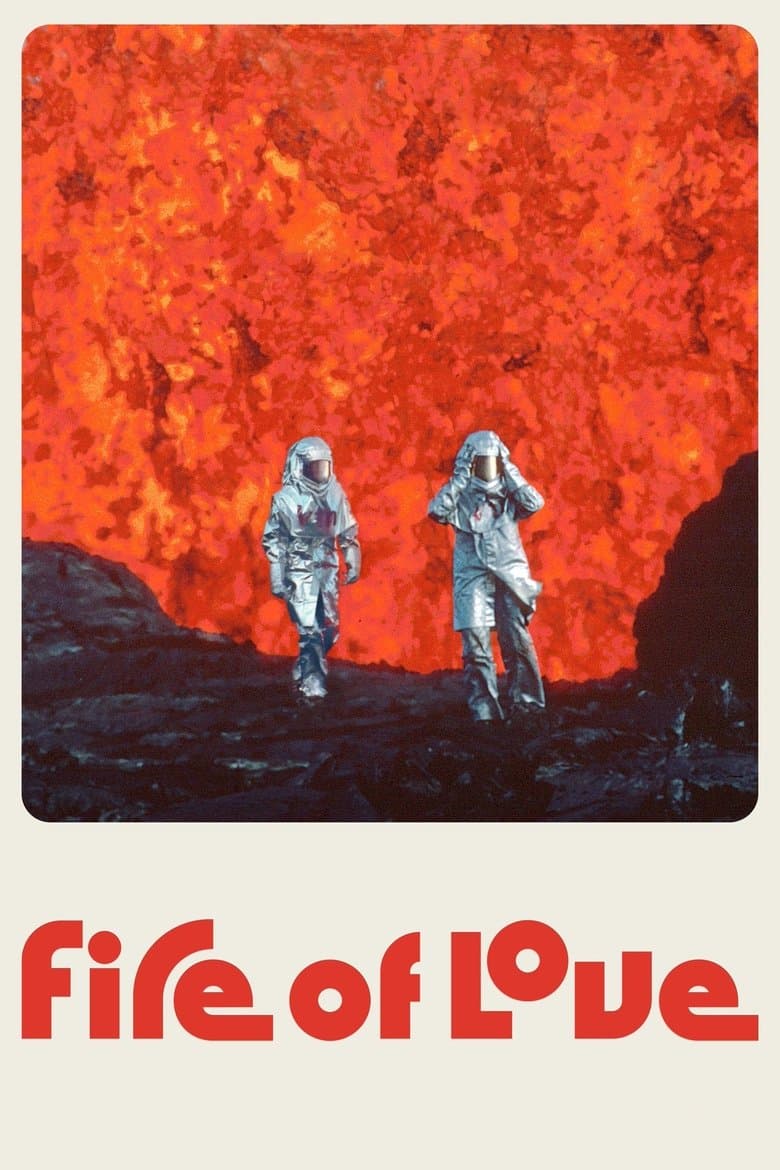
Movie · 2022
A doomed love triangle between intrepid French scientists Katia and Maurice Krafft, and their beloved volcanoes.
