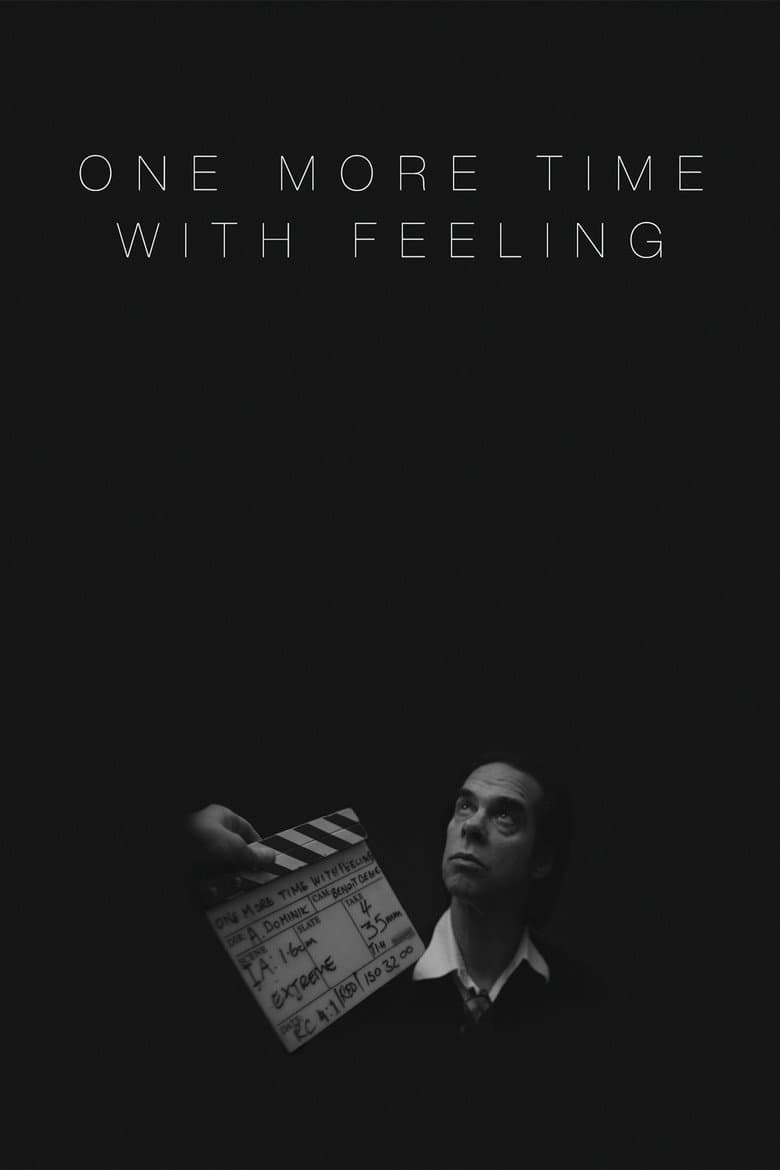
Nick Cave leads this documentary as he records an album with the Bad Seeds in London and Brighton. He is trying to finish the music after his 15-year-old son Arthur dies in a cliff fall. His wife Susie, bandmate Warren Ellis, and the other musicians share parts of the story. The film moves from the studio to the Cave home and then back to live music. Cave’s private thoughts make the tone dark, quiet, and deeply sad.
The film centers on grief and family love. It also examines faith, memory, and the struggle to make art after a terrible loss. Cave questions whether stories can explain real life, while the film shows a father and mother trying to live with pain. The band’s work becomes a way to face a changed life, but the film gives no easy answer or happy ending. The closing use of Arthur’s voice makes the work feel like a family memorial.
Community feedback
Was our 4% Woke rating accurate?
Breakdown
These are the editorial factors and ratings behind our score for One More Time with Feeling.
Woke representation / casting
Not present. The film follows Nick Cave, his family, and the Bad Seeds as themselves. The participants are not framed as a diversity or identity statement.
0%
Woke political dialogue
Not present. The spoken material centers on grief, music, memory, faith, and the press. It contains no clear modern DEI, gender, or activist message.
0%
Identity-driven story themes
Not present. The central subject is Cave’s personal grief after Arthur’s death. The film does not turn that loss into a modern identity or group-politics story.
0%
Western institutional / cultural critique
Not present. Cave briefly shows anger at press coverage of Arthur’s death. That moment does not become a wider attack on Western institutions, family life, religion, or traditional social norms.
0%
Woke character or canon changes
Not relevant. This is a documentary about real people and a real recording session. It does not remake a known story or change a real person’s identity.
0%
Anti-woke backlash and complaints
Not present. The reviewed audience and news discussion centers on grief, music, and film style. No specific anti-woke complaint, boycott, or DEI backlash was found, and the supplied X pass reports no reaction.
0%
Creator track record context
Anna Smith Tenser’s known work includes support for gender equity and female-led projects. James Wilson’s known record includes Gaza-focused film advocacy and broader humanitarian politics. Andrew Dominik’s profile is mainly artistic and psychological, with a stored score of 26/100. Most other listed producers have low or neutral stored scores. This gives the film some background context, but the film itself is not framed around those causes.
18%
Production
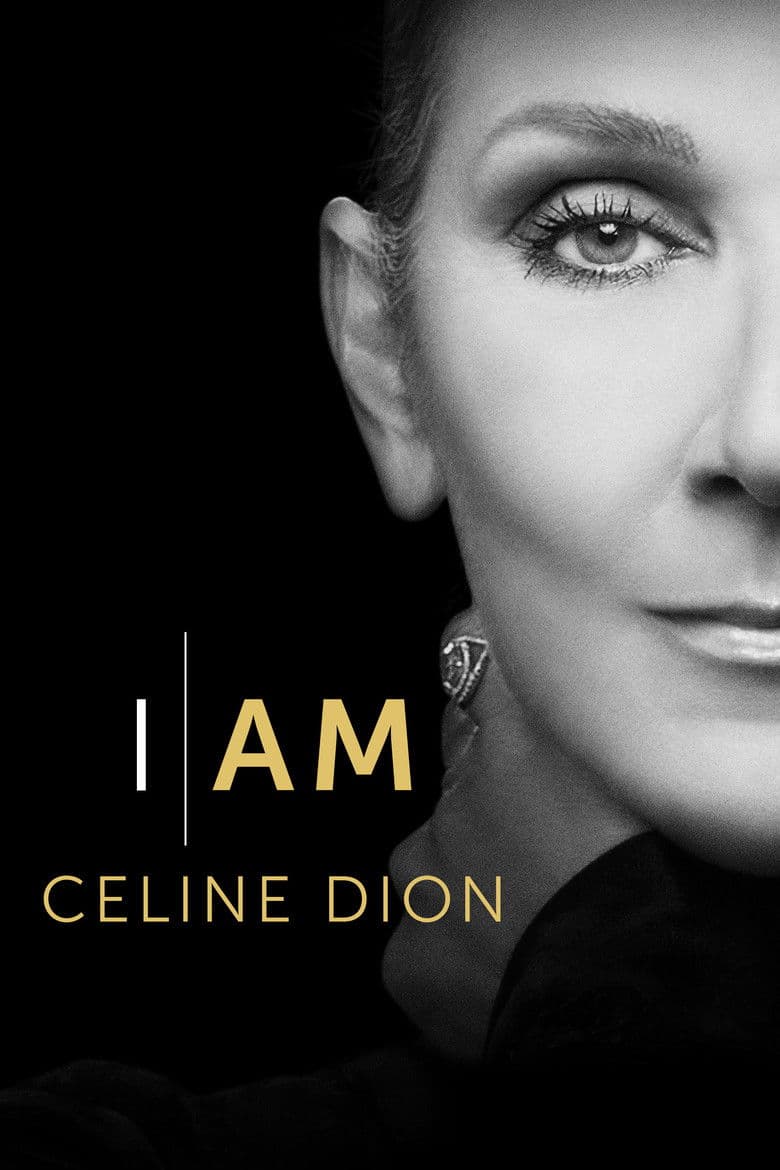
Movie · 2024
A raw and honest behind-the-scenes look at the iconic superstar's struggle with a life-altering illness. Serving as a love letter to her fans, this inspirational documentary…
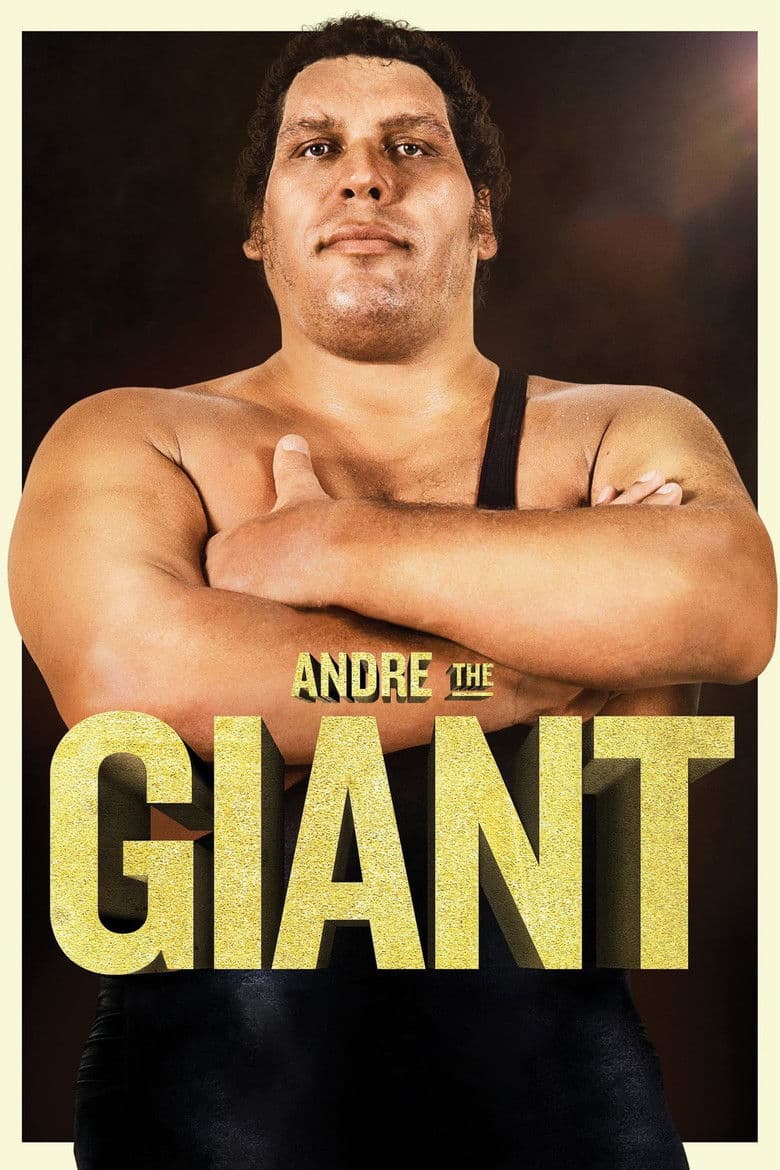
Movie · 2018
An ambitious and wide-ranging documentary exploring Andre’s upbringing in France, his celebrated career in WWE, and his forays in the entertainment world.

Movie · 2019
He promised supermodels and yachts, but delivered tents and cheese sandwiches. How one man engineered a music festival disaster.
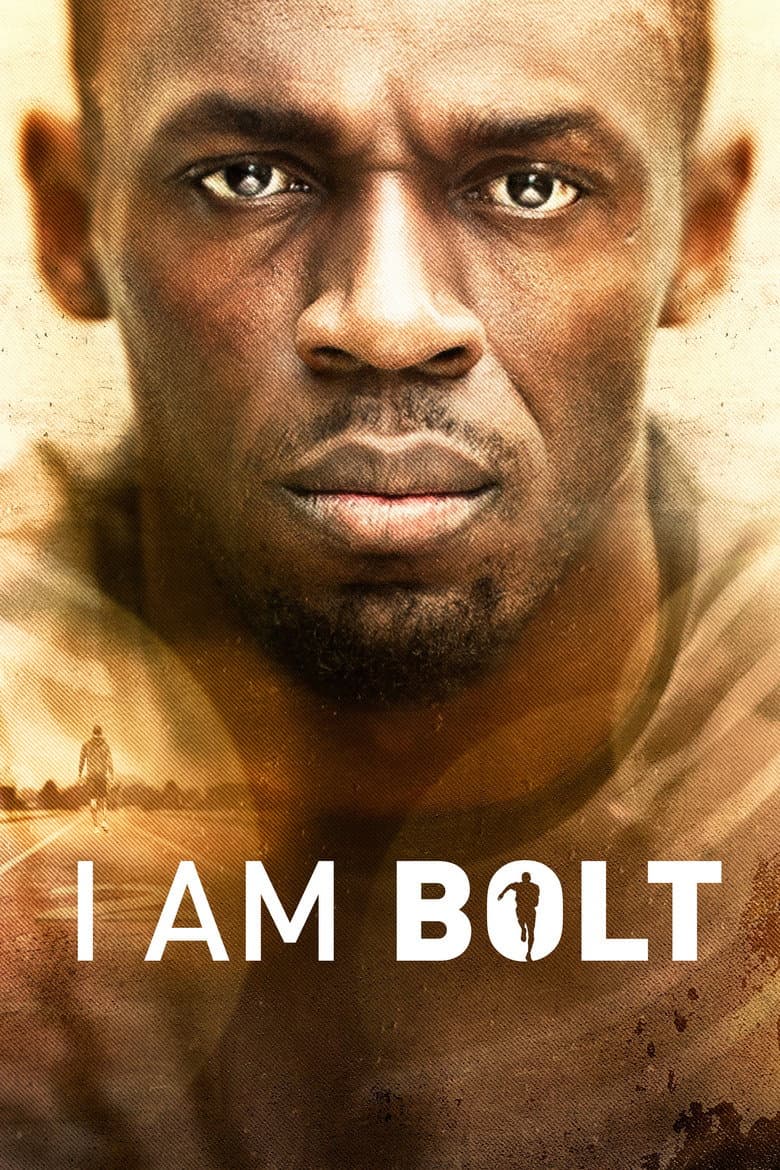
Movie · 2016
Fully authorized, access-all-areas feature doc on the hugely charismatic and globally adored Usain Bolt – officially the fastest man alive.

Movie · 2017
The ancient Chinese game of Go has long been considered a grand challenge for artificial intelligence. Yet in 2016, Google's DeepMind team announced that they would be taking on…
Movie · 2022
Cat experts dive into the mind of the feline to reveal the true capabilities of the pouncing pet in this captivating and cuddly documentary.
Movie · 2020
A documentary on the last remaining Blockbuster Video in Bend, Oregon.
Movie · 2022
A doomed love triangle between intrepid French scientists Katia and Maurice Krafft, and their beloved volcanoes.
