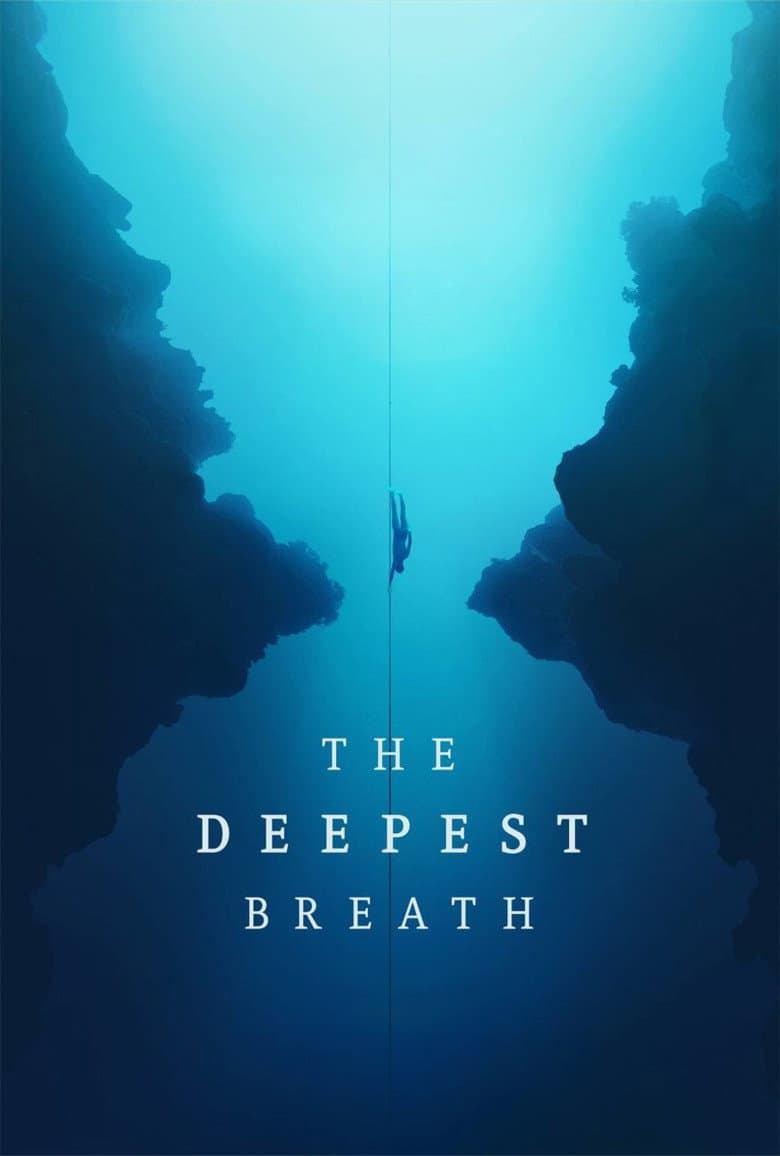
The Deepest Breath follows Alessia Zecchini, an Italian champion who dives hundreds of feet on one breath. She meets Stephen Keenan, an Irish safety diver who helps athletes return from the deep, in Dahab, Egypt. Together they train for a dangerous record attempt through the Blue Hole while the film also shows their separate lives and growing love. The tone is beautiful, tense, and sad because every dive can bring injury or death.
The film gives clear attention to women in a sport once shown through mostly male groups. It highlights Alessia's start in an all-male class, her ban from official events as a young teen, and her race to beat records set by women such as Natalia Molchanova. It also shows Japanese diver Hanako Hirose as a serious rival. These details create a mild female-achievement and representation angle, but they come from real sports history and never take over the story, which stays focused on risk, love, grief, and personal drive.
Community feedback
Was our 22% Woke rating accurate?
Breakdown
These are the editorial factors and ratings behind our score for The Deepest Breath.
Woke representation / casting
Not present. The film follows real divers who appear as themselves. Their sex and national backgrounds come from their real lives, not a casting plan.
0%
Woke political dialogue
Not present. The film uses words such as “all men,” “female,” and “world record” to describe real sports history. It does not give a modern identity, DEI, or activist speech.
0%
Identity-driven story themes
The film repeatedly highlights women reaching major freediving records. It follows Alessia from an all-male class to a leading place in the sport, and it presents Natalia and Hanako as important female rivals or role models. This creates a noticeable female-achievement angle. Stephen remains a central skilled partner.
25%
Western institutional / cultural critique
The film briefly mentions that a female diver was judged online for her looks and physical ability. It also shows that Alessia began in an all-male class and could not enter official events while under 18. These details point to social limits around women in sport, but the film does not build a wider attack on men, family life, religion, or Western institutions.
12%
Woke character or canon changes
Not relevant. The film is a documentary about real people and does not recast a fictional character or change a real person's identity or role.
0%
Anti-woke backlash and complaints
Not present. No qualifying backlash found. The X research pass found no anti-woke posts, boycott talk, or review-bombing. Other coverage focused on praise, safety questions, editing complaints, or Netflix's timing during the Titan submersible tragedy, not woke or identity politics.
0%
Creator track record context
Laura McGann has a history of following women and unusual communities, but her public interviews stress observation rather than a fixed political message. Ben Cotner and Marissa Ericson have stronger links to LGBTQ, racial justice, and social-justice documentaries. The other producers have broad factual careers with little public identity activism. This gives the project some social-justice context, but it is not a dominant creator brand.
28%
Production
Movie · 2018
An ambitious and wide-ranging documentary exploring Andre’s upbringing in France, his celebrated career in WWE, and his forays in the entertainment world.
Movie · 2024
A raw and honest behind-the-scenes look at the iconic superstar's struggle with a life-altering illness. Serving as a love letter to her fans, this inspirational documentary…
Movie · 2022
Cat experts dive into the mind of the feline to reveal the true capabilities of the pouncing pet in this captivating and cuddly documentary.
Movie · 2022
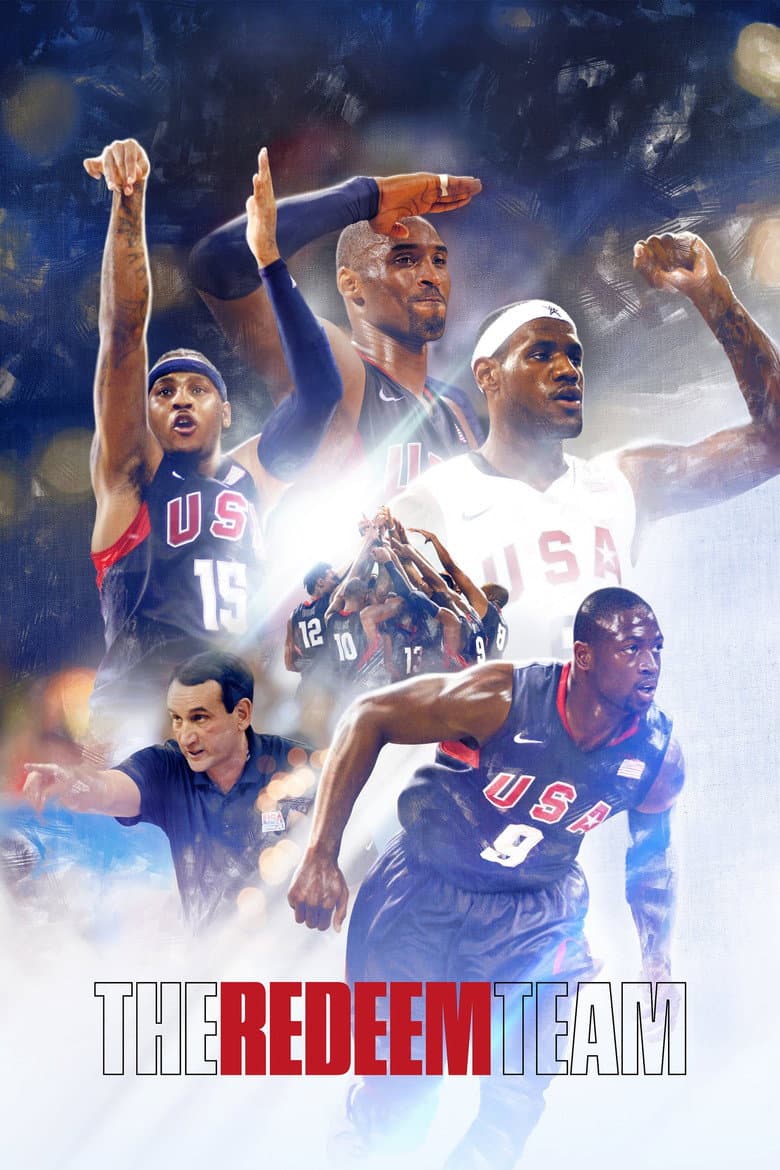
Using unprecedented Olympic footage and behind-the-scenes material, The Redeem Team tells the story of the US Olympic Men's Basketball Team’s quest for gold at the 2008 Olympic…
Movie · 2022
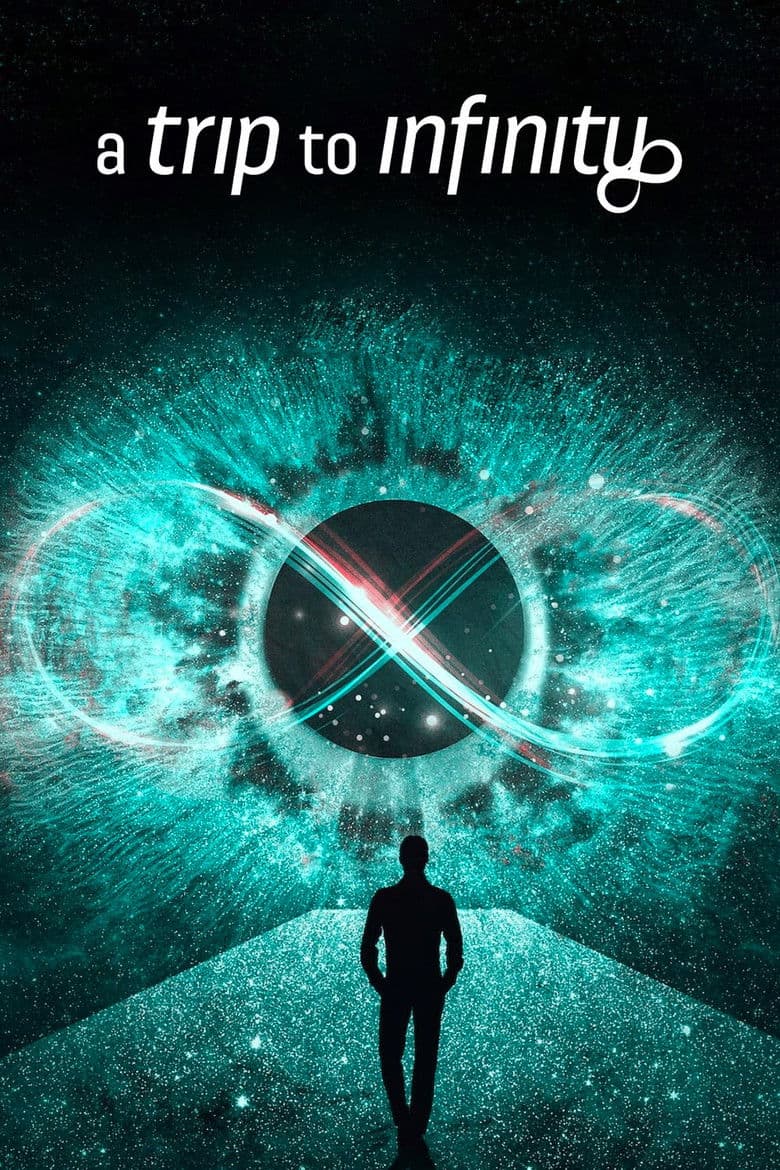
Does infinity exist? Can we experience the Infinite? In an animated film (created by artists from 10 countries) the world's most cutting-edge scientists and mathematicians go in…

Movie · 2019
He promised supermodels and yachts, but delivered tents and cheese sandwiches. How one man engineered a music festival disaster.
Movie · 2021
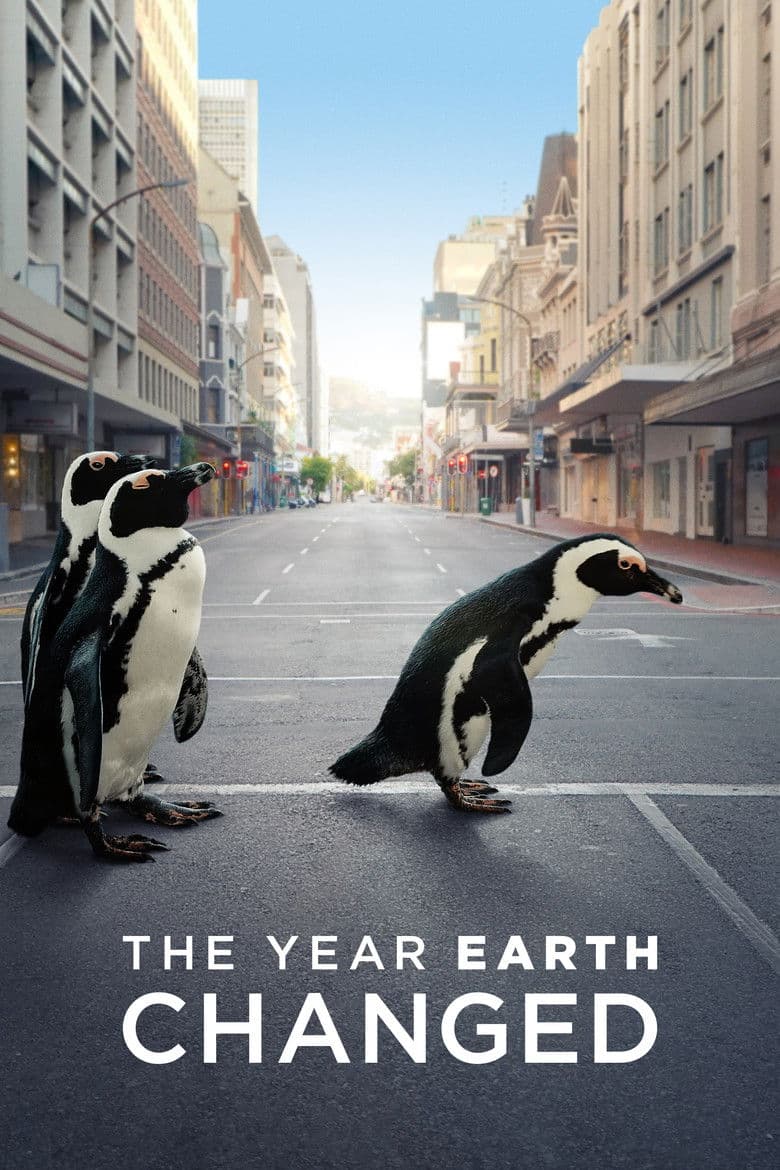
Never-before-seen footage shows how our living in lockdown opened the door for nature to bounce back and thrive.
Movie · 2022
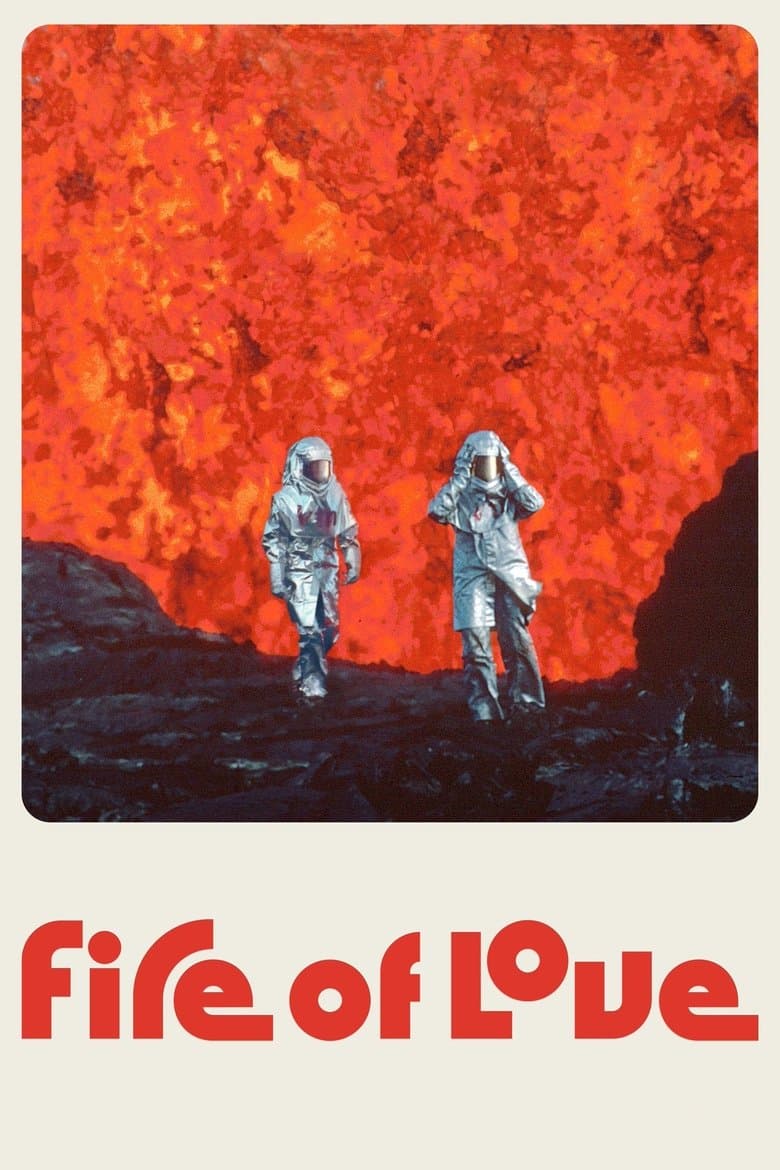
A doomed love triangle between intrepid French scientists Katia and Maurice Krafft, and their beloved volcanoes.
