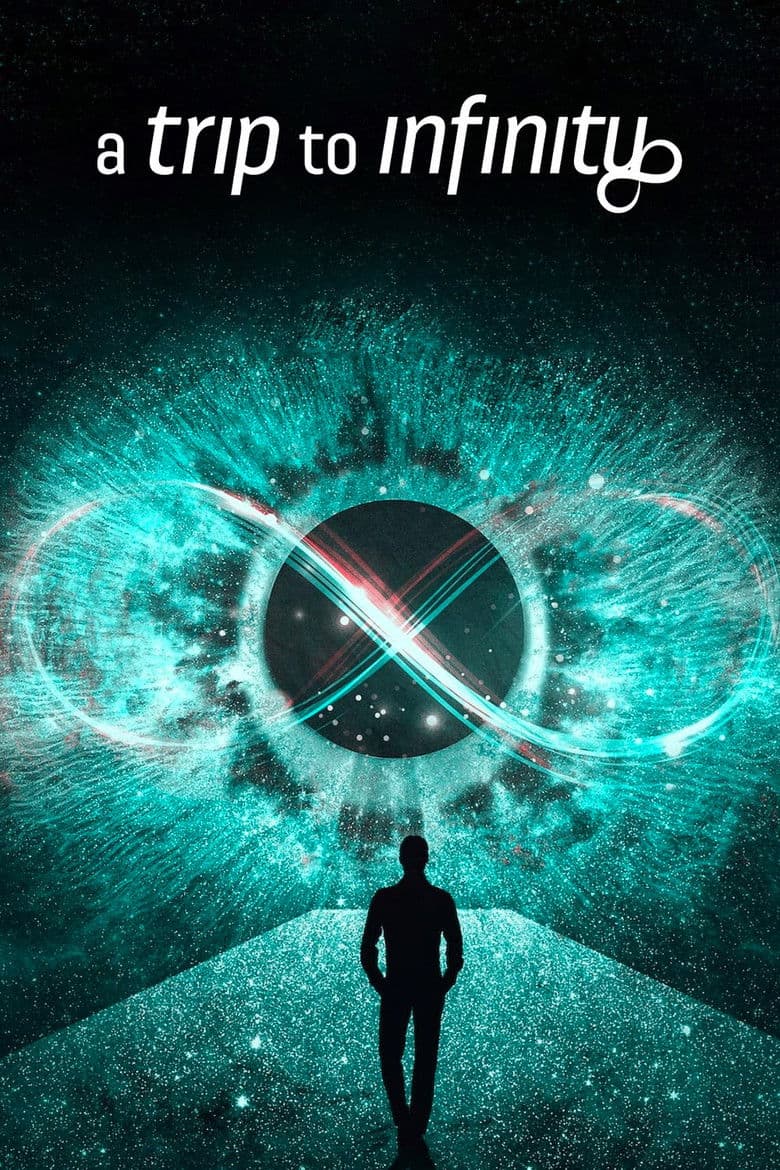
A Trip to Infinity follows a group of mathematicians, physicists, cosmologists, and philosophers as they test one huge question. The film asks whether infinity exists only as a math idea or also exists in the real universe. It starts with counting numbers and a thought experiment about a hotel that has no last room. It then moves into black holes, the shape of space, possible alternate universes, and the far end of time. The experts explain hard ideas with examples, interviews, and animated scenes made by artists from many countries, which gives the film a curious and dreamy tone that sometimes becomes serious and heavy.
The film’s clearest message is that human beings are small and temporary, yet still able to find beauty, love, meaning, and wonder in a short life. Several women experts and a black male cosmologist appear in major speaking roles, so the panel looks visibly mixed, but the film presents them as scientists chosen for their knowledge rather than as symbols of a social cause. The film does not make race, sex, sexuality, gender politics, or activism part of the conflict. Instead, it uses science, philosophy, and a loose spiritual sense of awe to face questions about reality, death, and what may lie beyond what people can measure.
Community feedback
Was our 7% Woke rating accurate?
Breakdown
These are the editorial factors and ratings behind our score for A Trip to Infinity.
Woke representation / casting
The film gives major speaking roles to several women experts, including Delilah Gates, Moon Duchin, Eugenia Cheng, Janna Levin, and Rebecca Goldstein. The film also features Black cosmologist Stephon Alexander. These choices create a visibly mixed expert panel. The film does not present their identities as the point, so the signal stays mild.
12%
Woke political dialogue
Not present. The speakers discuss mathematics, physics, philosophy, love, death, and the universe. No modern identity, DEI, gender-role, or activist lines drive the dialogue.
0%
Identity-driven story themes
Not present. The film centers on infinity, scientific questions, human limits, and wonder. It does not make race, sex, sexuality, or group identity a story theme.
0%
Western institutional / cultural critique
Not present. The film does not attack family, men, women, business, or Western institutions. Its conflicts come from nature, mortality, and the limits of knowledge.
0%
Woke character or canon changes
Not relevant. The film is a nonfiction science documentary with no established fictional characters or historical figures being recast. It makes no identity-based change to a known story.
0%
Anti-woke backlash and complaints
Not present. The supplied X research found no anti-woke complaints, boycott talk, or review-bombing. Other public comments focused on science, editing, length, and existential ideas, not DEI or identity politics.
0%
Creator track record context
Jonathan Halperin has a cached score of 14/100 and a mild background in environmental and humanitarian work. Drew Takahashi and Alex Ricciardi have cached scores of 0/100, while Sharon Titmarsh has 8/100. The film-related interview coverage focuses on math, science, animation, and public learning. This gives the title only a small creator track record signal.
6%
Production
Movie · 2016
Andrew Dominik's One More Time With Feeling is a remarkable black and white documentary which chronicles the creation of Nick Cave & The Bad Seeds' album Skeleton Tree.
Movie · 2022
A doomed love triangle between intrepid French scientists Katia and Maurice Krafft, and their beloved volcanoes.
Movie · 2016
Fully authorized, access-all-areas feature doc on the hugely charismatic and globally adored Usain Bolt – officially the fastest man alive.
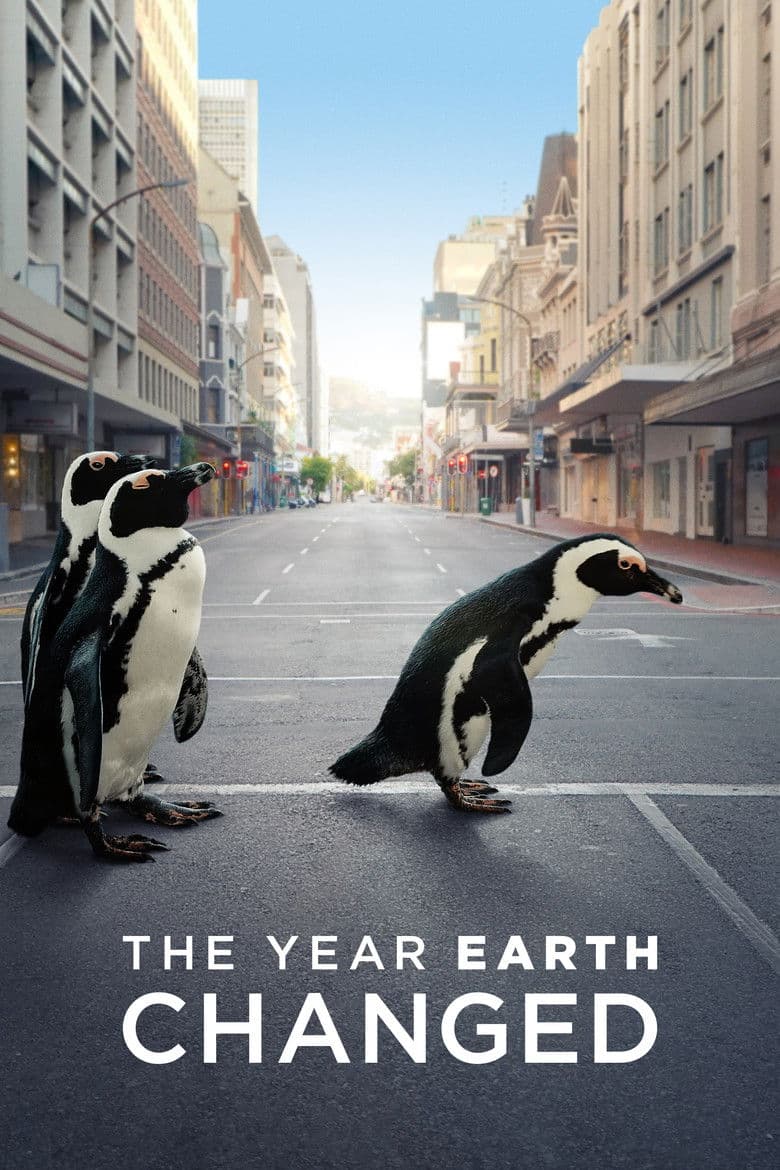
Movie · 2021
Never-before-seen footage shows how our living in lockdown opened the door for nature to bounce back and thrive.

Movie · 2019
The successes and failures of a couple determined to live in harmony with nature on a farm outside of Los Angeles are lovingly chronicled by filmmaking farmer John Chester, in…
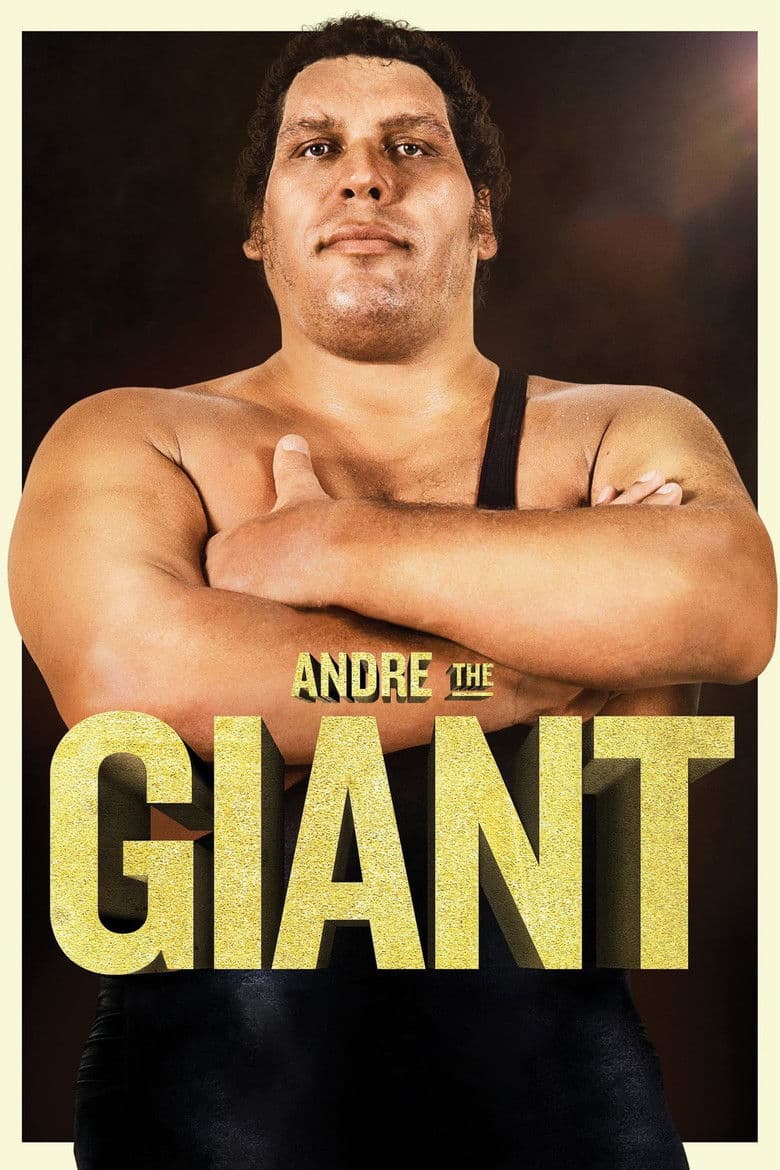
Movie · 2018
An ambitious and wide-ranging documentary exploring Andre’s upbringing in France, his celebrated career in WWE, and his forays in the entertainment world.
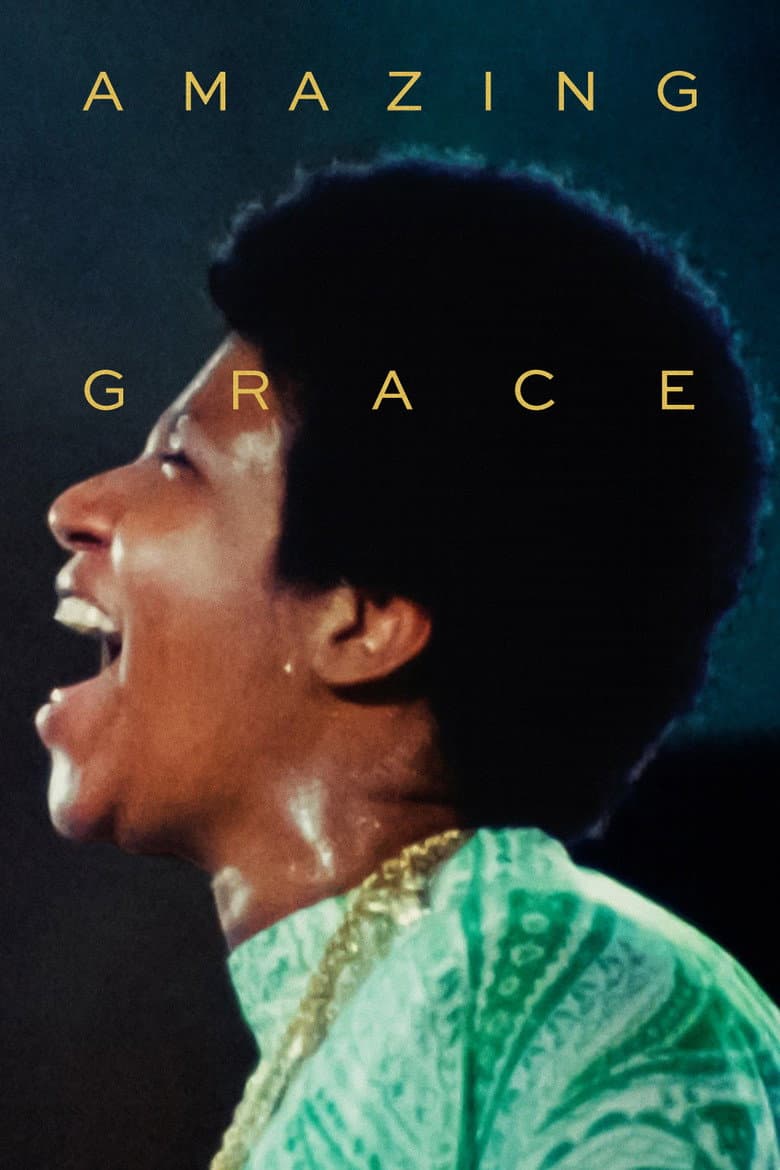
Movie · 2018
A behind-the-scenes documentary about the recording of Aretha Franklin's best-selling album finally sees the light of day more than four decades after the original footage was…
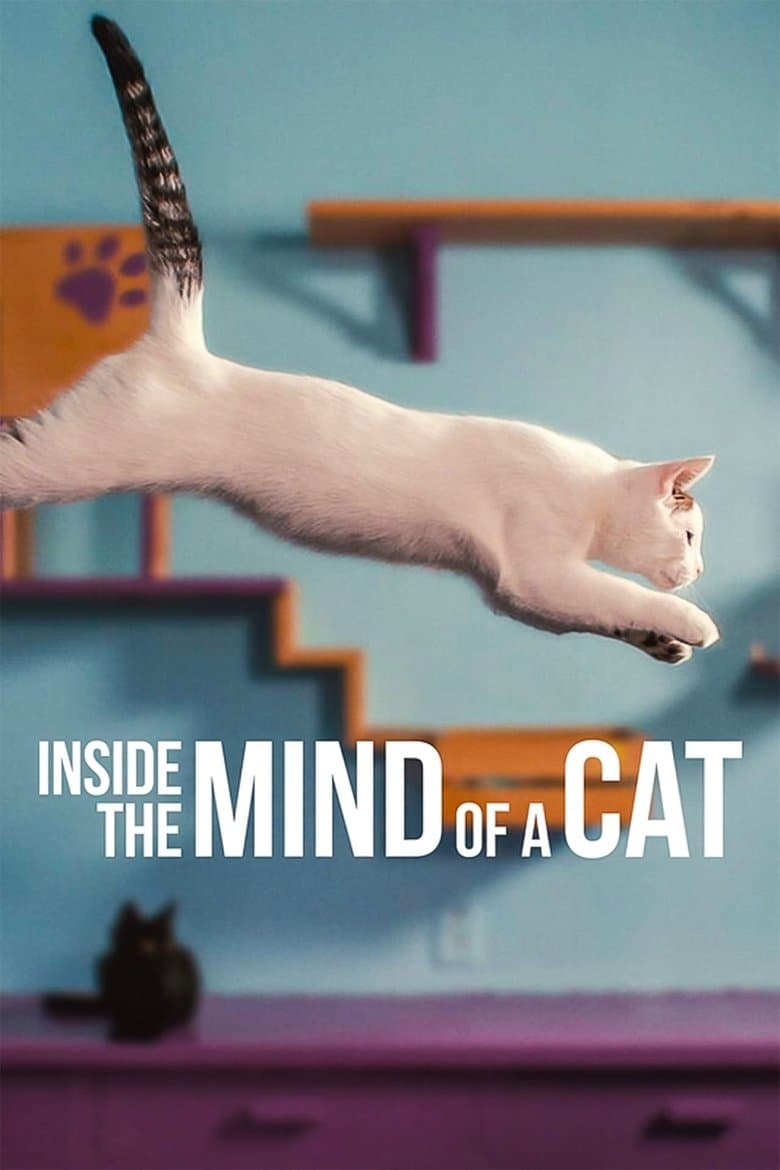
Movie · 2022
Cat experts dive into the mind of the feline to reveal the true capabilities of the pouncing pet in this captivating and cuddly documentary.
