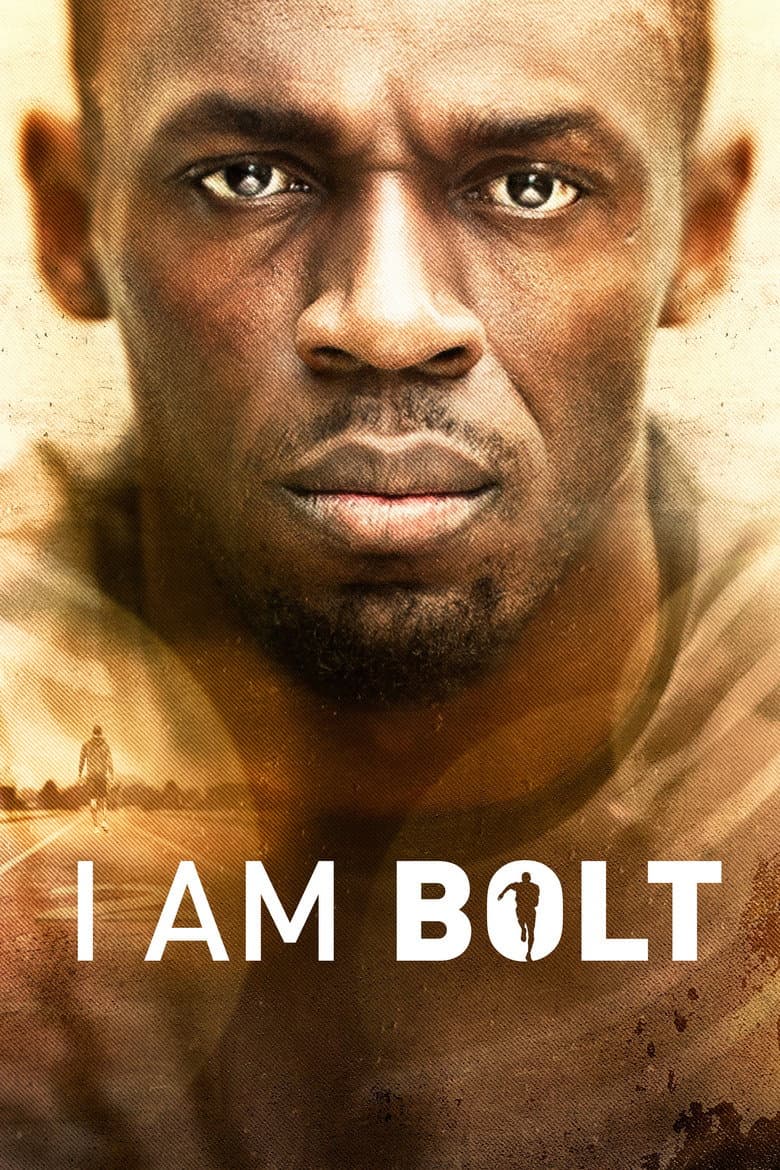
I Am Bolt follows Jamaican sprinter Usain Bolt as he prepares for the 2016 Rio Olympics and the end of his record-breaking career. The film moves between Jamaica, training rooms, race tracks, Olympic sites, homes, and trips with friends. Bolt faces injuries, tiredness, rival Justin Gatlin, and the fear that his drive may be fading. The tone is lively and admiring, but it also shows quiet moments when the champion feels pressure and doubt.
The film makes Bolt’s Jamaican background and black identity visible through his family, coach Glen Mills, teammates, and other athletes. That visibility comes from the subject’s real world, not from a made-up group built around representation. The story praises hard work, talent, confidence, loyalty, and the joy of competition. The film also shows Bolt’s wish to inspire young athletes and help track and field after retirement. The film does not turn these ideas into a wider fight about race, gender, sexuality, or modern political identity.
Community feedback
Was our 1% Woke rating accurate?
Breakdown
These are the editorial factors and ratings behind our score for I Am Bolt.
Woke representation / casting
Not present. The film uses real people from Bolt’s Jamaican family, training team, and sports world. Their identities fit the real subject and setting, and the film does not frame the group as a diversity statement.
0%
Woke political dialogue
Not present. The spoken ideas concern training, pressure, family, competition, and self-belief. No modern identity, DEI, or activist message is a main part of the talk.
0%
Identity-driven story themes
Not present. The film shows Bolt’s Jamaican background as part of his real life. The story is about athletic work, personal pressure, and his sports legacy rather than identity politics.
0%
Western institutional / cultural critique
Not present. The film does not attack family, religion, traditional roles, or Western institutions through activist messaging. Its conflicts come from injury, age, motivation, rivals, and the demands of elite sport.
0%
Woke character or canon changes
Not relevant. The documentary uses real footage and interviews about Bolt’s life and career. It does not change a real person’s race, sex, sexuality, or role for a new message.
0%
Anti-woke backlash and complaints
Not present. The supplied X check found no anti-woke reaction tied to the title. News and audience comments focused on the film’s praise of Bolt, its length, its sponsor-heavy feel, or its Nike-like trailer, not woke or DEI messaging.
0%
Creator track record context
Ben Turner has a cached score of 3/100 and no high-confidence public record of activist or DEI advocacy. Gabe Turner has a cached score of 4/100 and mainly makes sports, music, and celebrity documentaries. Gabe also directed Forbidden Games: The Justin Fashanu Story, which centers on homophobia and a gay footballer. That single subject-led film gives a small identity-related signal, but it does not show a wider activist pattern.
4%
Production
Movie · 2018
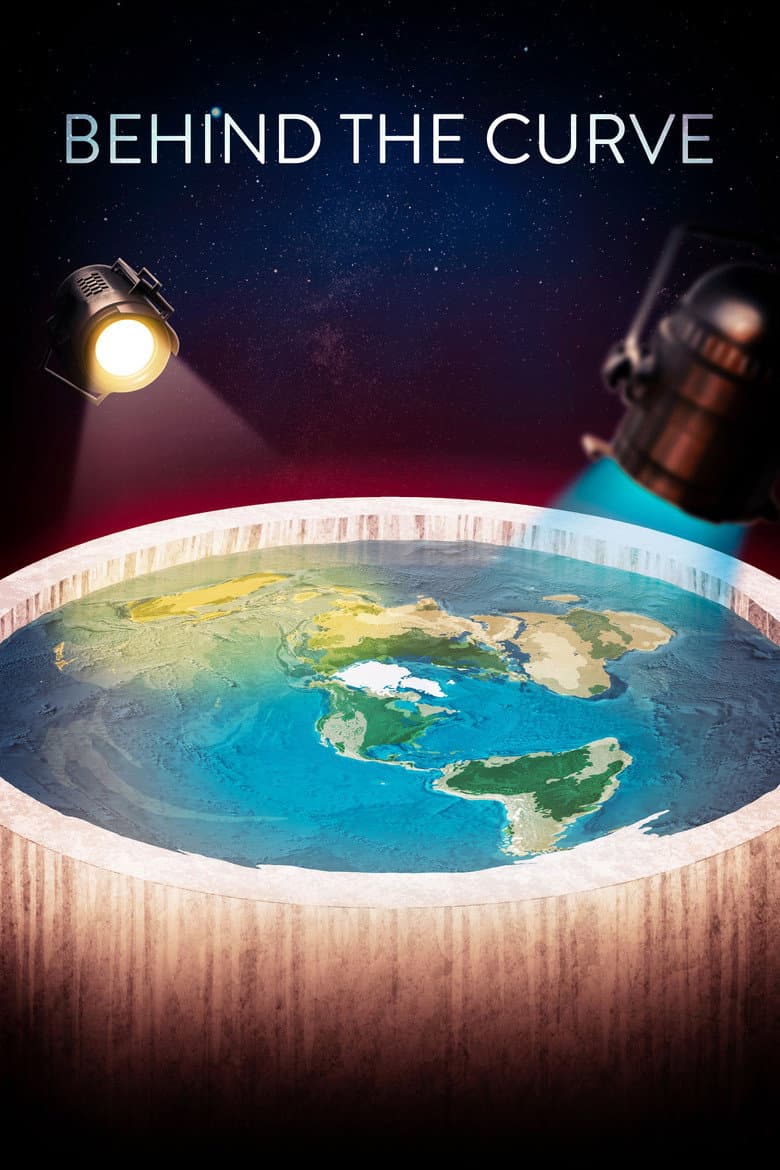
Meet the growing, worldwide community of theorists who defend the belief that the Earth is flat while living in a society who vehemently rejects it.
Movie · 2018
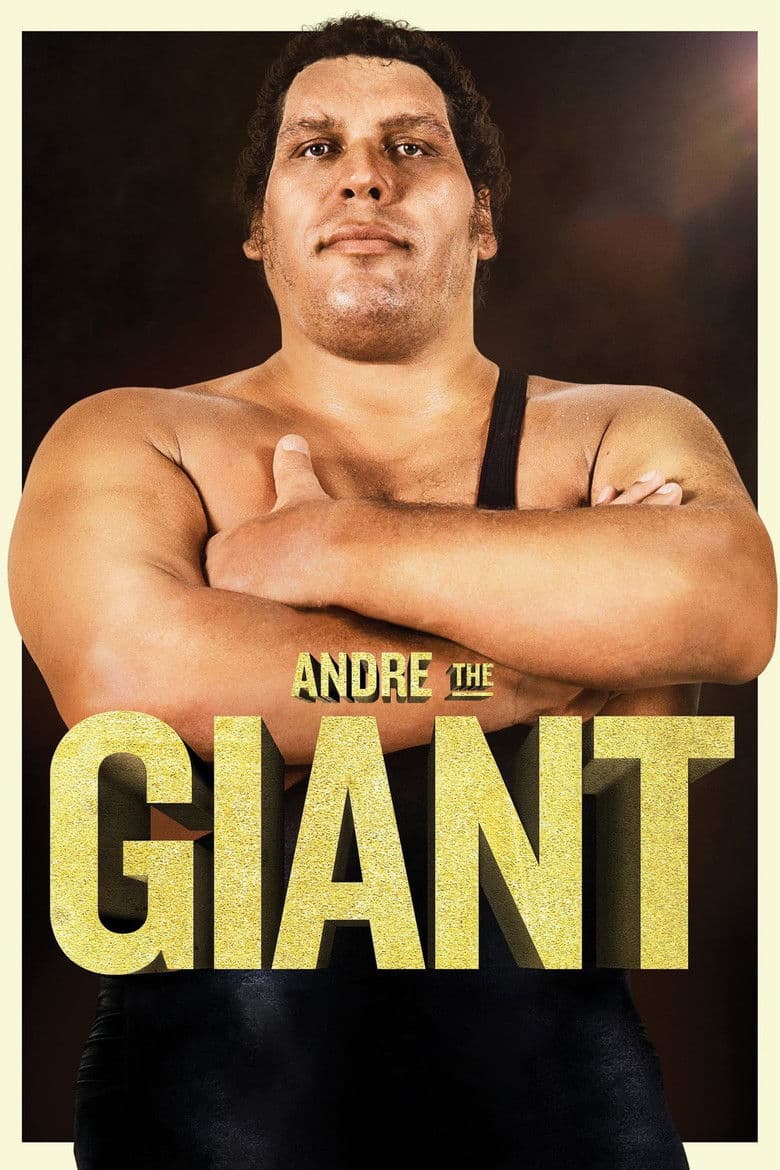
An ambitious and wide-ranging documentary exploring Andre’s upbringing in France, his celebrated career in WWE, and his forays in the entertainment world.
Movie · 2022
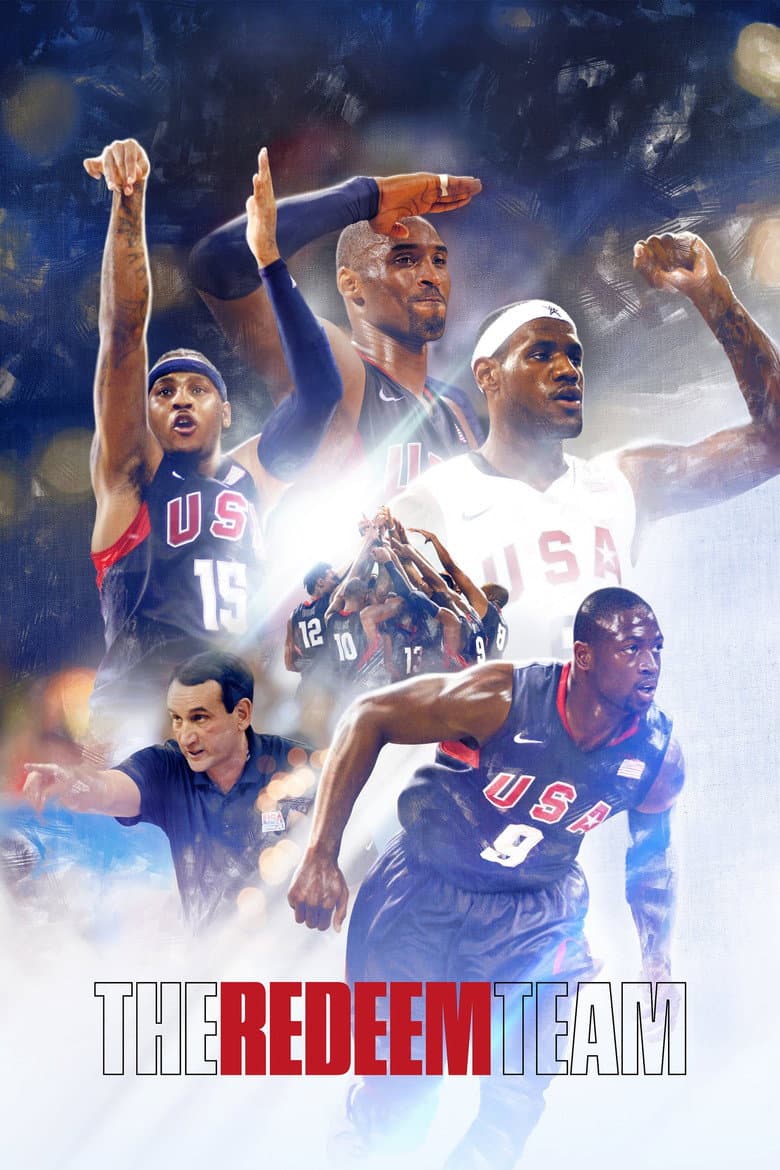
Using unprecedented Olympic footage and behind-the-scenes material, The Redeem Team tells the story of the US Olympic Men's Basketball Team’s quest for gold at the 2008 Olympic…
Movie · 2017
Music is an integral part of most films, adding emotion and nuance while often remaining invisible to audiences.

Movie · 2016
Andrew Dominik's One More Time With Feeling is a remarkable black and white documentary which chronicles the creation of Nick Cave & The Bad Seeds' album Skeleton Tree.

Movie · 2019
The successes and failures of a couple determined to live in harmony with nature on a farm outside of Los Angeles are lovingly chronicled by filmmaking farmer John Chester, in…
Movie · 2017
The ancient Chinese game of Go has long been considered a grand challenge for artificial intelligence. Yet in 2016, Google's DeepMind team announced that they would be taking on…
Movie · 2021
Never-before-seen footage shows how our living in lockdown opened the door for nature to bounce back and thrive.
