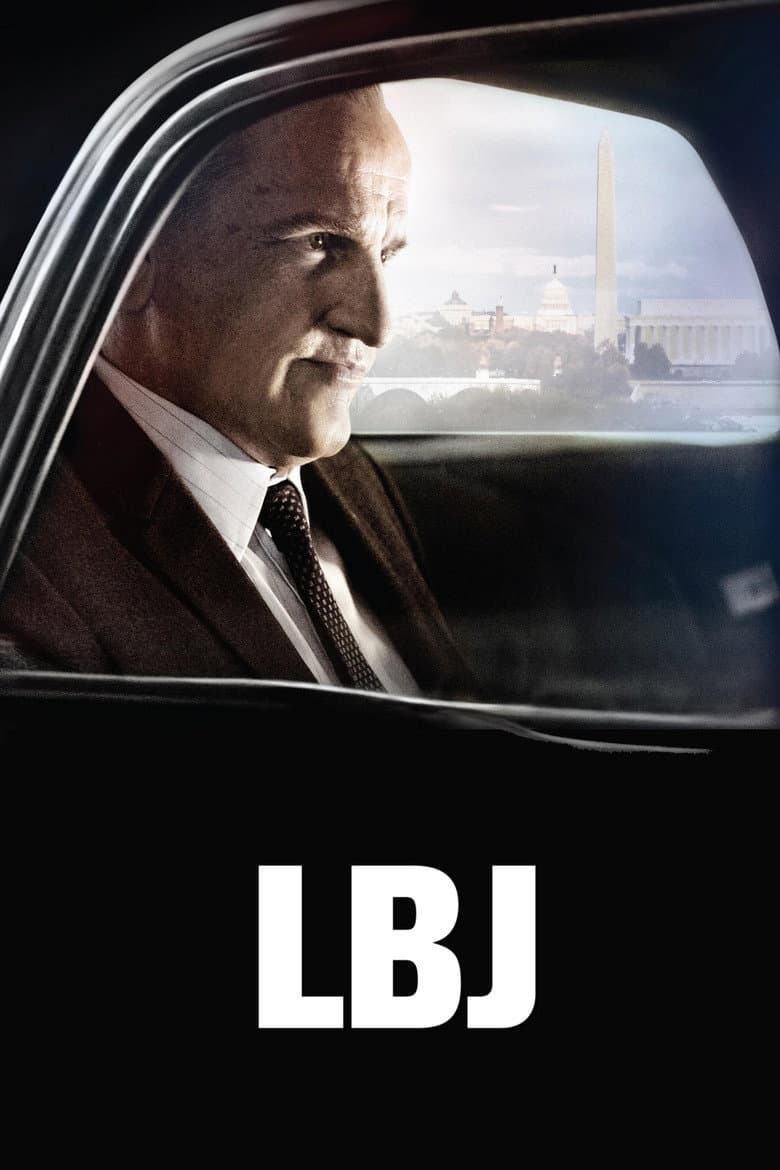
LBJ follows Lyndon Baines Johnson from the 1960 presidential race through the first weeks after John F. Kennedy is killed. Johnson is a powerful Senate leader who loses to Kennedy, accepts the vice presidency, and then suddenly becomes president. He must calm a grieving country while fighting Bobby Kennedy and his old mentor, Senator Richard Russell. The film has a serious period drama tone, but Johnson’s crude jokes, anger, and private fear add rough humor.
The main social issue is the fight over the Civil Rights Act of 1964. Johnson first tries to bargain with Southern Democrats, then turns against Russell and pushes the bill as part of Kennedy’s legacy. The film presents equal treatment for black Americans as a major moral and political goal, while showing segregation and racist talk. Most of the story stays with white politicians, so black people and the wider civil rights movement remain mostly off screen. The film focuses on Johnson’s choices and political skill rather than current identity politics or modern activist language.
Community feedback
Was our 47% Woke rating accurate?
Breakdown
These are the editorial factors and ratings behind our score for LBJ.
Woke representation / casting
Not present. The film uses mostly white actors for real politicians, presidents, and their wives. Black people appear mainly in brief supporting moments, including Johnson’s cook, rather than in a diversity-focused lead group.
0%
Woke political dialogue
LBJ repeatedly argues with senators about civil rights, equal employment, integration, and racism. Johnson tells a story about his black cook being denied food and lodging in the South. Bobby Kennedy and Richard Russell challenge him over the bill and its meaning. The final speech presents equal rights as a duty, but the words stay tied to the 1960s law rather than modern DEI language.
42%
Identity-driven story themes
LBJ makes the fight over the Civil Rights Act the main story after Johnson becomes president. Johnson moves from bargaining with Southern Democrats to opposing his old mentor, Richard Russell. The film treats legal equality for black Americans as a moral goal and as the test of Johnson’s character. The theme is strong and repeated, but it is shown as 1960s civil rights history rather than a current DEI campaign.
48%
Western institutional / cultural critique
Richard Russell and other Southern Democrats are shown protecting segregation through congressional power. The film treats that system as racist and presents Johnson’s use of federal law as the answer. The conflict is a historical fight inside the 1960s government, not a repeated attack on modern Western institutions, religion, family, or male roles.
15%
Woke character or canon changes
Not relevant. The film keeps the real figures’ race, gender, and public roles. It does not turn a historical character into a different identity or give a different group the central hero role.
0%
Anti-woke backlash and complaints
Small numbers of reviews linked the film’s Civil Rights focus to Reiner’s liberal politics and called its sympathetic portrait of Johnson a liberal apology. Those complaints were about political framing, not a large fight over DEI casting or queer content. No anti-woke posts were found in the supplied X pass, and audience talk mostly focused on the makeup, story, and missing activists.
7%
Creator track record context
Rob Reiner’s cached score is 69/100, and his public record includes long-term progressive and gay-rights activism. Title interviews show that he wanted to highlight Johnson’s civil-rights work and connect the story to renewed racial conflict. Joey Hartstone’s cached score is 20/100, while the other supplied crew scores are mostly low. The director’s record gives this factor a moderate lift, but the whole team does not show a strong shared identity-first pattern.
45%
Production
Movie · 2016
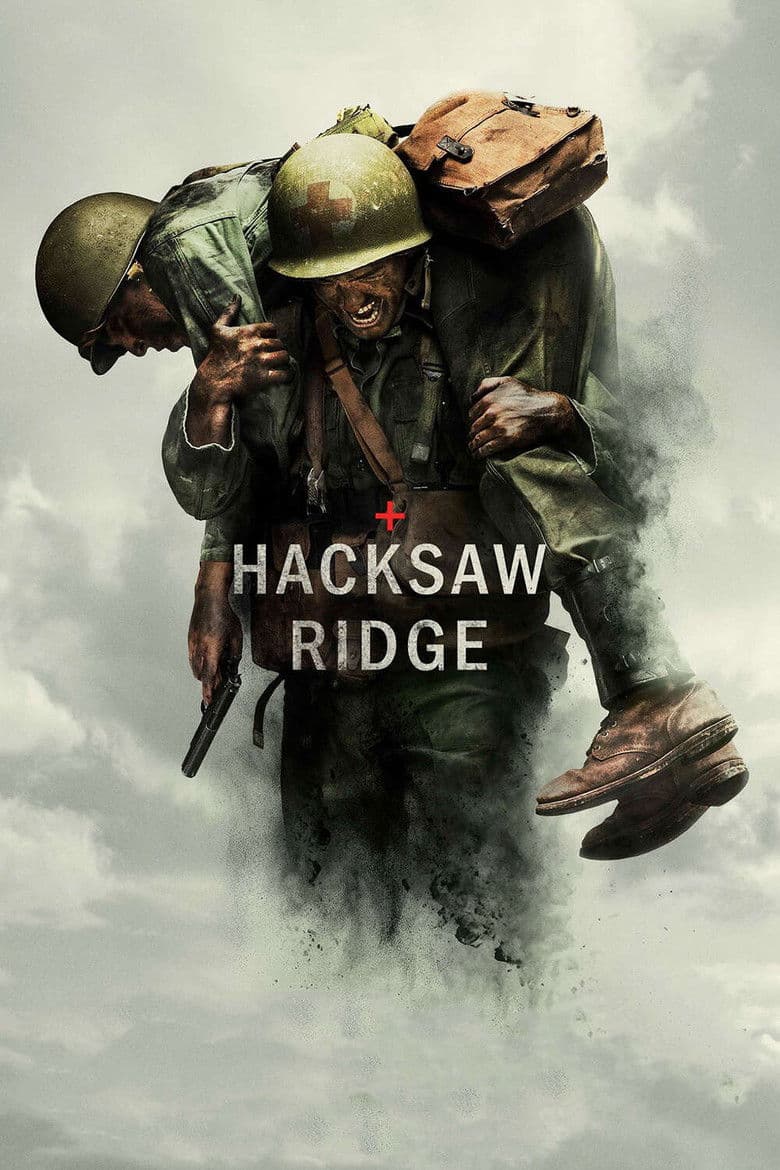
WWII American Army Medic Desmond T. Doss, who served during the Battle of Okinawa, refuses to kill people and becomes the first Conscientious Objector in American history to…
Movie · 2019
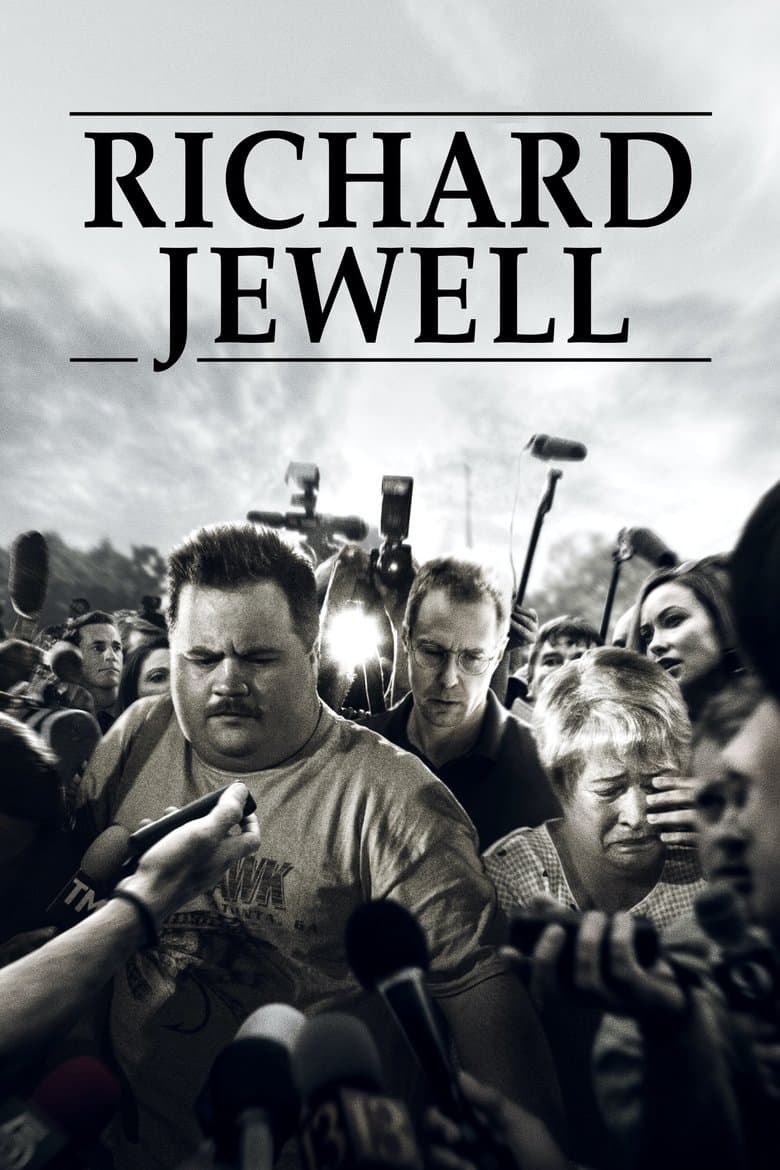
Richard Jewell thinks quick, works fast, and saves hundreds, perhaps thousands, of lives after a domestic terrorist plants several pipe bombs and they explode during a concert…
Movie · 2025
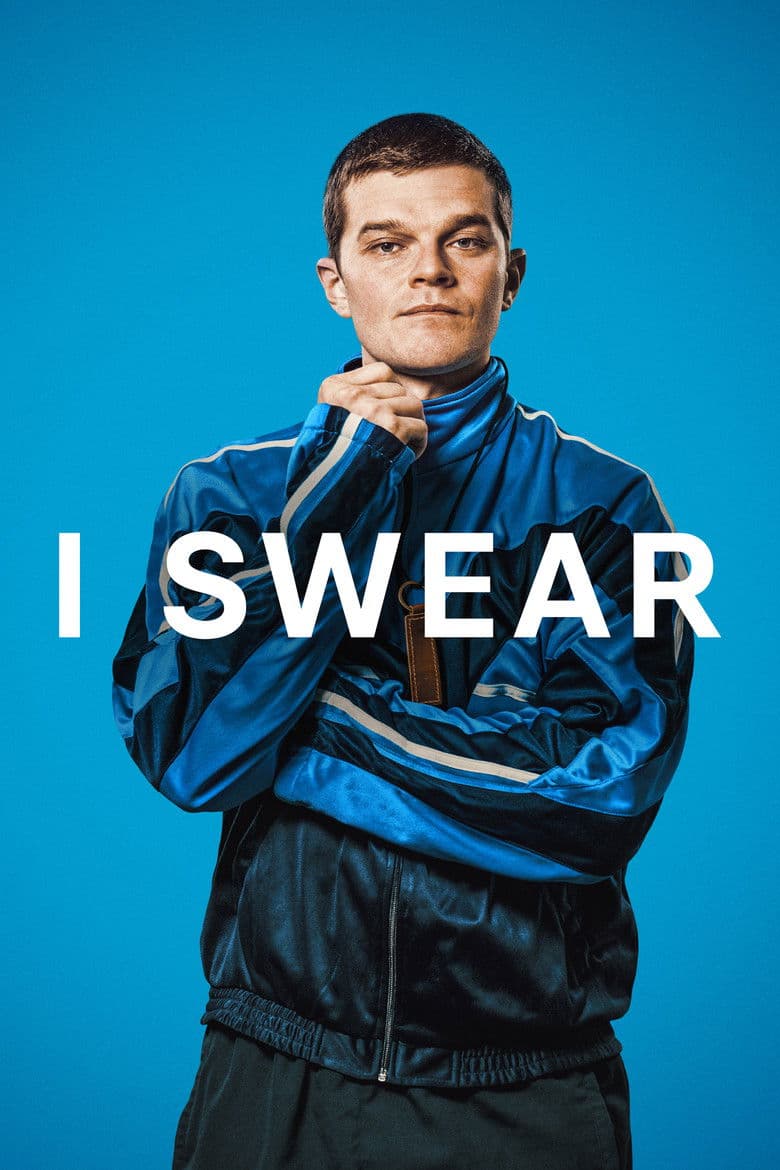
Diagnosed with Tourette Syndrome at 15, John Davidson navigates his way against the odds through troubled teenage years and into adulthood, finding inspiration in the kindness of…

Movie · 2016
After his older brother passes away, Lee Chandler is forced to return home to care for his 16-year-old nephew.

Movie · 2023
The true story of the inseparable Von Erich brothers, who made history in the intensely competitive world of professional wrestling in the early 1980s.
Movie · 2022
London, 1953. Mr. Williams, a veteran civil servant, is an important cog within the city's bureaucracy as it struggles to rebuild in the aftermath of World War II.
Movie · 2024
On the brink of the Second World War, a young Norwegian man's drive to resist the Nazis sets a new course for his future – and the future of his country.
Movie · 2020
A man refuses all assistance from his daughter as he ages and, as he tries to make sense of his changing circumstances, he begins to doubt his loved ones, his own mind and even…
